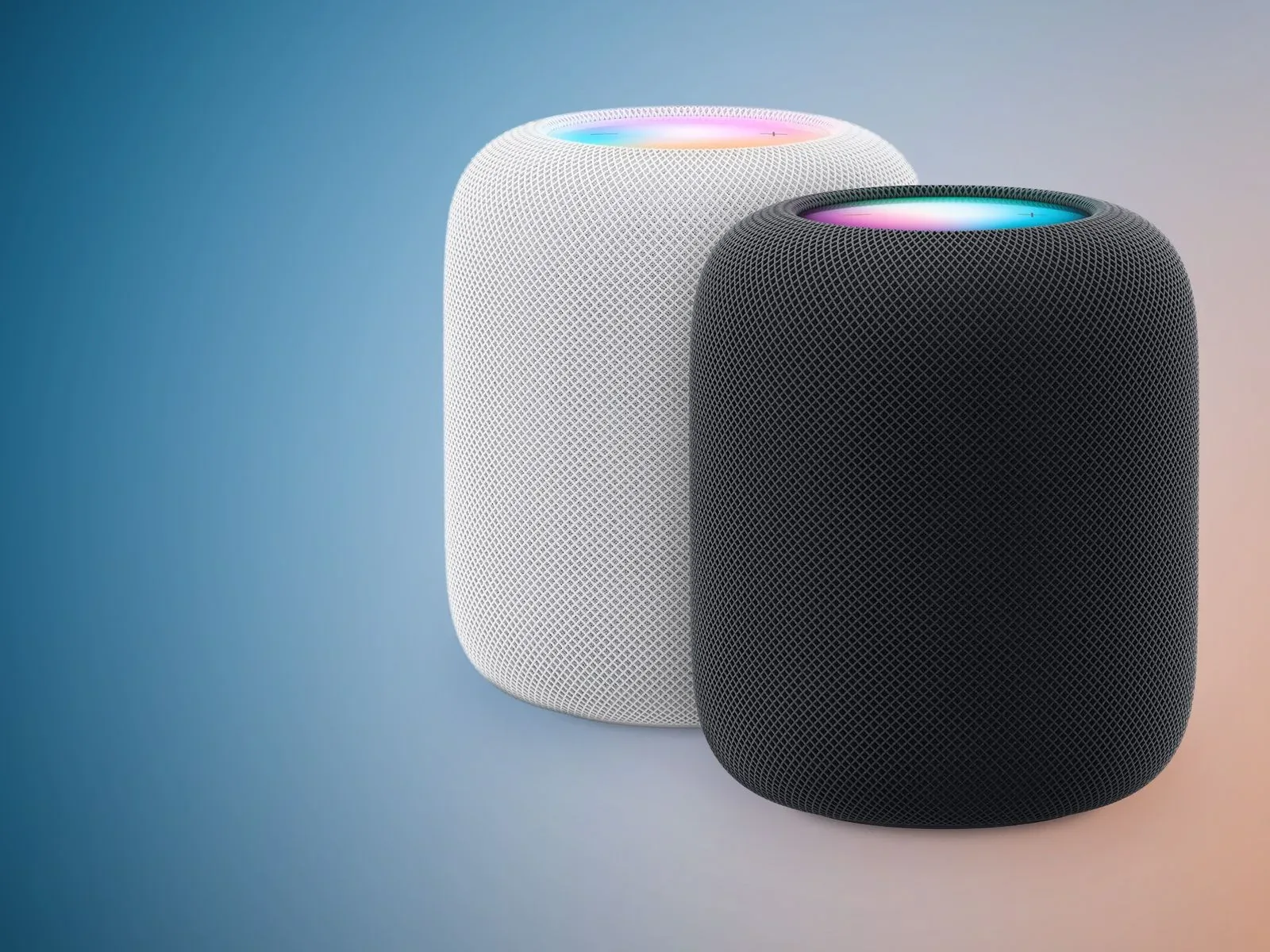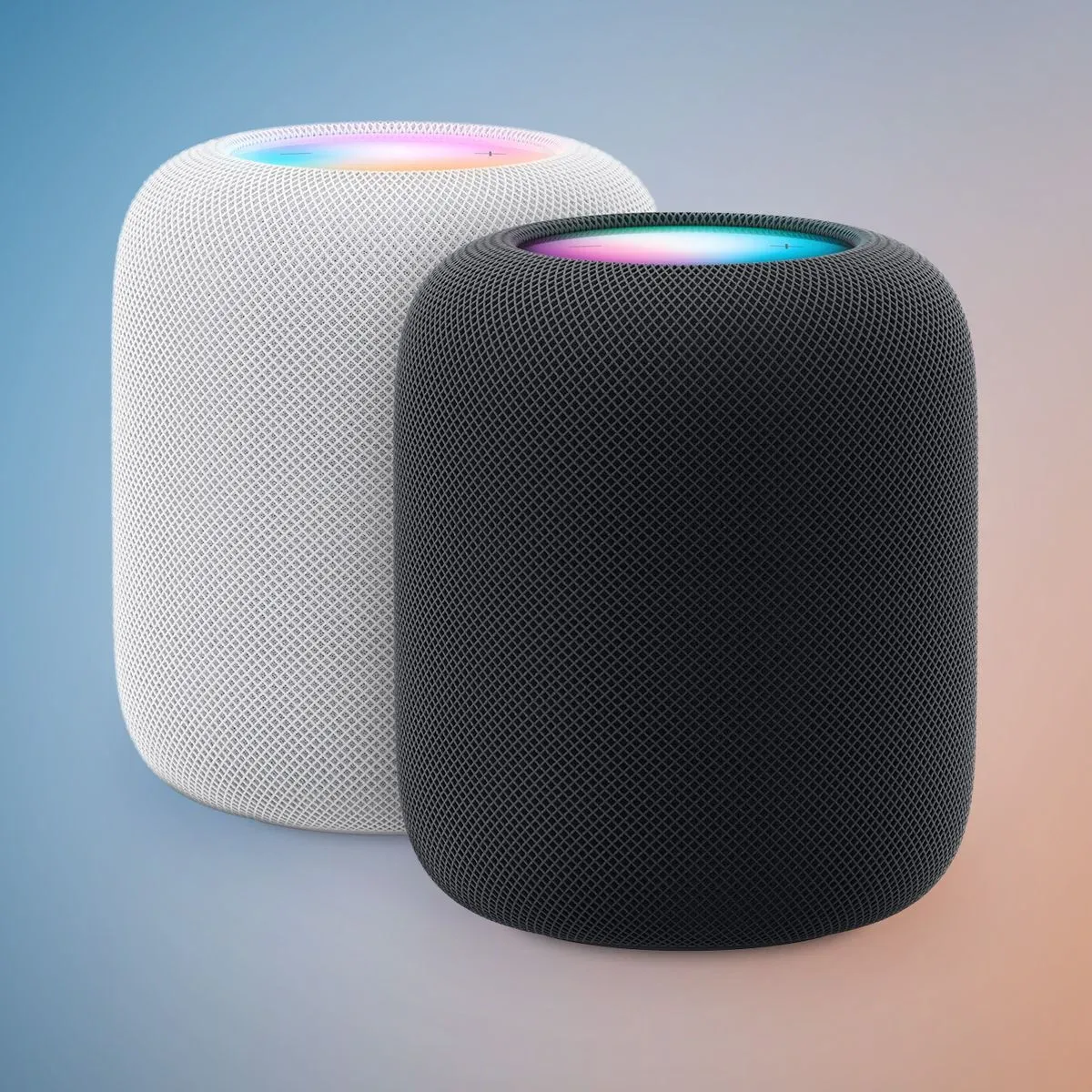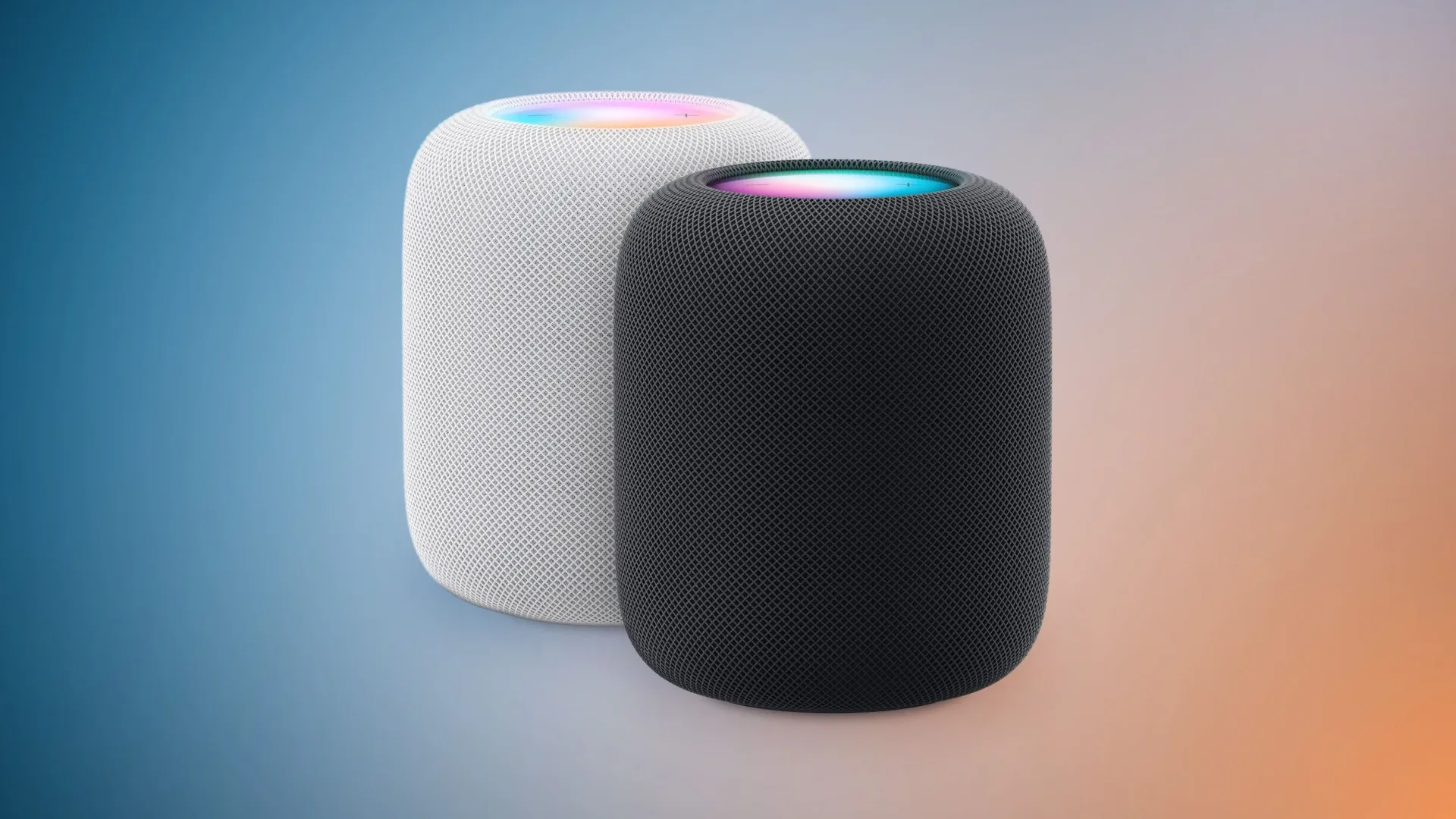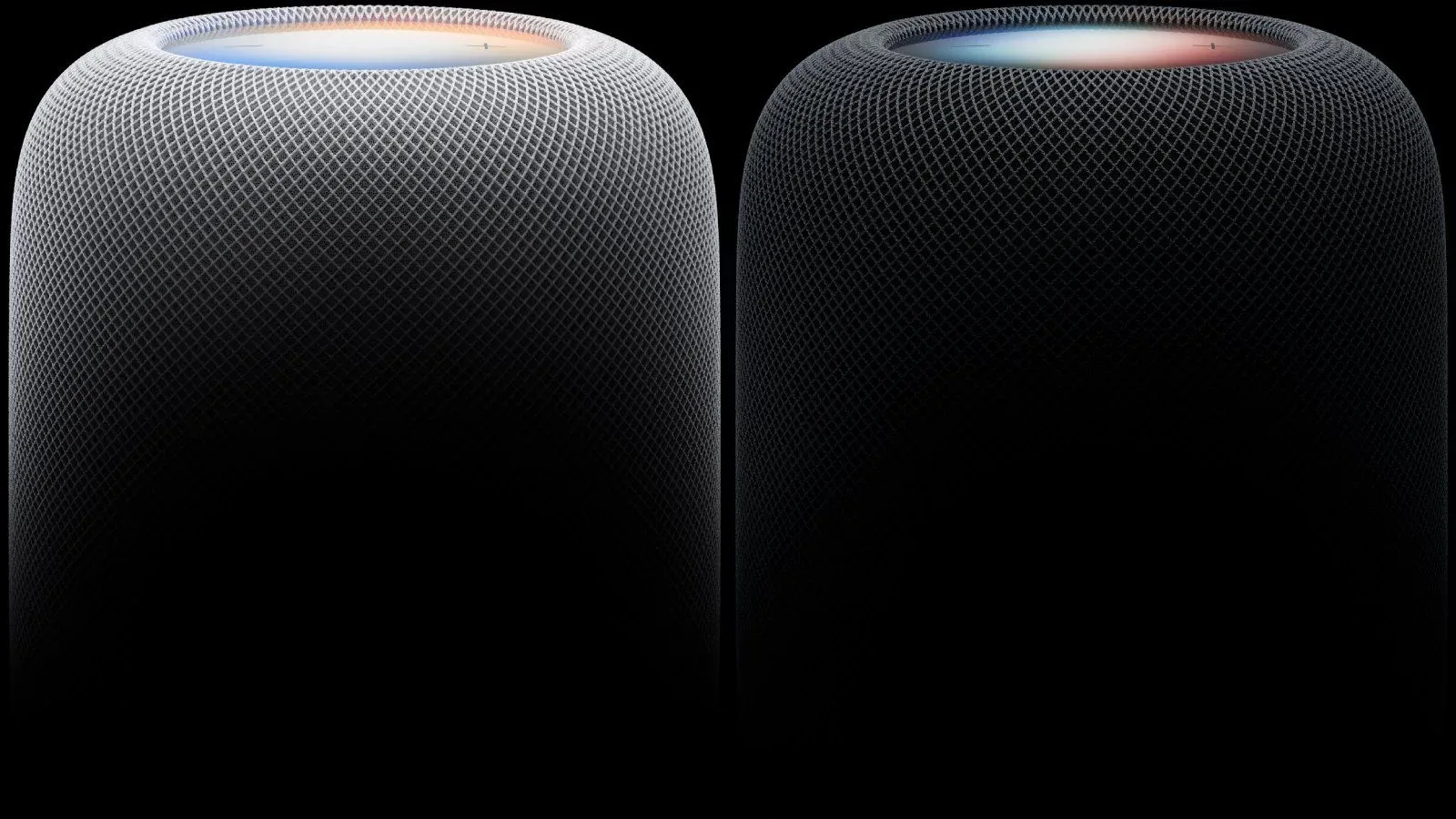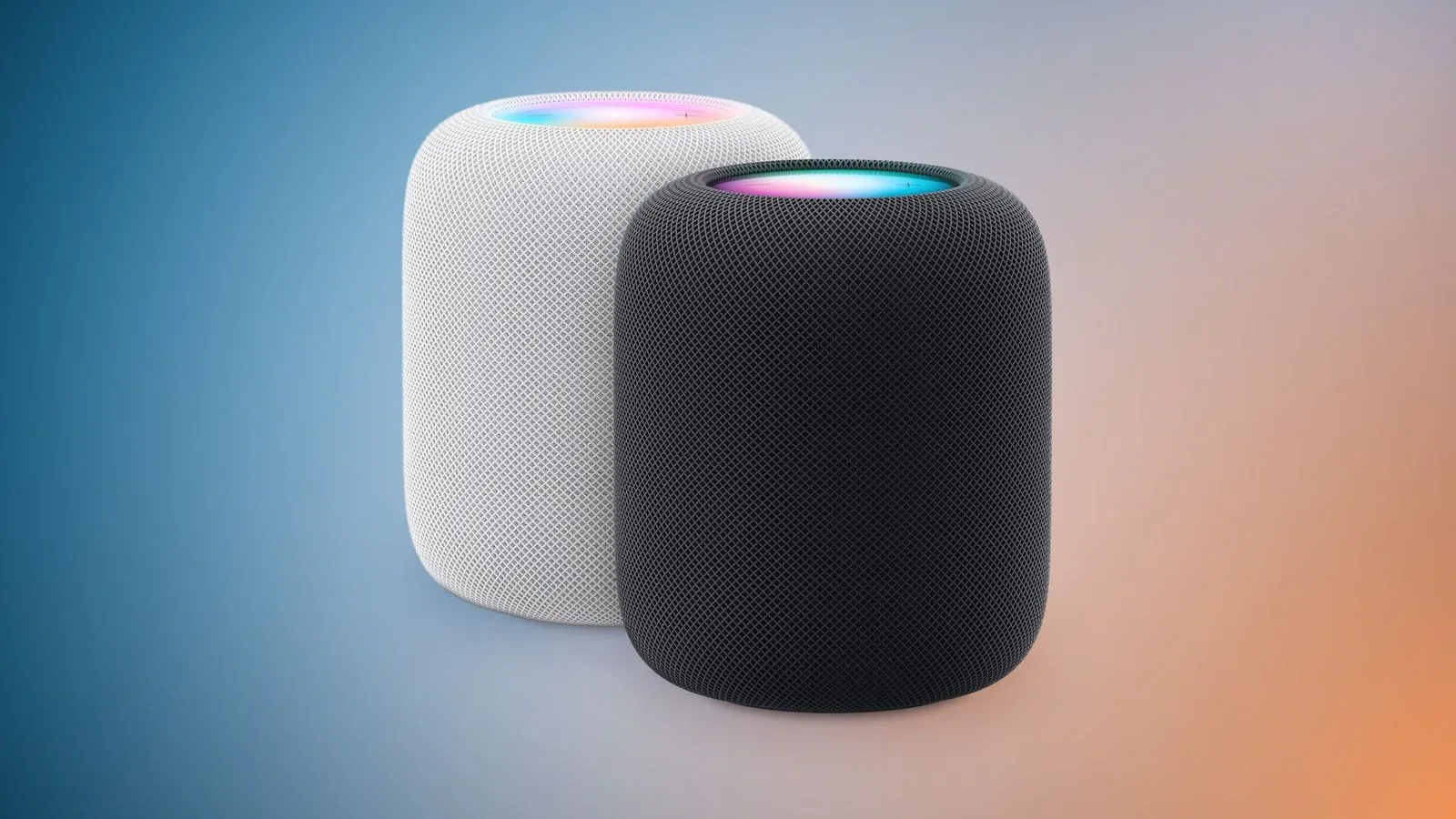
Apple is reportedly testing a new full-size HomePod that would support Siri AI, but anyone hoping to replace a living-room speaker in the near future should keep the party playlist on pause. The device does not appear to be close to release, meaning the testing is notable without being a dependable sign of an imminent hardware refresh.
The detail comes from reporting by Mark Gurman, which places a potential full-size HomePod among Apple’s products being worked on while also drawing an important line between development activity and a product approaching store shelves. That distinction matters. Companies test hardware and software long before they settle on a launch schedule, and not every tested configuration is a promise to consumers.
For now, the clearest factual picture is a narrow one: Apple has reportedly been testing a new larger HomePod with Siri AI support; it is not thought to be imminent; and the current full-size HomePod was introduced in January 2023. Everything beyond those points, including appearance, audio changes, pricing, release timing, and the specific form Siri AI support could take, remains unconfirmed.
Testing is not the same thing as a launch window
“Testing” is one of those technology words that can make a rumor feel more finished than it is. In practice, it only tells us that work is happening in some form. It does not establish that the design is final, that production has begun, or that a release date has been selected. A speaker can be tested while its software is still evolving, while its internal components are being evaluated, or while a company weighs when an update best fits its broader product plans.
That is especially useful context here because the report explicitly says the full-size HomePod does not appear to be close. The sensible reading is not that a new HomePod is arriving around the corner, but that Apple may be exploring how a future large speaker could accommodate Siri AI. The difference may sound small, yet it is the difference between useful advance awareness and accidentally treating a workshop project like a preorder page.
There is also no stated timetable. “Not imminent” does not supply a month, a season, or even a calendar year. It simply cautions against expecting a prompt update. Readers weighing a purchase of the currently available full-size model therefore do not have a confirmed replacement date to plan around.
Why Siri AI is the central detail
The most interesting reported feature is not a claimed change to the speaker’s size or audio design. It is Siri AI support. Voice interaction is already fundamental to the HomePod idea: the speaker is meant to respond to spoken requests. A future model built with a more AI-oriented Siri in mind could make that interaction the center of its pitch, rather than positioning voice control as a background utility.
Still, the report does not define what that support would include. It does not describe particular commands, new conversational behavior, on-device processing, cloud processing, third-party integrations, smart-home controls, or compatibility with other Apple products. Those are all areas where it would be easy to fill the silence with assumptions. At present, they are simply unanswered questions.
That uncertainty is more valuable than it may initially seem. “AI” has become a broad label, and it can refer to very different practical experiences depending on the device and the software. A future HomePod’s usefulness would be determined not by the letters attached to Siri, but by the tasks it is actually designed to handle reliably. Until Apple details those capabilities, Siri AI support should be treated as a reported direction, not a feature checklist.
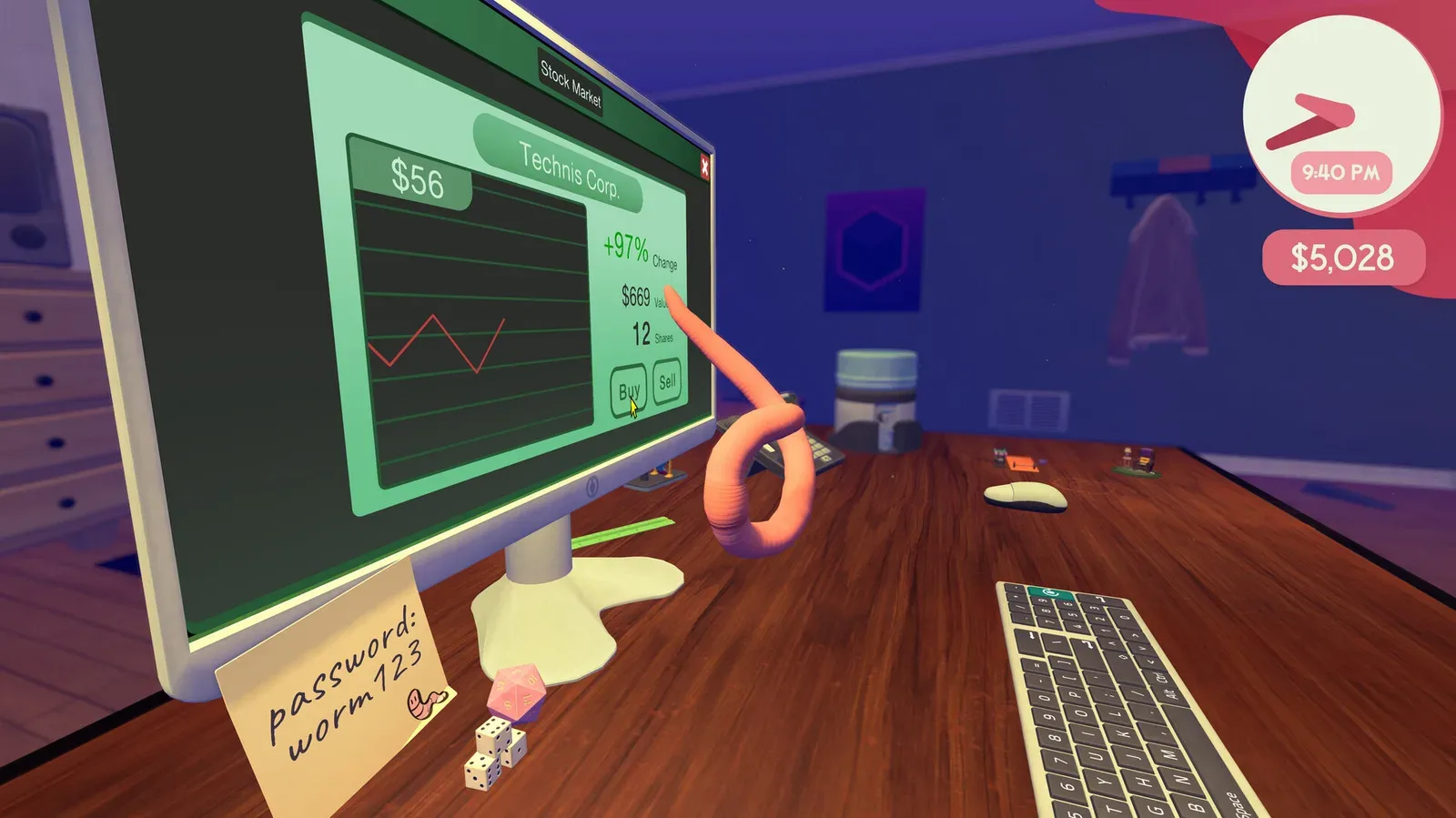
The wider discussion around AI has already reached games and workplace culture, as seen in this roundup of indie games that includes a cat taking on office AI. A speaker is a very different kind of product, of course, but the overlap is a reminder that “AI” does not describe one uniform experience. The label alone cannot tell prospective buyers how a new HomePod would feel in daily use.
The current full-size HomePod remains the reference point
Apple unveiled the current full-size HomePod in January 2023. That date is the only firm hardware benchmark supplied by the report. It explains why a possible successor attracts attention: the existing model has been on the market long enough that people will naturally wonder whether a new edition is coming and whether it will introduce a more substantial change than a routine refresh.
But an existing product’s age does not create a release schedule by itself. Hardware updates do not arrive on a universal timer, and the report’s warning that the next full-size HomePod is not near makes it unwise to infer one. The 2023 model is still the current full-size entry in this particular story, not an officially declared outgoing product.
This is also not a report of a replacement being announced, discontinued, delayed from a previously confirmed date, or placed into production. Those may seem like obvious caveats, but they sharpen the boundaries of what has actually been reported. The story is about internal testing and an apparent lack of near-term arrival, rather than a formal product reveal.
What remains unknown about the reported speaker
A great deal remains outside the available information. There are no reported specifications for the prospective HomePod. There is no stated price, finish, physical redesign, speaker arrangement, display change, processor information, connectivity list, or launch market plan. The report also does not say whether the device has a distinct model name, whether Apple will retain the current HomePod naming, or how it might sit alongside other speakers in the company’s lineup.
Compatibility questions are equally open. The report does not establish whether Siri AI support would be exclusive to a new full-size HomePod, whether any elements might eventually reach existing hardware, or whether use would depend on other devices or software versions. It would be premature to treat any of those possibilities as settled.
The same caution applies to timing. A tested device may change substantially before release, be held for a later strategy, or never become a retail product in the form initially tested. That is not a prediction that this HomePod will disappear; it is simply why early development reporting should be read as an indication of work, not a completed roadmap.
A practical way to read the report
- Take the AI angle seriously: Siri AI support is the defining reported element of the potential new full-size HomePod.
- Do not treat it as an announcement: Apple has not publicly introduced the reported device in the information available here.
- Do not expect a quick replacement: the speaker is said not to appear imminent.
- Keep the 2023 model in context: it remains the current full-size HomePod referenced by the report.
- Wait for specifics: features, design, cost, and release timing have not been provided.
For Apple watchers, the report is a small but meaningful signal about the company’s apparent interest in pairing a future full-size smart speaker with Siri AI. For prospective buyers, it is not yet a reason to assume a finished successor is about to land. The story’s most useful message is its restraint: something is reportedly being tested, but the wait for anything official may be considerable.