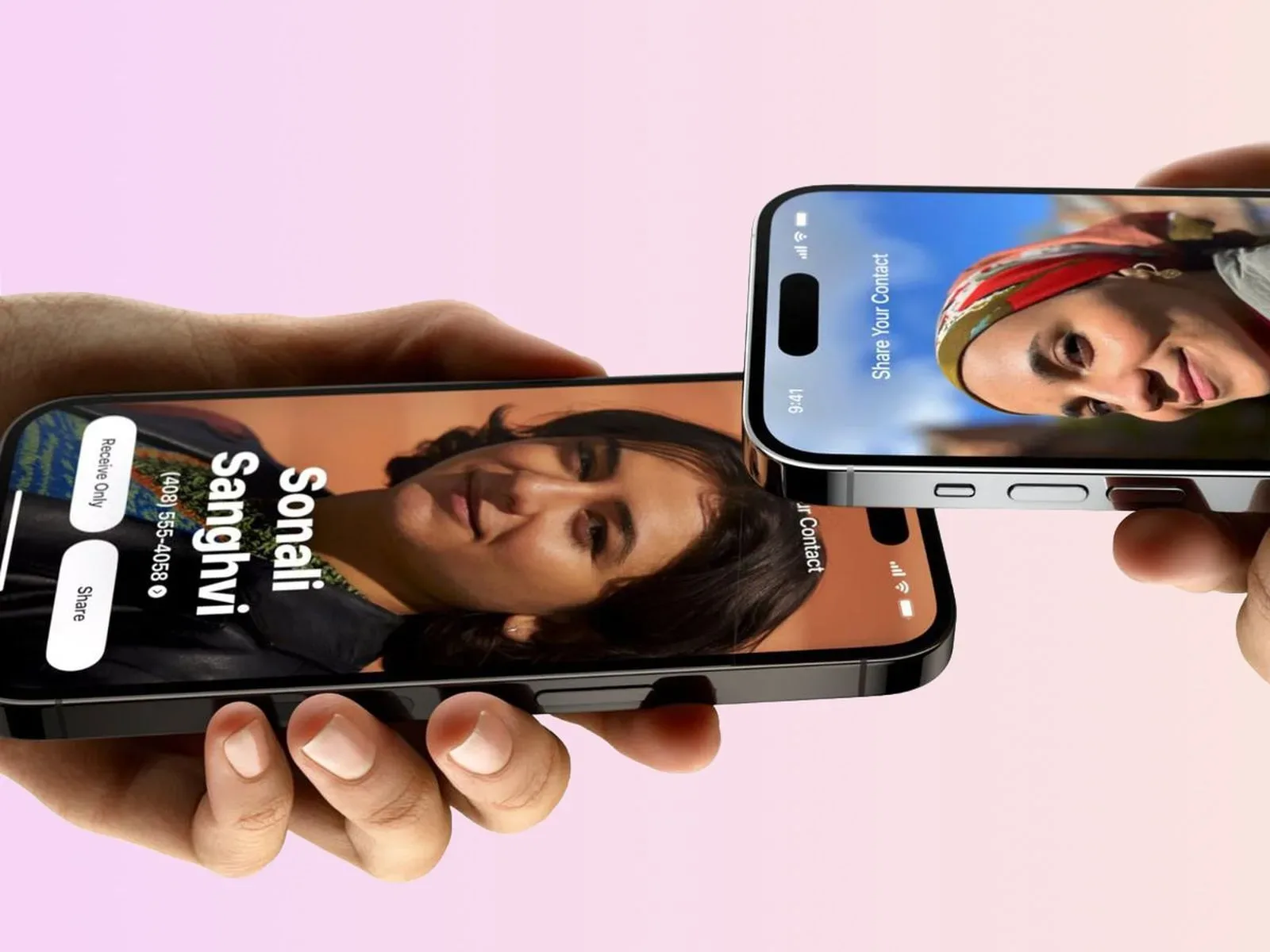
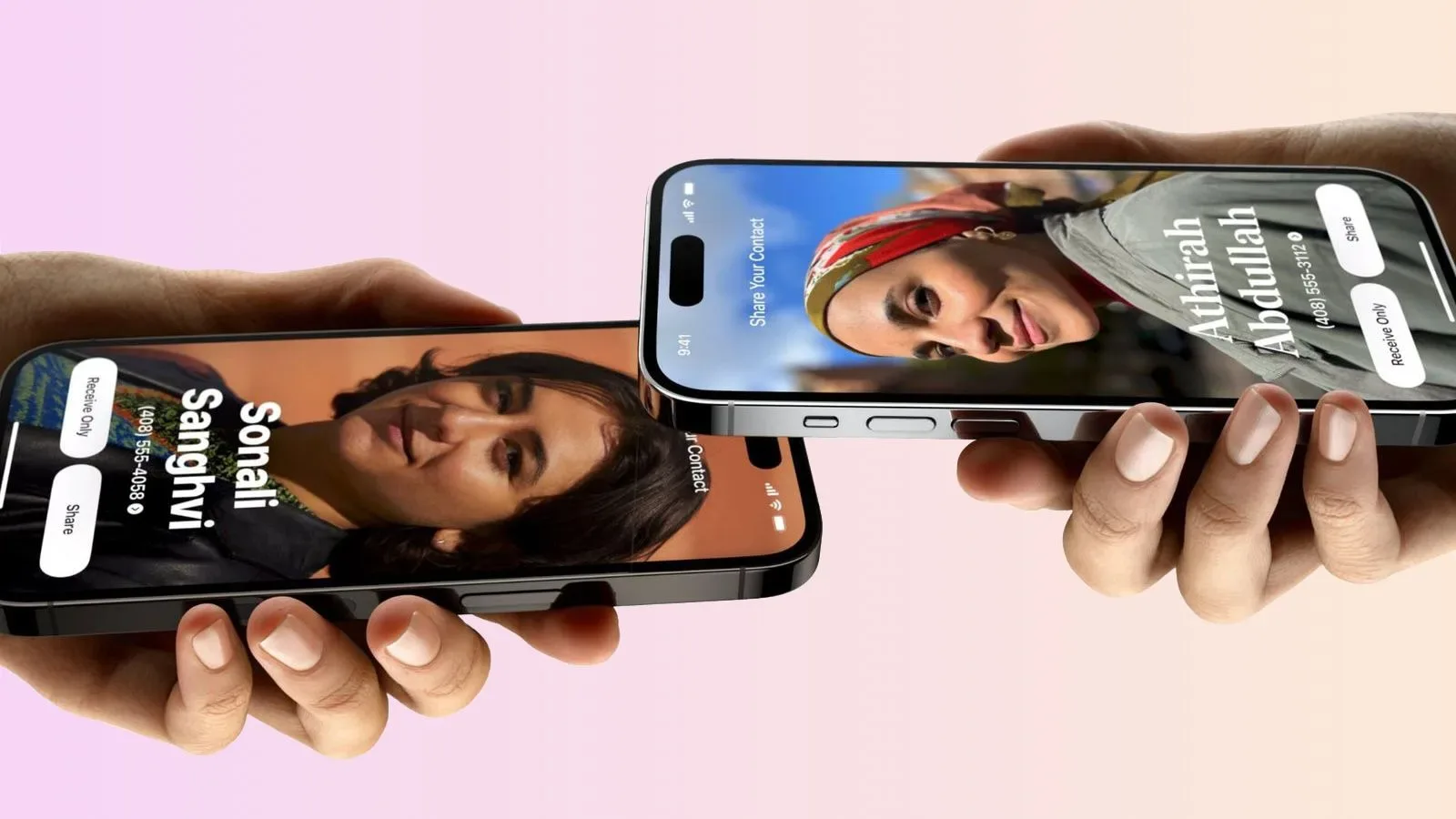
Apple is facing a patent lawsuit in India over NameDrop, its proximity-based contact-sharing feature for compatible devices. GG Technologies, the U.S. startup behind the StayTouch app, is seeking 15 billion rupees in damages—about $162 million—and court orders that could restrict the sale or import of iPhones and Apple Watches supporting the feature.
The case was filed in the Bombay High Court in October. It had not yet been listed for a hearing at the time described in the court reporting. That matters: the requested restrictions are claims being sought by GG Technologies, not measures that have been ordered by a court.
What GG Technologies says its patent covers
GG Technologies alleges that NameDrop infringes an Indian patent relating to a method for nearby phones to exchange contact information without manual pairing. In plain terms, manual pairing is the familiar process in which users deliberately connect two devices before sharing information, such as selecting a device from a list and confirming a connection. The patent claim described in the case concerns an alternative: devices close to each other can initiate the exchange of contact details without that conventional setup step.
The company launched StayTouch in 2019. It applied for the Indian patent in 2021 and received it in July 2024. The timing is important background, but it does not itself resolve whether Apple’s implementation falls within the scope of the patent. That is the central issue the court would need to assess if the case proceeds.
GG Technologies says the India litigation followed unsuccessful mediation with Apple. Mediation is a process in which parties attempt to negotiate a settlement with help from a neutral intermediary, rather than immediately relying on a judicial decision. An unsuccessful mediation does not establish infringement or invalidate either side’s position; it simply means the dispute was not resolved through that route.
What NameDrop does—and what it does not do automatically
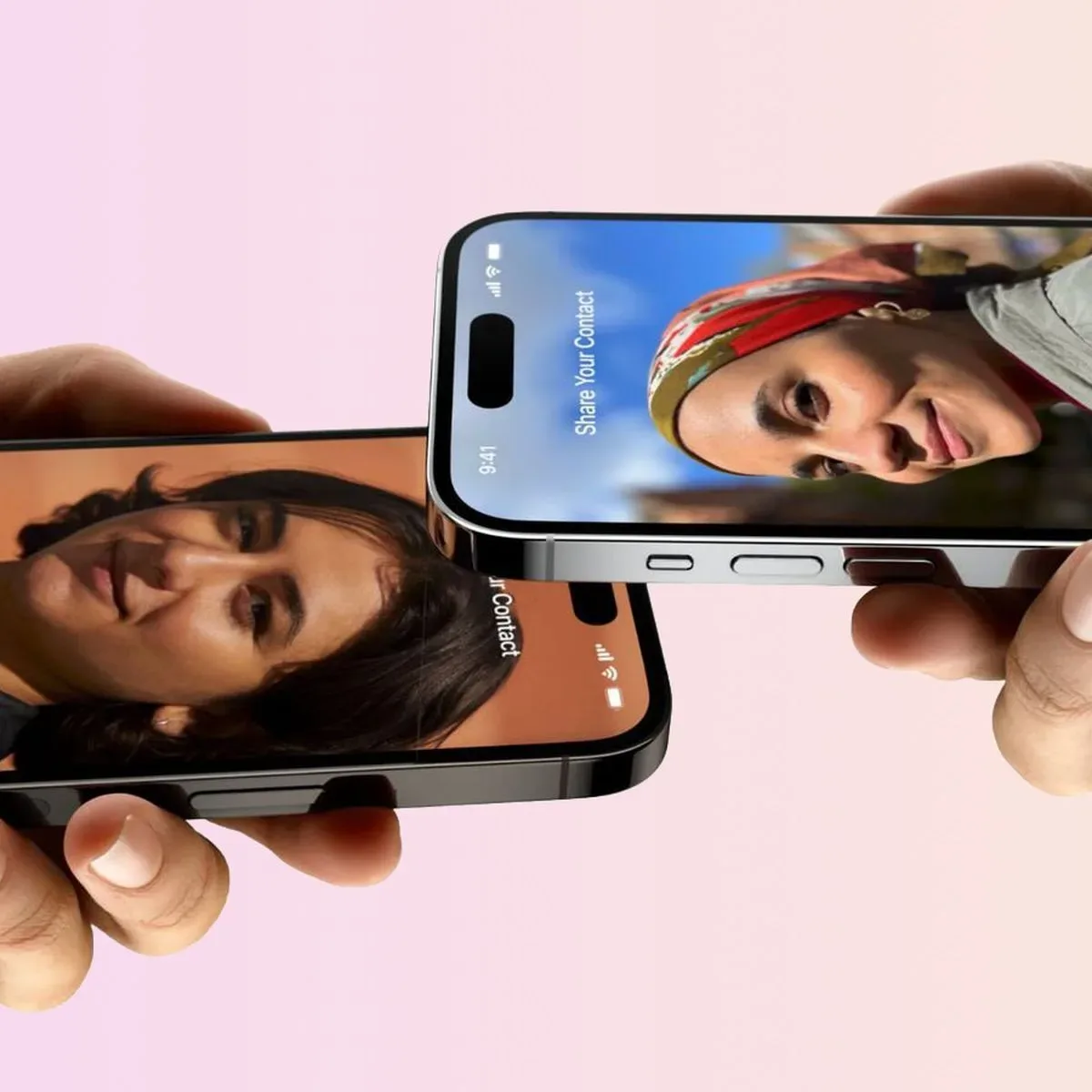
Apple introduced NameDrop in June 2023 as part of iOS 17. The feature allows users to exchange contact information by bringing compatible devices close together. It is designed to reduce the amount of typing or contact searching that can be involved in sharing a phone number or other contact card details.
However, proximity alone is not presented as an automatic transfer. Sharing requires user confirmation. That distinction is meaningful both for everyday use and for understanding the technology at the center of the claim: a feature can make discovery or initiation easier while still requiring a person to approve the actual exchange.
NameDrop is the kind of utility feature that can be easy to overlook after it arrives in a software update. There is no indication here of how often it is used on a regular basis. Yet a feature does not need to be a daily habit for many users to become a consequential legal target, particularly when it is included in a broader set of devices sold in a major market.
The remedies GG Technologies is asking for
The startup is seeking more than monetary damages. It is asking the Bombay High Court to stop Apple from selling or importing iPhones and Apple Watches that support NameDrop in India. This is commonly described as injunctive relief: a court-directed restriction on specified conduct, separate from a financial award for alleged past harm.
The request is potentially significant because it focuses on devices containing the disputed capability rather than solely seeking compensation. Still, the lawsuit has not produced a decision, and there is no established restriction on Apple device sales described here. Whether any remedy would be granted would depend on the court’s eventual treatment of the patent, the infringement allegation, and the requested scope of relief.
For consumers, the immediate practical takeaway is limited. There is no reported change to iPhone or Apple Watch availability in India, nor is there a reported alteration to how NameDrop works. The case is currently a legal challenge with substantial remedies requested, not a confirmed sales ban.
A parallel dispute in the United States
The India action is one part of a wider conflict between GG Technologies and Apple. The startup also sued Apple in the United States in April over related patent-infringement allegations. In August, the U.S. International Trade Commission opened an investigation following GG Technologies’ complaint.
The International Trade Commission, or ITC, is a U.S. body that can investigate certain trade-related complaints, including allegations involving imported products. GG Technologies is seeking an order that could block imports of allegedly infringing Apple devices into the United States, alongside restrictions on sales. An ITC investigation is not a finding that infringement has occurred; it is the formal start of an examination of the complaint.
That parallel proceeding gives the dispute a cross-border dimension. The India case concerns an Indian patent and the sale or import of covered products in India, while the U.S. matter involves a separate process and requested import-related remedy. Patent rights are territorial, meaning a patent granted in one jurisdiction is not automatically a ruling on rights in another. Similar technology can therefore lead to distinct cases, different legal tests, and potentially different outcomes across countries.
Why software features can create device-wide stakes
This dispute illustrates how a relatively narrow-looking software function can become tied to an entire hardware product line. NameDrop is a contact-sharing feature, not the main purpose of an iPhone or Apple Watch. But if a claim seeks restrictions on products that include the capability, the commercial question becomes much larger than whether users frequently share contacts through a close-range gesture.
It also highlights the difference between a product feature and a legal theory of infringement. Users may think of NameDrop as a simple convenience tool: bring compatible devices near each other, choose what to share, and confirm. The lawsuit instead centers on the underlying method alleged to be covered by the Indian patent—nearby devices exchanging contact details without manual pairing. Courts generally must examine the precise claimed invention and the accused implementation, rather than decide the issue based only on broad labels such as “contact sharing.”
For Apple, the case adds another legal front concerning a feature introduced with iOS 17. For GG Technologies, the request for damages and sales-related restrictions signals that it views the alleged infringement as commercially material. At this stage, though, neither the Indian court nor the U.S. ITC investigation described here has reached a final determination on the claims.
What to watch next
- Listing and hearing activity in Bombay High Court: The matter had not yet been listed for a hearing, so the next procedural steps will indicate how the India case moves forward.
- Apple’s legal response: No response from Apple is included in the available information. Any filed defense or public position would be central to understanding the competing arguments.
- The requested scope of remedies: The case asks for restrictions involving iPhones and Apple Watches that support NameDrop. The exact treatment of covered devices would be a key issue if litigation advances.
- Developments in the U.S. ITC investigation: The American proceeding involves a separate requested import remedy and should not be mistaken for an outcome in the Indian case.
Apple’s broader technology work continues to attract attention beyond this dispute, including reporting around potential light-based links for Apple server-chip work. In the nearer term, however, the NameDrop case is about a familiar consumer interaction: exchanging contact details between nearby devices—and whether the implementation of that interaction infringes GG Technologies’ Indian patent.