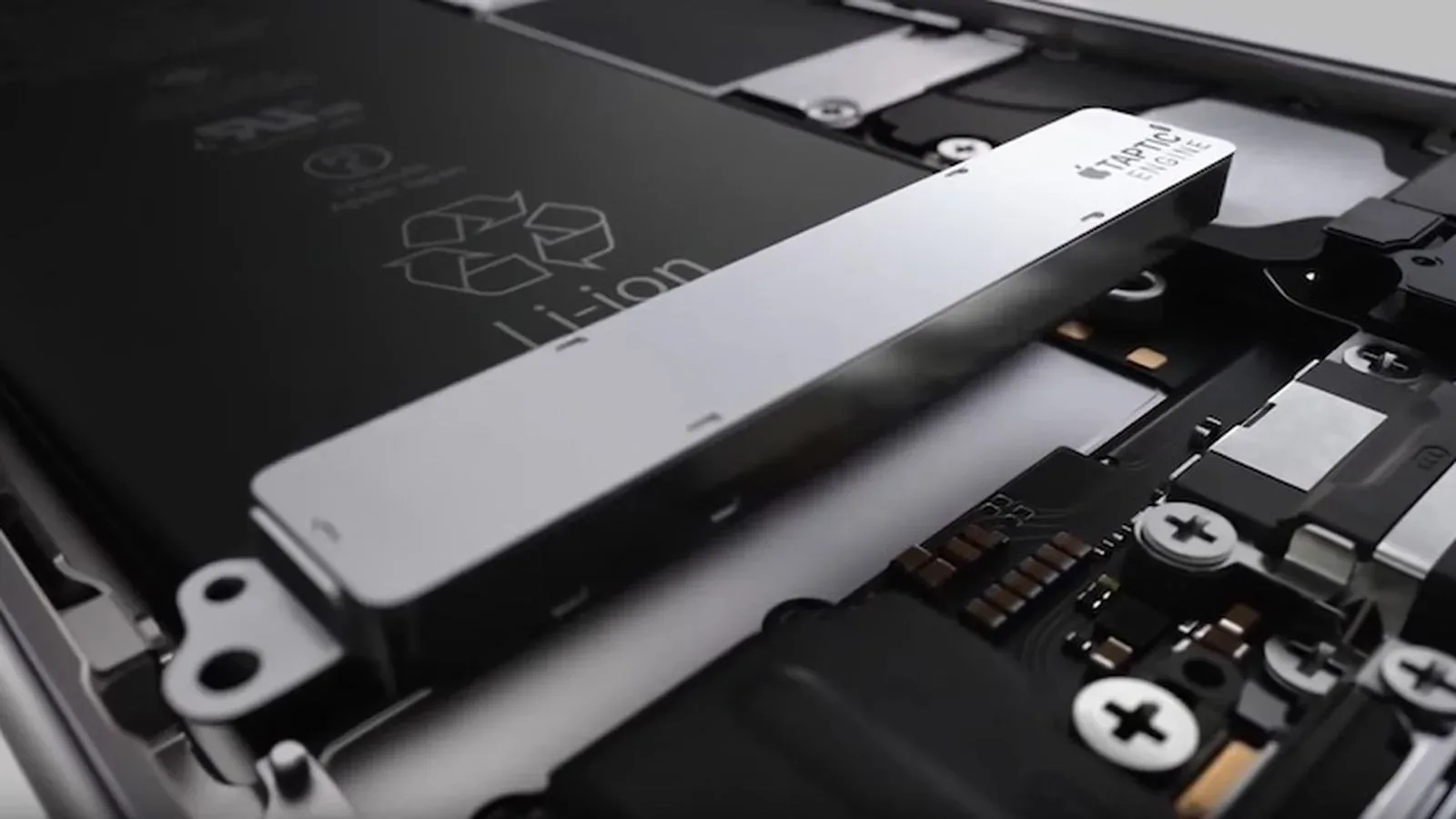
Apple’s legal exposure from a $5.7 billion patent verdict may not end with the number a jury returned in September. Taction Technology is asking the federal court to add damages for a further period of iPhone and Apple Watch sales, apply interest to the award, and set an ongoing royalty arrangement for devices that use the disputed haptic technology.
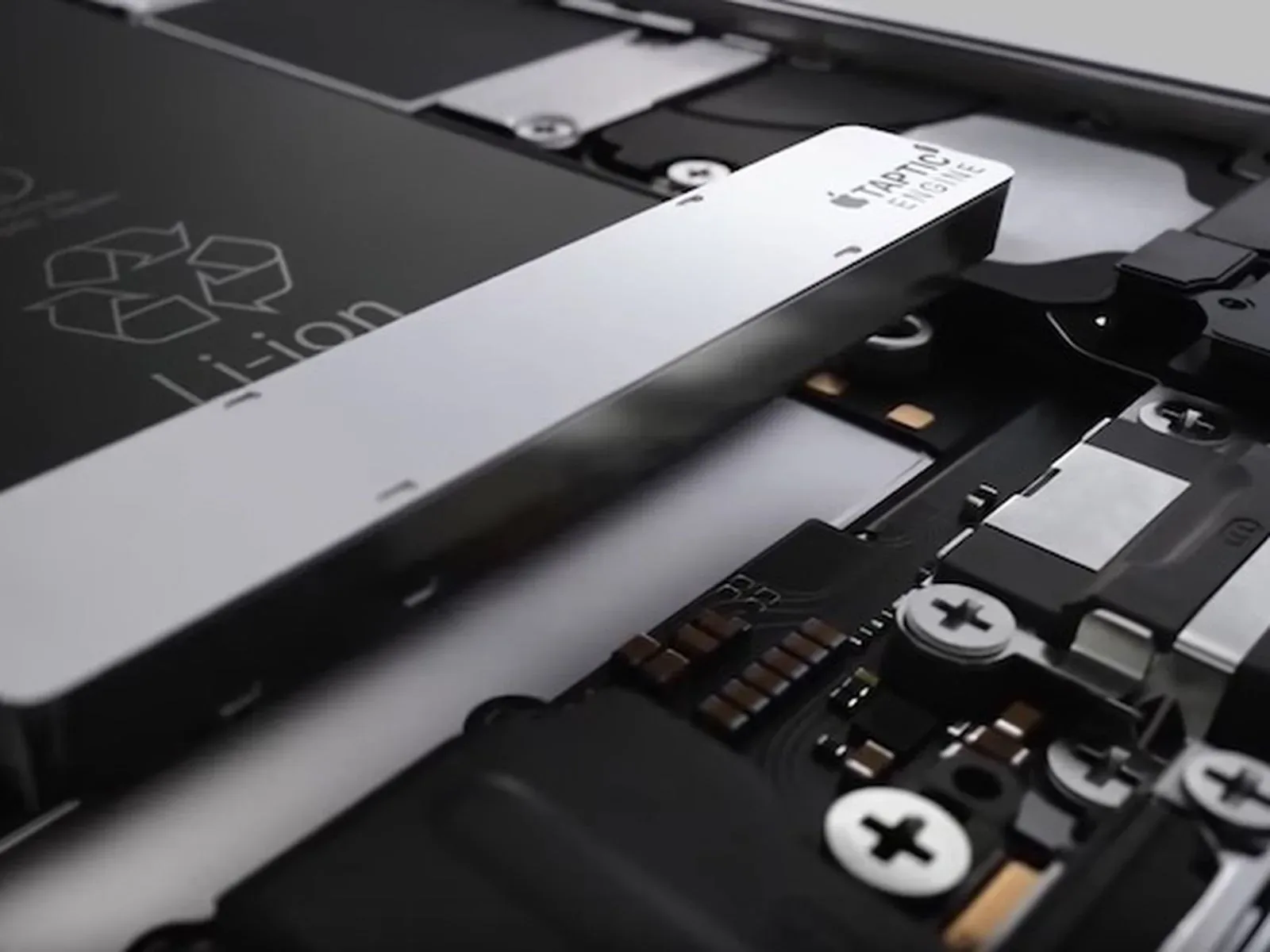
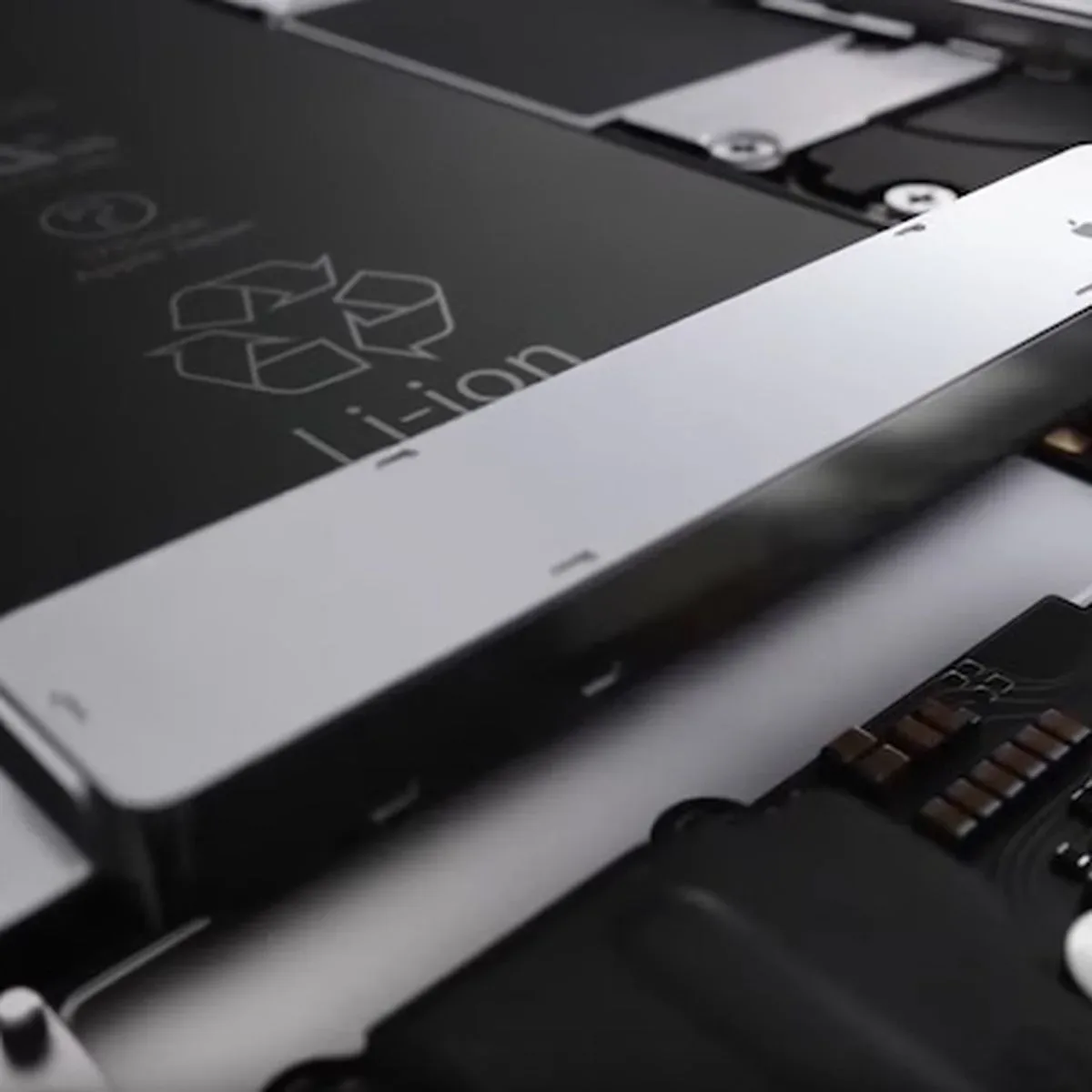
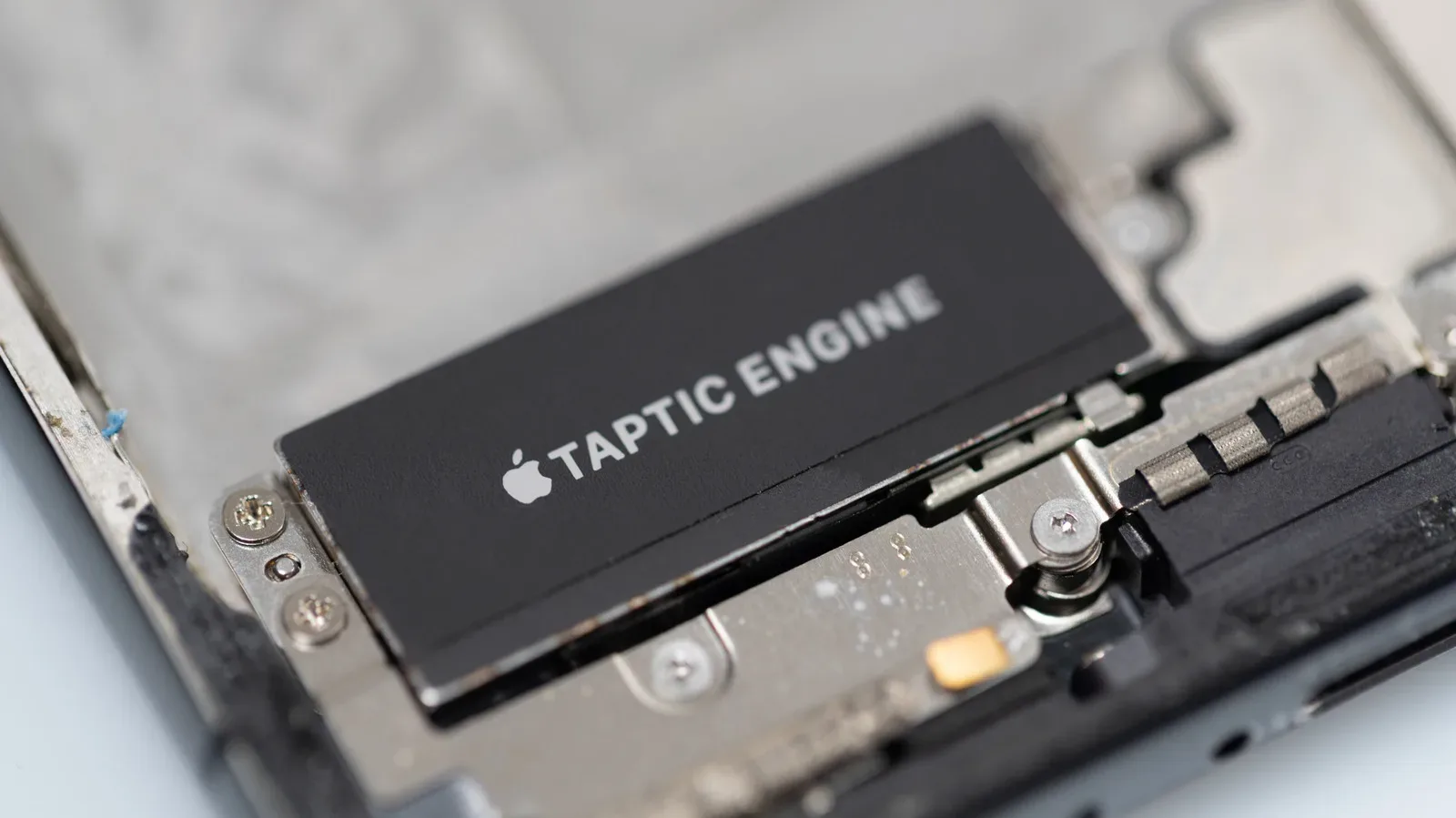
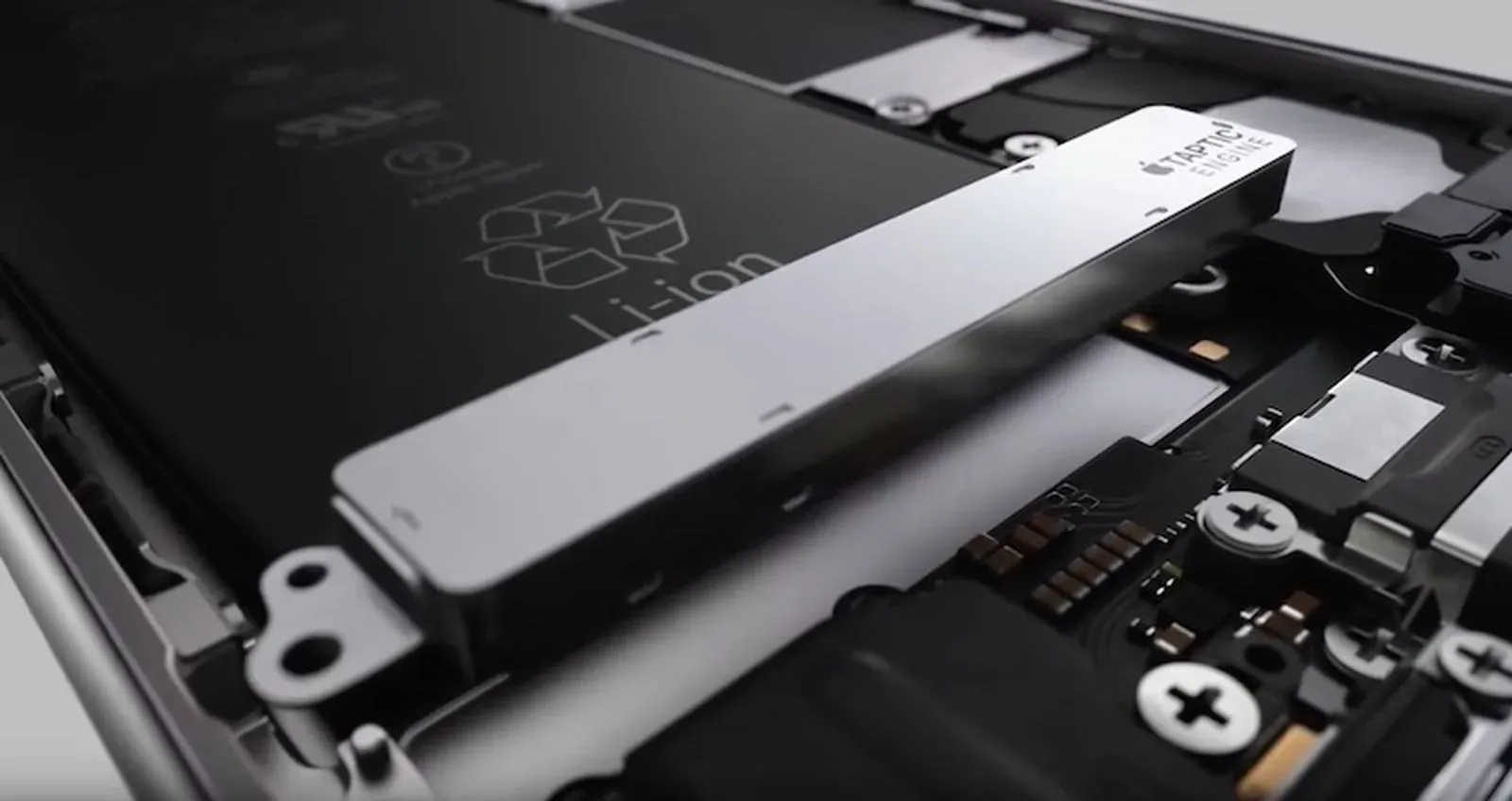
The underlying dispute concerns Apple’s Taptic Engine, the hardware associated with the taps and vibrations that provide physical feedback in supported devices. A jury found that the technology infringed two Taction patents. Apple contests that finding, maintains its technology is fundamentally different from Taction’s, and is pursuing efforts to overturn the verdict or obtain a new trial. It has also said it will appeal.
That means the headline $5.7 billion figure is not necessarily the final amount Apple would owe, nor is it necessarily a payment that will stand. The immediate fight is now partly about the period covered by the jury’s calculation, the financial cost of time before payment, and whether any remedy should apply to later devices and sales.
What Taction is asking the court to add
Taction says the jury’s $5.7 billion award covered sales from 2021 through late March 2026. Its latest request seeks compensation for roughly six additional months of sales that were not included in that initial damages period.
This distinction matters because damages awards are generally tied to a defined set of sales. Once a trial record establishes a cutoff date, sales made after that point may require a separate calculation rather than being silently absorbed into the earlier number. Taction’s request is, in effect, an effort to extend the monetary remedy through the intervening months before final judgment.
The company is also seeking interest at an annual rate of 7%, citing California law. On an award measured in billions of dollars, even a single-digit annual rate can be consequential. Taction argues that the interest could add hundreds of millions of dollars. It further wants interest to continue accruing after the court enters final judgment and until Apple pays.
Interest in this setting is not the same thing as a fresh finding of infringement or a new damages theory. It is a proposed way to account for the passage of time between the relevant period of harm, entry of judgment and eventual payment. Whether the court adopts Taction’s requested rate and timing remains for the judge to decide.
Why future royalties are the major unresolved issue
Beyond additional past damages and interest, Taction wants continuing royalties on future sales of devices using the contested technology until the patents expire on September 24, 2035.
A royalty is a payment linked to the use or sale of technology covered by a patent. In the arrangement Taction proposes, Apple would report U.S. sales quarterly and make payment within 30 days after the end of each quarter. The request would turn the dispute from a retrospective calculation over prior sales into a forward-looking obligation, assuming the court grants that relief and the verdict survives Apple’s challenges.
The proposal is especially significant because it is framed around future iPhone and Apple Watch sales rather than only products already in the jury’s damages window. A continuing royalty does not necessarily mean that a company has agreed to a patent license; here, it is requested as a court-imposed remedy tied to the infringement finding. Apple’s challenge to that finding is therefore central to every part of the request.
For consumers, there is no supplied indication of any immediate product change, feature removal or price change. The case is a dispute over legal and financial remedies, not evidence that iPhone or Apple Watch owners will lose haptic functionality. Still, a long-running royalty dispute can matter strategically because the technology at issue is used across product sales that continue after a trial’s initial accounting period.
Newer iPhone and Apple Watch models are part of the argument
Taction argues that newer products, including the iPhone 18 Pro and Apple Watch Series 12, should be included because the relevant technology has not changed enough to fall outside the patent claims.
That is a key point of contention. A new product name alone does not settle whether a remedy reaches it. The question advanced by Taction is whether the relevant implementation is materially different from the technology the jury found infringing. Its position is that it is not different enough.
To support that argument, Taction has pointed to Apple’s prior litigation involving Samsung, where Apple argued that royalties should reach newer products using essentially the same infringing technology. The reference is part of Taction’s legal argument; it does not itself decide whether the court will treat the newer Apple devices as covered in this case.
Apple, meanwhile, says the Taptic Engine is fundamentally different from Taction’s technology. That defense reaches the core issue, not just the accounting. If Apple succeeds in setting aside the verdict or securing a new trial, the requests for additional damages, interest and future royalties could be reshaped or fall away. If the infringement verdict remains intact, the court must still determine the appropriate scope and mechanics of any additional remedy.
Haptic feedback, explained
Haptic feedback is the physical sensation a device creates through taps, vibrations or similar responses. Instead of relying only on a visual animation or audible alert, a phone or watch can communicate an input or notification through touch.
In this dispute, the legal focus is not haptic feedback as a broad concept. Patent cases turn on the specific claims in specific patents and whether the accused technology meets those claims. That is why the parties’ disagreement is framed around the technical relationship between Apple’s Taptic Engine and Taction’s patented inventions, rather than a claim that one company owns every form of device vibration.
The $5.7 billion verdict shows how large the stakes can become when a component or system is alleged to be used across high-volume hardware sales. Yet the amount remains disputed. Apple has argued that the evidence did not support the jury’s calculation, while Taction is seeking to extend the resulting remedy beyond the sales period already assessed.
What happens next
The case now has multiple layers. First, the court must address Taction’s requests for additional compensation, interest and an ongoing royalty structure. Second, Apple is seeking post-trial relief, including having the verdict overturned or obtaining a new trial. Third, Apple has indicated it will appeal.
Those paths can overlap, but they answer different questions. A request for extra damages asks what should be added for sales outside the original period. An interest request asks how the judgment should account for delayed payment. A continuing royalty request asks what should happen to qualifying sales going forward. An appeal or request for a new trial attacks the foundation of the jury’s verdict and the scale of the award.
For the moment, the practical takeaway is that the $5.7 billion verdict represents a disputed baseline rather than a settled endpoint. Taction is pursuing more money for additional sales, a 7% annual interest rate and a potential royalty system lasting until September 24, 2035. Apple is contesting the infringement finding, the damages calculation and the idea that its Taptic Engine matches Taction’s patented technology.
The case also lands amid continued attention on Apple’s wider role in mobile technology and software distribution. For related context on the company’s gaming-facing platform strategy, see Apple’s comments on premium mobile games and major PC and console franchises joining the App Store.