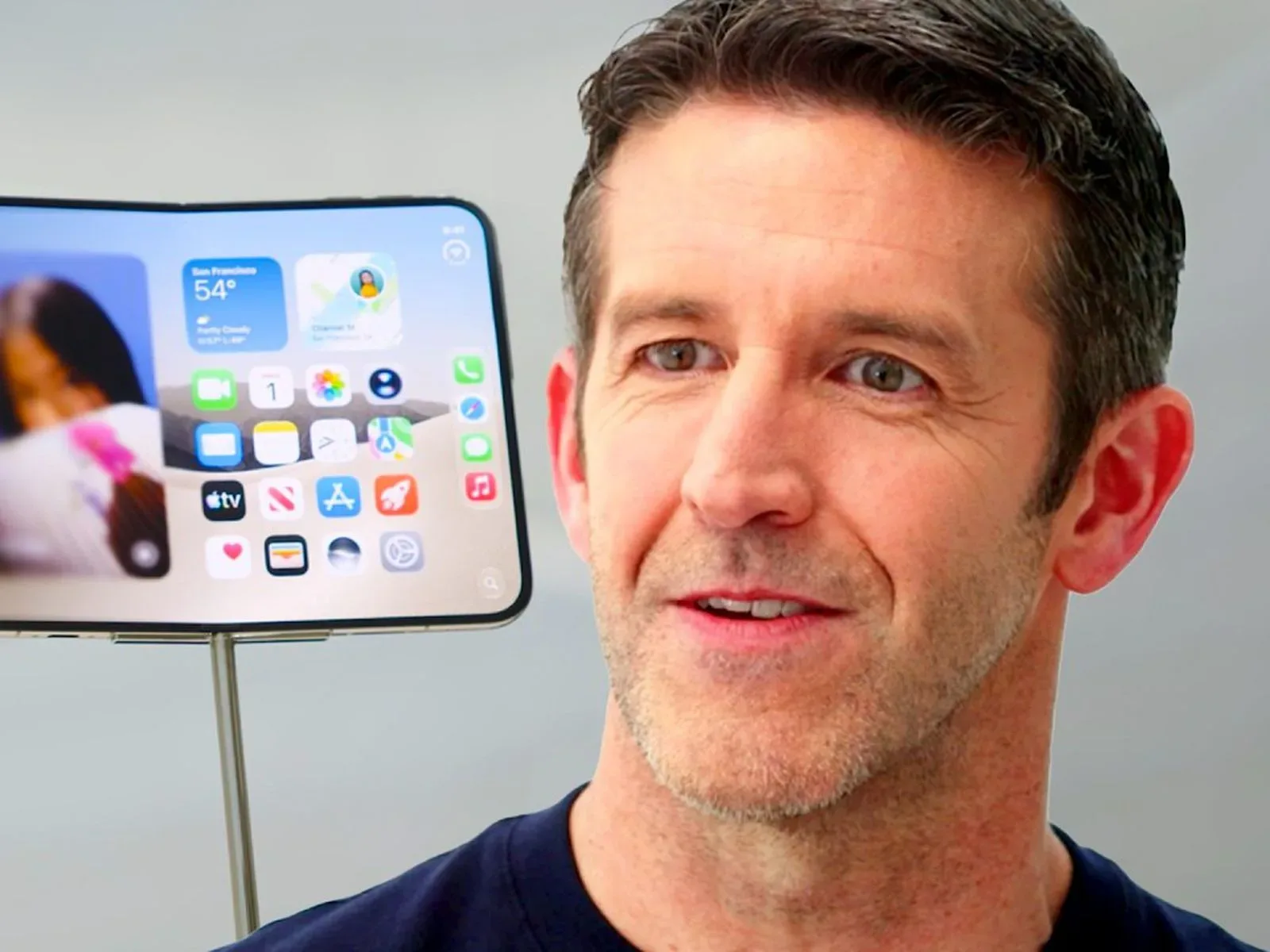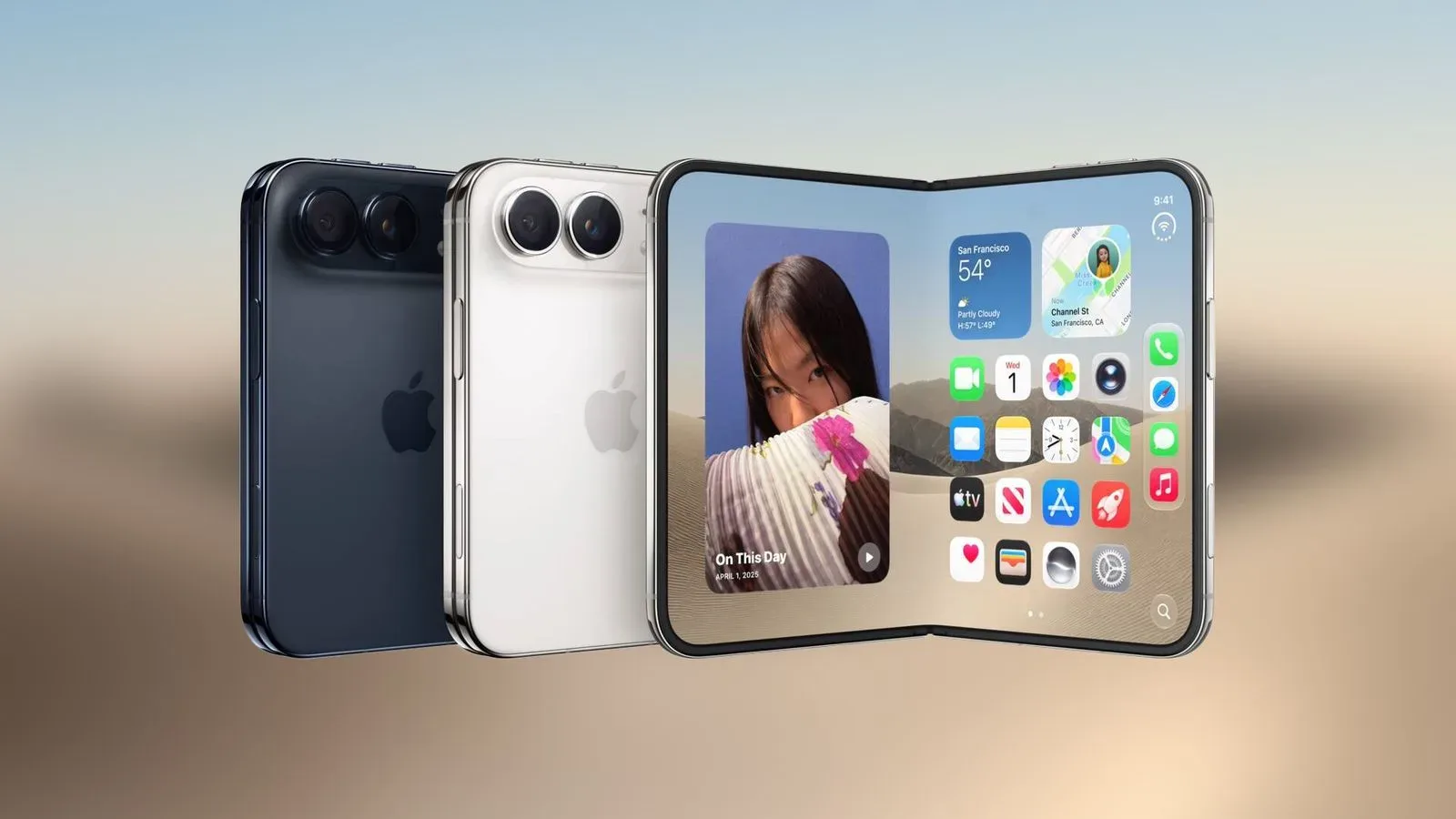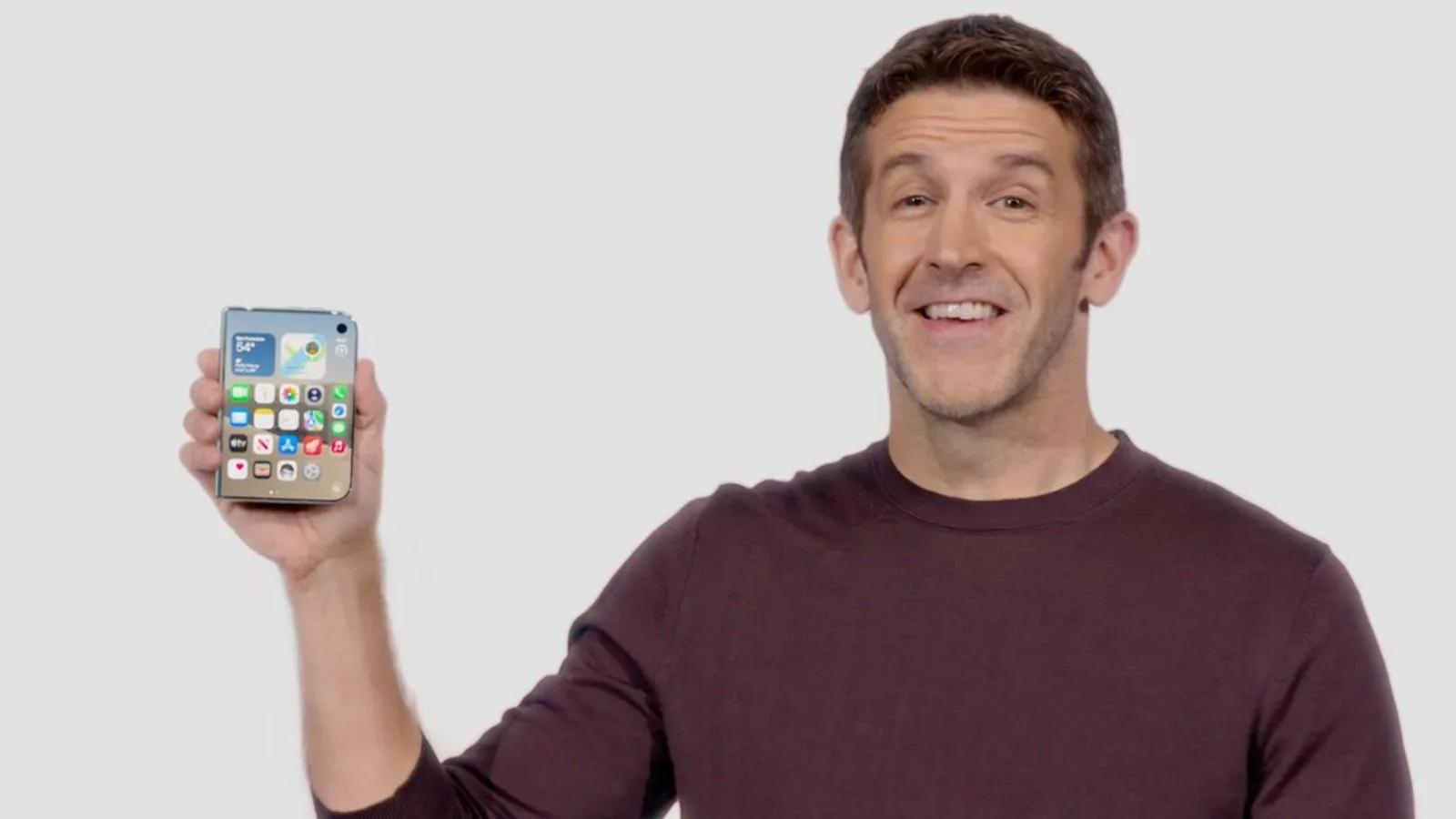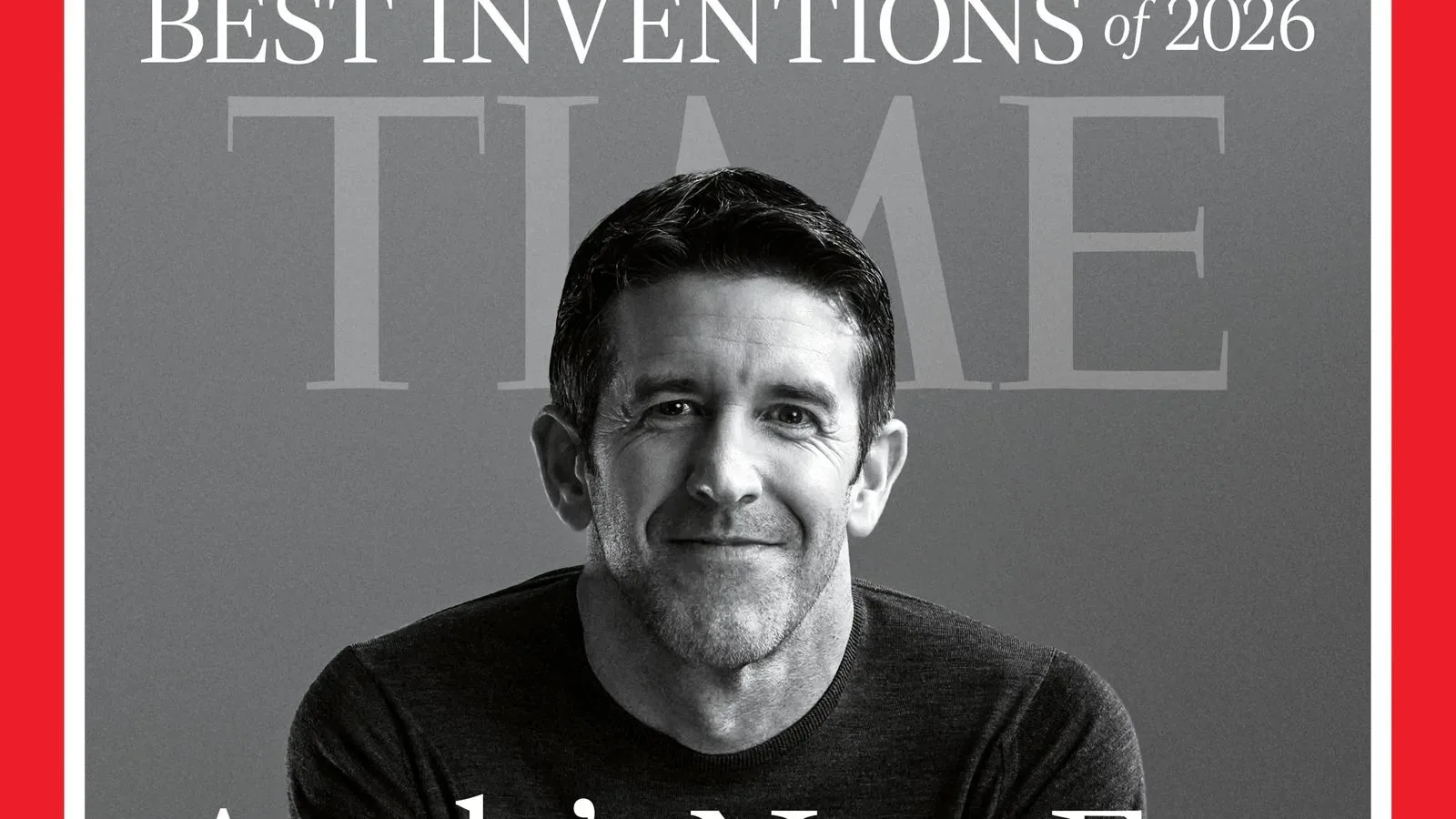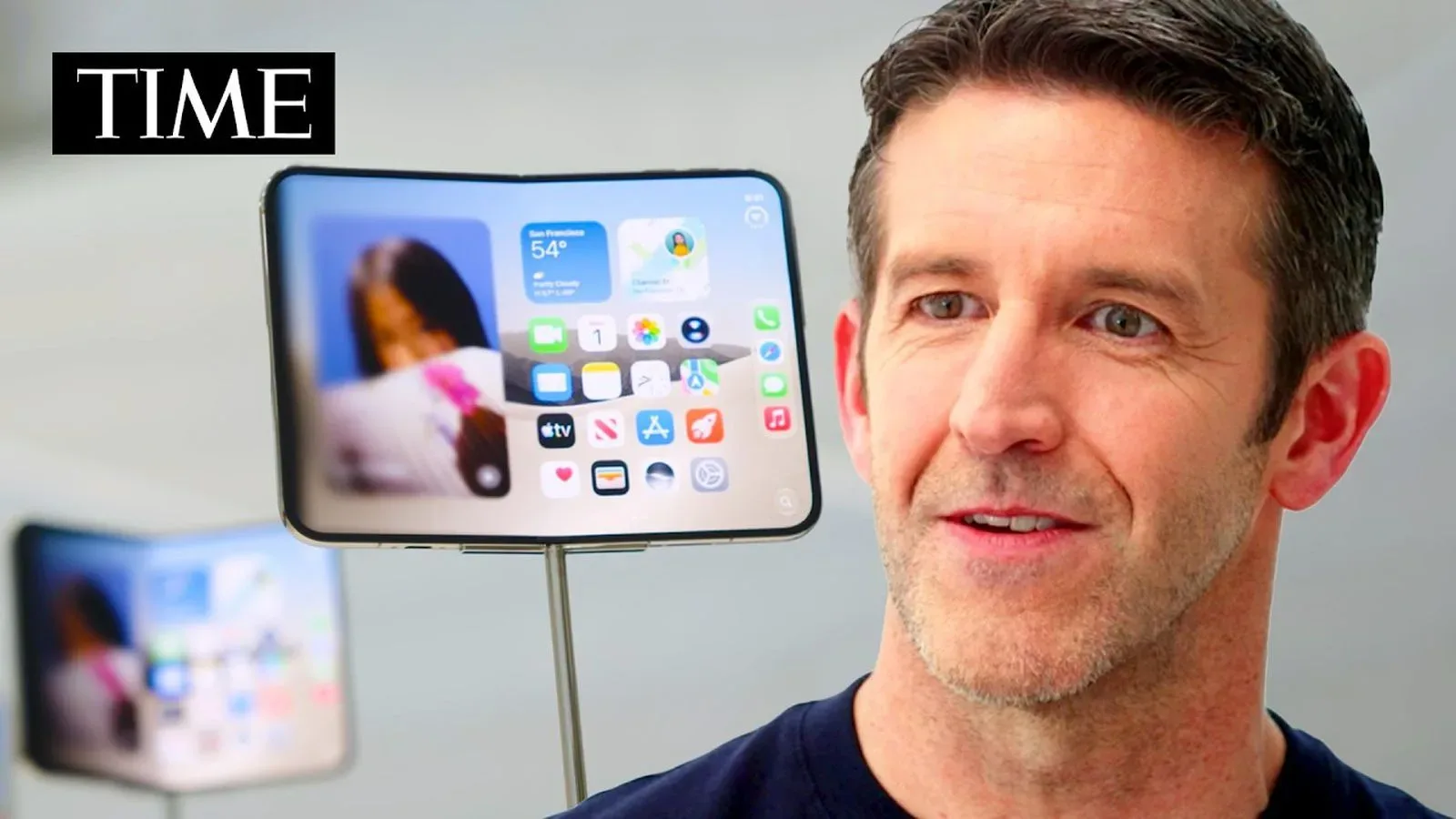
Apple CEO John Ternus has offered a compact but revealing description of what the company considers good product design: it should make the experience better for the person using the device. That sounds straightforward, but Ternus’s explanation draws a useful line between a feature that earns its place and one that exists mainly to demand attention.
In remarks accompanying a recent video interview, Ternus said Apple’s teams work together to decide what genuinely improves a product for users, excluding ideas that are frivolous or distracting. Yet the standard is not limited to narrowly practical functions. A detail can have no operational purpose and still contribute to a product if it makes the interaction feel more satisfying.
His example was the animation that plays when the iPhone Duo’s inner display opens. It does not add a capability, speed up a task, or change what the phone can do. Ternus nevertheless presented it as a valid design choice because delight can be part of the overall experience. “Sometimes you just want a little whimsy,” he said.
For consumer technology, that distinction matters. Products are not experienced as a checklist of specifications; they are handled, viewed and navigated many times a day. A small motion, transition or visual cue can affect whether a repeated action feels coherent, abrupt, pleasant or irritating. Ternus’s comments suggest Apple sees those moments as worth considering, provided they support the experience rather than compete with it.
Design, in this view, is not just appearance
The word design is often reduced to a device’s exterior: its materials, proportions, colors or silhouette. Ternus described something broader. His account puts software and hardware designers alongside engineers, with each group expected to understand the other’s discipline.
“I’m a mechanical engineer by background, and the team that the product designers work most closely with are the industrial designers,” Ternus said. “Our designers, both on the software side and the hardware side, they really understand the engineering. And the engineers have a very deep appreciation for design. And so it’s a really powerful collaboration.”
Industrial design refers to the work of shaping the physical product people hold and use. In a phone, that can include the form of the hardware and how physical components accommodate everyday handling. Mechanical engineering, Ternus’s own background, concerns the physical systems and constraints that make a product workable. Neither field stands apart from software design when the finished experience depends on screens, controls, motion and hardware behavior all operating together.
Ternus’s point is less about assigning one team credit than about the working relationship. A software idea may need particular hardware to make sense. Conversely, a new hardware form can create a reason to explore software interactions that would not have suited an earlier device. The iPhone Duo is the case he highlighted: its different form factor gave Apple’s teams an opening to investigate ideas enabled by the new hardware.
That is a particularly relevant framework for products with more than one display. The inner screen and outer screen can serve different purposes, so the question is not simply whether a feature is possible. It is whether the feature fits the moment, the screen and the user’s immediate need.
Kids Cue illustrates a hardware-specific use case
Ternus also discussed Kids Cue, a feature that places Peanuts characters, including Snoopy, on the iPhone Duo’s outer screen to attract a child’s attention toward the camera while a photo is taken. The practical purpose is clear: the display becomes a visual aid for framing a photo of a child who may not naturally look at the lens.
It is also an example of what design can mean beyond visual polish. The characters are playful, but the playfulness serves an identifiable task. Rather than presenting an extra screen merely as more space for information, Kids Cue uses that screen in relation to a real-world situation: someone behind the phone wants a child in front of it to look in the right direction.
The feature also clarifies the difference between Ternus’s two categories. The iPhone Duo opening animation is admitted to be nonfunctional, justified as a moment of enjoyment. Kids Cue is a more direct utility feature, although it uses a friendly visual approach to do its job. Both can be consistent with an experience-led philosophy, but they make their case differently.
That does not mean every decorative touch is automatically useful. Ternus’s stated test is whether it makes the product better for its users. In practice, that leaves room for judgment. A feature can be technically impressive and still feel distracting; an animation can be stylish but unpleasant if it slows an action down or gets in the way. His remarks frame design as a process of making those trade-offs, not as an argument that more visual flourish is always preferable.
AI should be felt, not necessarily announced
The same principle shapes Ternus’s description of Apple’s artificial-intelligence ambitions. He said AI opens opportunities to improve current products and create new ones, but people should be able to value a feature without having to understand that AI is powering it.
That is an important distinction between a technology and a user-facing benefit. AI, in this context, is not being described as the product experience by itself. It is an underlying capability that may enable something useful. The person using the device should be able to recognize the result—such as a more personalized experience—without needing to identify the technical machinery responsible for it.
Ternus specifically pointed to personalized experiences supported by access to information on the user’s phone. The remarks identify a direction, not a detailed list of features or a promise of particular behavior. Still, they establish the intended design standard: the technology should fade into the background of a comprehensible, useful interaction rather than become an obstacle users must learn to work around.
There is a practical implication here for how people evaluate AI features. The label alone does not tell a buyer whether a function helps. A stronger question is whether the feature makes a task easier, more relevant or more natural without introducing confusion. Ternus’s formulation effectively shifts the focus away from technical branding and toward the visible result.
It also aligns with his broader comments about avoiding distraction. If users need to understand an elaborate system before they can benefit from it, the implementation may be asking too much of them. A successful feature, under this model, is one whose value can be experienced directly.
A new CEO’s emphasis on the process
Ternus became Apple CEO in September, and his comments arrive after reports that he has made product design a major priority, including visiting the company’s design studio several times each week. His mechanical-engineering background and longstanding work alongside industrial designers give the emphasis added context, but he did not present it as a break from the company’s existing approach.
Instead, he emphasized continuity in how teams work together. New technologies will change the opportunities available in products, he said, but the way the company works is what he wants to preserve.
“The opportunities in the products, that stuff will change. It’ll evolve as it does as new technologies come, but the way we work, I don’t want that to change,” Ternus said.
That statement is necessarily broad, but it is meaningful alongside the examples he chose. The opening animation, Kids Cue and personalized AI experiences all involve different technologies and different degrees of utility. What ties them together is the claim that teams should judge each one through the lived experience of using the device.
For people watching Apple’s next product decisions, the remarks are not a roadmap of unreleased hardware or software. They are a clearer statement of the criteria Ternus says should guide those decisions: practical improvements where they matter, playful touches where they enrich the moment, and technology that does not force itself into the foreground.
The iPhone Duo remains central to the examples because its inner and outer displays create new interaction possibilities. One previously reported usability addition is Reachability for the iPhone Duo, aimed at making tall interfaces easier to manage one-handed. Taken with Ternus’s comments, it illustrates the two ends of the same design conversation: solving a physical usability problem while also deciding how a device should feel during ordinary interactions.
Ternus’s interview also addressed updated parental controls, his move into the CEO role and his interest in motor racing. But the design discussion supplies the most direct indication of how he wants product choices to be evaluated. Good design, in his telling, is neither decoration for its own sake nor engineering pursued in isolation. It is the collaboration required to make a device more useful, more understandable and, occasionally, a bit more enjoyable to open.