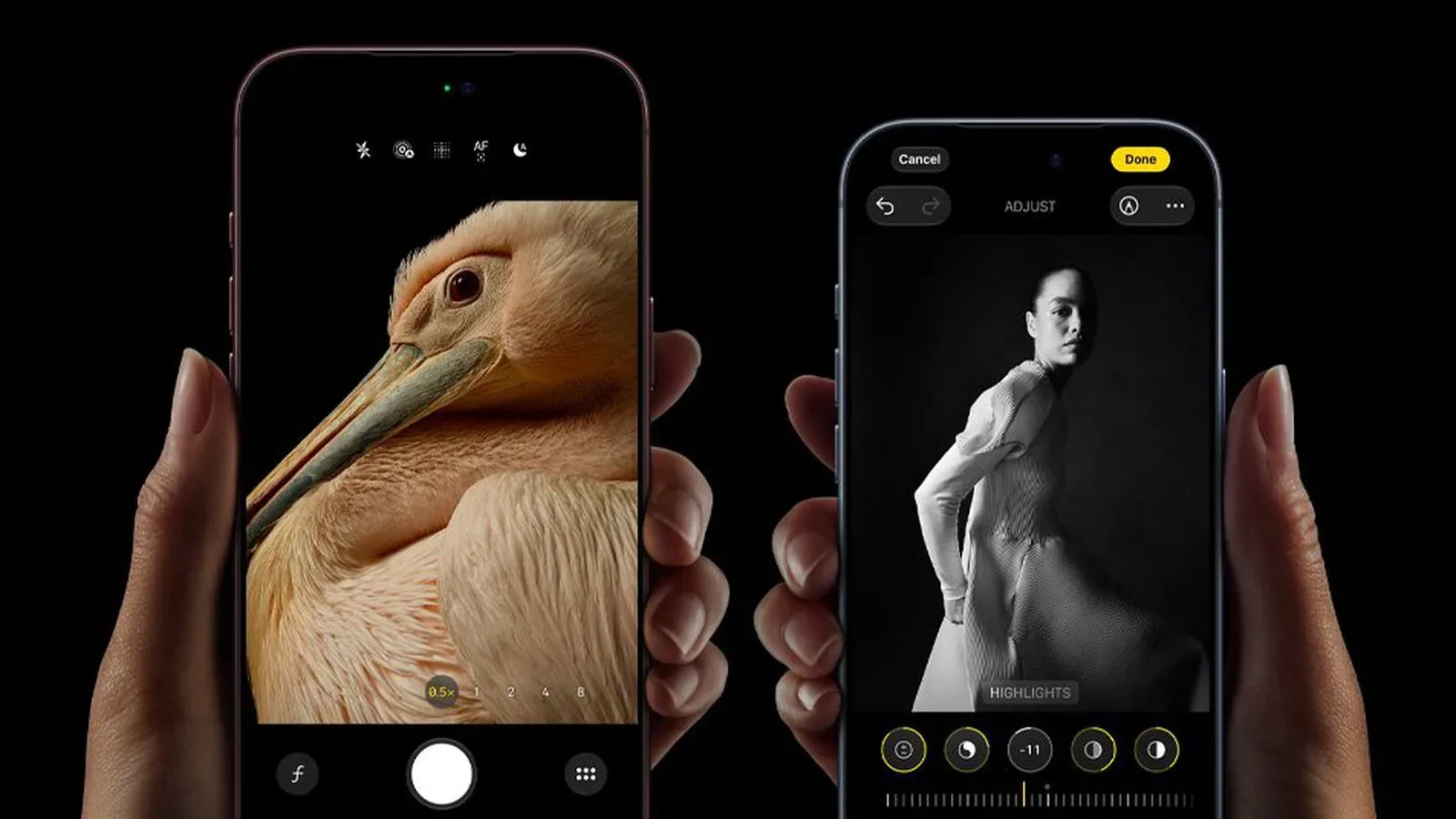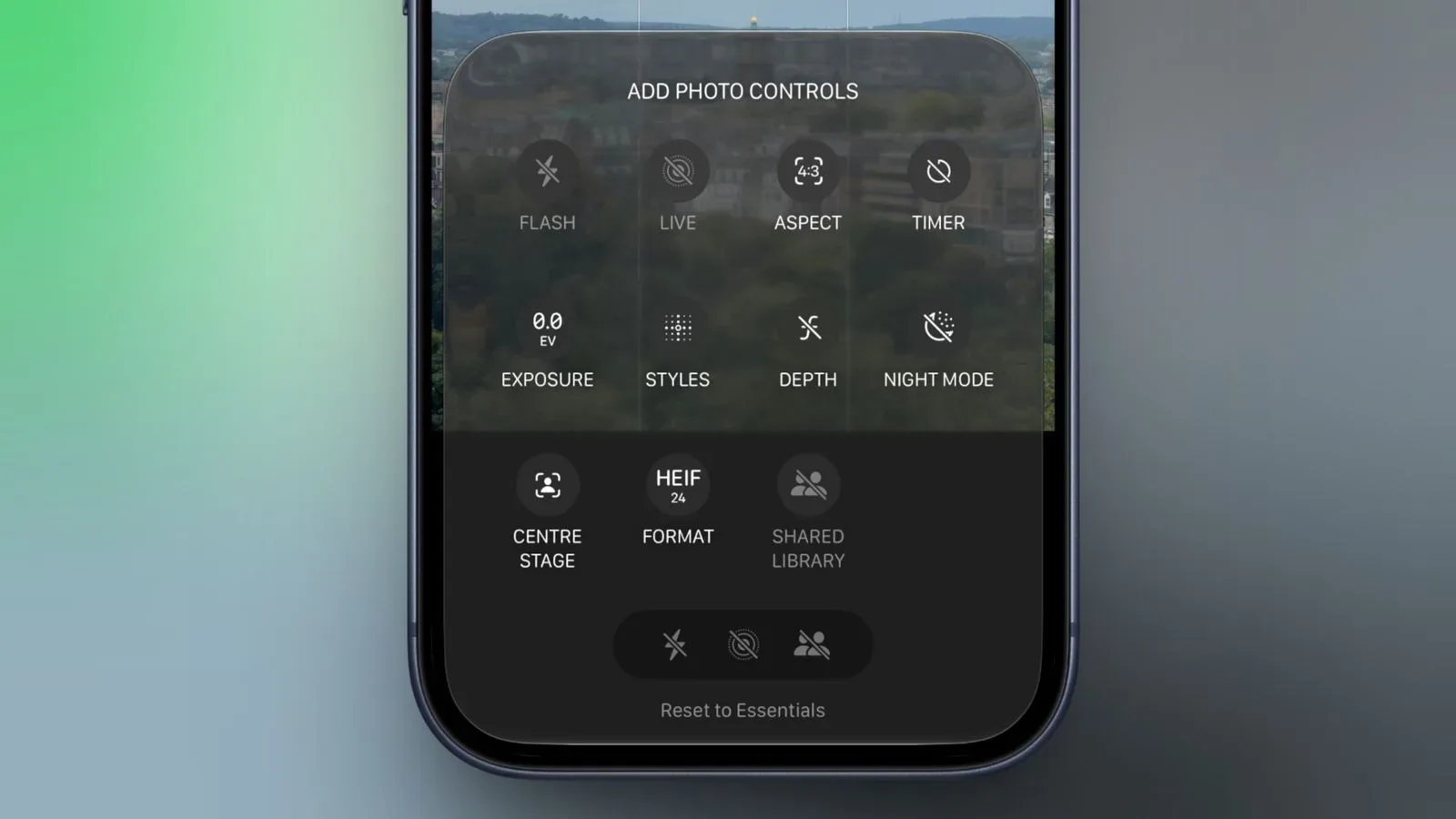
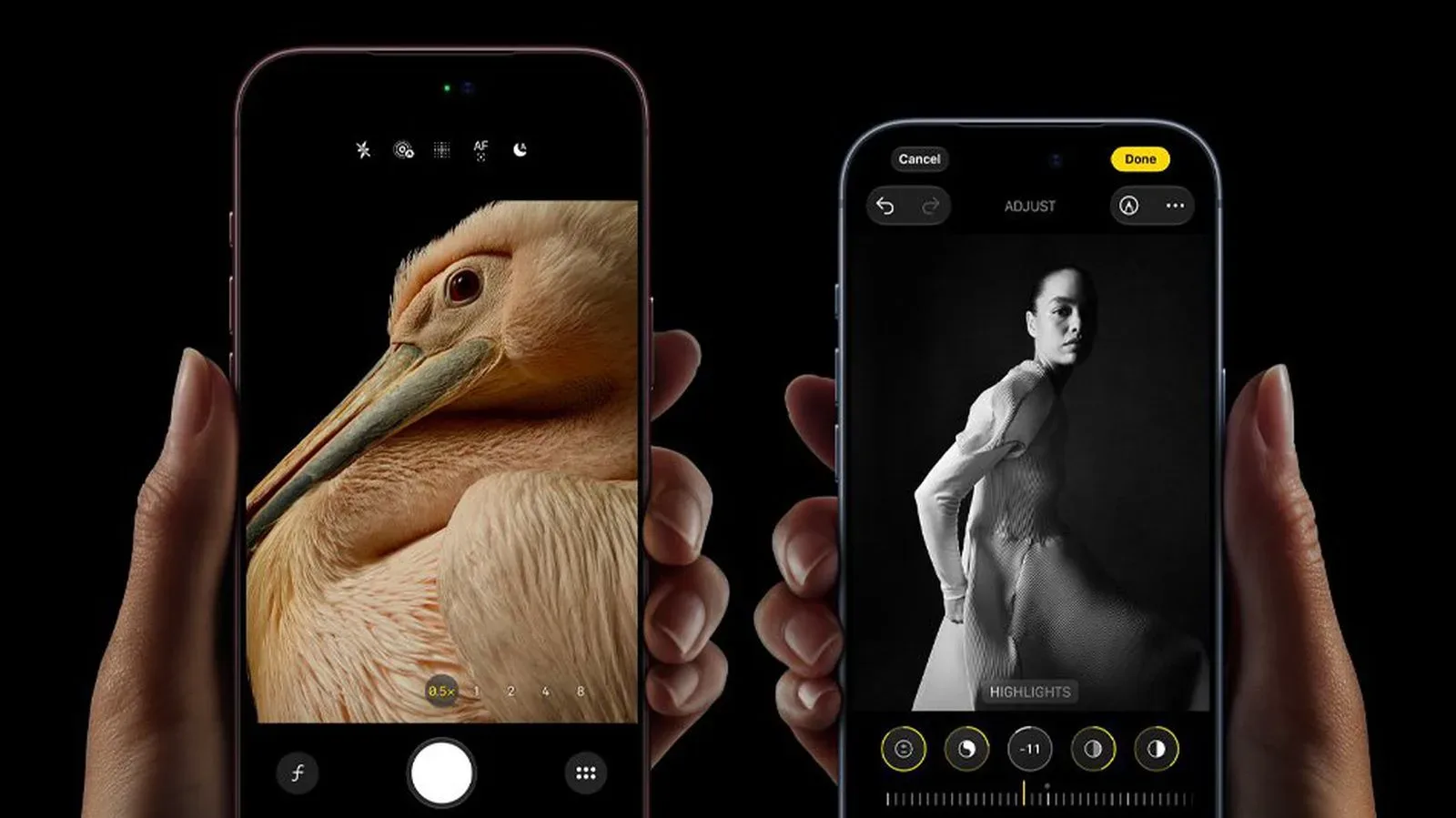
Apple vice president of camera and photo software engineering Jon McCormack reportedly retired at the end of October, closing a tenure of more than eight years at the company. McCormack’s remit reportedly included oversight of the iPhone’s Camera and Photos apps, along with the underlying technologies that support them.
That makes this a meaningful leadership change inside one of the iPhone’s most visible software areas. The Camera app is where a user frames, captures and records material; Photos is where that material is viewed and managed afterward. The underlying technology layer matters because it is the less visible connective work that helps those apps function as a coherent experience rather than as isolated screens.
Why the role matters
Camera software is an unusually prominent part of a modern phone experience. A user may encounter it in a split second: opening the Camera app, taking an image, then moving into Photos to find it again. When those basics work smoothly, the engineering behind them can become almost invisible. When they do not, people notice immediately.
McCormack’s reported responsibilities spanned both ends of that journey. On one side is the capture experience in Camera; on the other is the library and viewing experience in Photos. The report also places the technologies beneath those apps within his oversight, suggesting a role that extended beyond surface-level interface decisions.
It is important not to turn that scope into a claim that one executive individually created every camera feature or behavior. Products of this scale are made by teams, and the available report does not identify a successor, a restructuring, or any particular change planned for either app. What it does establish is that a senior leader connected to these core iPhone software areas has departed.
Camera, Photos and the software underneath
The terms in McCormack’s title are useful because they distinguish several related, but not identical, responsibilities.
- Camera app: the application users open to take pictures and record video.
- Photos app: the application used to access and work with captured images and video after they have been saved.
- Camera and photo software engineering: the engineering discipline supporting the applications and the technologies on which their operation depends.
In everyday use, these pieces form a sequence. A picture is taken in Camera, then it becomes something a person expects to locate in Photos. That direct connection is why leadership covering both areas is notable: capture is not the end of the experience. Finding, viewing and handling the resulting media are part of the same broader product promise.
The mention of underlying technologies also deserves emphasis. Users generally judge an app by what they can see and do, but the visible interface depends on technical systems operating below it. In this case, the report does not provide a feature list or detail the specific technologies McCormack managed. It would therefore be speculation to attribute particular functions, releases or design decisions to him. Still, the language makes clear that his oversight was not limited solely to the two app icons a user taps.
What is known—and what remains unclear
The reported facts are comparatively narrow: McCormack retired at the end of October, he had been at Apple for more than eight years, and he oversaw the Camera and Photos apps and their underlying technologies.
There is no supplied information on who will lead the organization next, whether duties have already been redistributed, or whether the retirement will affect product plans. There is also no indication of a problem with existing software, an immediate change for iPhone owners, or a timetable for any transition beyond the reported retirement date.
For readers following Apple more broadly, this is a personnel story rather than a product announcement. It may be tempting to treat every senior departure as a preview of imminent changes, especially in an area as closely watched as the iPhone camera. The available information does not support that leap. The practical takeaway is simply that a veteran executive whose responsibilities touched a central iPhone experience has retired.
What iPhone users should take from it
There is nothing here that requires action from iPhone owners. No update, workaround, new capability or compatibility issue has been identified. The immediate impact is organizational: a leadership role connected to Camera and Photos will need to be carried forward by Apple’s remaining or future leadership structure.
Longer term, continuity will be the central question, not because the report identifies a specific concern, but because Camera and Photos are foundational apps used in tandem by many iPhone owners. Maintaining a consistent experience across capture and the media library is inherently important to the product. That is an analytical observation about the scope of the role, not evidence that any disruption is expected.
The story also illustrates why executive changes can matter even when they are not accompanied by consumer-facing news. A software leader’s work may be embedded in planning, engineering coordination and technical decision-making that users only encounter indirectly. Retirement does not automatically mean an interruption; established teams and systems remain. But it does mark the end of one senior executive’s chapter in an especially recognizable part of Apple’s software portfolio.
Apple remains relevant to the site’s wider industry coverage beyond phones, including its expanding media footprint. For a separate look at that side of the company, see Apple TV’s planned exclusive U.S. streaming of F1 Academy races and qualifying.
A notable departure, without a confirmed roadmap change
McCormack’s reported retirement is notable because of the responsibilities attached to his position, not because a new iPhone camera feature or Photos redesign has been confirmed. He reportedly spent more than eight years at Apple and oversaw software that sits at the center of taking and revisiting photos on the iPhone.
Until Apple identifies a successor or outlines any organizational or product changes, the most accurate reading is appropriately limited: a senior camera and photo software engineering executive has retired, while the public status of the team’s next leadership arrangement and future plans remains unknown.