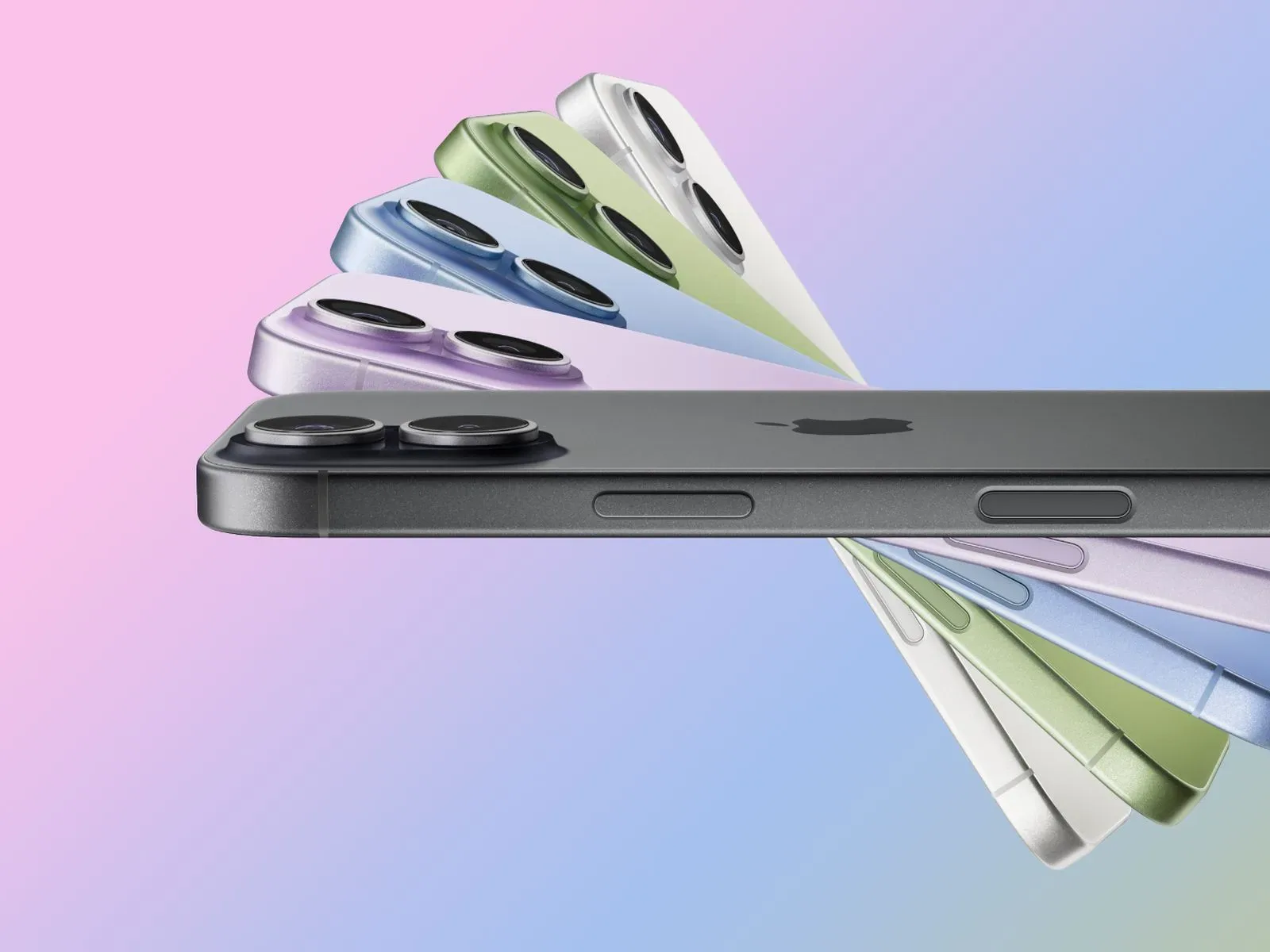
Apple’s newest iPhone announcements came with a quieter bit of sticker shock elsewhere in the lineup. As the iPhone 18 Pro and iPhone 18 Pro Max enter the picture, the company has raised the starting price of four continuing handsets by $100 each: the iPhone 16, iPhone 17e, iPhone 17, and iPhone Air.
The change reshapes the price ladder for anyone weighing an upgrade, a replacement device, or simply a fresh portable screen for games, cloud streaming, captures, social apps, and the usual daily pile of digital errands. It also means that “wait until the new phones arrive and last year’s models get cheaper” is not the automatic consumer script it once seemed to be.
The revised iPhone starting prices
Apple’s online store now shows these starting prices for the existing models:
- iPhone 16: $799, up $100
- iPhone 17e: $699, up $100
- iPhone 17: $899, up $100
- iPhone Air: $1,099, up $100
Every one of those four phones moved by the same amount. The iPhone 17e remains the least expensive current option at $699, while the iPhone Air now starts at $1,099. The iPhone 16, despite being an older model than the 17-series devices, starts at $799 under the updated pricing.
Meanwhile, Apple has discontinued the iPhone 17 Pro and iPhone 17 Pro Max with the arrival of the iPhone 18 Pro family. That is a familiar product-line transition in one sense: Pro models generally make way for their direct successors. What stands out here is the price adjustment for models that remain on sale rather than a simple shift in which phones occupy each rung.
A lineup reset, not a routine markdown
New flagship launches often encourage bargain hunters to scan the continuing range for a lower point of entry. This time, the continuing devices have all moved in the opposite direction. For a buyer who had been considering the iPhone 16, the iPhone 17e, the iPhone 17, or the iPhone Air before the iPhone 18 Pro launch, the comparable starting configuration is now $100 more than it was.
That does not, by itself, answer which phone makes the most sense for a particular person. Storage needs, carrier arrangements, trade-ins, regional pricing, and individual feature priorities can all change the math. But the published entry prices are unambiguous: the current non-Pro and older-model options named above are no longer positioned where they were before this launch.
For gaming-minded shoppers, a phone purchase has become less isolated from the broader hardware budget, too. A handset can double as a portable display for remote play, a home for mobile games, a controller companion, an emulation-adjacent library manager where permitted, and a camera for documenting a collection. An extra $100 at the device level is therefore not merely a spec-sheet footnote; it can compete with money reserved for a controller, headphones, a subscription, storage, or an entirely separate game purchase.
Memory and storage pressure sit behind the increase
The price move follows comments from Apple CEO Tim Cook in late June about the rising cost of memory and storage chips. Cook said Apple could no longer absorb those increased component costs, describing price increases as unavoidable.
Memory and storage chips are in heavy demand from AI-focused and “neocloud” companies building data centers. The large-scale construction of AI infrastructure has placed further pressure on semiconductor supplies, while debate continues over whether the enormous investment in that buildout will be matched by long-term demand. For now, the immediate effect described is one of constrained supply across the chip industry.
Cook characterized the memory situation as unusually severe, comparing it to a hundred-year flood and saying he had not seen anything like it across more than four decades. That framing matters because it presents the new iPhone prices less as an isolated adjustment to a single model and more as a response to a component market under exceptional strain.
The same chip-market forces are relevant beyond phones. Modern game systems, PCs, handhelds, data centers, and many accessories rely on interconnected semiconductor supply chains. That does not mean every device will receive the same price change, or that one company’s decision predicts another’s. It does mean that memory and storage are not invisible background parts when the industry is fighting over capacity. They can become central to what hardware costs and how manufacturers choose to position product lines.
Why the AI buildout matters to everyday hardware buyers
The AI conversation is often framed around software features, assistants, image tools, or giant server farms. The iPhone adjustment is a reminder that the physical layer matters just as much. Data centers require huge quantities of hardware, and the competition for chips can filter outward to consumer products that use memory and storage in far smaller individual quantities but sell in immense volume.
For consumers, this makes the usual launch-day question more complicated. It is no longer only “Is the new device better?” It can also be “Has the rest of the lineup been repositioned enough that the old comparison no longer applies?” A phone that was previously the budget-conscious choice may remain the lowest-priced current route, but it may do so at a new threshold.
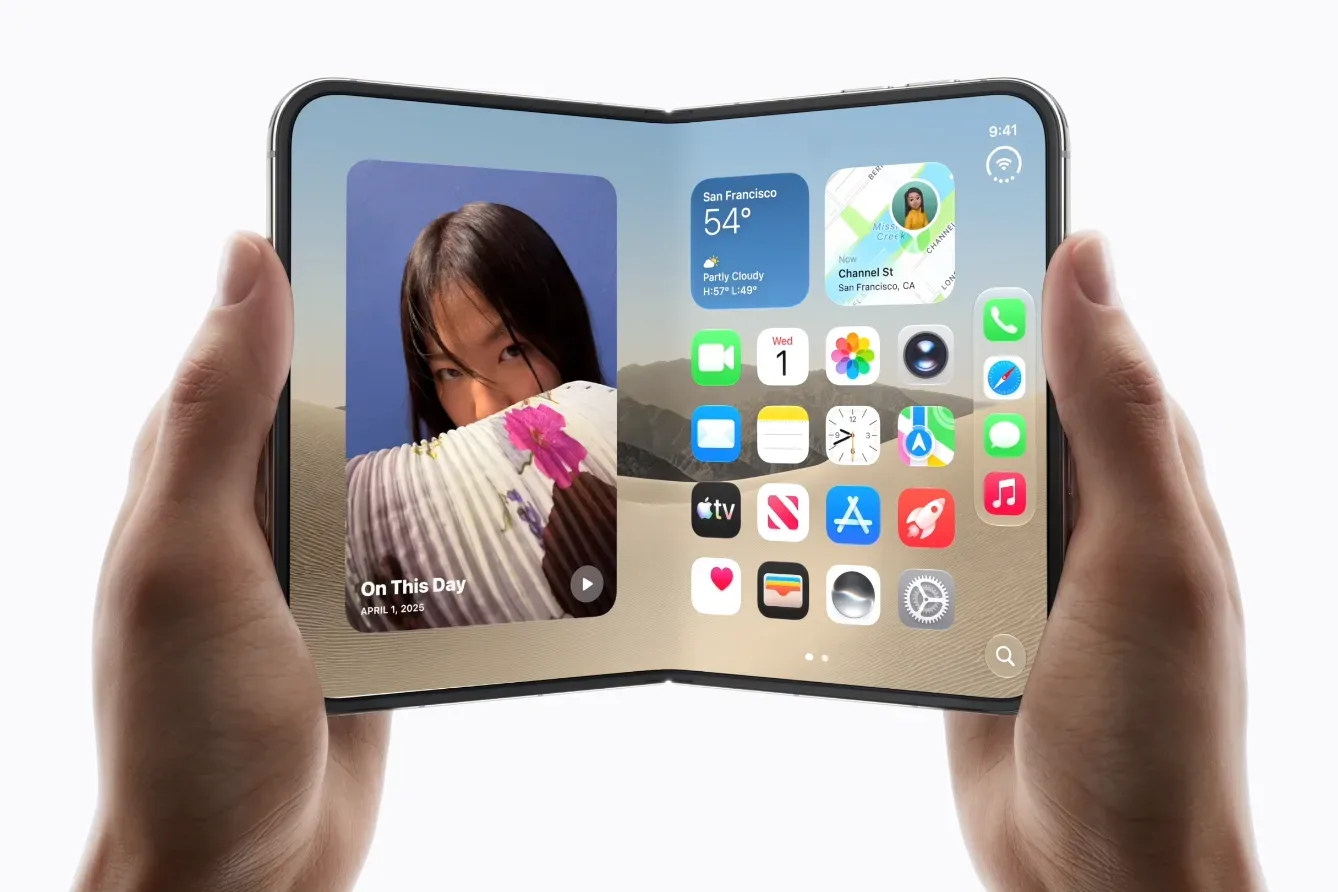
Apple’s broader September device activity also includes the foldable iPhone Duo. The handset starts at $1,999 and opens to a 7.6-inch display, as covered in our look at the iPhone Duo’s screen and starting price. Against that figure, the updated $699 starting point for the iPhone 17e may look comparatively modest. But a $100 rise remains meaningful at every level of a lineup, especially for buyers targeting the least expensive new model.
What has changed and what has not been established
The confirmed changes are the new starting prices for the four continuing phones and the discontinuation of the iPhone 17 Pro and iPhone 17 Pro Max after the introduction of the iPhone 18 Pro and iPhone 18 Pro Max. The component-cost backdrop is also clear from Cook’s remarks about memory and storage supplies.
What has not been established here is a model-by-model accounting of how much any particular component contributed to each $100 increase. It would be too simple to treat the adjustment as a one-to-one bill for a single chip category. Consumer hardware pricing reflects a wider set of decisions, including product positioning and the cost of numerous parts and operations. The available information supports the broader explanation that escalating memory and storage costs, amid AI-related demand, are exerting pressure that Apple says it can no longer fully absorb.
The timing is notable. Speculation had already circulated that the iPhone 17 range could become more expensive when the next Pro phones launched, particularly after Cook’s warning. Apple’s store update turns that possibility into a concrete retail reality for the iPhone 16, iPhone 17e, iPhone 17, and iPhone Air.
The practical takeaway for prospective buyers
Anyone comparing current iPhones should use the revised starting figures rather than relying on pre-event expectations. The iPhone 17e begins at $699, the iPhone 16 at $799, the iPhone 17 at $899, and the iPhone Air at $1,099. Each is $100 above its prior starting price.
That creates a more expensive floor for Apple’s remaining non-Pro and prior-generation options at the same moment the company refreshes the premium end with the iPhone 18 Pro models. Whether this becomes an isolated moment tied to unusual memory shortages or the beginning of a more durable hardware-price shift is unresolved. For now, the store listings provide the relevant scoreboard: four existing iPhones, four identical $100 increases, and a market where the scramble for AI infrastructure is no longer confined to data-center headlines.