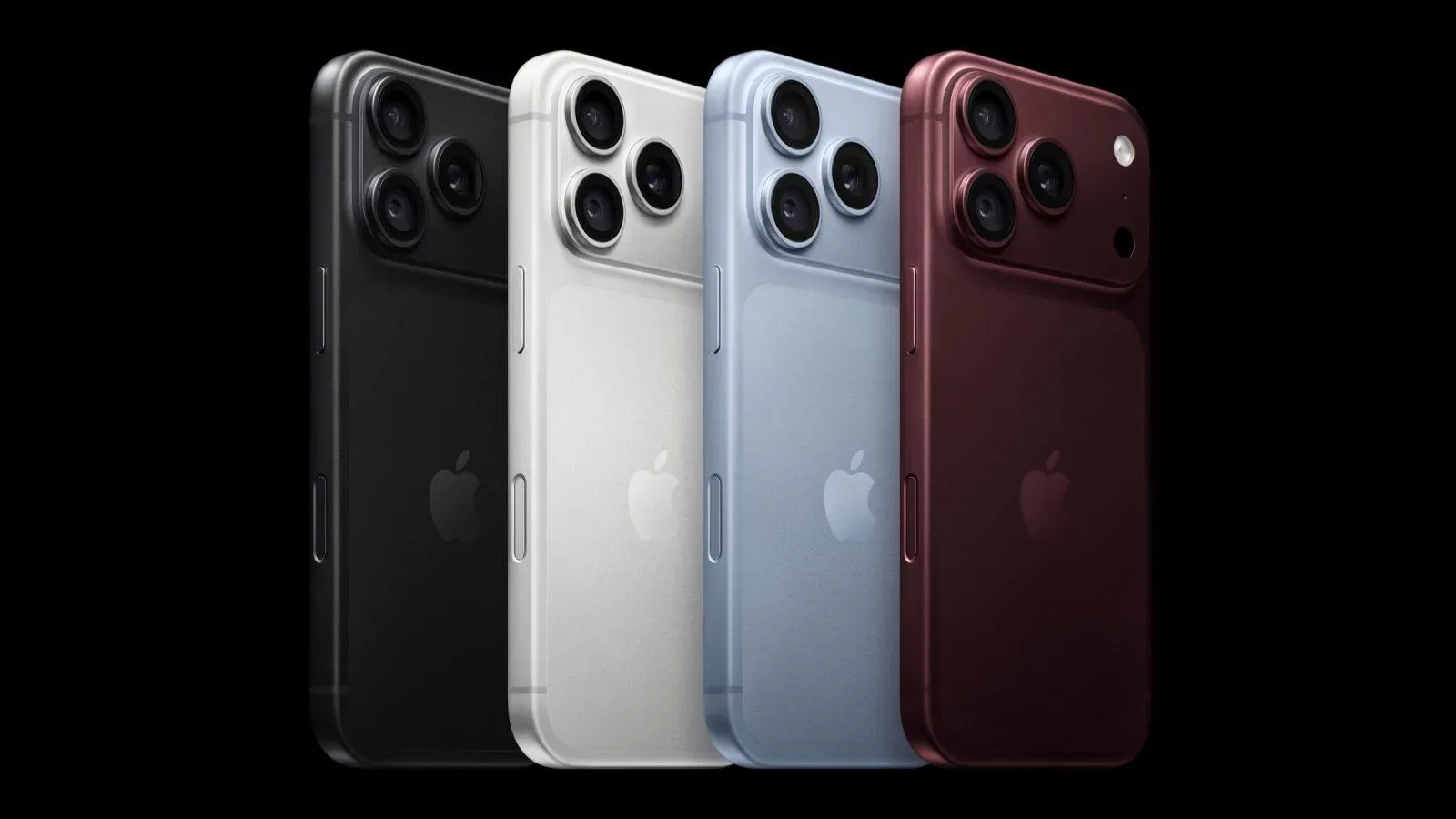
The iPhone 18 Pro’s headline camera change is not simply another march toward more megapixels, a farther-reaching zoom, or a newly branded computational process. It is a piece of physical camera hardware with a job photographers have understood for generations: controlling the aperture.
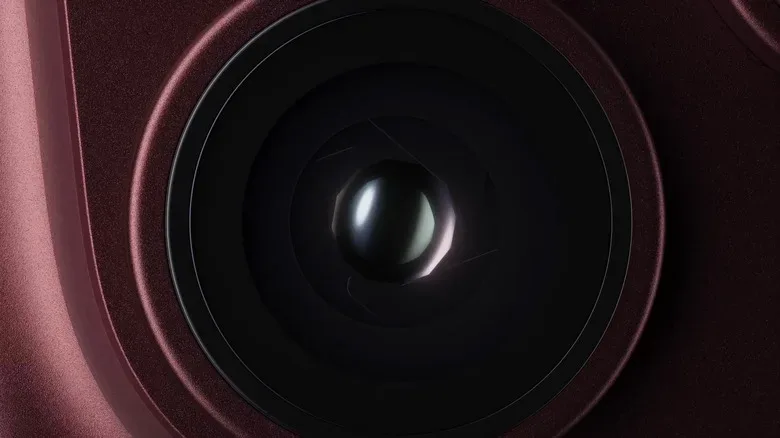
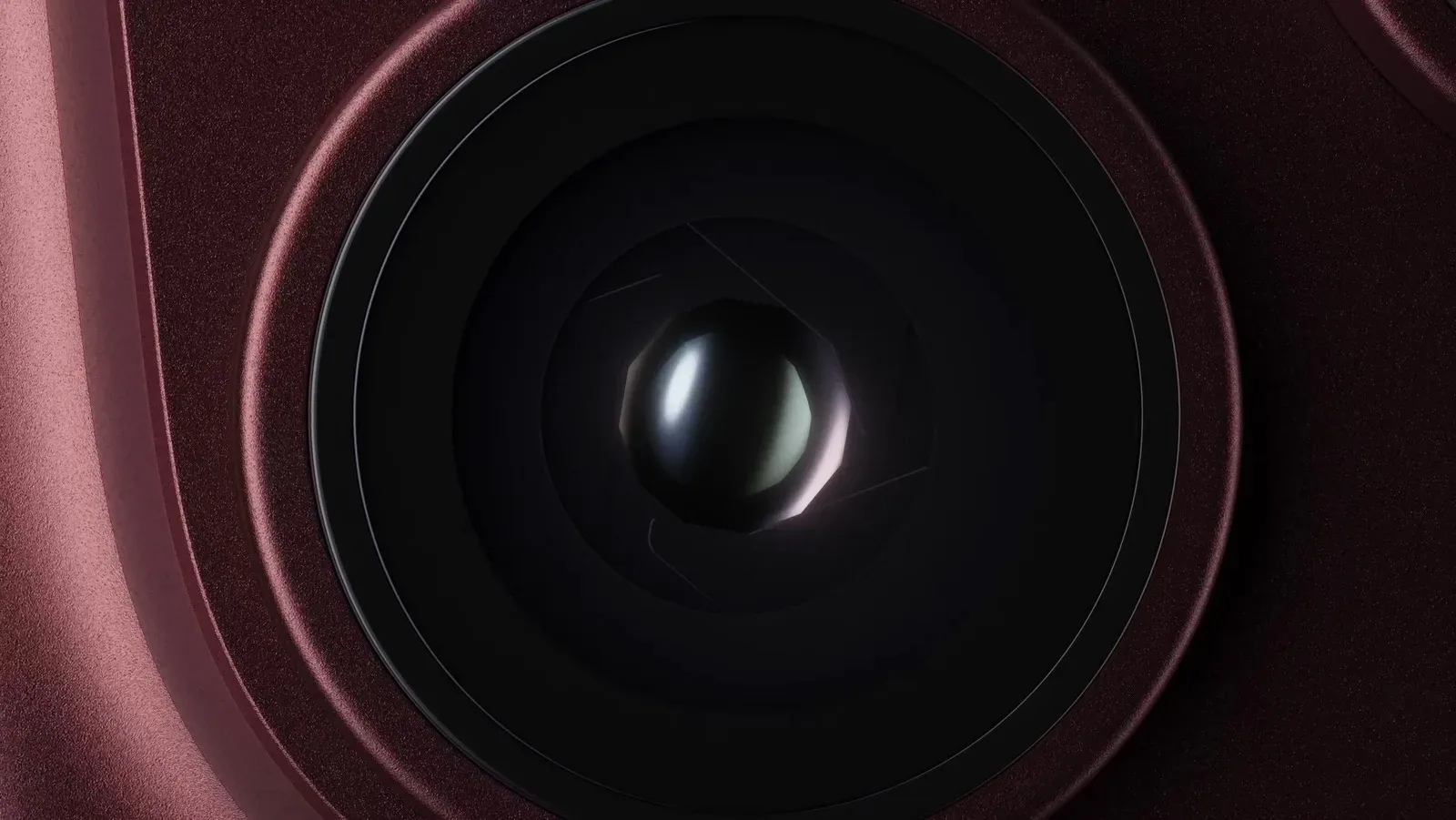
Apple’s iPhone 18 Pro introduces a variable aperture system that adjusts how much light reaches the camera sensor. The effect is potentially meaningful for the kind of pictures people take every day—especially portraits, indoor scenes, evening shots, and compositions where the photographer wants to decide exactly how much of the frame should remain sharp.
At its broadest opening, the iPhone 18 Pro can reach f/1.48. The phone can manage the aperture automatically, but the Camera app also gives users manual control. That combination matters. Automatic behavior can make ordinary shooting quick, while a manual option lets people deliberately trade brightness, depth of field, and background detail rather than leaving every choice to software.
For a “Pro” phone camera, it is a move toward a more camera-like creative control—one small mechanical iris at a time. It may not sound as flashy as a lens that can spot a bird on another continent, but it is the sort of feature that could alter how an image looks before computational photography begins doing its work.
What a variable aperture actually changes
An aperture is the opening inside a lens through which light travels to the sensor. A wider aperture allows more light in; a narrower one admits less. The f-number is expressed in a slightly counterintuitive way: a lower number represents a wider opening. Thus, f/1.48 is a very wide setting, while a higher f-number denotes a smaller aperture.
That physical adjustment affects two major elements of a photograph:
- Exposure: A wider aperture can collect more light, which is helpful in dim conditions and may support stronger color and detail.
- Depth of field: A wider aperture can reduce the portion of the scene that appears acceptably sharp. This can help a subject stand apart from its surroundings. A narrower aperture increases depth of field, preserving focus across more of the image.
Put less technically, opening the aperture can make a face, figure, collectible, or other foreground object feel more isolated from its background. Closing it down can make a wider scene feel more uniformly in focus—useful when the background is part of the point rather than an inconvenience to be blurred into watercolor mush.
Depth of field remains dependent on several factors, including subject distance, framing, focal length, and sensor characteristics. A variable aperture is not a magic button that turns a phone into every dedicated interchangeable-lens camera at once. But it provides a genuine optical control that can influence the source image, rather than asking software alone to simulate all of the visual separation after the fact.
Why portrait shooters may care most
Portrait photography is the obvious beneficiary. A person photographed against a visually busy environment can benefit from a shallower depth of field, because separating the subject from the background directs attention toward expressions, clothing, pose, and lighting. Smartphone portrait modes already use depth estimation and computational blur for versions of this effect, but a wider physical aperture can supply natural optical help before those tools enter the equation.
That does not make software irrelevant. Phones are still phones, with compact optics and sensors operating under significant physical constraints. What variable aperture adds is another decision point. When the iPhone 18 Pro selects its settings automatically, it can make a practical call for a scene. When a user takes over in the Camera app, that user can favor a more pronounced subject-background divide or choose a narrower setting that holds more objects in focus.
The latter case can be just as important. Not every portrait needs the world behind the subject to vanish. A musician in a venue, a cosplayer at an event, or a player holding a prized retro game may need both the person and enough of the setting to tell the story. More depth of field can keep those supporting details from dissolving into anonymous color blobs.
Low-light images get an optical assist
A wide aperture’s other major advantage is light gathering. In darker environments, admitting more light can help a camera capture additional detail and color. This is a straightforward benefit, though it should not be confused with a guarantee that every night image will be perfect. Motion, available light, processing choices, and the scene itself will still shape the final photo.
Still, the ability to open to f/1.48 gives the iPhone 18 Pro a concrete optical tool when light is scarce. For a spontaneous indoor picture, a late-night street scene, or an image taken under the notoriously dramatic lighting of an arcade cabinet, having more light pass through the lens can be useful. The aperture is not merely a settings-screen statistic; it is part of the camera’s basic ability to work with the photons it is given.
Conversely, in brighter settings, a narrower aperture can be desirable when the priority is retaining focus through more of the shot. A landscape, a tabletop display, or a group photo may benefit from a deeper zone of sharpness. The new system therefore is not only about opening wide for cinematic blur. It is about choosing the appropriate optical behavior for competing photographic goals.
Automatic convenience, manual intent
Apple’s approach lets the iPhone 18 Pro control the variable aperture by itself, which should suit users who simply want to frame a moment and capture it. Modern phone photography is built around that expectation: the device reads the scene, makes rapid adjustments, and aims for a usable result without asking the photographer to think in f-stops.
The manual control in the Camera app is the more notable detail for enthusiasts. It acknowledges that some people do want to think in f-stops—or at least want the option to see how changing the opening affects a shot. A photographer may prefer the brightest available aperture in a dark situation, choose a more restrained amount of blur for a portrait, or close the aperture to retain greater scene detail. The point is not that manual control is always better. The point is that it enables intent.
That is why the feature lands differently from a purely computational camera upgrade. Computational tools can be extremely capable, but a physical aperture provides an adjustment at the lens itself. The iPhone 18 Pro is adding a mechanical dimension to the mix: software may still make decisions, but the camera now has a variable opening it can physically set.
Apple is joining an existing, uneven phone-camera tradition
Variable aperture technology is not unprecedented in smartphones. Samsung used a dual-aperture design in the Galaxy S9 and Galaxy S10. That system mechanically switched between two options, f/1.5 and f/2.4. Samsung did not continue the feature beginning with the Galaxy S20 series.
Other companies have taken the concept further. Huawei and Xiaomi have also offered variable-aperture cameras. One notable example is Xiaomi’s 14 Ultra, which provides an aperture range from f/1.63 to f/4.0. Those examples are useful reminders that phone makers have long explored ways to bring a little more optical flexibility to compact devices, even if the feature has not become a permanent standard across every flagship line.
Against that background, the iPhone 18 Pro’s f/1.48 maximum places Apple’s implementation in a field where optics, mechanical complexity, software processing, and usability all matter. The supplied details establish the wide-end specification and the existence of automatic and manual control, but they do not spell out the system’s complete aperture range or every operational behavior. Those distinctions will matter when comparing implementations, particularly for photographers interested in how much flexibility is available beyond the widest setting.
A practical upgrade amid the spec-sheet arms race
Mobile camera conversations frequently become contests of numbers: resolution totals, zoom distances, sensor sizes, or algorithm names. Those measures can be useful, but aperture has a more direct connection to the appearance of a photo. It helps determine light intake and how the camera renders the relationship between a focused subject and the rest of the scene.
That makes the iPhone 18 Pro’s new feature easy to understand even if its mechanics are not. Open the aperture for more light and potentially less background focus. Narrow it to keep more of a scene clear. Let the phone decide when speed is the priority, or take the controls when the photograph deserves more deliberate treatment.
The broader iPhone 18 Pro rollout is also approaching quickly: pre-orders are set to open September 12, with a September 18 release date listed. For camera-focused buyers, the variable aperture will be one of the most interesting features to watch—not because it replaces computational photography, but because it gives that processing a more flexible optical starting point.
In a pocket-sized device expected to handle everything from quick snapshots to carefully composed portraits, that is an unusually grounded kind of upgrade. The iPhone 18 Pro is not only trying to calculate its way toward a more professional-looking image. It is giving light a movable door and letting the photographer decide how wide it should be.