There is a particular kind of game-over screen that has nothing to do with a party wipe, a missed dodge, or a save file left on the wrong memory card. For an online game, it can arrive when service ends: the servers close, the required connection disappears, and a game that players may have spent years with can no longer be played at all.
That reality is behind a small but meaningful trend among Japanese role-playing games originally built for mobile live-service audiences. Rather than allowing those games to remain bound to their original online structures forever, developers are rebuilding them as premium releases: games sold for a fixed price, with the live-service machinery removed and story gaps addressed for a more self-contained experience.
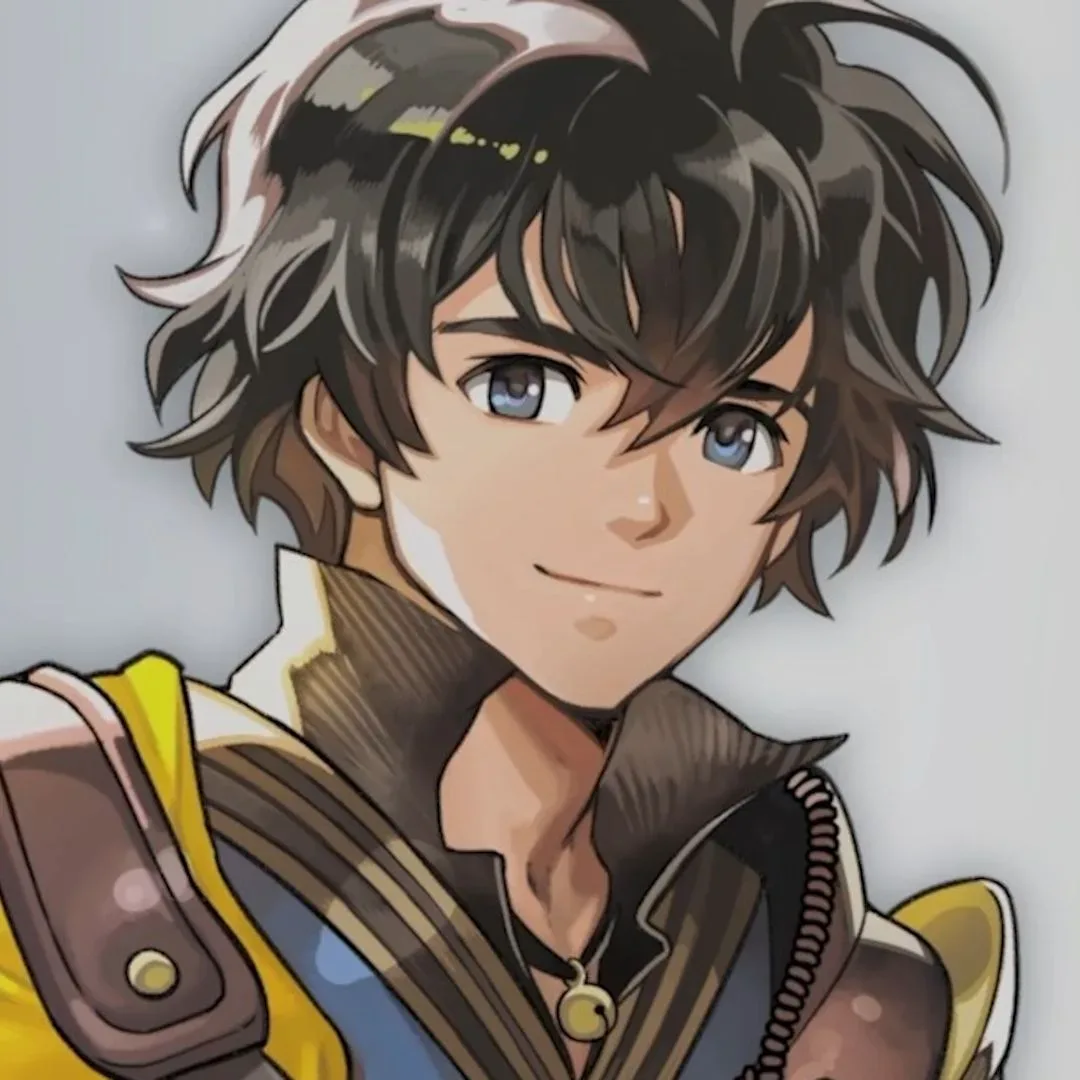
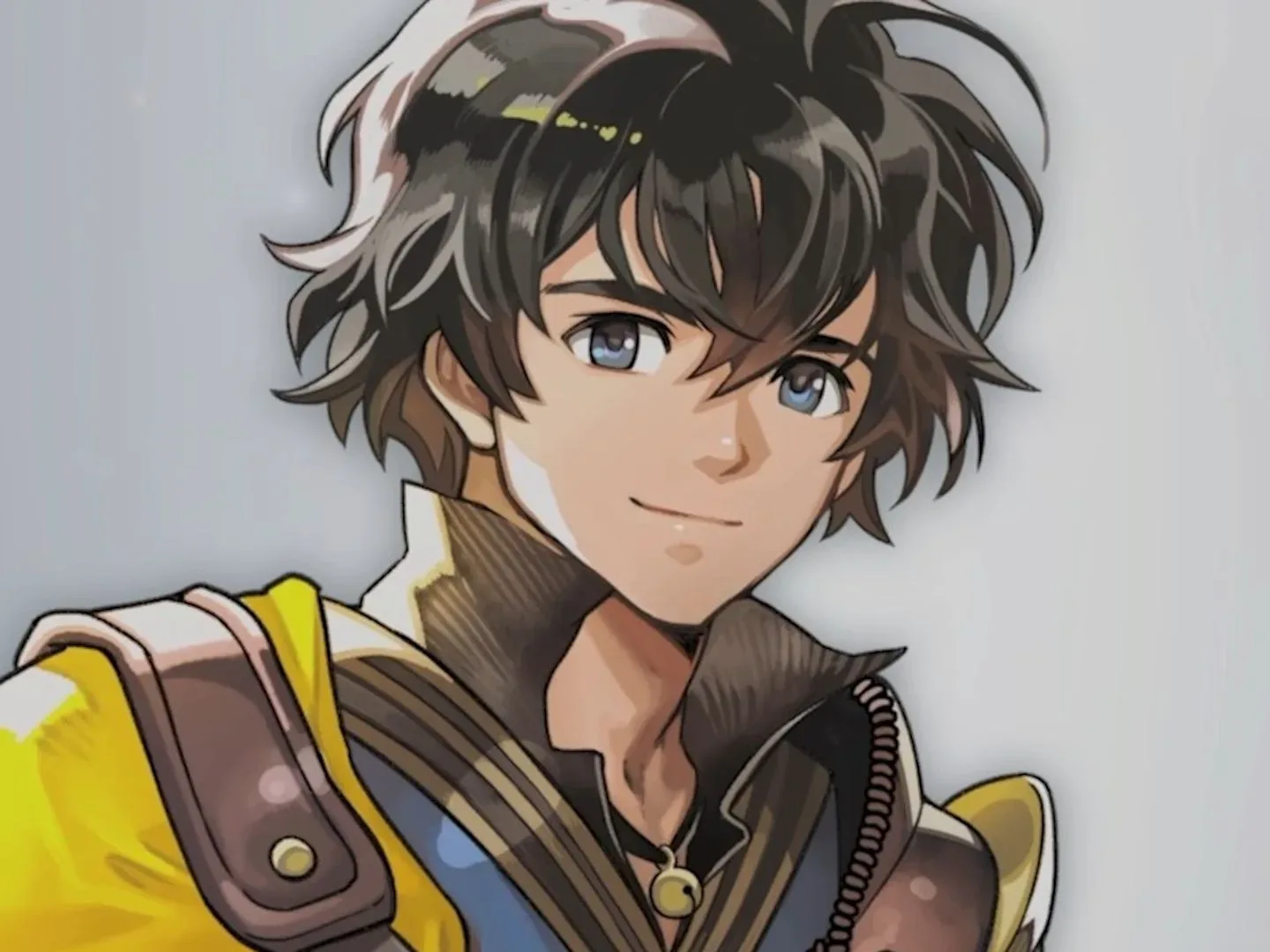
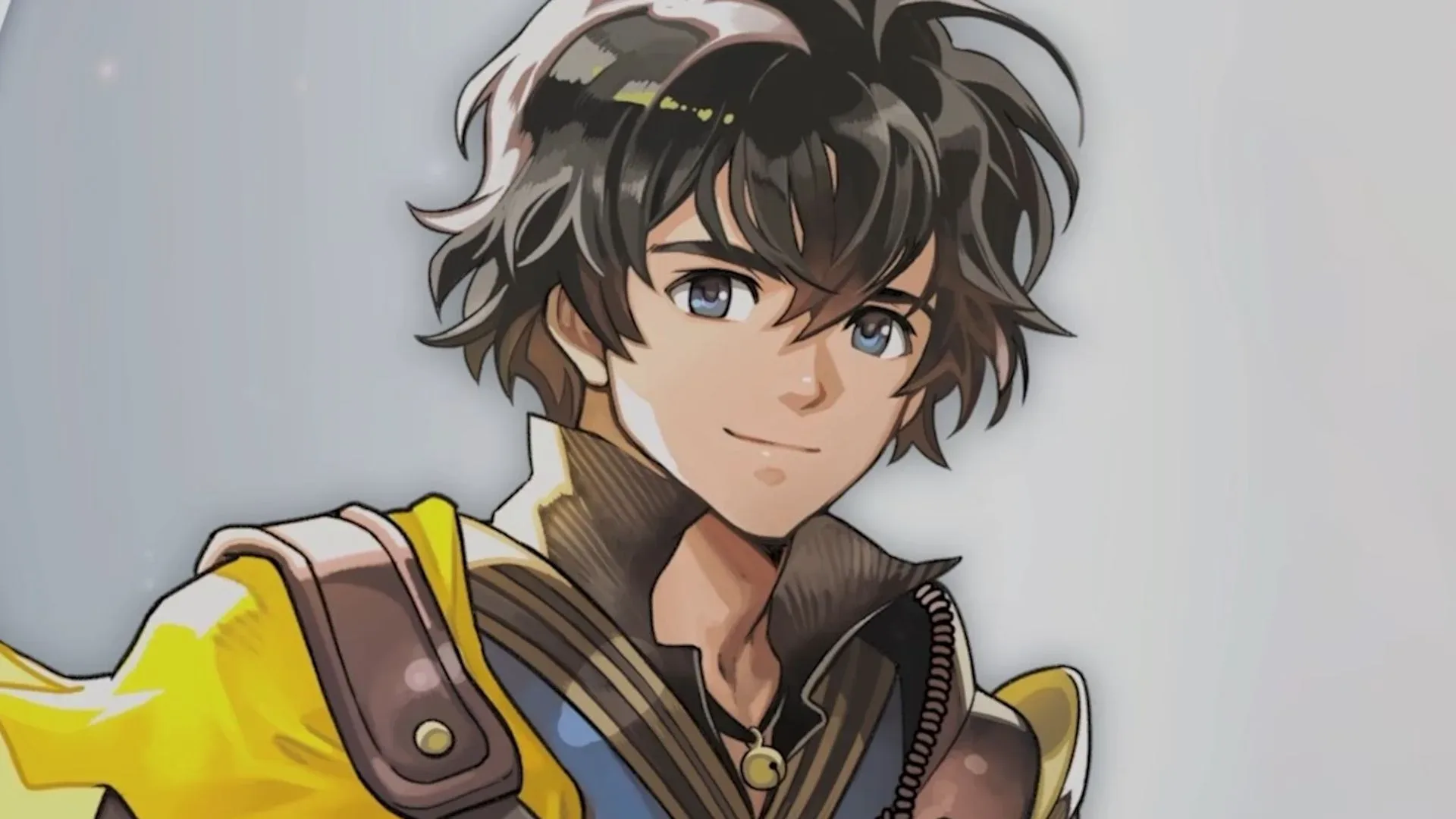
Another Eden Begins is the newest example in that conversation. Producer Shinnosuke Hirasawa, who oversaw the reworking of Another Eden: The Cat Beyond Time and Space, has welcomed similar projects including Final Fantasy Resonance and Octopath Traveler 0. His basic case is unusually straightforward: if a live-service game ends, it risks becoming unplayable, no matter how much creative work it contains.
“Live-service games have the inherent issue that once services are terminated, they become unplayable,” Hirasawa said. He also noted that, as games run for a long period, development scale can start to shrink.
For players, that statement gets at the difference between a game that is merely unavailable for sale and one that is functionally inaccessible. A delisted single-player title may be hard to acquire legitimately, but an online-dependent game can be rendered unusable if it needs server authorization or server-hosted systems to run. Turning such a project into a premium release is not a universal preservation solution, but it is one of the clearest official options when a developer has the ability and willingness to do it.
What “stripping out live service” actually means
Live service describes a game designed to operate over time through ongoing online support. In mobile RPGs, that can include regularly added content, systems tied to online accounts, rotating events, and gacha mechanics. Gacha is a randomized acquisition model in which players obtain characters, items, or other rewards through chance-based pulls rather than simply selecting each reward directly.
A premium adaptation is not simply the same app placed on a new storefront. The reported model for these JRPG conversions involves removing the live-service components, adding story material where necessary, and selling the resulting title as a full-price game intended to work for players who may not have wanted the original mobile format.
That is a substantial design challenge. A live game can distribute story progression, characters, rewards, and player motivation across events and systems introduced over a long period. Once those systems are taken away, the developers have to decide what replaces them. Narrative content may need to be reorganized. Progression needs to remain understandable without randomized pulls. Material once released in pieces may need to feel coherent for somebody beginning from the opening hours.
Related coverage includes Another Eden Begins Producer Welcomes the Shift From Gacha to Permanent JRPG Releases.
The source details the shared broad approach behind Octopath Traveler: Champions of the Continent and Final Fantasy Brave Exvius: take away the service-driven mechanics, provide more story content to bridge the resulting gaps, and present the game as a conventional purchase. It is a conversion philosophy that treats the original live game as creative material worth carrying forward, not as a product whose value vanishes with its service window.
Why the model matters beyond one series
Hirasawa’s enthusiasm is not limited to protecting a single game. He argues that creators take pride in their work and that it is “wonderful” when live-service projects can remain in the world and continue to receive recognition. His response to the growing number of premium JRPG adaptations was simple: “Keep it coming!”
That view frames preservation as more than a technical issue. A game is made of code and infrastructure, but it is also writing, music, art, performances, systems design, and years of decisions by a development team. If the end of a service makes all of that inaccessible, the loss is not just to players who may wish to revisit it. It also limits the work’s ability to find a new audience later.
This is especially relevant for mobile games. Their platform and business model can make them easy to overlook in broader conversations about game history, even when they contain substantial stories and recognizable RPG craft. A premium rework gives prospective players a different proposition: instead of asking them to enter an ongoing service with its own rules and pacing, it offers a defined game they can buy and play as a game.
That does not mean every live-service title can, or will, receive this treatment. The information available here does not establish a universal technical blueprint, a funding model, or a guarantee that every online game can be adapted. Multiplayer-focused games, games tightly built around continuing online interaction, and projects dependent on extensive server-side functionality may present different hurdles. The more modest and useful point is that official premium adaptations are demonstrably possible for some story-led mobile JRPGs.
Another Eden Begins arrives on PC and Nintendo hardware
Another Eden Begins is available now on Steam, Nintendo Switch, and Nintendo Switch 2 for $40. Its Steam user response is described as mostly positive.
Its presence on Steam and Nintendo platforms is significant in practical terms. The conversion brings the project to storefronts and devices associated with premium game purchases rather than limiting it to the mobile live-service context from which it emerged. That does not by itself answer every long-term access question, but it changes the immediate relationship between player and game: the work is being offered as a complete commercial release rather than an active online service expected to evolve indefinitely.
For anyone considering the game, it is worth keeping the distinction clear. “Preserved” in this context means that the developers have created a premium-release adaptation intended to outlive the live-service format. It should not be read as a blanket claim that every version, event, or system from the original mobile game survives unchanged. Adaptation necessarily involves editorial decisions, and the removal of live-service systems is central to the point of the project.
A useful pressure test for the industry
Games preservation and digital ownership have become increasingly prominent industry topics. The broader debate has included concern about titles whose functionality disappears alongside online services, as well as activism focused on games that become inaccessible after multiplayer support ends. In that climate, the premium-JRPG approach offers a concrete example of a developer-led response rather than only a theoretical one.
It also places a useful question in front of publishers: when a long-running online game eventually reaches its endpoint, what parts of it deserve a life beyond that endpoint? The answer will differ from project to project. Some may be too dependent on their original infrastructure. Others may not have a practical audience or business case for a rebuild. But story-heavy games with established worlds are natural candidates for consideration because their value is not confined to the calendar of events or the momentum of a current player base.
Even enormous current live-service games face that question in the long run. The fact that a game is successful today does not settle how it will be accessed years or decades from now if development slows or concludes. An official offline or premium version is not confirmed simply because players want one. Yet the existence of releases such as Another Eden Begins, Octopath Traveler 0, and Final Fantasy Resonance demonstrates that the idea is not fanciful.
There is a business argument here as well as a cultural one. A premium adaptation can introduce a catalog title to players who do not enjoy mobile gacha design, who prefer a fixed-price purchase, or who want an RPG with a more contained structure. It can create another route for work to be appreciated without requiring a prospective audience to participate in an active service. That is not a replacement for supporting a healthy live game while it exists; it is a possible afterlife once the original model is no longer the right fit.
The broader industry discussion around who gets to retain access to games will continue, including debates over platform policies and the fate of online-only releases. Related concerns about preserving the work of creative teams also appear in conversations around creator storytelling and how creative work reaches its audience. For game developers, however, these JRPG adaptations point to a particularly tangible option: make a new, self-contained edition before the original service becomes a closed door.
Not an automatic solution, but a promising precedent
It would be easy to treat the growing list of adaptations as proof that the live-service problem has been solved. It has not. Many games will still disappear, and the source material offers no reason to assume every publisher will fund an offline conversion or premium rebuild. Preservation also depends on details that vary by game: technical architecture, contracts, content rights, platform compatibility, and the creative work necessary to turn an ongoing service into a satisfying standalone release.
Still, Hirasawa’s response identifies why the current pattern is worth watching. These are not merely ports. They are deliberate attempts to rescue role-playing games from a format with a built-in ending. By replacing online, gacha-driven structures with premium releases and adding narrative connective tissue, developers can give players a way to encounter those worlds after the service model has run its course.
For a genre built around long journeys, old adventures, and worlds worth returning to, that may be the most fitting outcome: not an endless service, but a playable game that remains available to be found again.