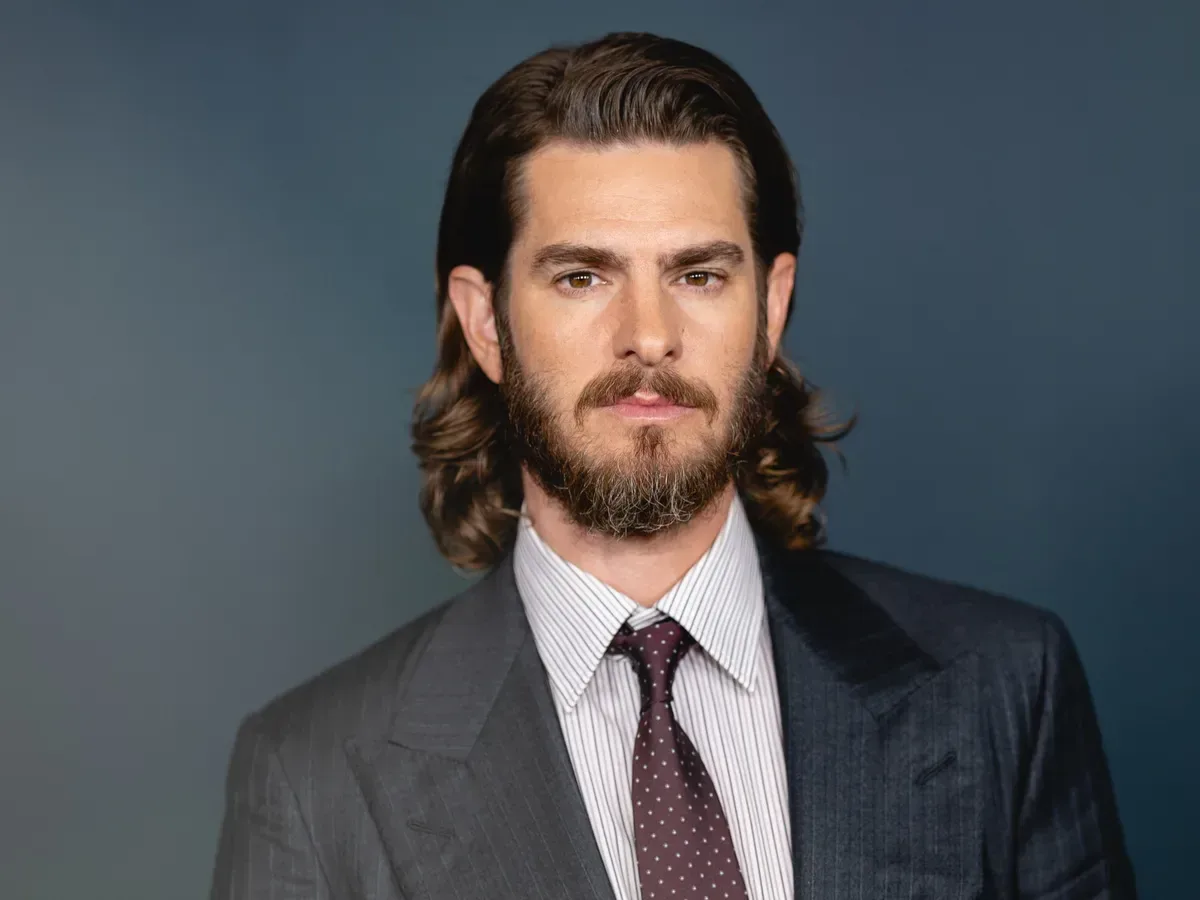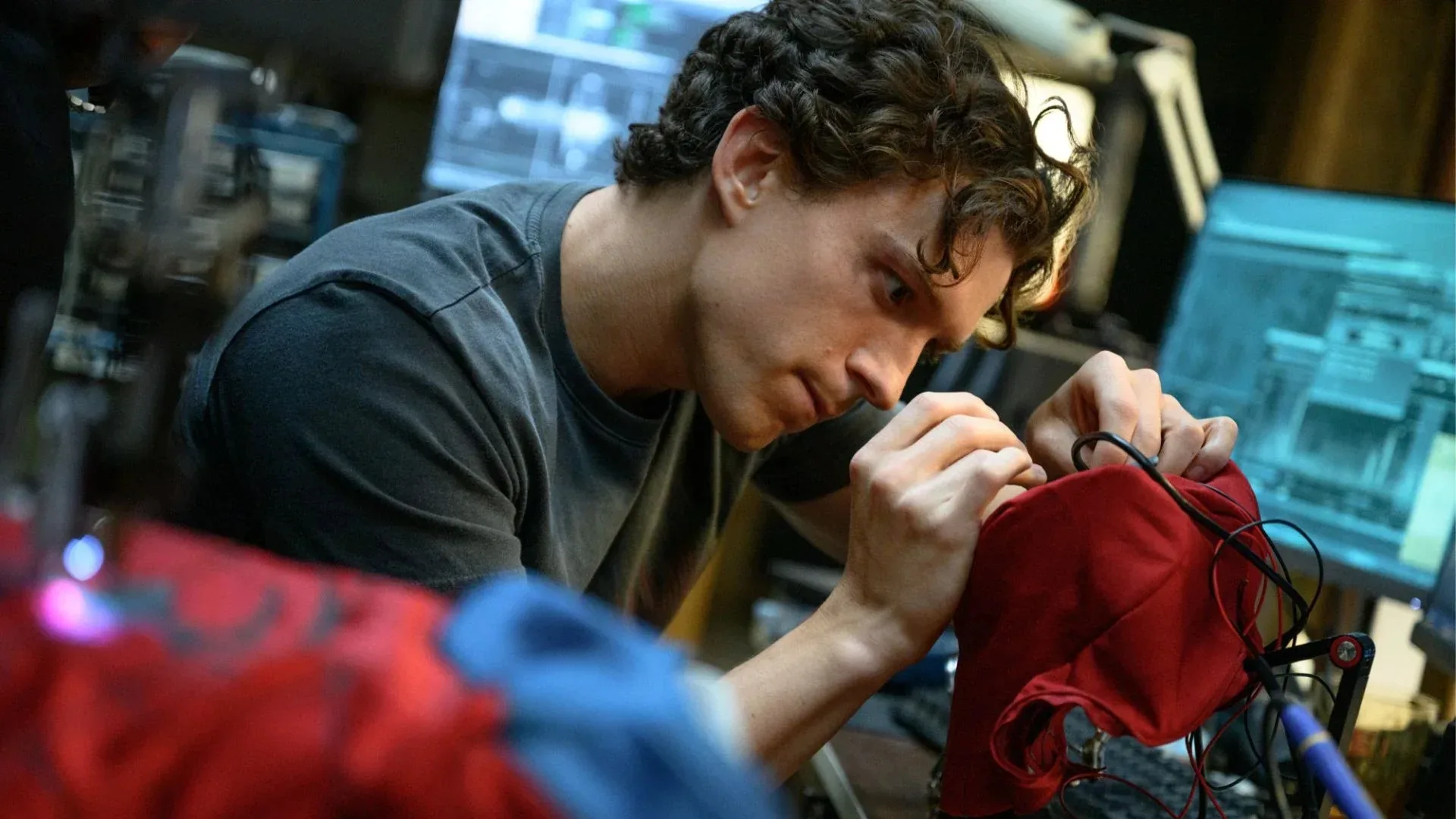
Andrew Garfield is not rushing to send a victory-lap text simply because the box office spreadsheet is doing backflips. The actor says he has not yet watched Spider-Man: Brand New Day, the latest Tom Holland-led outing, despite the film’s reported $2.3 billion global theatrical haul and position as the year’s highest-grossing release so far.
That does not mean Garfield is dismissing the achievement. Quite the opposite: he described the fact that people are turning out for a movie as an inherently positive thing. But he also made clear that he would rather respond to Holland’s performance after actually seeing it than offer congratulations built only on a headline number. In other words, the former Spider-Man would prefer to do his homework before sending the spider-mail.
“I don’t want to be disingenuous,” Garfield said when asked whether he had contacted Holland following the film’s huge commercial performance.
Garfield added that he intends to reach out once he has watched the movie, which he said he is excited to see. He also has not yet caught The Odyssey, Christopher Nolan’s film featuring Holland, even though that production has reportedly crossed $1.5 billion at the box office. Garfield’s plan is straightforward: see both pieces of work, then message Holland about what he has actually done on screen.
A surprisingly grounded response to enormous numbers
The figure attached to Spider-Man: Brand New Day is the kind that naturally starts a franchise conversation. A $2.3 billion run is not merely a good opening weekend inflated into a social-media event; it is an extraordinary commercial result, and the film is said to have broken records within the franchise. Holland is therefore having a particularly formidable year, with two films tied to major global totals.
Yet Garfield’s response draws a useful line between commercial success and an actor-to-actor reaction. Box office totals can show scale, public interest, and sustained turnout. They do not tell another performer what choices were made in a scene, how a character was played, or whether a particular piece of work connected on an artistic level. Garfield was not presented as questioning the achievement. He was simply declining to pretend that he had engaged with a performance he has not yet watched.
That distinction is almost quaint amid the modern blockbuster cycle, where audiences can learn a movie’s projected opening, second-week drop, overseas rollout, audience score, and alleged implications for ten future projects before deciding whether they personally want to buy a ticket. Garfield’s approach is less optimized: watch the film, form a view, then talk to the colleague. The algorithm may be baffled, but it is hard to argue with the order of operations.
It also avoids making the relationship between the three live-action cinematic Spider-Men feel like a running scoreboard. Garfield, Holland, and Tobey Maguire carry separate eras and interpretations of Peter Parker, while the wider Marvel conversation has repeatedly encouraged fans to imagine reunions, compare versions, and interpret every carefully phrased answer as evidence of a secret costume fitting. A sincere message after viewing the work is a much more human response than a public ranking exercise.
Holland’s unusually large year
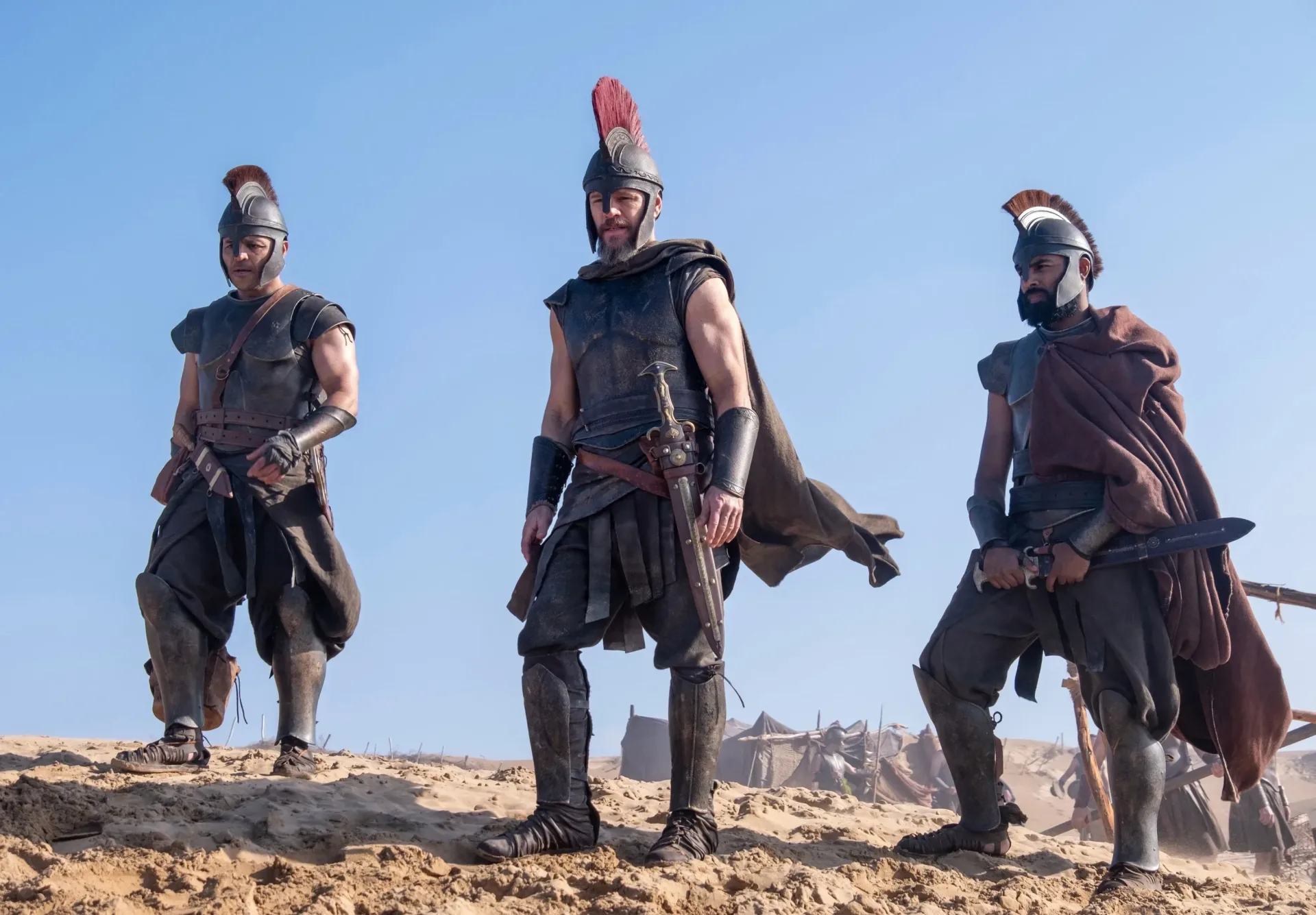
Brand New Day is reported to be the highest-grossing movie of the year to date, while The Odyssey has also moved beyond the $1.5 billion mark. That makes Holland’s current run especially notable: one role sits inside the durable Marvel machine, and another belongs to a Christopher Nolan production that has attracted significant critical praise as well as a massive audience.
There is no need to flatten those projects into the same kind of success. Spider-Man is one of the most recognizable superhero properties in entertainment, while The Odyssey arrives with a different creative identity, historical and literary associations, and the expectations that follow Nolan’s films. Still, the shared result is clear enough. Holland’s work is reaching very large audiences across two high-profile releases, and Garfield has two widely discussed films waiting in his personal watch queue.
For viewers accustomed to treating release calendars like tournament brackets, it is tempting to make every number a verdict. But Garfield’s remarks suggest a more measured way to read the moment. Financial performance matters, particularly at this scale, and a film connecting with audiences is worth acknowledging. It is not, however, a substitute for seeing the performance itself. Anyone can congratulate a total; a fellow actor may reasonably want to respond to the acting.
The industry’s wider appetite for giant cinematic events has not disappeared, even as it keeps changing shape. Immersive technologies and theatrical storytelling are often discussed together as companies look for new forms of spectacle and participation; recent coverage of Venice Immersive’s focus on shared spaces and smarter storytelling shows how broad that conversation has become. Traditional moviegoing still matters hugely when a title reaches numbers like those associated with Brand New Day and The Odyssey.
Garfield has his own release approaching
Garfield will soon return to theaters in The Uprising, a film centered on England’s 1381 Peasants’ Revolt. The cast also includes Tom Hollander, a coincidence likely to create at least a few seconds of confusion whenever a headline is scanned too quickly. With only about a week until the film’s launch, discussion around its marketing has included uncertainty over whether it should be framed as a Robin Hood origin story.
The apparent disagreement is not about the movie’s stated historical setting: the 1381 revolt remains the central premise. Instead, U.S. and U.K. distributors have seemingly differed in how closely to connect the film to Robin Hood in their promotional messaging. That kind of split can shape audience expectations before the first screening. A viewer walking in for a historical drama about a medieval uprising may approach it differently from someone expecting a foundational chapter for a folklore hero.
It is a curious contrast with the instantly legible branding of Spider-Man. There is little need to explain what a Spider-Man film represents to a broad audience, especially after multiple modern film series and the crossover effect of earlier live-action versions. The Uprising has a historical event at its core, but its promotional identity appears less settled. Garfield’s next project may therefore invite conversation not only about his role but about what, precisely, audiences are being told they are going to see.
The Avengers question remains an Avengers question
Garfield was also asked whether he would join the extensive Marvel ensemble expected around Avengers: Doomsday. His answer was emphatic in its wording: “No, no, I’m not. I’m not. I’m not.” He then added, “You’ll find out, I suppose, one way or the other.”
That final line is unlikely to quiet speculation, because Marvel casting denials have become their own miniature genre. Rumors have pointed to the possibility of Maguire’s Spider-Man returning, and the ending of Doomsday has been read as leaving room for another Spider-Man in an intergalactic or multiversal scenario. Those details keep the question alive regardless of how many times it is asked.
Still, the supported fact is uncomplicated: Garfield said he is not in Avengers: Doomsday. Anything beyond that belongs to the familiar fog surrounding a major Marvel project, where audiences will inevitably parse wording, rumors, and narrative possibilities until the film itself provides an answer. For the moment, Garfield’s more immediate agenda is less multiversal: watch Holland’s two giant films, offer his reaction afterward, and prepare for The Uprising to reach audiences amid its own unusual marketing debate.