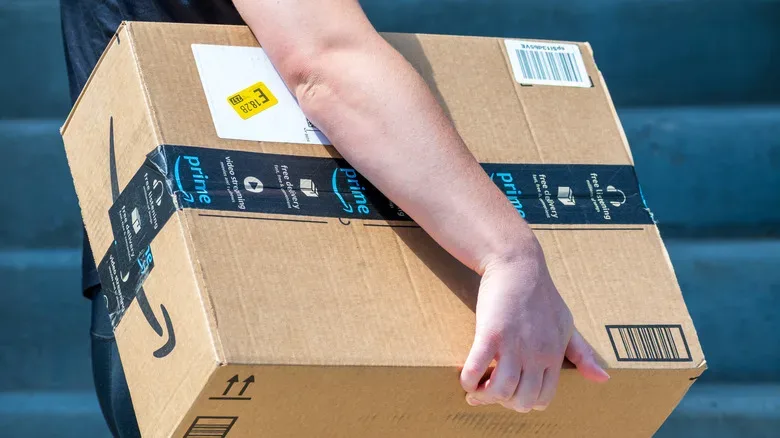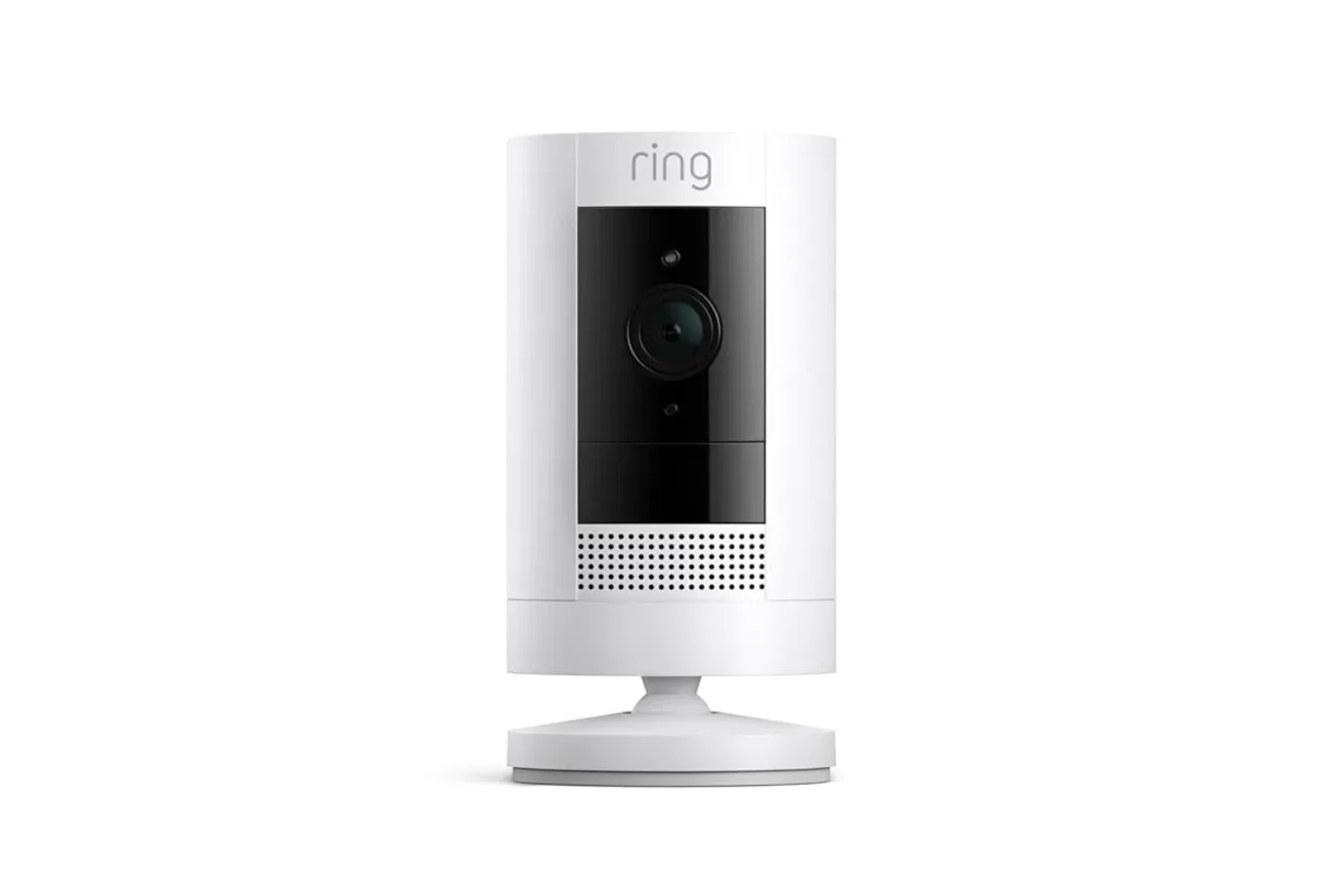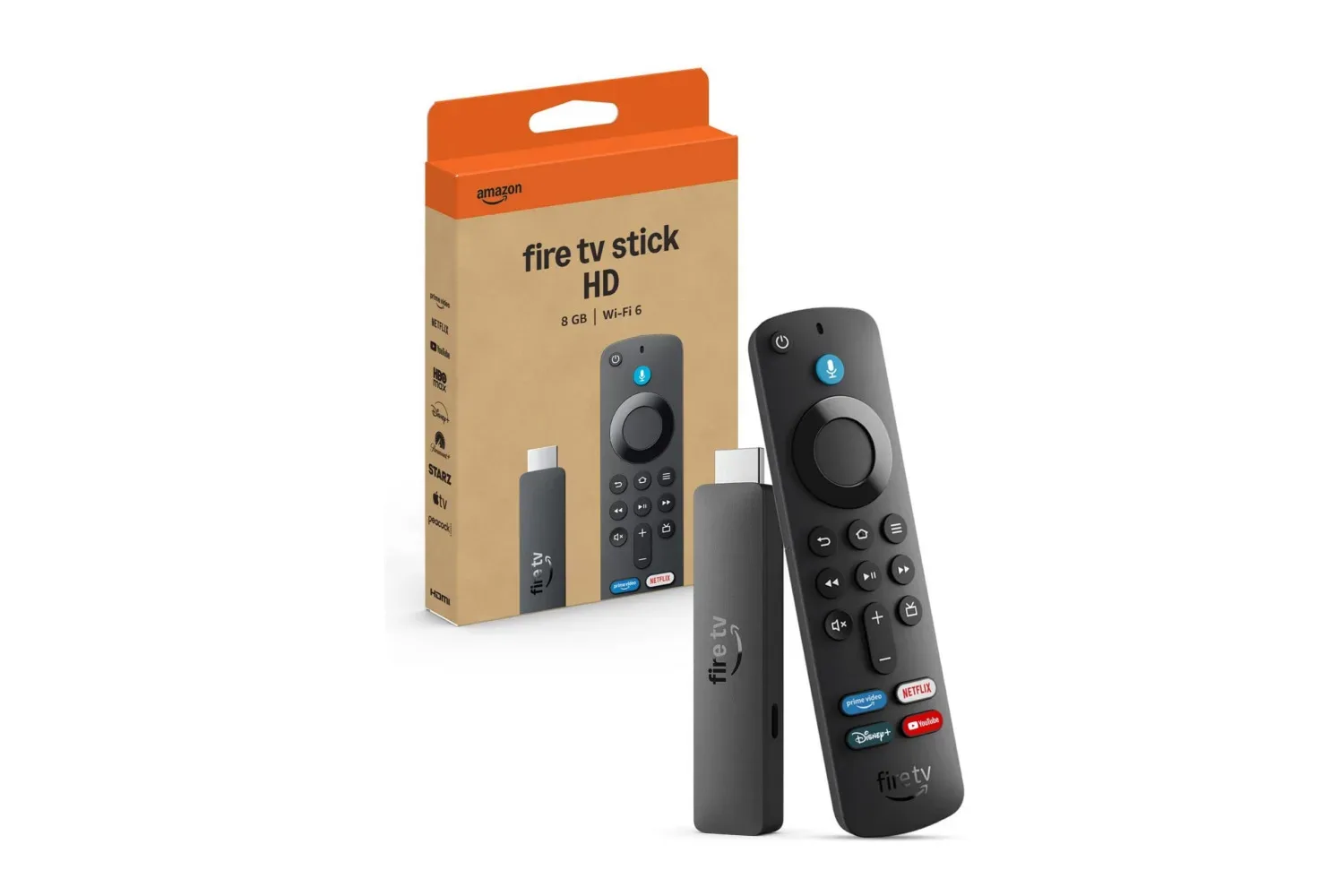
Amazon has scheduled its Prime Big Deal Days promotion for October 6 and 7, placing a two-day burst of discounts between the year’s earlier Prime-focused shopping activity and the Black Friday period. The event starts at 3:01am ET on October 6, and Amazon says it will cover more than 35 product categories.
For players, home-office builders and anybody watching their tech budget, the useful part is not merely that another sale is on the calendar. It is the stated cadence: new offers are expected three times per day, grouped under the Today’s Big Deals banner. That makes this less like a single launch-moment discount drop and more like a short rotation of promotions that shoppers may need to monitor deliberately.
Amazon has pointed to Shark, Anker, Sony and Lego among the brands involved. It has also indicated that its own hardware should be part of the conversation; Kindle and Echo products commonly feature prominently during these events. Specific discounts, configurations and stock levels have not been detailed here, so the sensible approach is to treat the dates as a planning window rather than assume any particular device will reach a particular price.
What has been confirmed for the October event
- Dates: October 6 and October 7.
- Start time: 3:01am ET on October 6.
- Scope: Deals across more than 35 categories.
- Refresh schedule: New deals are set to arrive three times daily.
- Where to look: The Today’s Big Deals section.
- Named participating brands: Shark, Anker, Sony and Lego.
- Seasonal section: A Top 100+ Deals for Halloween area is also planned.
That category range matters because this is not being framed as a dedicated gaming or electronics event. Alongside technology, shoppers can expect promotions involving kitchen equipment, fashion, beauty and homeware. For someone trying to avoid a sprawling scroll through items they never intended to buy, a prepared shortlist may be more valuable than the sale’s headline size.
A deal schedule is not the same thing as a good price
Sale events create urgency by design. A changing selection three times a day can make every listing feel temporary, while a percentage-off label can make the comparison seem settled before a buyer has done any comparison at all. Neither tells you whether the current price is unusually low for that product.
This is where price history becomes practical. A price tracker is a service that records past listed prices over time. Looking at that record can help distinguish a meaningful drop from a price that has appeared regularly, or an apparent reduction measured from a higher reference price rather than the item’s usual selling level. CamelCamelCamel and Keepa are two price-tracking tools worth using for Amazon listings.
The job is not to predict the absolute lowest price an item will ever reach. That is rarely possible, particularly when the event will introduce several waves of deals. The job is to make a decision based on a known need, a known product, and a price that is convincingly better than its own recent history.
A simple pre-sale checklist
- Write down the exact item first. Record the model, capacity, colour or bundle details that matter. A discount on a nearby version is not automatically a substitute.
- Set a personal ceiling. Choose the most you are willing to spend before the promotional timer appears. This is a target price, not a claim about market value.
- Check the item’s history. Use CamelCamelCamel or Keepa to see whether the advertised price looks meaningfully competitive against previous Amazon pricing.
- Check again when the deal arrives. The rotation means an item can surface at any of the three daily refreshes. A deal becoming visible does not remove the need for a quick verification.
- Keep the remit narrow. If you came for a charger, e-reader or audio accessory, do not let an unrelated homeware or Halloween promotion rewrite the shopping list.
This method also helps separate a real saving from a spending increase. Buying something earlier than planned can be perfectly reasonable if it was already on the list and the price meets a pre-set threshold. Buying an extra item simply because it is labelled a deal is a different calculation.
Alexa options: alerts, target prices and automatic buying
Alexa users have a few tools that could make the three-times-daily refresh schedule easier to manage. The assistant can create deal alerts for specified product categories. It can also check an existing Amazon shopping list for deals on items previously added to it.
The most consequential option is a target price. A shopper can set a price for an item and have Alexa automatically purchase it if a deal becomes available at that amount. In plain terms, this is an automated buying instruction: it moves beyond receiving a notification and can complete the order without the shopper manually pressing the checkout button at the moment of the price drop.
That may be convenient for an item with a stable, exact specification and a price limit you have considered carefully. It deserves more caution when product variants can be confusing, when a bundle changes what is included, or when the item is merely a vague future possibility. Before using automatic purchasing, it is worth confirming that the target refers to the precise listing you actually want and that the limit remains comfortable for your budget.
Deal alerts are the lower-commitment alternative. They notify rather than buy, allowing time to inspect the listing, compare it with the planned model and check its price history. For shoppers uncertain about a product’s normal price, that pause is a feature rather than friction.
How gamers and gadget buyers can use the event without chasing noise
No individual game hardware, accessories or gaming promotions have been specified for this event. Still, the presence of Sony and Anker in Amazon’s preview makes the broader technology watchlist relevant. Sony’s involvement should not be read as confirmation of any particular console, headset, controller or game offer; it simply means shoppers can monitor the brand during the sale window. The same restraint applies to Anker and its potential tech-related listings.
A more durable rule is to assess the device rather than the badge attached to the deal. An older computer, for example, can look attractive at a reduced price while being a poor fit for current needs. The same principle applies to discounted accessories: compatibility, the exact product revision and whether it solves the intended problem matter more than the size of the red percentage marker. For a useful example of looking past the lowest visible price when considering ageing hardware, see this guide to buying an older MacBook in 2026.
Shoppers considering Amazon-branded devices should similarly focus on purpose. Kindle and Echo products may be recurring sale fixtures, but the first question is whether an e-reader or smart speaker belongs in the household at all. The second is whether the particular model and features match that use. A sale can improve the cost of an already-sensible purchase; it cannot make an unsuitable category into a necessity.
Early deals and Halloween promotions broaden the temptation
Amazon has already flagged early deals ahead of October 6. That is a useful reminder that the event’s practical window may start before the formal two-day schedule, but it is not a reason to abandon price checks. An early offer should face the same questions as one appearing under Today’s Big Deals: Is it the right item? Has the price been lower or common before? Is it inside the limit set beforehand?
The planned Halloween section adds another time-sensitive shopping category, with candy and costumes positioned for buyers who want to prepare in advance. It is relevant chiefly as another reason to divide shopping lists. A technology budget, a household-replacement budget and a seasonal-costume budget can be separate even if they happen to be spent during the same promotion. Combining them into one large sale total can obscure whether each purchase stands up on its own.
What to watch when the clock starts
The October 6 start time gives interested shoppers a clear point to begin monitoring, while the three daily refreshes provide a reason to return later rather than treat the opening selection as the entire event. Since Amazon has not disclosed the full deal list in advance, patience is especially useful: a brand’s inclusion is not enough information to judge an offer, and an early discount is not necessarily the right one.
Prime Big Deal Days may be positioned as a bridge toward Black Friday, but the best use of it is straightforward. Identify the products you genuinely expect to buy, use alerts if they save time, study price history before reacting to a discount label, and reserve automated checkout for cases where the exact product and price limit are already clear. The sale lasts two days; a considered decision should not need only two seconds.