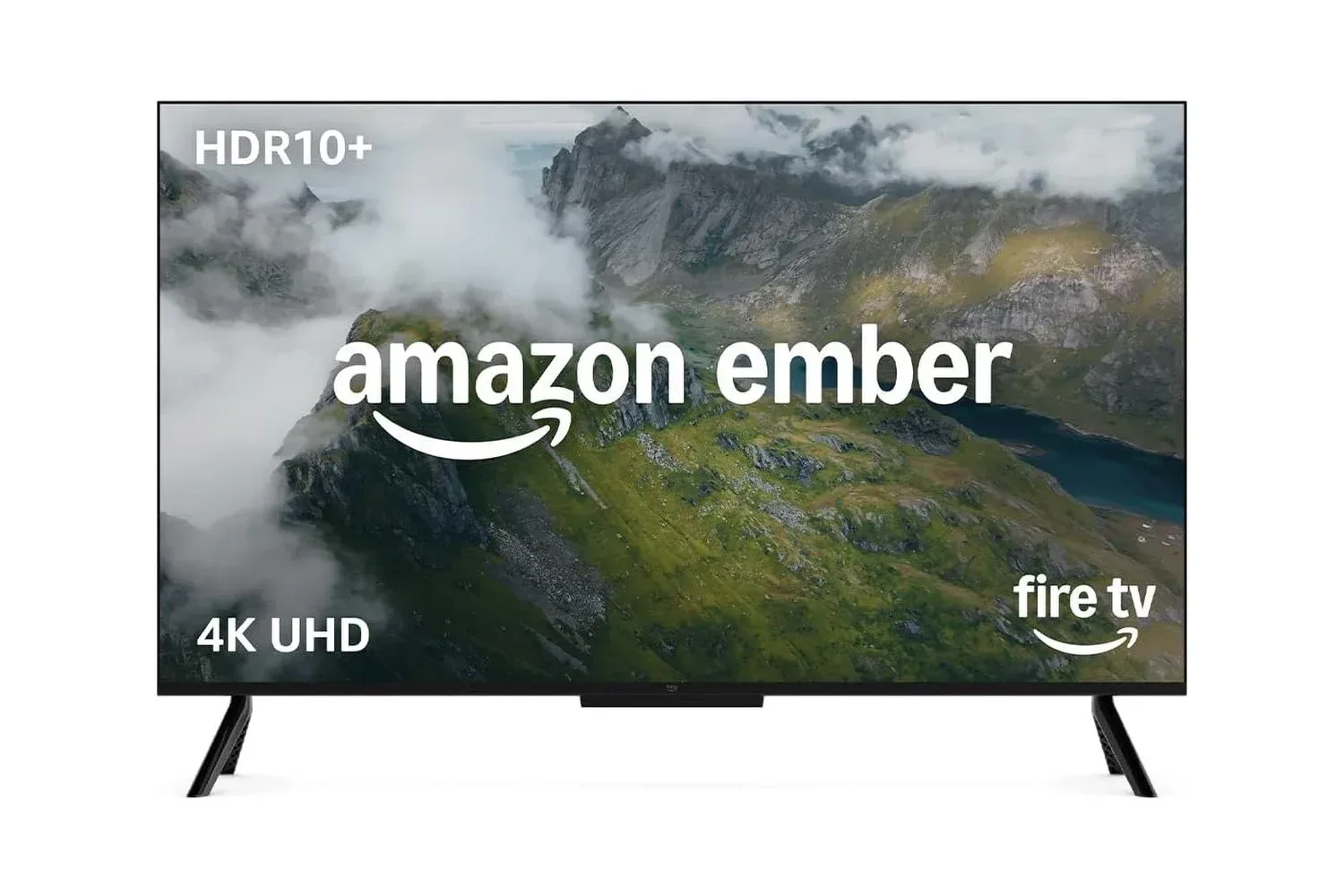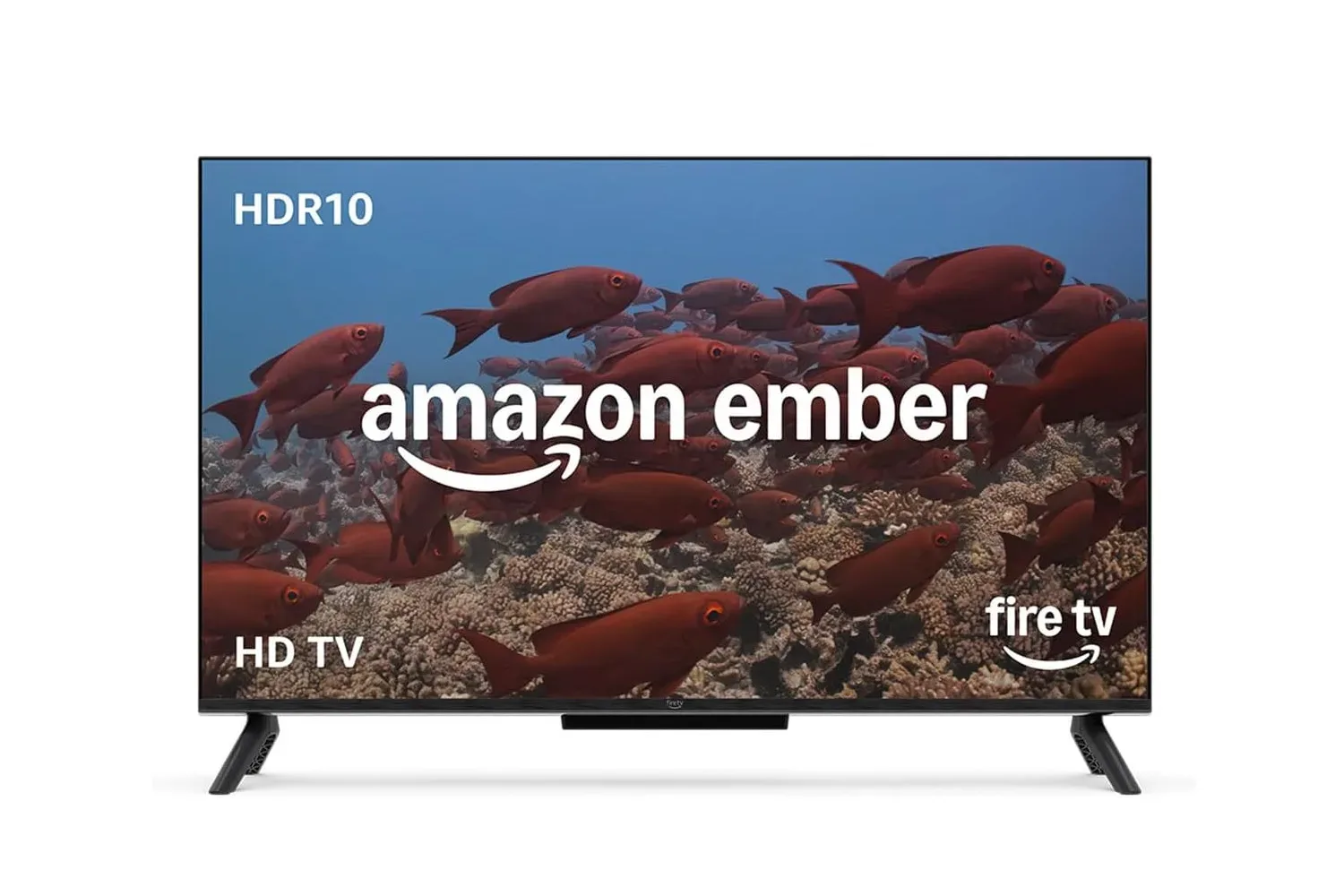
Amazon’s 32-inch Ember 2-Series Fire TV is currently listed for $135, a $25 reduction from its stated $160 price. That works out to roughly 16% off and is described as the television’s lowest price since launch. A 40-inch version is also available, although no reduction for that model was noted at the time of the listing.
The deal is chiefly about a compact smart television rather than a display built around high-end console gaming. Its 32-inch format is positioned for bedrooms and smaller living spaces, while its 720p resolution puts a clear ceiling on image detail. Still, the set includes Fire TV’s streaming interface, artwork display capability, built-in presence sensing and access to games through Amazon’s app ecosystem and Amazon Luna.
What the $135 deal includes
The listed $135 price applies to the 32-inch Ember Fire TV. Against the stated $160 regular price, the immediate saving is $25. Pricing and stock can change, so the figure should be treated as a snapshot rather than a permanent new price.
For shoppers deciding whether the deal is compelling, the most useful way to view it is as a small, connected screen with several roles:
- A television for streaming shows and films.
- A Fire TV device with major streaming apps collected in one interface, including Netflix, Hulu, Prime Video and Apple TV.
- A digital-art display when video is not playing.
- A casual gaming screen, with downloadable free games and the option of an Amazon Luna subscription for a wider game catalog.
- A voice and smart-home control surface through Alexa, with additional capabilities described for Alexa+ subscribers.
That collection of functions matters more here than raw display specifications. The television is trying to remain useful when it is not actively showing a programme or game, rather than being only a blank rectangle between sessions.
720p is the key specification to understand
The Ember’s 720p resolution means its panel displays a 1280-by-720-pixel image. Resolution is a measurement of how much picture information a screen can show; more pixels can render finer detail. By comparison, 4K screens carry substantially more pixels, which is why 4K is typically the expectation for buyers prioritising sharpness on newer, larger televisions.
That does not automatically make a 720p 32-inch display unsuitable. Screen size and viewing distance shape how visible the difference will be. In a small bedroom or another limited-space setup, the physical size may be a better fit than a larger set. For straightforward streams and older or less visually demanding games, the stated goal of decent clarity may be enough.
But the limitation should be approached honestly. Anyone expecting a display that showcases detailed 4K game environments, modern console image quality or finely resolved PC visuals should not mistake this for that kind of screen. A low sale price does not alter the underlying panel resolution.
Related coverage includes Amazon Ember 32-Inch 2-Series Fire TV Falls to $135, Matching Its Lowest Price.
For gaming, this points to a practical divide. The television can make sense as a secondary screen, a compact casual-play setup, or a place to use cloud and app-based games. It is less persuasive when the main aim is getting maximum visual detail from current hardware. Buyers should decide which use case applies before treating the discount as the deciding factor.
Fire TV, Luna and app-based play
Fire TV is Amazon’s television software platform. In this case, it brings several popular streaming services into one home screen and provides the menu system used to discover and launch content. The stated benefit is convenience: rather than swapping among separate boxes or inputs, viewers can manage supported entertainment services from the television’s own interface.
For players, the important gaming-related options are downloadable free games and Amazon Luna. Luna is a subscription service that provides access to a broader catalog than the free downloadable options referenced for the TV. It is a different proposition from buying a game and running it locally on a traditional console or gaming PC: the appeal is access to a catalog through the service, while the selection depends on the subscription offering.
That makes the Ember more useful for someone who wants an all-in-one, casual entertainment display. It does not, on the information available, establish the set as a specialist gaming television with advanced performance claims. There are no supplied details on refresh rate, input lag, HDMI features or other technical measures that would be needed to judge it as a competitive or enthusiast-oriented gaming display. Those omissions are worth keeping in mind rather than filling in the blanks with assumptions.
The wider value proposition is therefore software-led: streaming on the Fire TV interface, downloadable games, and an optional route into Luna. Readers weighing cloud gaming against other gaming models may also be interested in the broader business questions around game technology, including the discussion covered in the renewed debate over AI voice work in Arc Raiders.
An art display that wakes when someone enters
One of the more distinctive features described for the Ember line is its use as a digital artwork display. Instead of leaving the screen unused between viewing sessions, owners can put selected art on screen.
The television’s custom Omnisense technology is described as using built-in sensors to wake the display when someone enters the room. In everyday terms, it is intended to make the art-display function less manual: the television can become active as a person arrives, without requiring them to turn it on every time.
This feature is likely most relevant to people placing the television in a room where the screen will be visible for long stretches. It also distinguishes the device from a basic budget set whose job begins and ends with playing video. Whether that distinction is valuable is personal: a buyer focused entirely on screen quality may place more weight on resolution, while someone furnishing a compact room may appreciate a screen that can serve as décor when idle.
Alexa and the difference between standard Alexa and Alexa+
Standard Alexa support is available for voice assistance, while Alexa+ is presented as the more capable option for subscribers. The described Alexa+ functions include personalised viewing recommendations based on a user’s interests, requests to find shows, and smart-home management from the sofa.
Personalised recommendations are simply suggestions shaped around a user’s preferences or activity. For someone who spends too long looking through menus, that could be a meaningful convenience. Smart-home control means using the television’s voice assistant to operate compatible connected-home devices rather than getting up to interact with them directly.
It is important that these additional Alexa+ benefits are tied to a subscription. The $135 television price should not be read as including every service or feature mentioned around it. Standard Alexa is said to work as well; Alexa+ is the enhanced, subscription-based option for people who want the extra assistance and recommendations.
Who this compact Fire TV fits best
The Ember 32-inch model has a relatively focused audience. It is most suitable for a buyer who needs a modestly sized television and places value on Fire TV convenience, familiar streaming apps, Alexa integration, an artwork mode and lightweight gaming options. Its dimensions make it particularly relevant for a bedroom or a smaller living area where a bigger screen would be impractical.
It is a less natural fit for a shopper who is replacing a primary gaming display and expects 4K detail. The resolution difference is not a minor footnote; it is central to what the product offers. The television can still be a reasonable low-cost choice when its compact role is the priority, but it should be chosen with that compromise fully understood.
At $135, the reduction makes the 32-inch model easier to justify for the right setup. The stronger question is not whether it is cheap in isolation, but whether a 720p compact smart TV with Luna access and sensor-assisted art display matches the room and the way it will actually be used. For casual viewing and supplementary play, it may. For a main screen intended to highlight modern games at their sharpest, the available specifications point elsewhere.
Shop the products
Check current price, model and availability at the retailer.