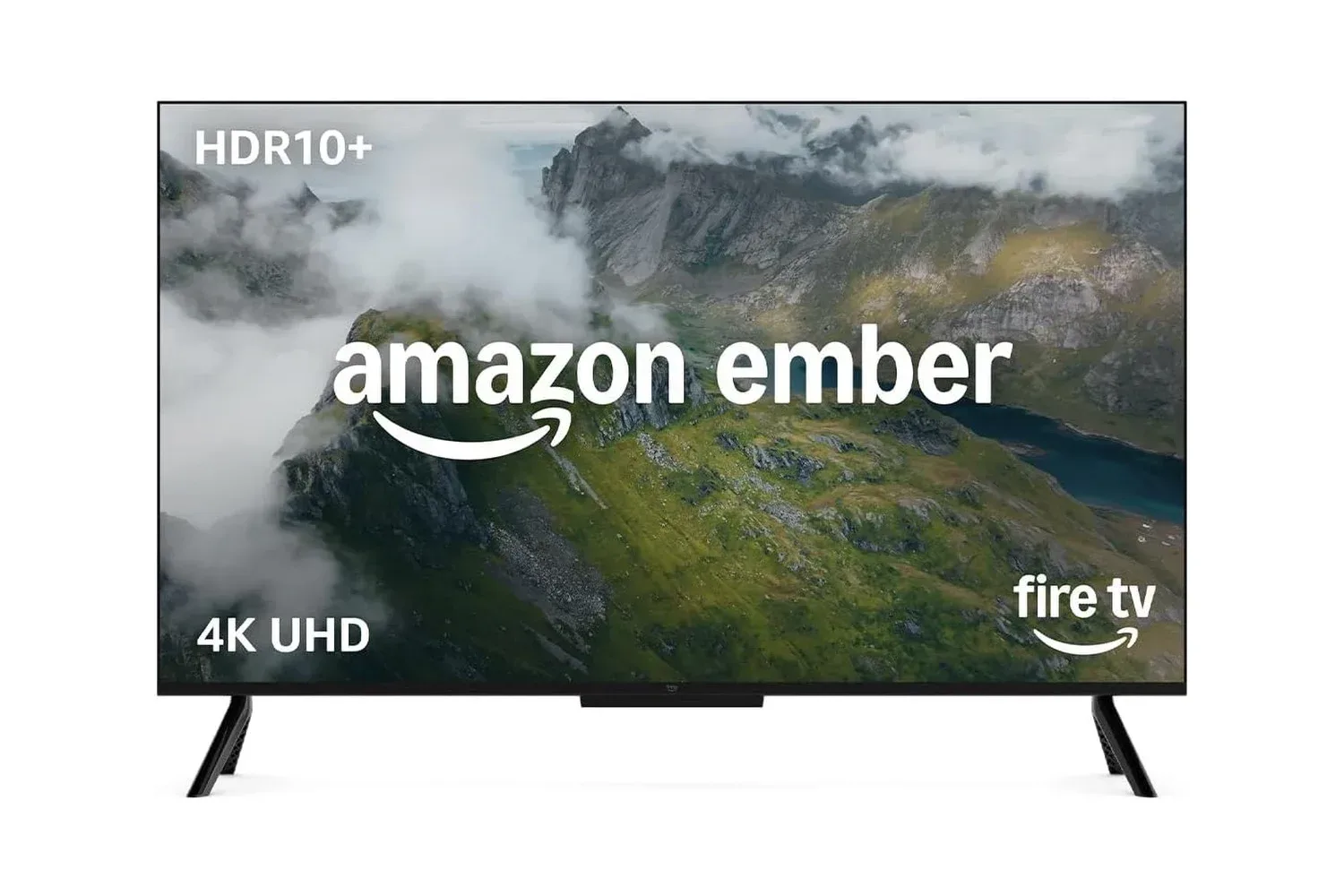
Amazon’s Ember 50-inch 4-Series Fire TV is listed at $240, down from a stated regular price of $400. That is a $160 reduction, or 40% off, for a television that combines a 4K screen, Fire TV streaming software, HDR10+ support, Dolby Audio, Alexa voice controls and connections for external devices.
The appeal is straightforward: this is not simply a display that requires a separate streaming stick or box before it can reach major apps. Fire TV is built in, placing app-based video, free ad-supported programming and live-TV options in the television’s own interface. For a living room, bedroom or game room where reducing device clutter matters, that integration is a practical part of the value rather than an afterthought.
Its price is the headline, but prospective buyers should consider the specification as a whole. A TV is usually a longer-lived purchase than a single subscription or streaming device, and the useful question is whether its picture format support, connections, audio options and smart-home functions fit the equipment already in the room.
What the 50-inch Ember 4-Series includes
The Ember 4-Series is a 50-inch smart TV designed around routine streaming. Its core picture specification is 4K UHD, a format with roughly four times the pixel count of 1080p. More pixels can allow compatible movies, shows and sports to present finer detail than a standard 1080p image, though viewers will need 4K content to take advantage of that higher-resolution display.
It also supports HDR10+. HDR, short for high dynamic range, concerns the range of brightness and color a display can reproduce. HDR10+ adjusts picture information scene by scene, aiming to retain more definition in bright portions of an image while also preserving detail in darker areas. In everyday terms, that means the television is equipped for content that uses the format; it does not mean every program available through an app will be delivered in HDR10+.
Fire TV serves as the set’s software layer. Prime Video, Netflix, YouTube and Disney+ are among the named apps available directly on the television, alongside free, ad-supported content and live-TV options. App availability is not the same as an included subscription, of course: paid services retain their own membership requirements. Still, having the platform pre-installed avoids the need to reserve an HDMI input for a separate streamer solely to reach those services.
The television uses a high-speed processor intended to keep menus responsive and help applications open quickly. That is a feature worth separating from raw picture quality. Processor performance affects navigation, app loading and the general feeling of using a smart-TV interface, while 4K and HDR10+ describe what the screen can show. Both shape the experience, but they solve different problems.
Alexa controls and the screen when it is idle
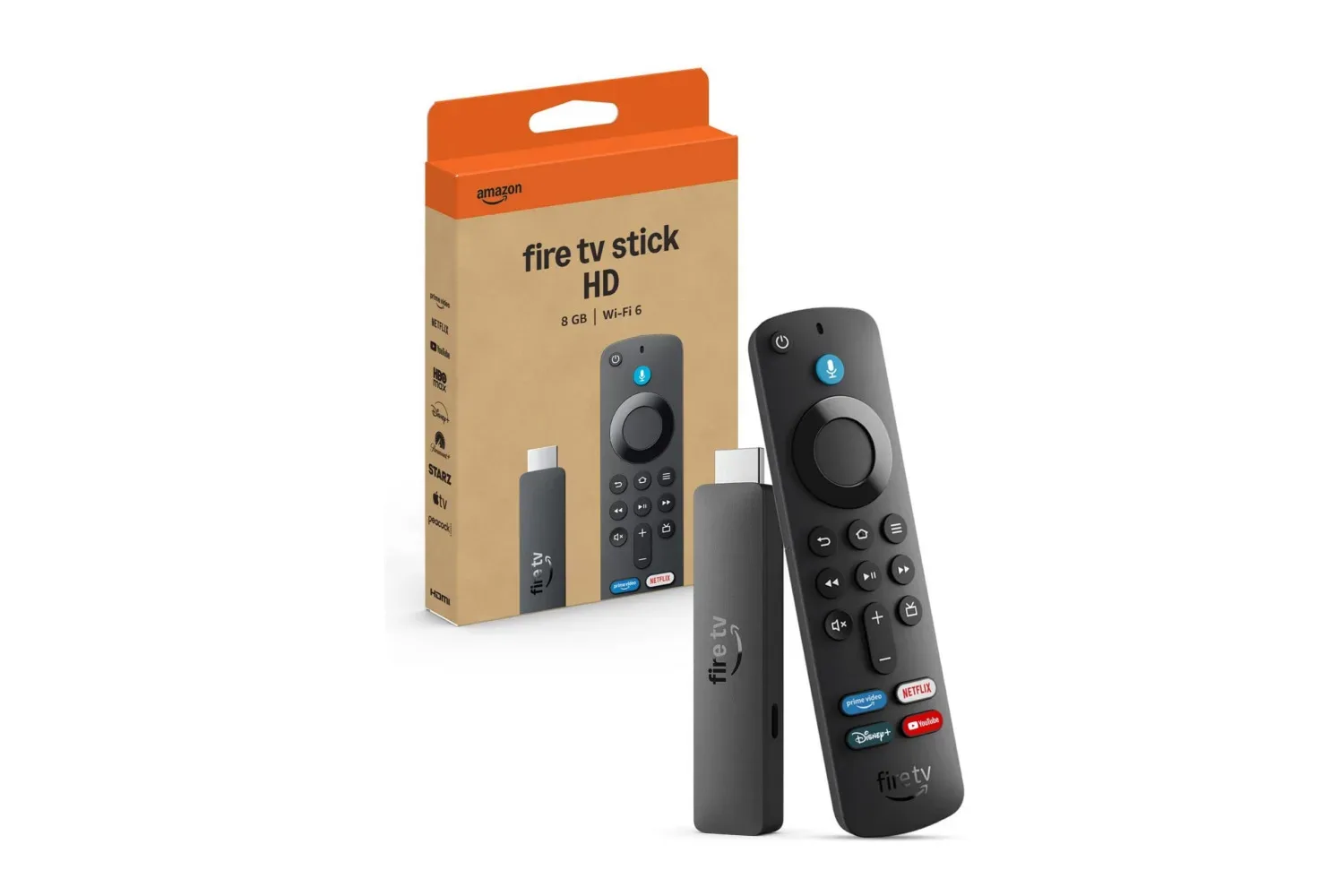
An Alexa Voice Remote is included. It can be used to search for programs, launch apps and control playback through spoken commands. That can be particularly convenient when a title is awkward to type with an on-screen keyboard or when a viewer knows what they want to watch but not which app has it.
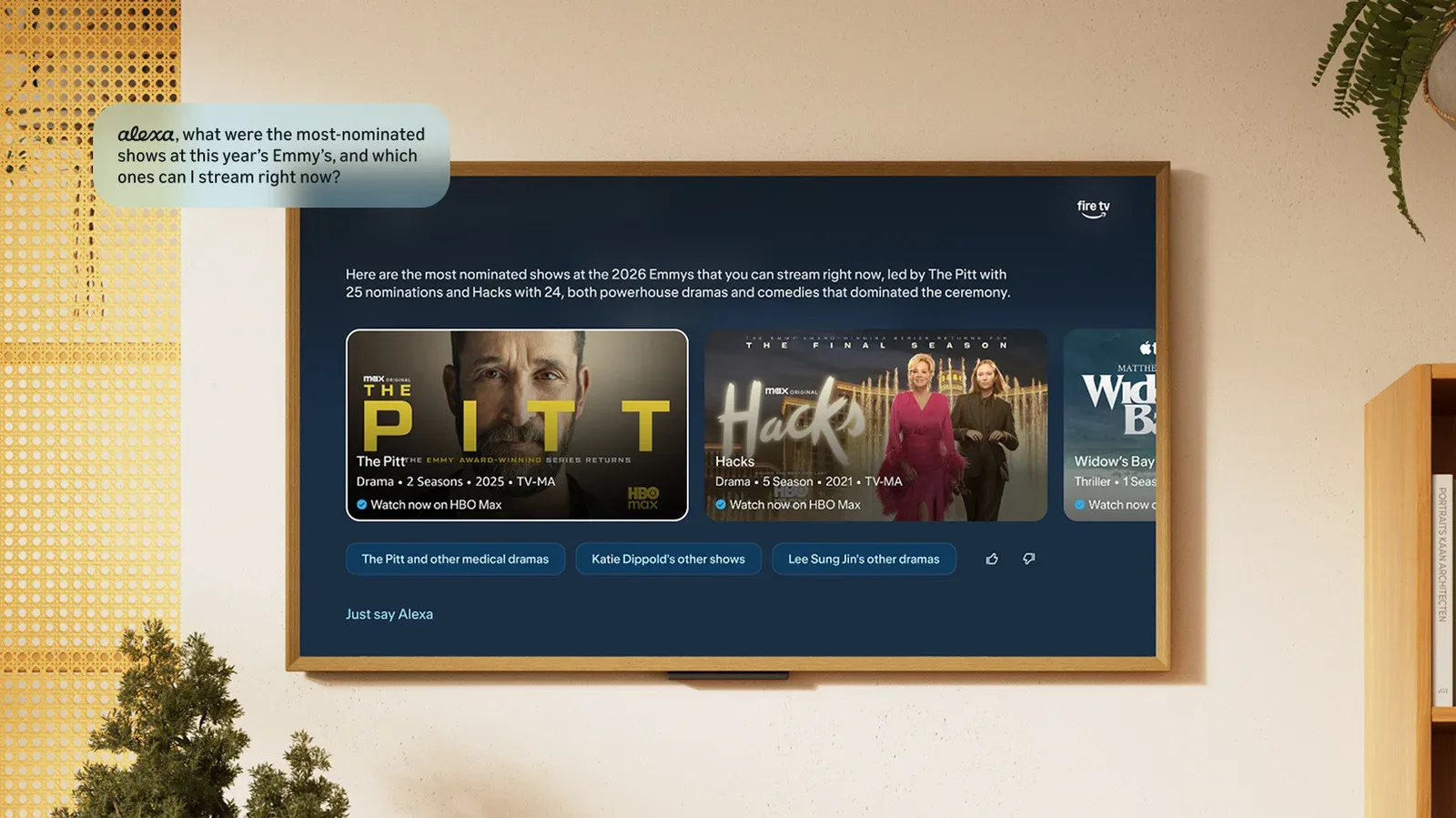
The set also supports Alexa+ suggestions for viewers who describe the kind of entertainment they are looking for rather than naming a specific show or film. This is a discovery feature: it is meant to help narrow down programming choices based on a verbal request, instead of requiring a precise title search.
Amazon’s Ambient Experience gives the panel a second role when no one is actively watching. Rather than leaving a blank black display on a wall, it can show artwork, photographs or information such as current weather conditions. Whether that feature matters will depend on placement. A television in a prominent living-room location may benefit from a less conspicuous idle screen, while a set used primarily for gaming or occasional viewing may make it less important.
The inclusion of voice and ambient functions also underlines that this is a connected television, not a display-only product. Buyers who prefer simple access to apps and smart-home features may see that as an advantage. Those choices are best made deliberately: a streaming platform, a voice assistant and optional smart-home controls are all part of the product’s day-to-day setup.
Connections matter for consoles and soundbars
For game systems, the most immediately relevant detail is that the Ember 4-Series has HDMI connections for devices including gaming consoles, streaming players and cable boxes. That makes it possible to attach the hardware already in use rather than relying only on the TV’s built-in apps. The available information identifies HDMI connectivity, but does not specify refresh-rate modes, input latency, HDMI version or other gaming-display measurements. Shoppers for whom those details are decisive should verify them before treating this as a purpose-built competitive-gaming display.
Audio is handled by built-in speakers with Dolby Audio support. Dolby Audio is intended to deliver clear sound through the television itself. For viewers who want more scale or fuller sound than integrated speakers can provide, the TV includes HDMI eARC.
eARC stands for enhanced Audio Return Channel. In simple practical terms, it is the HDMI connection used to send TV audio back to a compatible soundbar. That can reduce cable complexity because a soundbar connected through the appropriate HDMI port can receive audio from the television and its connected sources. A soundbar is not included in the stated package, but the eARC connection gives owners a defined path to add one later.
This flexibility is important at a lower price point. Someone can use the television on its own at first, then connect a console, media player or soundbar if their room and budget change. Conversely, buyers should avoid assuming that every external-device or performance feature is implied merely because the set has HDMI ports. The supplied details confirm the connections and eARC support, not the complete technical specifications of every HDMI use case.
A streaming TV that can also be a smart-home screen
Beyond entertainment, the Ember 4-Series can act as a central display for compatible smart-home devices through Alexa. The stated functions include controlling compatible lights and thermostats and viewing live feeds from compatible security cameras on the television screen.
That gives the large panel a possible household role beyond movies and games. For example, a viewer can bring up a compatible camera feed without moving to another screen, or use the TV interface to control compatible lighting and temperature equipment. Compatibility remains the key term: these abilities rely on the relevant devices working with Alexa.
This kind of integration may be most useful to people who already use Alexa-compatible equipment. For everyone else, it is best understood as a capability included with the TV rather than a reason to buy a new ecosystem. The core proposition remains a 50-inch 4K smart television with Fire TV included; the smart-home controls are an additional layer.
How to assess the $240 offer
At the listed $240 price, the Ember 50-inch 4-Series combines several features that would otherwise be handled by separate equipment: the 4K display, a streaming interface, voice remote, artwork-and-information idle mode, and Alexa-based smart-home access. It also leaves room for expansion through HDMI devices and an eARC-connected soundbar.
For streaming-first households, the decision can be framed around a few concrete questions:
- Is a 50-inch screen the appropriate size for the intended room?
- Will the household use Fire TV’s apps, free ad-supported selections or live-TV options?
- Does HDR10+ support match the type of content the buyer expects to watch?
- Is the eARC port useful for a current or planned soundbar?
- Are Alexa voice control, camera viewing, lighting and thermostat controls features that will actually be used?
For players, the set can function as a general console screen through its HDMI inputs, while its built-in Fire TV platform handles streaming between sessions. The provided information does not establish specialist gaming specifications, so it is sensible to distinguish basic console compatibility from higher-end performance requirements.
Anyone tracking home-entertainment hardware may also want to keep an eye on broader device and retail developments, including recent retail news involving Apple. In this case, though, the immediate figures are uncomplicated: the Amazon Ember 50-inch 4-Series Fire TV is stated to be $240 rather than $400, a 40% reduction, with 4K UHD, HDR10+, Dolby Audio, Fire TV and Alexa functionality forming the main feature set.
As with any retailer listing, pricing and stock can change. The cited reduction is the listed offer described here, so buyers should confirm the current page price and the full specifications that matter to their setup before purchasing.
Shop the products
Check current price, model and availability at the retailer.