Amazon has blocked Meta’s Muse AI agent from shopping on its online store, creating an early and unusually clear fault line in the emerging market for agentic software. People attempting to use Muse on Amazon are now met with a notice saying that continued access by an unauthorized AI agent violates Amazon’s Conditions of Use.
The immediate result is simple: Muse cannot use Amazon as part of its shopping workflow. The larger dispute is less simple. Amazon says third-party software that purchases from another business on a customer’s behalf should operate openly and respect that business’s choice to participate. Meta’s new product, meanwhile, is designed to help people pursue tasks across the web, including shopping.
That makes this more than a dispute over one shopping destination. It is a practical test of whether a personal AI agent can move through services in the same way a customer does, or whether the sites being used can insist on explicit participation, disclosure and technical access on their own terms.
What Muse is designed to do
Meta introduced Muse earlier in September as a personal AI agent intended to proactively assist with goals and suggest ideas. Its listed capabilities include completing forms, sending emails and shopping. For purchases, Muse can use a generated single-use card from Link by Stripe.
An AI agent is software that does more than answer a question or generate text. In this context, it can take steps toward a user’s objective: navigating pages, entering information and progressing through a purchase flow. That difference matters. A conventional search or recommendation tool points a person toward options. An agent may attempt to act within the transaction itself.
That added autonomy can be convenient, but it also puts the software directly into systems that have their own rules, security measures and expectations around visitor identity. An online shop may be built around a customer operating a browser personally, while an agent can introduce another party into that interaction: the company providing the agent and the automated tool acting at the customer’s direction.
Muse’s reported Amazon block shows that being able to technically navigate a website is not necessarily the same as having permission to do so for commercial transactions.
Amazon’s objection: disclosure and participation
Amazon says it first asked Meta to voluntarily remove Amazon from Muse’s reach. Its position is that third-party applications that make purchases for people from other businesses should be transparent and should honor a provider’s decision about whether to join the experience.
“Continued access by an unauthorized AI agent violates Amazon’s Conditions of Use,” the notice shown to Muse users states.
Amazon has compared the situation to established intermediaries such as food-delivery apps working with restaurants, delivery services working with stores, and online travel agencies booking with airlines. The company’s point is not merely that an outside service is involved. It is that the service provider whose goods or services are being accessed should be able to decide if and how that relationship works.
That framing places the emphasis on consent and operational accountability. A participating business may be able to establish expectations for transaction data, customer support, errors, cancellations and security. Amazon’s stated view is that agentic third-party applications carry comparable obligations.
There is an important distinction here between access and integration. Access is the ability to reach a webpage and attempt to interact with it. Integration is a mutually recognized relationship in which the service and the outside application agree on the mechanics of participation. Amazon is arguing that shopping agents should not treat those as interchangeable.
Why identification appears to be central
Amazon is reportedly concerned that Muse does not identify itself while browsing the site. That concern gets to a key technical and commercial question for the category: when software performs actions for a person, should the website be told that software is operating?
There are multiple reasons a site may care. Identification can help a service distinguish ordinary customer behavior from automated activity, apply its policies consistently and investigate unexpected actions. It can also affect what a website considers a reliable customer experience. If an agent misreads an option, advances through the wrong flow or creates a dispute over an attempted order, the customer may see only the retailer at the end of the process.
Amazon has also raised privacy and security concerns, including the possibility of an agent accessing or retaining customer information. The available details do not establish what information Muse accessed on Amazon or how any particular transaction would have handled data. They do, however, explain why a retailer may want visibility into software that is navigating customer-facing pages.
For users, “agentic” does not mean “frictionless” in every setting. An agent may be empowered to take actions, but each destination can still impose limits. The current block is a useful reminder to check whether a task actually completed rather than assuming an agent’s attempted workflow reached the intended endpoint.
Meta’s account of credentials and payments
Meta has presented Muse as a secure and private personal agent. In its description of the product, Meta says Muse cannot see a person’s passwords or payment methods. It says credentials shared by a person go into secure storage so Muse can use them without viewing them, including passwords entered in the browser.
This describes a separation between the agent and sensitive credentials. In simple terms, a system can be designed so that a user provides a password or payment detail through a protected mechanism, while the agent receives only the ability to continue the authorized task rather than the secret itself.
A single-use card, such as the payment method Muse can generate through Link by Stripe, is a card number created for an individual payment context rather than a person’s ordinary card number. The supplied information does not detail how the card is implemented in every situation, but the term signals an effort to limit the use of payment information in an automated shopping process.
Those assurances address an important user concern, but they do not by themselves resolve Amazon’s stated objection. Amazon’s position also concerns whether the agent disclosed itself and whether Amazon agreed to participate. Privacy protections for stored credentials and permission from a service being browsed are related issues, but they are not the same issue.
What the block means for people using shopping agents
For now, the direct implication is straightforward: anyone relying on Muse should not expect Amazon purchases to work through the agent. A shopping goal that includes Amazon may need to be completed manually or pursued through a different retailer, depending on the user’s needs and the services the agent can access.
It is also sensible for users to keep a close eye on the final stages of any agent-assisted purchase. Before an order is placed, confirm the product, variant, quantity, delivery details and total. Those are basic shopping checks, but they become especially relevant when the steps leading up to checkout are being handled by software.
- Confirm the destination: An agent may face access limits at particular websites, even if it can help with related research or form filling.
- Review credentials carefully: Use only the account and payment flows you are comfortable authorizing, and understand whether a service is using secure storage or a single-use payment method.
- Verify checkout details: Check the final product and transaction information yourself before committing to a purchase.
- Expect uneven support: A tool’s general shopping capability does not guarantee that every retailer will allow it to act there.
These are not unique to Muse, but Amazon’s response makes the limitations unusually visible. A product can be promoted as a web-capable assistant and still encounter retailer-level decisions that change what it can accomplish.
The bigger issue is control of the shopping experience
Amazon and Meta are describing different priorities. Amazon emphasizes a safe, secure and reliable experience, along with a service provider’s choice to participate. Meta emphasizes a private agent that can help users take action, while saying the agent cannot see passwords or payment methods.
Neither description alone answers every operational question an AI-shopping interaction can create. Who identifies the agent to a retailer? What information does the retailer receive about the action? What happens when a purchase needs support or correction? When does a site regard a customer-authorized agent as acceptable, and when does it require a formal arrangement?
The supplied statements do not provide answers to those questions, nor do they establish whether Meta will change Muse’s behavior or whether Amazon could permit access under different terms. What is clear is that Amazon has asked Meta to remove Amazon from the Muse experience and has enforced that request with a block.
For the broader technology landscape, the episode highlights the gap between an agent’s promise and its real-world operating environment. An agent can be built to carry out a chain of tasks, yet its usefulness depends on the services at each stage accepting that chain. Online shopping is particularly sensitive because it combines personal accounts, customer information, payment mechanisms and retailer policies.
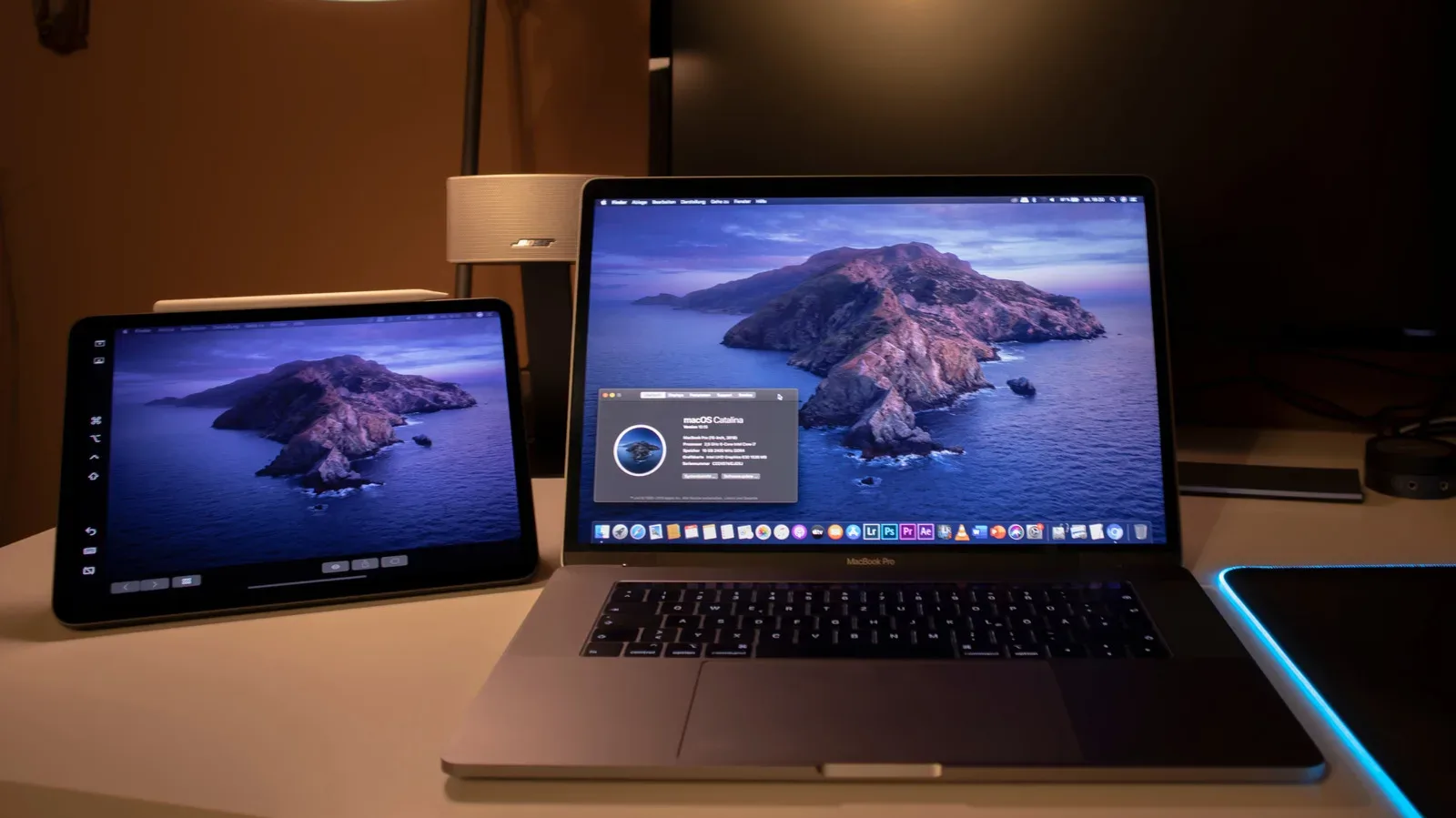
People already use connected devices and services to streamline everyday tasks; the practical setup considerations around that broader ecosystem can be just as important as the headline features, as explored in this guide to using an iPad as a second screen. The Muse dispute adds another layer: automation may be technically sophisticated, but it still has to coexist with the permissions and boundaries of the platforms it touches.
An early boundary for agentic commerce
Amazon’s move does not establish a universal rule for AI agents or online retailers. It is, however, a concrete boundary set by one major shopping platform against one newly launched personal agent. The company says Muse is unauthorized and that it has requested Meta remove Amazon from the experience.
Meta’s claims about secure credential storage and lack of visibility into passwords or payment methods remain central to how it presents Muse. Amazon’s concerns about identification, privacy, security and participation remain central to why it has blocked the agent. Until those positions align—or either company changes course—Amazon is outside Muse’s shopping workflow.