Apple’s AirPods Pro 3 were listed for $199, down from a stated usual price of $249. That is a $50 difference, or 20% off, for iPhone-focused wireless earbuds that combine active noise cancellation, workout-oriented heart-rate sensing, translation tools and hearing-related features in one small device.
As with any retailer listing, the price and stock position can change. The practical takeaway is not that $199 is guaranteed indefinitely, but that it was the relevant listed price at the time of the offer. Anyone considering the earbuds should check the current listing, delivery estimate and applicable feature requirements before buying.
The AirPods Pro 3 proposition is broader than simply listening to music. Apple positions them around several everyday situations: blocking distractions while working or commuting, keeping some awareness while out and about, tracking exercise, handling calls, watching video and communicating across languages. Whether that breadth is valuable depends on how much an iPhone owner will actually use the extra functions beyond standard Bluetooth audio.
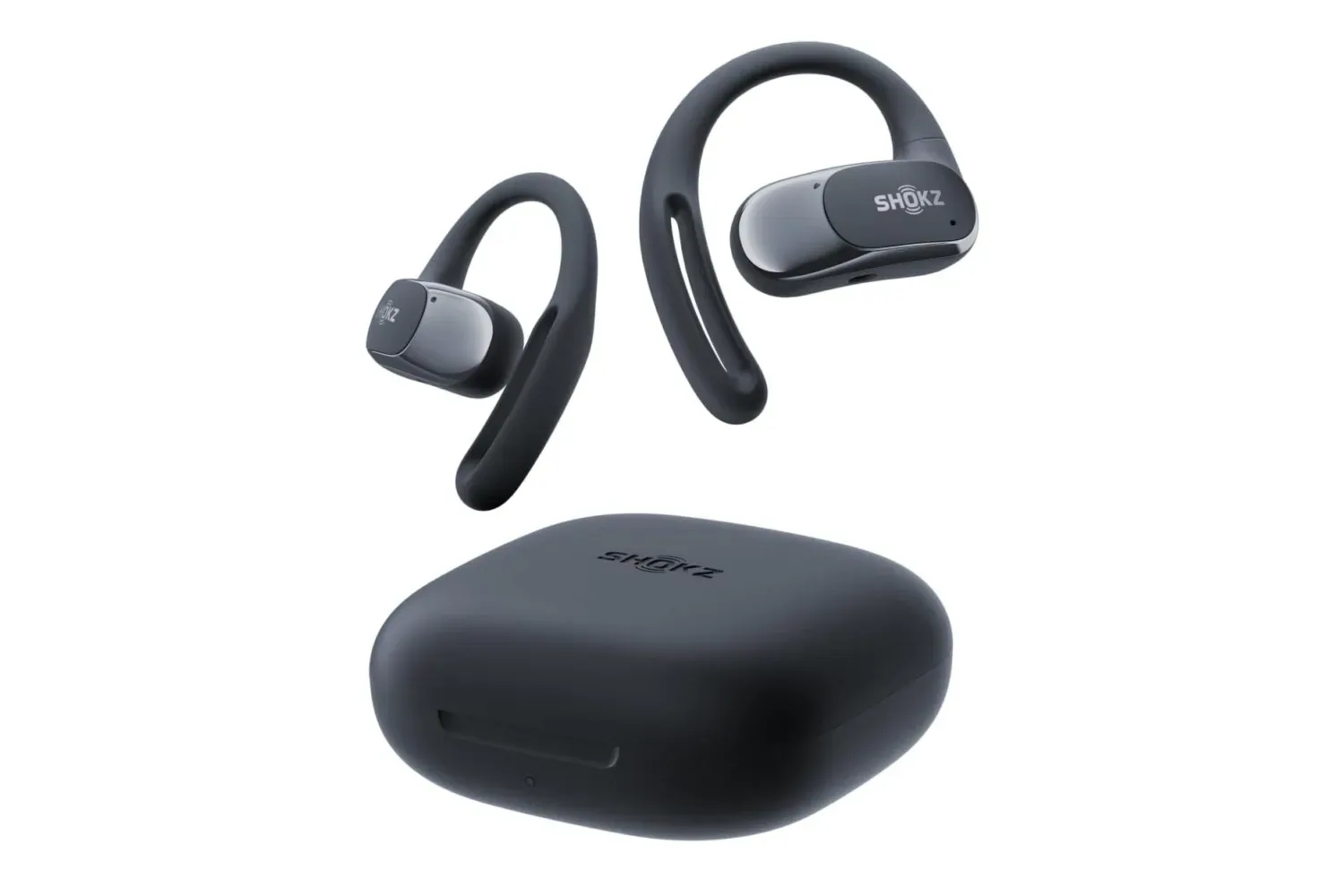
For another recent look at how earbuds can prioritize awareness rather than isolation, see our coverage of the Shokz OpenFit Air’s open-ear approach. AirPods Pro 3 take the opposite physical approach with in-ear tips, while offering software modes intended to let outside sound back in when needed.
The $199 listing and what is included
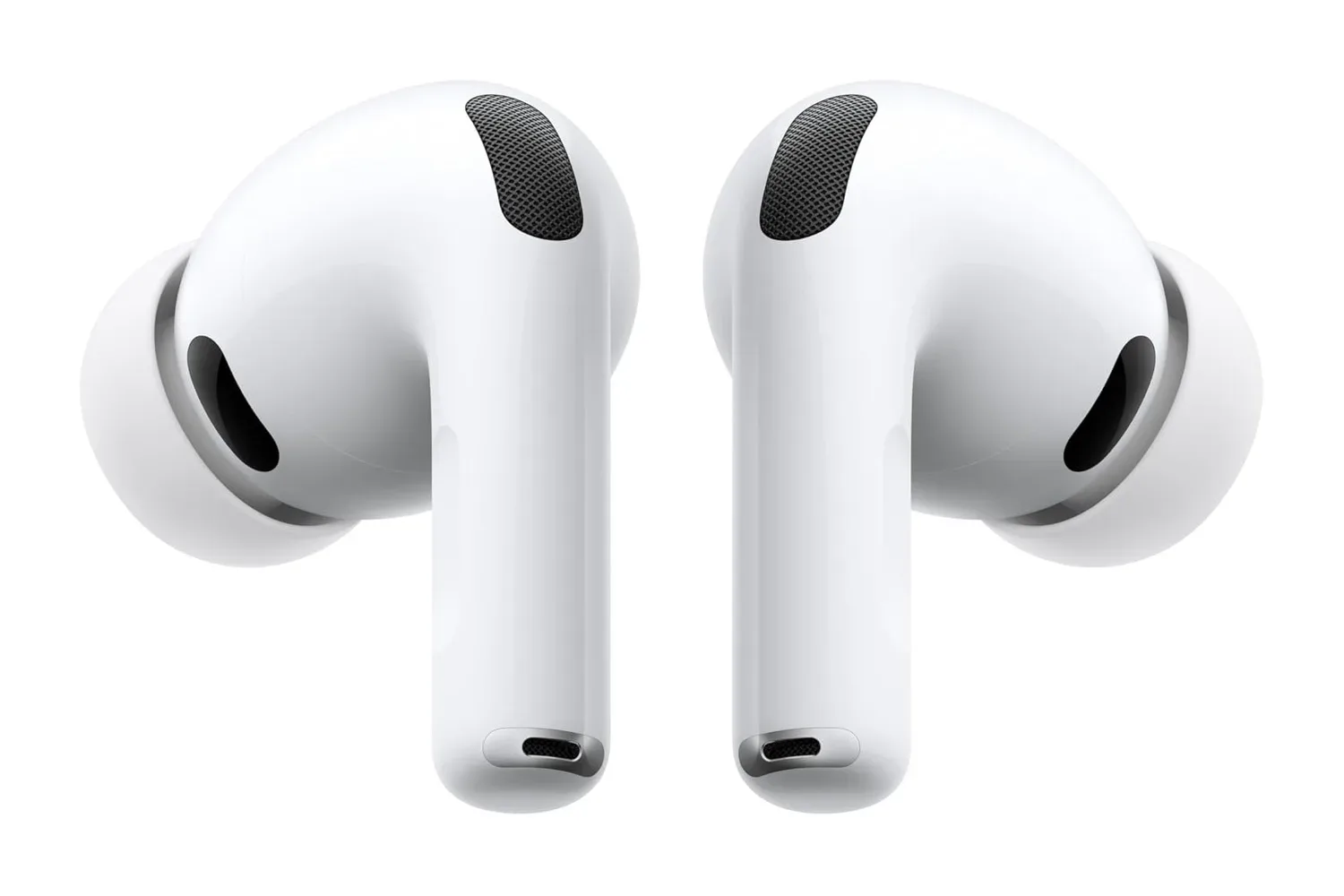
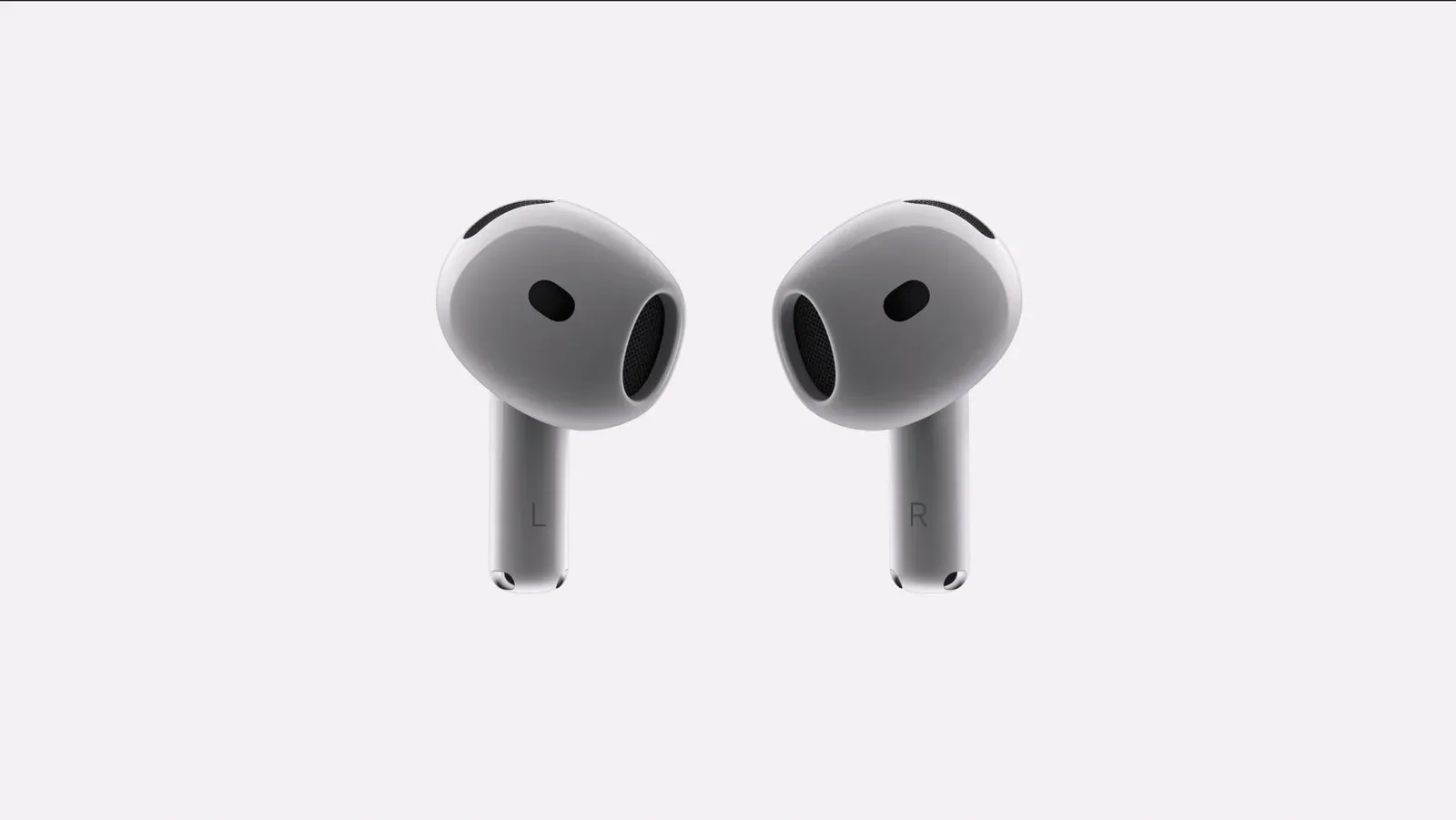
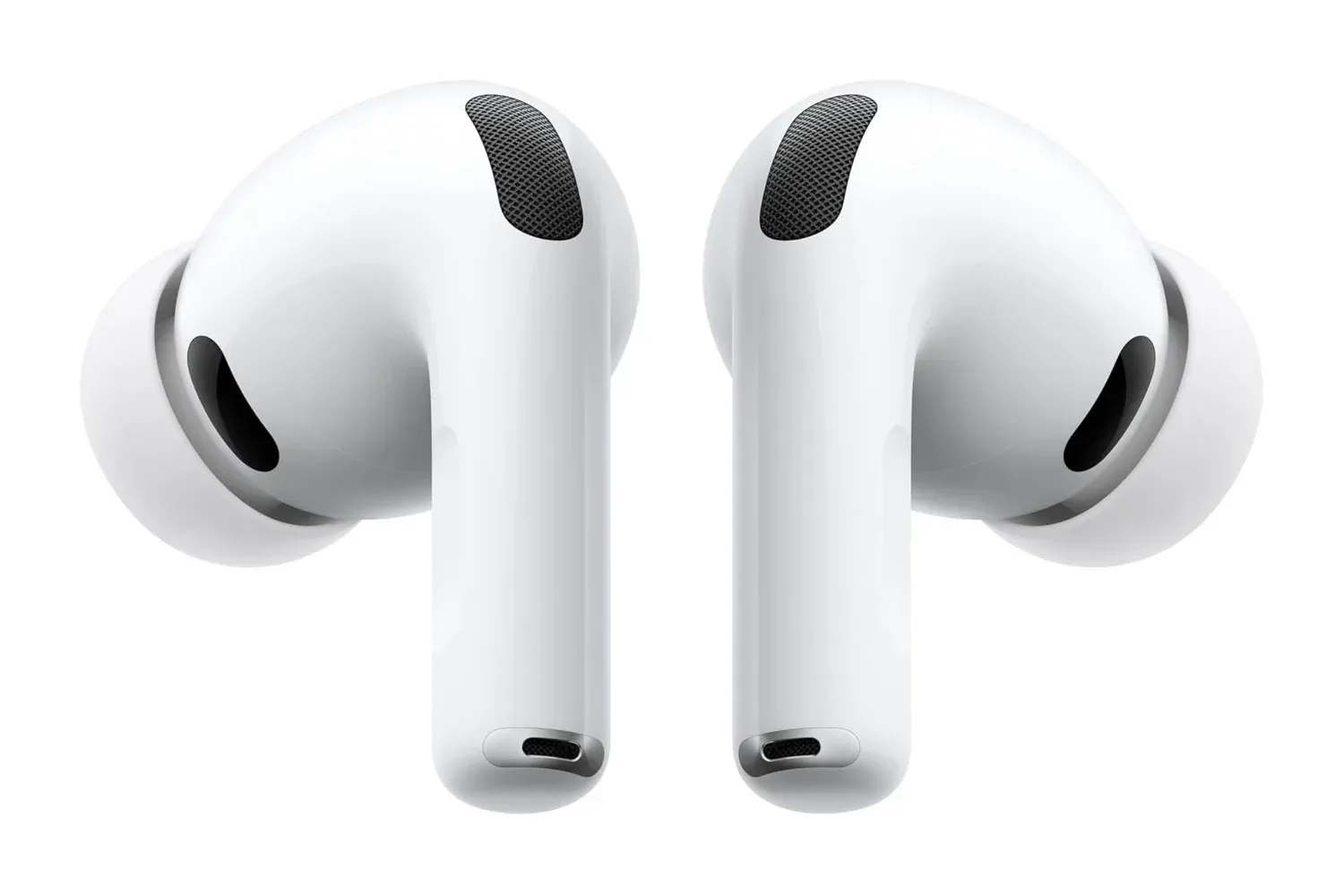
The discounted listing concerns AirPods Pro 3 with a USB-C charging case. Their stated hardware and feature set includes active noise cancellation (ANC), Transparency mode, Adaptive Audio, Conversation Awareness, Personalized Spatial Audio, heart-rate monitoring, Live Translation, voice isolation for calls, Find My support and an IP57 rating. The earphones also come with foam-infused ear tips in five sizes: XXS, XS, S, M and L.
That last detail matters more than it may first appear. In-ear noise cancellation is affected by fit: a tip that does not seal well can allow external sound in and undermine both passive isolation and the perceived effect of ANC. The inclusion of sizes ranging from XXS to L provides more options than a one-size approach, while the foam-infused design is intended to improve the fit and exclude more ambient sound.
The earbuds are explicitly aimed at iPhone owners. Several of the most distinctive functions described here rely on pairing with an iPhone or Apple’s wider software ecosystem, including workout-related activity information and Apple Intelligence-powered features. A prospective buyer should therefore treat the $199 price as part of an iPhone accessory purchase, not assume every headline feature will carry over in the same way to another phone platform.
Noise control is the core listening feature
Active noise cancellation uses the earbuds’ microphones and processing to reduce unwanted environmental sound. In plain terms, it is designed to make a noisy setting feel quieter without requiring the listener to turn media up as far. The supplied information specifically frames ANC as useful at work and during exercise.
Related coverage includes AirPods Pro 3 Are Listed at $199 With ANC, Heart Rate Tracking and Live Translation.
ANC is not the same thing as total silence. It is a noise-reduction system, while the physical tip seal provides additional isolation. The practical benefit is situational: people who spend time around persistent background sound may value it most, while someone who mainly listens at home may get less day-to-day use from the feature.
Transparency mode addresses the other side of that choice. Rather than sealing the listener off, it is intended to let them hear their surroundings when appropriate. That can make it easier to remain aware of nearby activity without removing an earbud.
Apple also lists Adaptive Audio, which dynamically adjusts noise cancellation and transparency based on the user’s location, and Conversation Awareness, which lowers music volume when the wearer starts speaking. These features are essentially automation layers around the main listening modes. Their appeal is convenience: less manual switching between a quieter, more isolated listening experience and a more aware one.
The important distinction is that the earbuds offer choices, not one universal ideal. An office listener may prefer strong noise reduction; someone moving through public spaces may prefer transparency; a person regularly shifting between both environments may find the automatic features more useful. Buyers who want maximum awareness at all times may still prefer an open-ear design instead of an in-ear, noise-cancelling model.
Heart-rate sensing moves fitness data into the earbuds
AirPods Pro 3 add built-in heart-rate monitoring. Apple says the earbuds can track heart rate and calories burned across 50 workout types. When paired with an iPhone, they can also help users close the Move ring, track step count and receive Workout Buddy encouragement powered by Apple Intelligence.
This is a notable expansion of what a pair of earbuds can do, because fitness information is being gathered from something many people already wear for music or coaching during exercise. For a user who does not want another device on their wrist for every session, that can make the earphones a more practical all-in-one companion.
At the same time, the feature should be judged by routine rather than novelty. The tracking is most meaningful for someone who regularly works out with earbuds and values the associated activity data. A buyer who uses earbuds primarily for calls or occasional travel is paying for hardware they may rarely engage. The listing makes a clear case for runners, gym users and others who already listen during workouts, particularly because the earbuds are described as capable of handling heavy sweating and dust.
The IP57 rating is relevant here. An IP rating communicates resistance to environmental exposure; in this case, the stated rating supports use around sweat and dust during workouts. It should not be read as a blank-check promise for every water-related scenario. The supported claim is that the earbuds are designed to withstand heavy sweating and dust, which is the practical concern for most exercise sessions.
Live Translation, calls and media features
One of the more ambitious software features is Live Translation, powered by Apple Intelligence. It is described as translating spoken words in real time for cross-language communication. Potential use cases include travel, ordering food and speaking with people who use another language.
“Real time” here means the feature is intended to help during a live conversation rather than requiring the user to type or translate a sentence separately beforehand. It is a convenience feature with clear situational value, but buyers should make sure their iPhone and software setup meet the requirements for Apple Intelligence-powered tools. The supplied information does not establish language availability, regional availability or performance limits, so those are details worth confirming directly before treating translation as a purchase-deciding feature.
For phone calls, AirPods Pro 3 include Voice Isolation, intended to make the wearer’s voice clearer to the person on the other end. That makes the earbuds relevant beyond music and workouts, particularly for people who routinely take calls outside a quiet room.
For films and television, Personalized Spatial Audio is designed to place sound around the listener for a more immersive presentation. It is an audio-processing feature rather than a statement about video quality, but it can be a meaningful part of the package for people who watch media on an iPhone. The earbuds can also act as a remote for an iPhone camera, allowing a user to trigger group photos without physically touching the phone.
Battery claims and hearing-related tools
Apple’s stated battery estimate is up to eight hours of playback with ANC enabled. The estimate rises to up to 10 hours when using the Hearing Aid feature in Transparency mode. With the charging case included, the claimed total battery life is up to 24 hours. A five-minute charge is said to provide roughly one hour of battery life.
These numbers describe different modes, so they should not be collapsed into a single expectation. Eight hours is the relevant figure for playback with ANC on, while 10 hours is tied specifically to Hearing Aid use in Transparency mode. The case total describes the broader amount of listening time available after recharging the earbuds from the case. Actual use can vary with settings and listening patterns, but the distinctions in the published claims are useful when comparing them with a person’s typical day.
The hearing-related set of functions includes a hearing test and the ability to act as a hearing aid if needed. These are potentially important accessibility-oriented additions, yet buyers should not infer details that have not been provided about eligibility, setup, professional guidance or regional support. The best reading is that AirPods Pro 3 integrate hearing-health tools alongside their entertainment and communication roles.
Find My support extends to the charging case and earbuds, providing a way to locate them if they are misplaced. Since true wireless earphones are small and regularly moved between pockets, bags and desks, that can be a practical safeguard rather than a flashy extra.
Who the reduced-price AirPods Pro 3 make the most sense for
At the listed $199 price, AirPods Pro 3 make the clearest case for an iPhone owner who wants several functions from the same pair of earbuds: ANC for commutes or concentration, a secure workout-oriented fit, heart-rate data during exercise, call support, media features and occasional translation help. The discount lowers the entry point, but it does not change the central buying question: will those integrated functions be used?
- Best fit: iPhone users who listen during workouts, commutes and calls, and who value both noise reduction and a transparency option.
- Potentially compelling: travelers or multilingual households that expect to use Live Translation, subject to checking compatibility and availability.
- Worth considering for fitness: people who want heart-rate and activity information while using earbuds for their regular workouts.
- Less compelling: listeners who only need basic audio playback, do not use an iPhone or strongly prefer an open-ear fit.
The reduced listing bundles a substantial feature set into a compact accessory: five ear-tip sizes, ANC and transparency controls, IP57 protection, an estimated eight hours with ANC, charging-case reserves and ecosystem-specific smart features. Confirm the current price, stock and device compatibility, then weigh the $199 cost against the functions that genuinely fit your own listening, exercise and communication habits.
Shop the products
Check current price, model and availability at the retailer.