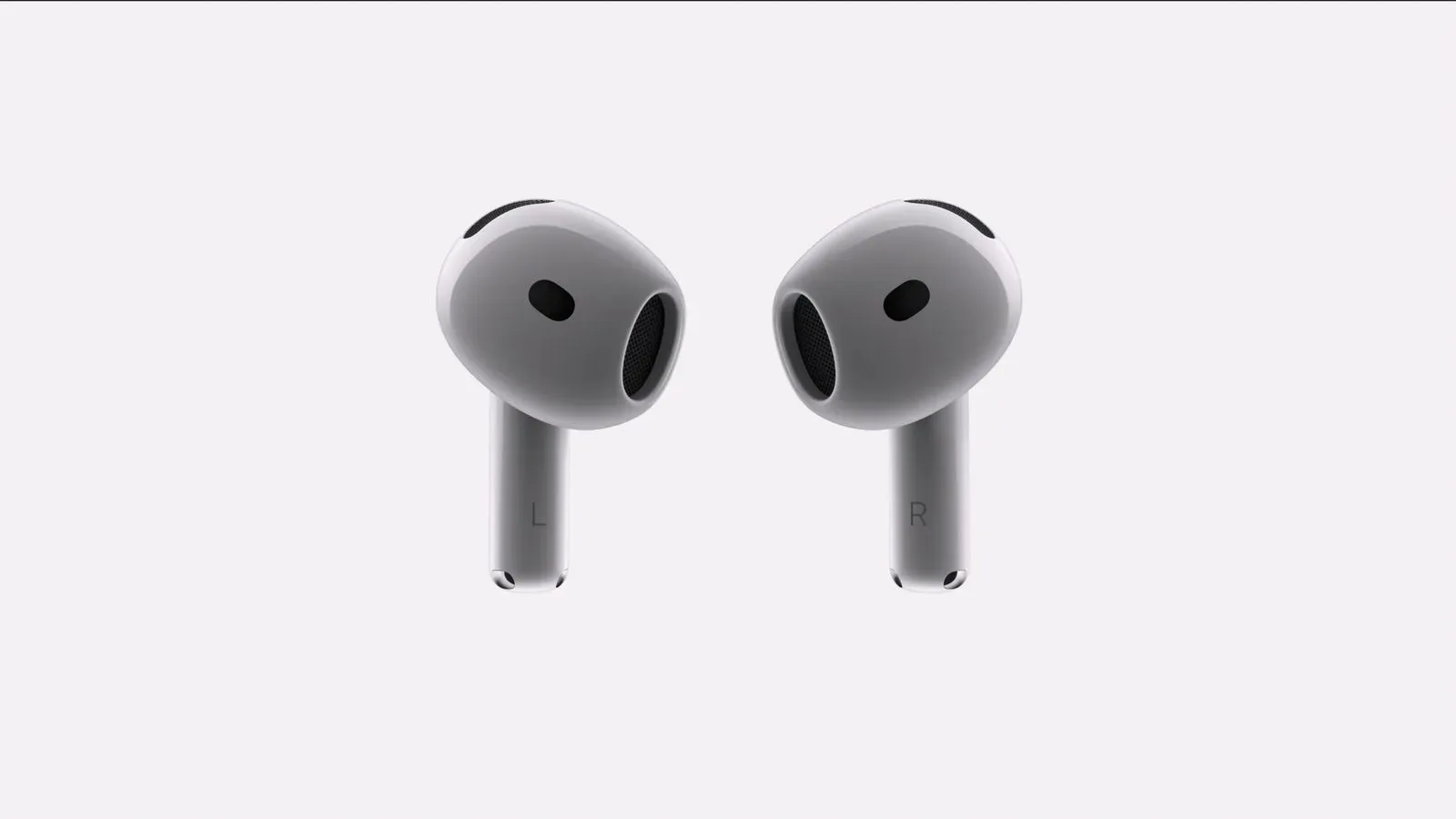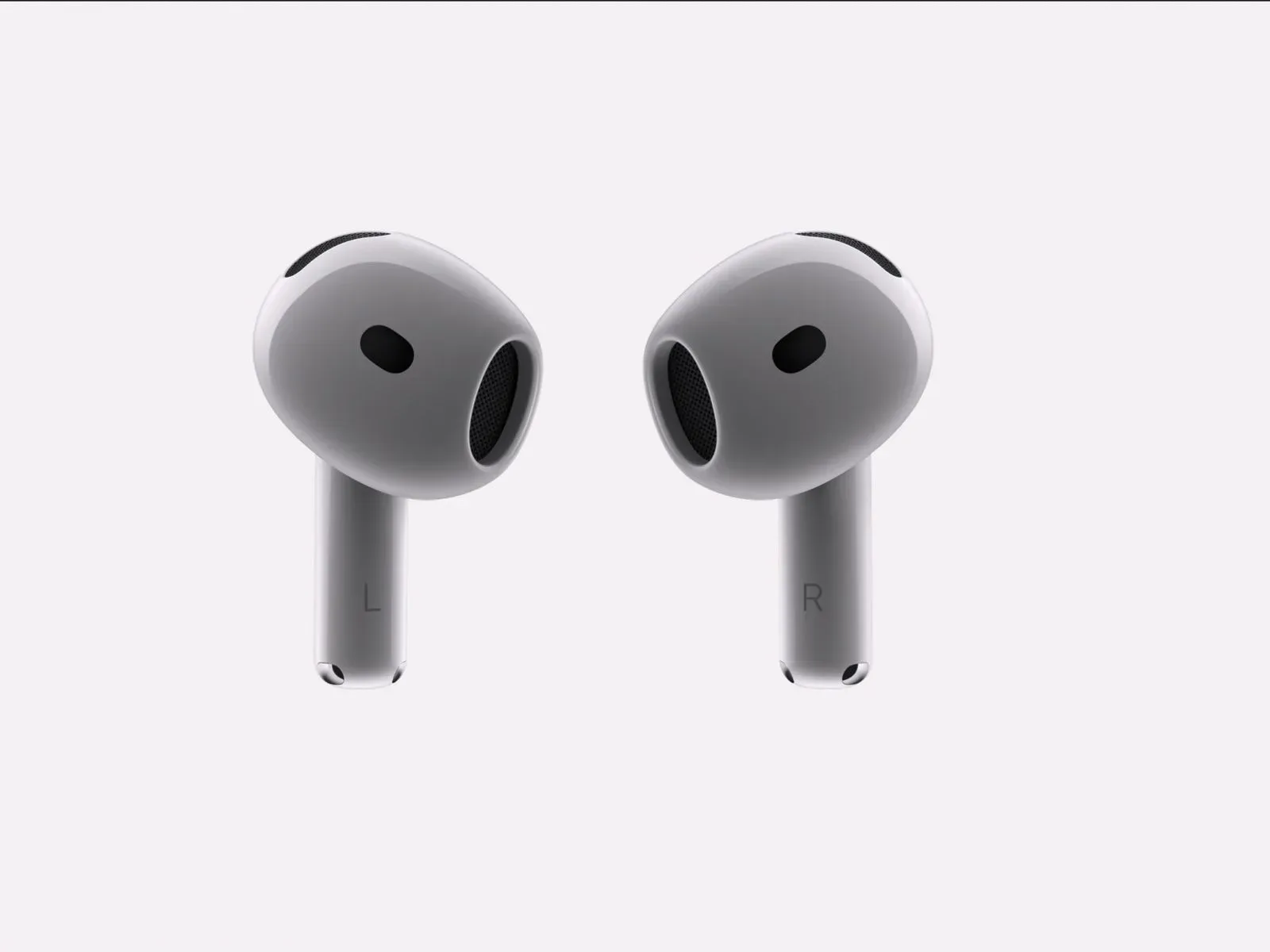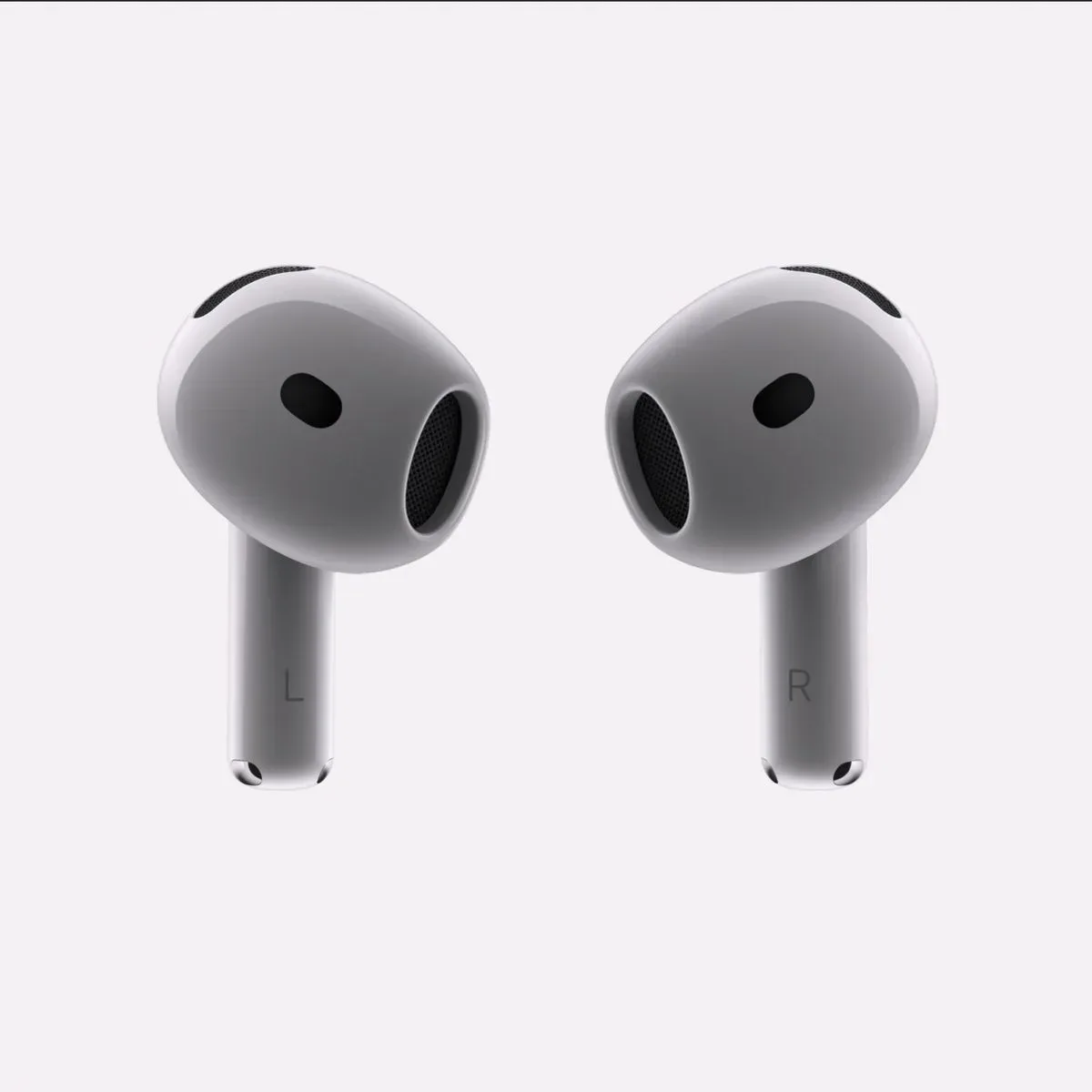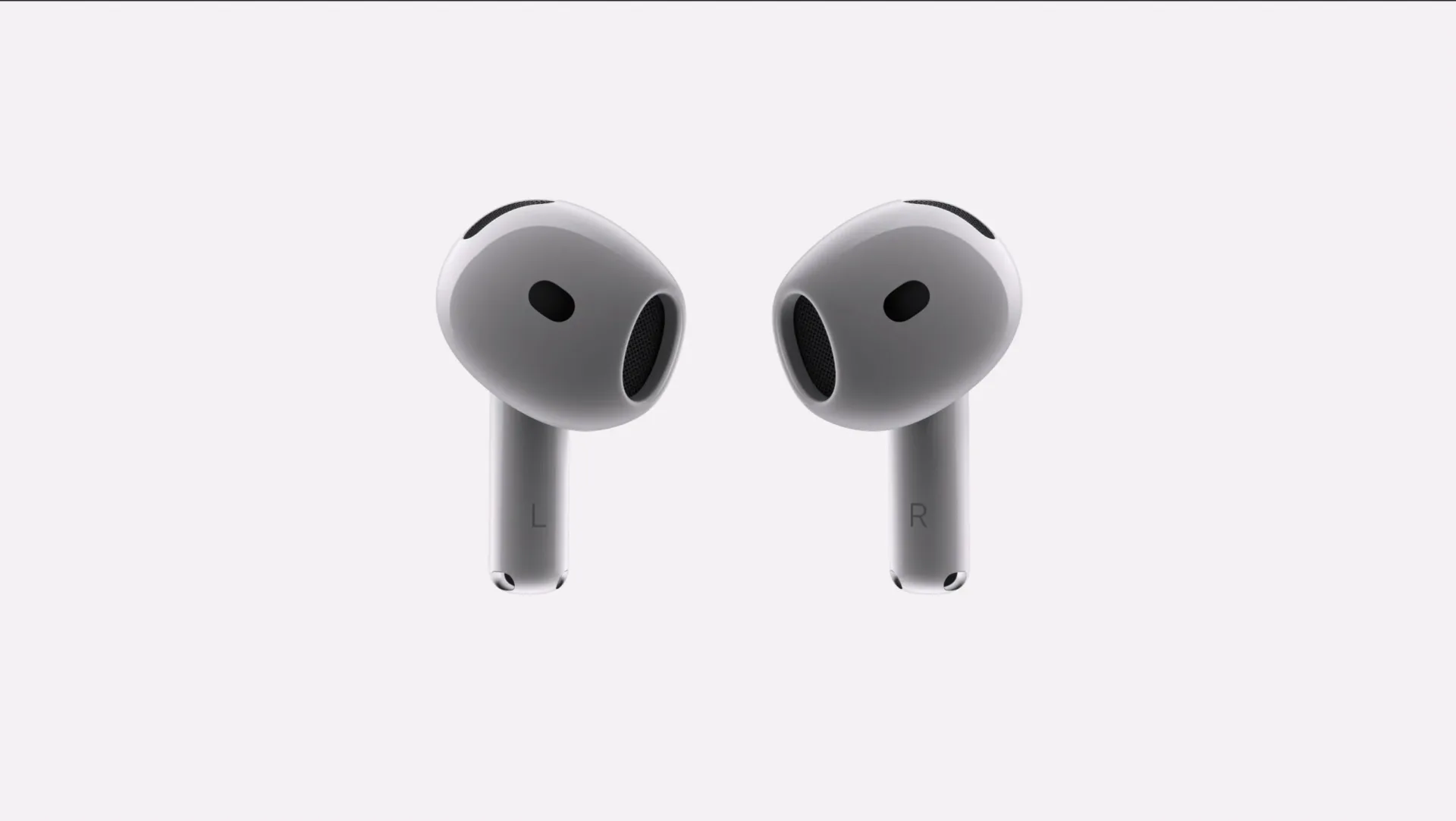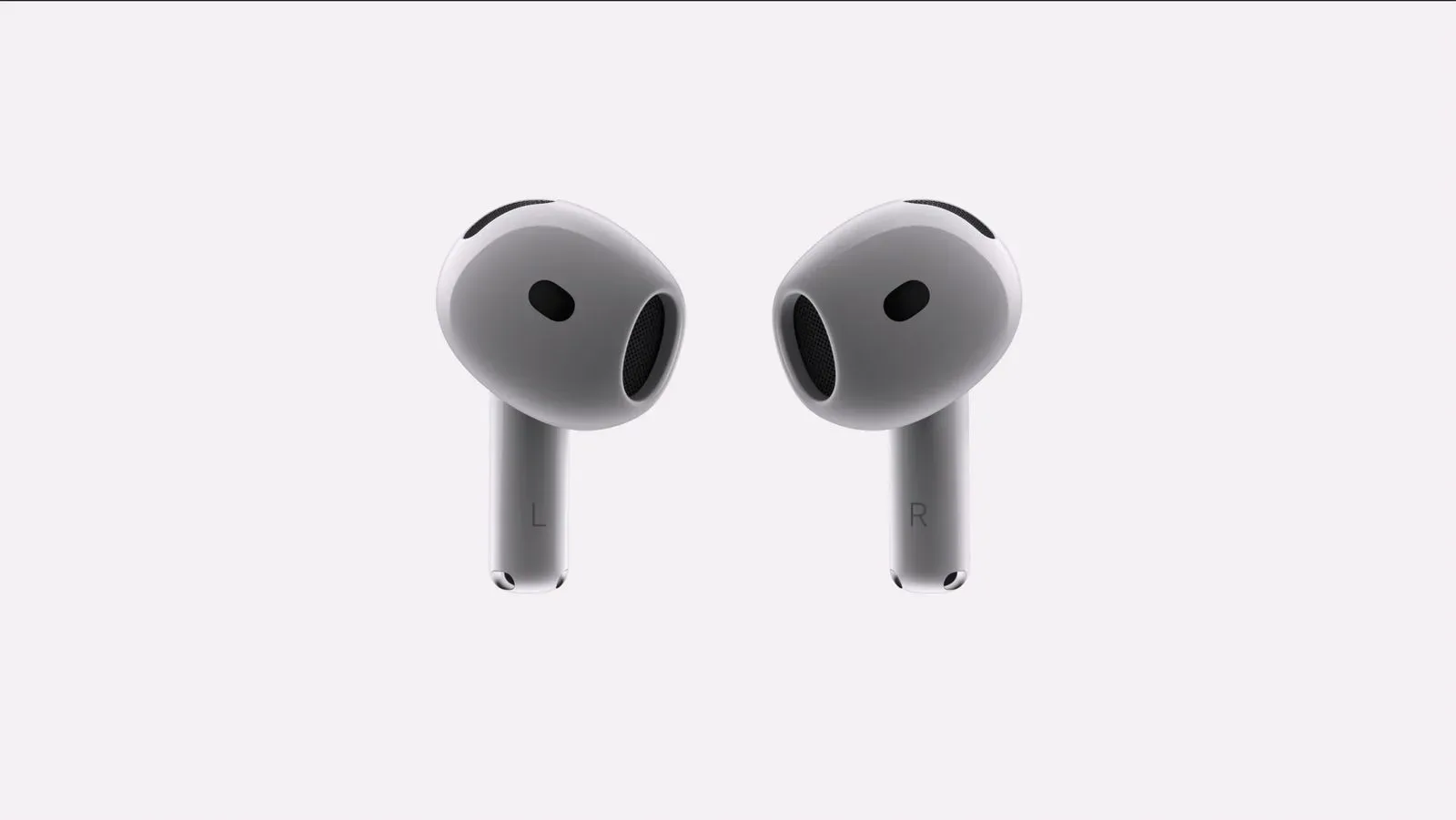
Apple has introduced AirPods 5, updating its entry-level wireless-earbud range with a feature that once carried a more premium implication: Active Noise Cancellation. The new lineup begins at $129, while a $149 configuration with a Wireless Charging Case adds stem-based swipe volume controls and the battery figures Apple highlights for listening with noise cancellation enabled.
For players, commuters, podcast regulars, and anyone who has ever tried to hear a crucial line of dialogue over a bus engine, the headline is straightforward. Apple is positioning noise management, automatic audio adjustments, and an iPhone-connected translation feature closer to the affordable end of its AirPods family. It is a tidy little gear upgrade with the usual modern-earbud ambition: make the outside world quieter when it is inconvenient, but avoid making it disappear when it matters.
Preorders open today. Availability is scheduled to begin Friday, September 18.
Active Noise Cancellation reaches the $129 starting point
The biggest change is the inclusion of Active Noise Cancellation in AirPods 5 from the lineup’s $129 starting price. Apple says AirPods 5 can remove up to 50% more outside noise than AirPods 4 with Active Noise Cancellation. That is an Apple-provided comparison rather than an independently measured result, and “up to” is important language: how much noise is reduced can naturally differ by environment and sound type.
Still, it establishes the intended generational jump. Noise cancellation is designed to reduce persistent environmental sound, such as the mechanical hums and rumbles that can compete with music, spoken audio, or a game’s carefully mixed soundtrack. The promise is not merely silence for silence’s sake. Better control of background noise can mean less temptation to keep increasing volume just to make out a voice track, a teammate, or the delicate audio cue that says a suspiciously large enemy is now behind you.
AirPods 5 also include Transparency mode, which takes the opposite approach. Rather than emphasizing isolation, it is intended to make nearby sound available to the listener. Apple says the updated version makes nearby voices and environmental sounds more natural. This matters for everyday use where completely shutting out the room would be awkward or unsafe: a station announcement, a colleague saying your name, the delivery person at the door, or the timeless household warning that dinner is getting cold.
Audio upgrades focus on detail and balance
Apple says AirPods 5 use a redesigned acoustic architecture and an updated Adaptive EQ system. Together, those changes are said to provide richer and more detailed audio. The announcement does not provide technical measurements, codec specifics, driver specifications, or a formal description of exactly how the architecture has changed, so the practical difference will need to be assessed once the earbuds are available.
What is clear is that Apple is presenting sound quality and noise handling as related parts of the same package. A stronger listening experience is not simply about making audio louder. It is also about helping music, dialogue, game effects, and voices remain distinct in less-than-ideal surroundings. In a gaming context, that can be especially welcome for narrative-heavy titles, rhythm games, handheld sessions, or cloud-streamed play on an iPhone, where speech intelligibility and a clean sense of detail can matter more than raw volume.
That does not mean AirPods 5 are being presented as a dedicated gaming headset. Apple’s announced features concern wireless listening, environmental audio control, conversational behavior, charging, and iPhone-connected intelligence. There is no claim here of a console-specific wireless mode, a boom microphone, or any platform-focused gaming feature. The appeal instead is flexibility: one compact pair intended to move from daily listening to calls, mobile entertainment, and the routine chaos of public life.
Adaptive Audio and Conversation Awareness aim to reduce fiddling
Both AirPods 5 models support Adaptive Audio. Apple describes the feature as automatically blending Active Noise Cancellation with Transparency mode. In principle, that means the earbuds can balance isolation and awareness without requiring the listener to constantly jump between modes manually.
That sort of automatic adjustment reflects a familiar modern-device goal: fewer tiny settings interruptions. Earbuds have become miniature control rooms, sometimes demanding that users decide how much of the world they wish to hear before they have even had coffee. Adaptive Audio is intended to take some of that decision-making off the listener’s plate by combining the two listening approaches.
Conversation Awareness is also included across both models. When the wearer begins speaking, the feature lowers playback volume. The benefit is easy to understand. It can make short interactions less cumbersome, whether someone is asking a question during a work session or you need to say “one second” without pulling an earbud out and accidentally launching a frantic search for the case.
Neither feature changes the basic reality that users will have different preferences about automatic behavior. Some will appreciate fewer manual adjustments, while others may prefer to explicitly control every audio state. The important point is that these options are included on both AirPods 5 configurations, not reserved for the $149 Wireless Charging Case version.
Live Translation depends on a compatible Apple Intelligence iPhone
AirPods 5 support Live Translation when paired with a compatible iPhone that has Apple Intelligence enabled. That requirement deserves as much attention as the feature name. Live Translation is not described as a standalone AirPods function; it depends on the connected iPhone meeting compatibility requirements and having Apple Intelligence switched on.
For buyers considering the earbuds mainly for that capability, device eligibility is therefore part of the purchase decision. Apple’s broader software and AI rollout is continuing alongside its hardware releases; iOS 27 is set to arrive September 14 for iPhone 11 and newer models. But iPhone operating-system compatibility and Apple Intelligence compatibility should not be treated as interchangeable without checking the relevant requirements.
The announced Live Translation support gives AirPods 5 a practical communication-focused angle, but Apple has not supplied more detail here about supported languages, rollout timing, connection conditions, or specific use cases. As with any translation tool, prospective users should wait for the applicable compatibility information and feature documentation before assuming a particular travel, conversation, or multiplayer-chat scenario is covered.
The $149 Wireless Charging Case model adds controls and endurance
Apple offers a second AirPods 5 version for $149. Its key additions are a Wireless Charging Case, swipe-based volume controls on the stems, and longer battery life. The $20 difference is therefore tied to more than just a different way to refill the case.
Apple says this version provides up to five hours of listening with noise cancellation turned on, and up to 22 hours of listening when the charging case is included. These are stated maximum figures, not a guarantee for every listener or condition. Battery performance can vary with settings and usage, but Apple’s claim gives the wireless-charging model a clear advantage for people who place a premium on longer stretches away from a cable.
The charging case supports USB-C, Qi chargers, and Apple Watch chargers. That mix is notable because it gives owners multiple existing charging paths. A USB-C cable remains an option, while Qi compatibility accommodates common wireless pads, and Apple Watch charger support may be useful for people already in Apple’s wearable ecosystem. The additional stem swipe controls offer direct volume adjustment, another small convenience feature that can reduce the need to reach for a phone mid-song, mid-call, or mid-match.
What is shared, what costs extra, and when AirPods 5 arrive
The lineup is easiest to understand as two versions sharing the main audio and intelligence-related foundation. Both receive Active Noise Cancellation, improved Transparency mode, redesigned acoustics, updated Adaptive EQ, Adaptive Audio, Conversation Awareness, and Live Translation support when used with a compatible Apple Intelligence-enabled iPhone.
- AirPods 5 starting price: $129.
- AirPods 5 with Wireless Charging Case: $149.
- Noise-cancellation comparison: Apple says AirPods 5 remove up to 50% more external noise than AirPods 4 with Active Noise Cancellation.
- Wireless-case battery claim: Up to five hours with noise cancellation enabled, or up to 22 hours including the case.
- Wireless-case charging support: USB-C, Qi, and Apple Watch chargers.
- Ordering and release timing: Preorders begin today, with availability starting Friday, September 18.
AirPods 5 ultimately look like a focused update to Apple’s entry-level earbuds: put Active Noise Cancellation at the $129 threshold, promise a stronger audio foundation, add software-led convenience features across the range, and make the $149 step-up about charging flexibility, battery life, and onboard volume control. The most meaningful questions after release will be how the claimed noise reduction and sound improvements translate to real-world listening, but the announced feature split and September 18 arrival date are already firmly on the board.