Apple has set Monday, September 14 as the public release date for iOS 27. The update will be available to iPhone owners whose hardware is supported, closing the beta period that began with a developer release in June and expanded to a public beta in July.
The biggest practical detail is refreshingly straightforward: iOS 27 keeps the same device-support boundary as iOS 26. In other words, the operating-system update reaches the iPhone 11 series and newer, along with the second-generation iPhone SE and later. That is a sizeable range of phones spanning multiple generations, from compact SE handsets and the iPhone 12 mini through the newest iPhone 18 Pro family and iPhone Duo.
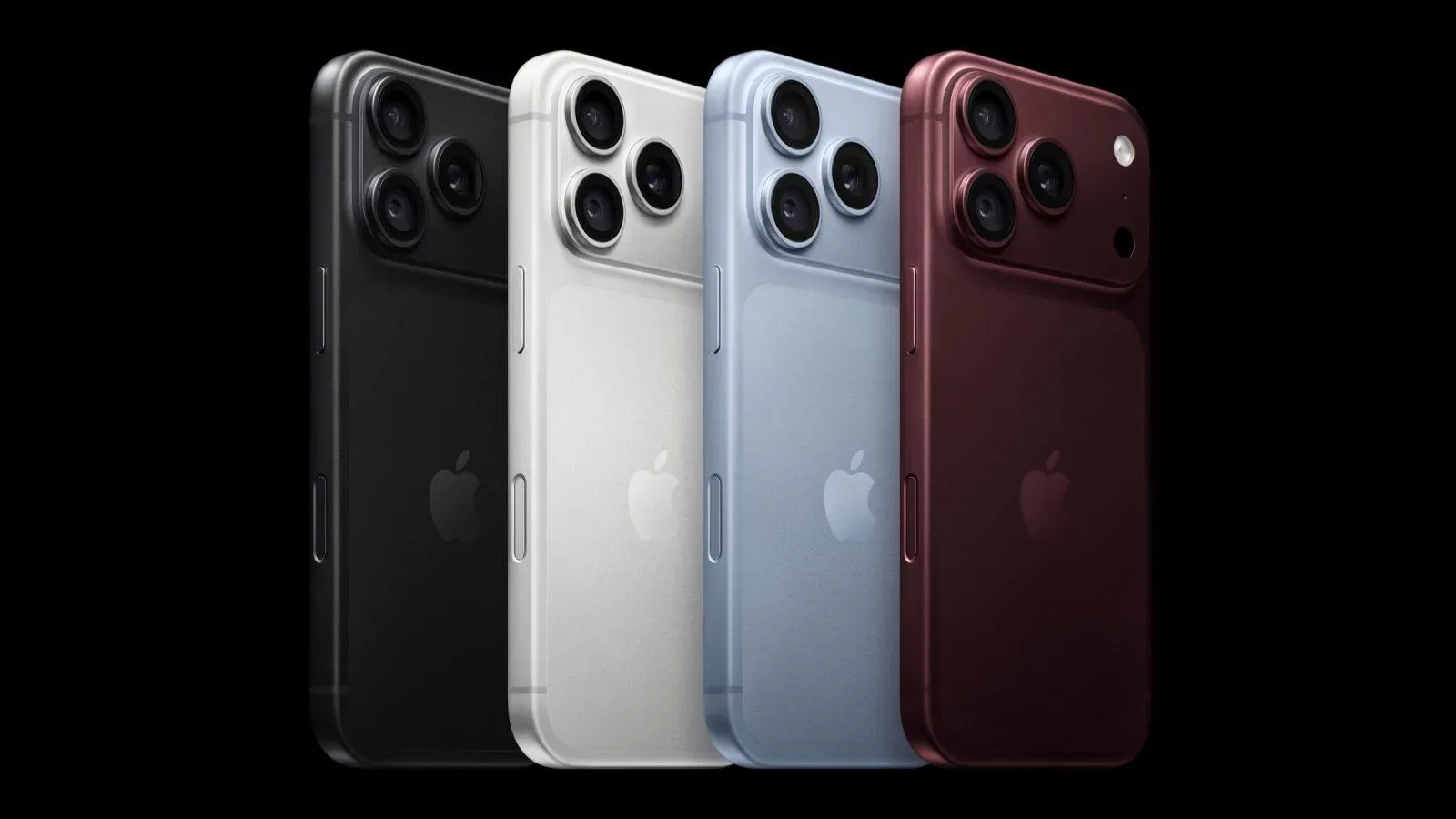
The September 14 software rollout comes alongside a packed hardware moment that includes the iPhone 18 Pro, AirPods 5, and Apple Watch Series 12. Readers tracking the new Pro phones can also find the key ordering and launch timing in our coverage of iPhone 18 Pro pre-orders and its September 18 release.
The iOS 27 release date at a glance
- Public release: Monday, September 14
- Developer beta began: June
- Public beta began: July
- Compatibility: The same iPhone lineup supported by iOS 26
- Oldest supported mainline family: iPhone 11
- Supported SE devices: iPhone SE, second generation and later
For people who remained on the beta track, the public release matters because it marks the point at which iOS 27 is intended for the broader compatible-iPhone audience rather than solely developer or voluntary public-beta use. For everyone else, September 14 is the date to watch for the update appearing through the standard iPhone software-update route.
No particular iPhone generation has been removed relative to iOS 26. That continuity is notable for owners of the 2019 iPhone 11, iPhone 11 Pro, and iPhone 11 Pro Max, which remain inside the supported range. It also means owners do not need to decode an unusual new cutoff: if a phone already ran iOS 26, it is included for iOS 27.
Which iPhones can install iOS 27?
Apple’s complete compatibility list covers the following models. The list is useful not only for prospective iPhone 18 buyers, but also for households with a mix of older phones, handed-down devices, and an SE used as a reliable secondary handset.
iPhone 18 and iPhone 17 lineup
- iPhone 18 Pro
- iPhone 18 Pro Max
- iPhone Duo
- iPhone 17e
- iPhone 17
- iPhone 17 Pro
- iPhone 17 Pro Max
- iPhone Air
iPhone 16 and iPhone 15 lineup
- iPhone 16e
- iPhone 16
- iPhone 16 Plus
- iPhone 16 Pro
- iPhone 16 Pro Max
- iPhone 15
- iPhone 15 Plus
- iPhone 15 Pro
- iPhone 15 Pro Max
iPhone 14 and iPhone 13 lineup
- iPhone 14
- iPhone 14 Plus
- iPhone 14 Pro
- iPhone 14 Pro Max
- iPhone 13
- iPhone 13 mini
- iPhone 13 Pro
- iPhone 13 Pro Max
iPhone 12, iPhone 11, and iPhone SE lineup
- iPhone 12
- iPhone 12 mini
- iPhone 12 Pro
- iPhone 12 Pro Max
- iPhone 11
- iPhone 11 Pro
- iPhone 11 Pro Max
- iPhone SE, second generation and later
The SE wording is especially important. Rather than restricting support to one specific SE release, the stated eligibility includes the second-generation iPhone SE and later models. Anyone uncertain about which SE they own should check the device’s model designation before assuming it falls outside the update window.
A familiar cutoff makes upgrade planning simpler
Operating-system compatibility can be one of the more frustrating parts of a major mobile-software release. A new version might introduce a clean break between generations, leaving users to distinguish among similar names and release years. iOS 27 avoids that particular confusion by retaining iOS 26’s eligibility list.
That does not mean every feature, setting, or experience should automatically be presumed identical across every supported handset. The announced compatibility list establishes which devices can receive iOS 27; it does not, on its own, establish a feature-by-feature parity chart. Owners looking for capabilities tied to a particular device should wait for the relevant official details rather than treating basic OS support as a guarantee that every function will be identical on every model.
It is also worth separating the software date from hardware release schedules. iOS 27 arrives on September 14, while the iPhone 18 Pro is set for a later September release. A person can therefore receive the operating-system update on an existing compatible iPhone before a newly ordered handset arrives. Conversely, buying a new phone is not required for access to iOS 27 if the current device appears on the support list above.
What to do before September 14
A major operating-system update is an appropriate moment to take a few basic precautions. These are sensible habits rather than requirements unique to iOS 27.
- Confirm the exact model. Open the iPhone’s device information and compare its name with the supported list. This is most useful for shared family phones, SE models, and phones that have changed hands.
- Back up important data. Maintaining a current backup before an OS update is a sensible safeguard for photos, messages, app data, and device settings.
- Check available storage. Software packages need room to download and install. Reviewing free space in advance can prevent an update-day detour.
- Plan around power and connectivity. Installing a system update is best handled when the phone can remain charged and connected to a dependable network, rather than at the exact moment it is needed for travel, work, or a long call.
- Review beta enrollment. Users who joined the developer or public beta should understand which release channel their phone is following before moving to the public release.
These steps are not a prediction that iOS 27 will create problems. They are simply good device housekeeping, particularly for people whose iPhones also carry authentication apps, family photos, work communications, game saves, or other material they would rather not have to reconstruct.
More Apple platforms update on the same day
September 14 is not limited to iPhones. Apple has also listed the same Monday release date for iPadOS 27, macOS 27, watchOS 27, tvOS 27, and visionOS 27. That makes it a broad platform-update day across phones, tablets, Macs, watches, televisions, and Vision devices.
For people using several of those products, the shared date may be a reason to approach updates in a measured order. A user may prefer to ensure their primary phone is backed up first, then handle other devices when there is enough time and power available. The exact approach is personal, but the calendar point is clear: multiple Apple operating systems are due to move forward together on September 14.
Mac owners should note that the platform release is identified as macOS 27, while iPhone owners will receive iOS 27. The common version number signals the coordinated annual cycle, but each platform remains its own operating system and each device has its own compatibility rules. The iPhone list in this article should therefore not be used to infer whether a particular Mac, iPad, watch, Apple TV, or Vision device is eligible.
The key takeaway for current iPhone owners
If you use an iPhone 11, 11 Pro, or 11 Pro Max—or any newer supported iPhone—iOS 27 is scheduled for your device on Monday, September 14. The same applies to the iPhone SE beginning with the second-generation model. Owners of the iPhone 12, 13, 14, 15, 16, 17, and new 18-era devices are likewise included where listed.
The useful headline is not a complicated exception or a surprise device retirement. It is continuity. iOS 27 carries forward the iOS 26-supported iPhone roster, while Apple’s other major operating systems are scheduled to arrive on the same date. For anyone holding an eligible iPhone, the remaining task is simply to prepare the device and decide when September 14 is the right moment to install.