For an electric-car owner, the traction battery is the component that can turn a routine ownership question into a controller-gripping boss fight. It is also the part most likely to inspire dramatic assumptions: range has fallen, therefore the whole battery must be failing; the warranty has ended, therefore a five-figure invoice is inevitable.
The available numbers paint a more nuanced picture. Replacing an out-of-warranty Tesla battery pack can indeed be extremely expensive, with estimates ranging from about $12,600 to $20,500 before taxes, installation included in the cited estimates. But reduced range by itself is not proof that a complete pack replacement is necessary, and broader EV data suggests full replacements remain relatively uncommon.
The practical takeaway is less flashy than a dashboard warning light, but much more useful: establish what has actually failed, confirm the car’s precise warranty status, and get an itemized estimate before deciding whether replacement, repair, or a different ownership decision makes sense.
The estimated cost depends heavily on the Tesla model
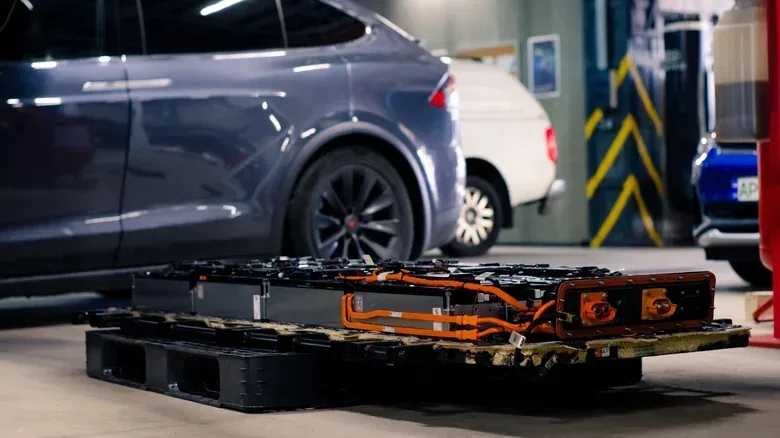
Tesla does not publish a simple public price chart that lets every owner look up an all-in battery-pack replacement cost. That matters because a headline number can hide the variables that ultimately decide the bill: the vehicle’s battery configuration, whether a replacement pack is new or remanufactured, labor, and any additional parts required during the repair.
A 2025 pricing breakdown from Earthling Automotive offers a useful set of reference points, though these should be treated as estimates rather than universal Tesla Service prices. Taxes are not included, and rates can differ by location and repair situation.
- An older rear-wheel-drive Model 3 was estimated at roughly $12,600 to $13,350 with installation.
- An all-wheel-drive Model 3 was estimated at around $17,250.
- A 2016-to-2021 Model S or Model X was estimated at approximately $19,500 to $20,500.
That is a substantial spread. It means “How much is a Tesla battery?” is not really a complete question. The relevant question is: how much is the right battery solution for this specific car and fault? Two Model 3 owners could face very different totals if their configurations, pack availability, labor needs, or surrounding damage differ.
For anyone considering an older EV, those figures are also an ownership-planning issue. A repair approaching $20,000 may be manageable on one vehicle and hard to justify on another if the vehicle’s resale value has fallen to a similar level. The pack is not merely a part in that decision; it can become the financial center of the entire car.
Battery degradation is not the same thing as battery failure
Battery degradation is the gradual loss of usable energy capacity over time. In simple terms, a battery that once supported a certain driving range may support fewer miles later in its life. This is an expected consequence of battery chemistry, not automatically evidence that the pack has reached the end of its service life.
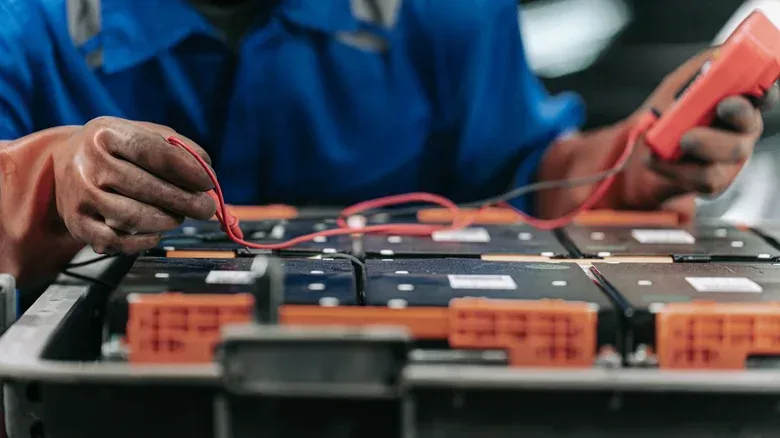
That distinction is crucial because “my range is lower” and “my battery needs replacing” are not interchangeable statements. A full diagnosis is needed to determine the real issue and the appropriate remedy. The useful first response to worrying range changes is therefore not to price-shop an entire pack based on a guess. It is to find out whether there is a fault, what component is affected, and whether a remedy short of full pack replacement is possible.
Broader data provides a little perspective. A 2025 Recurrent report covering more than 30,000 EVs found that fewer than 4% had required a battery replacement, with major recalls excluded. That number should not be read as a Tesla-specific failure rate: the data included multiple manufacturers and model years. Still, it pushes back against the idea that every aging EV is one depleted cell away from an unavoidable replacement quest.
The important limitation is equally clear: a low overall incidence rate does not determine the outcome for an individual vehicle. An owner dealing with physical damage or a confirmed battery fault still needs a vehicle-specific assessment.
Why an itemized diagnosis comes before the big decision
An itemized estimate is the most valuable document to request before authorizing a major battery repair. It should clarify whether the proposed pack is new or remanufactured, distinguish the battery cost from labor, and identify other parts or work that contribute to the total.
A remanufactured battery is a replacement unit that has been restored for reuse rather than a wholly new pack. That does not make it automatically unsuitable; it does mean owners should understand exactly what is being offered and what warranty applies to it. Tesla states that a replacement battery comes with a four-year or 50,000-mile parts warranty.
A widely shared 2021 invoice illustrates why surrounding circumstances matter. In that case, a Model 3 had struck a large rock, an event that left the damage outside warranty coverage. The invoice listed a remanufactured battery at $13,500, while labor and other additions raised the final total to $16,550.67. It is a concrete example, not a universal menu price, but it shows how an initial battery figure can become a larger final bill.
Physical damage also changes the conversation. Normal capacity loss and damage from an impact are different situations, potentially subject to different coverage outcomes and repair needs. Owners should avoid assuming that a warranty protects every battery-related expense just because the battery is normally covered for a lengthy period.
Independent EV specialists may be another avenue in some cases. They may be able to source a refurbished pack or address specific faults instead of replacing an entire unit. Whether that is viable depends on the diagnosed problem. It should be treated as a question to investigate after receiving a clear diagnosis, not as a guaranteed bargain-bin power-up.
Check the original battery and drive-unit warranty first
Before paying for a replacement, owners should verify their vehicle’s remaining battery and drive-unit coverage. Tesla’s battery and drive-unit warranty lasts for eight years with a mileage cap of 100,000, 120,000, or 150,000 miles, whichever comes first. The exact mileage allowance depends on the model and configuration.
During that warranty period, Tesla promises at least 70% battery capacity retention. If capacity falls below that threshold while coverage is active, an owner could qualify for a repair or a full replacement without paying the normal replacement cost. That makes the warranty check a potentially enormous value step, not a formality to complete after a quote has already landed.
There is a fine-print-shaped wrinkle worth understanding. If Tesla replaces the battery under the original warranty, that does not restart the original eight-year warranty clock. In other words, a covered replacement is not a fresh campaign with a new eight-year duration. Owners should instead confirm the coverage attached to the replacement and their particular repair.
For a paid replacement, the stated four-year/50,000-mile parts warranty is the relevant protection described here. Owners should make sure their written estimate reflects the specific replacement component and warranty terms offered in their case.
An extended agreement is not a cure for ordinary wear
Eligible Model 3 and Model Y owners can purchase Tesla’s Battery Extended Service Agreement before the original battery warranty expires. It costs $2,000 and can add up to 24 months or 30,000 miles of coverage. A qualifying battery failure carries a $500 service deductible.
That option may appeal to owners who want more protection against a costly battery failure after the original term ends. But its role should be understood precisely. It does not cover routine battery wear and tear, so it is not a promise that every future range reduction will result in a repair. Eligibility and what qualifies as a covered failure matter.
Put another way, an extended agreement is a risk-management choice, not an unlimited-range cheat code. Its value depends on the individual car, how long the owner expects to keep it, remaining original coverage, and the owner’s willingness to accept the chance of a large out-of-pocket repair later.
What Tesla owners should do when range becomes a concern
- Do not equate lower range with a dead battery. Capacity loss can occur as a normal part of battery aging.
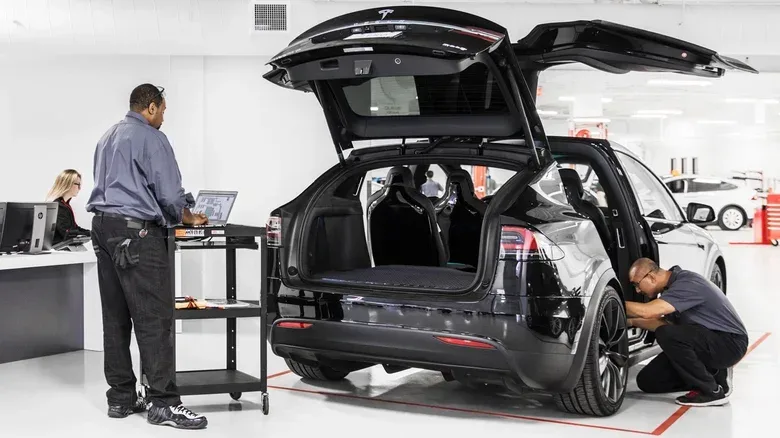
- Arrange a full diagnosis. Determine whether there is a specific fault or damage before entertaining a complete pack replacement.
- Confirm the exact warranty limits for the vehicle. Check the eight-year term, applicable mileage cap, and whether the 70% capacity-retention commitment may apply.
- Request an itemized estimate. Separate the cost of the pack, labor, additional components, and taxes. Confirm whether the proposed unit is new or remanufactured.
- Ask about replacement coverage. A paid replacement battery carries a four-year/50,000-mile parts warranty under the terms described here.
- Compare the repair total with the car’s broader value and your plans. A major expense can be rational, but it should be weighed against the vehicle’s age, condition, and resale value.
- Explore independent specialist options carefully. Refurbished packs or fault-specific repairs may be possible, but only after identifying the actual problem.
Battery costs are a reminder that modern vehicles increasingly carry consumer-tech-style complexity along with traditional automotive repair stakes. The same broader questions about expensive proprietary components and repair transparency are surfacing across technology, including in coverage of upcoming phone hardware changes. In a car, however, the price of uncertainty can be dramatically higher.
The headline figure is real: an out-of-warranty Tesla battery replacement can exceed $20,000. Yet that is a ceiling in a range of estimates, not a diagnosis. For an owner seeing less range than before, the best first move is paperwork and testing, not panic: verify coverage, get the failure identified, and insist on a breakdown of what the proposed repair actually includes.