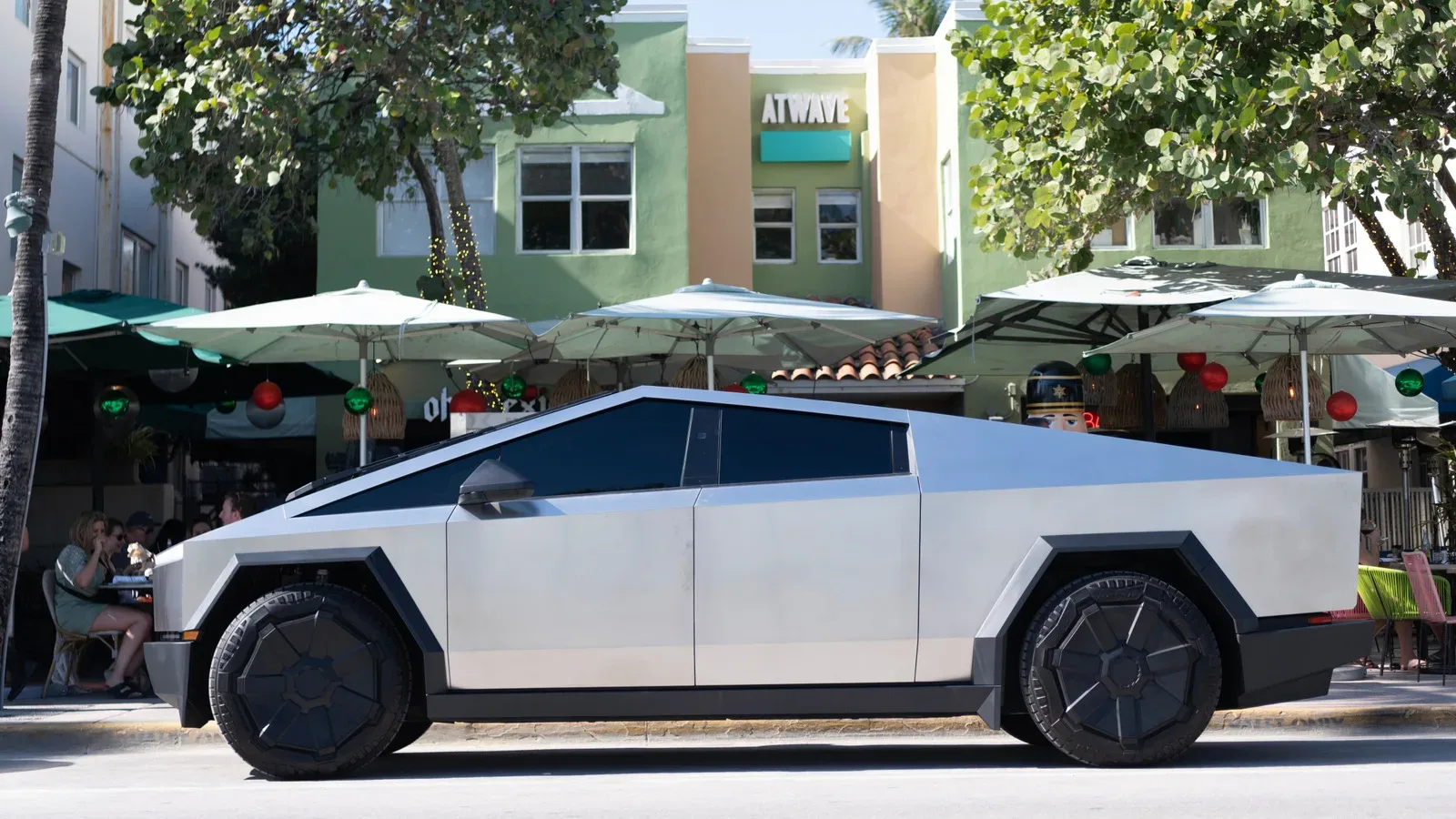
Tesla is planning to wind down Cybertruck production at its Texas Gigafactory by the middle of 2027, with the manufacturing space intended for expanded output of the company’s upcoming Cybercab. Elon Musk confirmed the change on X, putting a clear timeline on a substantial reshuffle inside the Texas plant.
The important caveat is that a wind-down at one factory is not quite the same thing as a confirmed end to the Cybertruck itself. Musk did not say whether Tesla will stop making the stainless-steel pickup altogether, whether it could be built at another site, or how long production will continue after the mid-2027 transition point. Until Tesla addresses those questions, the most precise reading is that Cybertruck production in Texas is being phased down—not that the model has officially been cancelled worldwide.
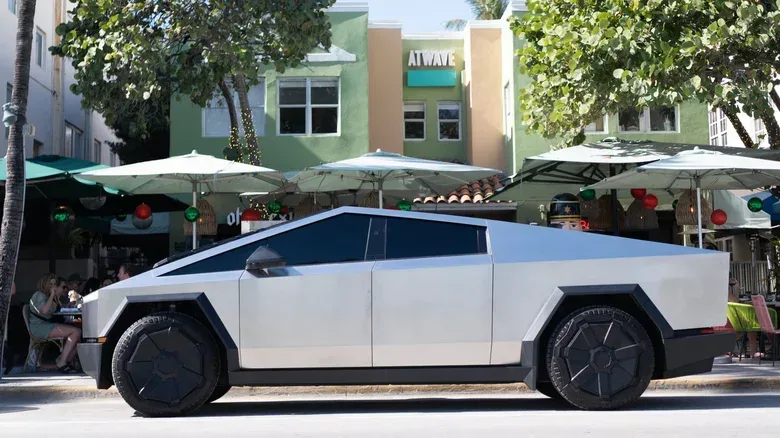
Still, the decision places Tesla’s most visually distinctive vehicle in an uncertain position. Cybertruck deliveries began in late 2023, after the pickup’s November 2019 unveiling generated major attention for a design unlike conventional trucks. Its sharp, angular body, steel construction and futuristic presentation made it instantly recognizable. They also made it unusually polarizing.
A factory-capacity decision with larger implications
Manufacturing capacity is the amount a factory can produce within a given period. It is finite: floor space, tooling, workers and production lines assigned to one vehicle cannot simply be treated as available for another. By allocating more Texas capacity to Cybercab, Tesla is signaling that it sees the autonomous vehicle as a more important use of that constrained space than continuing Cybertruck output at the existing level.
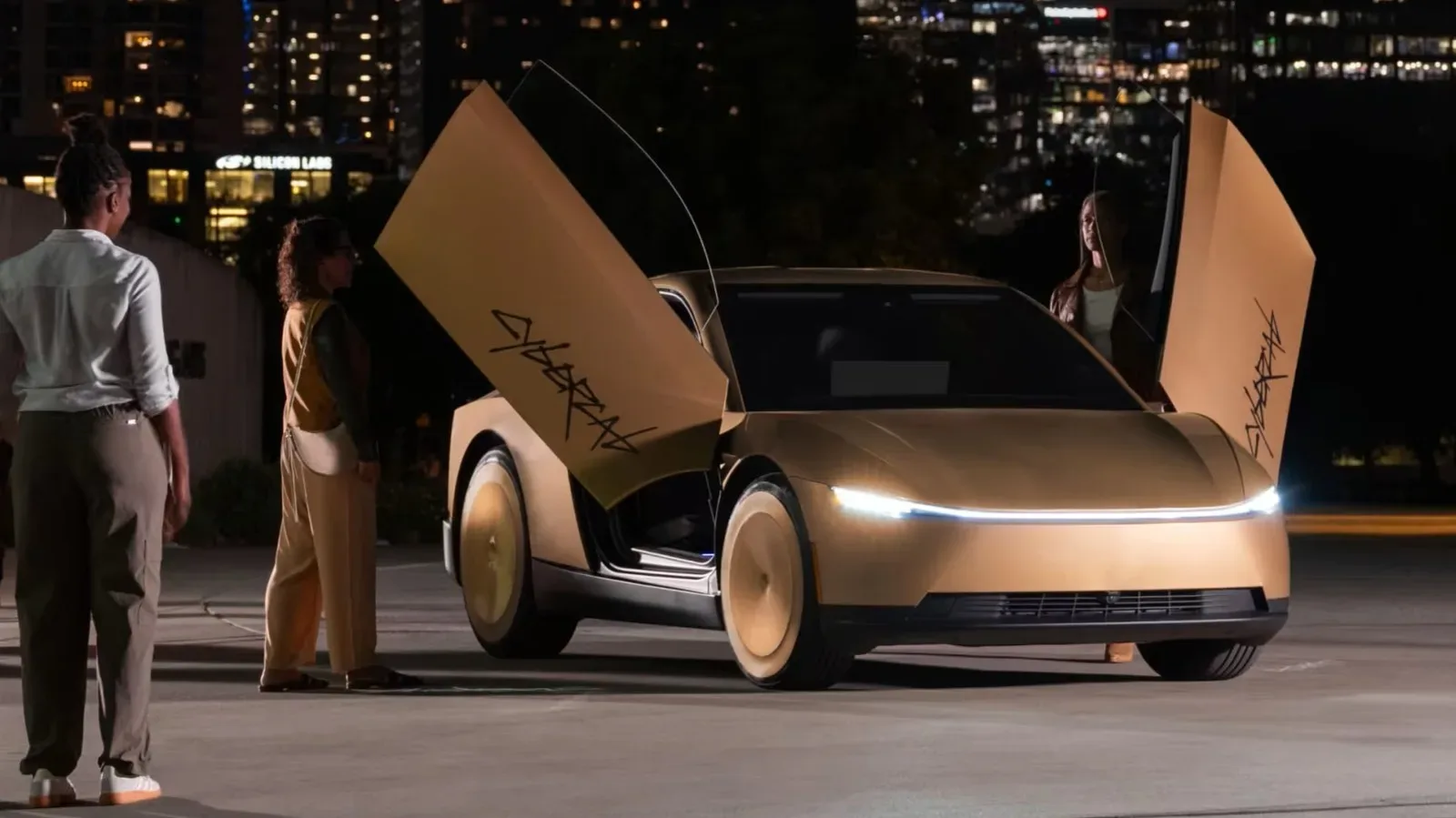
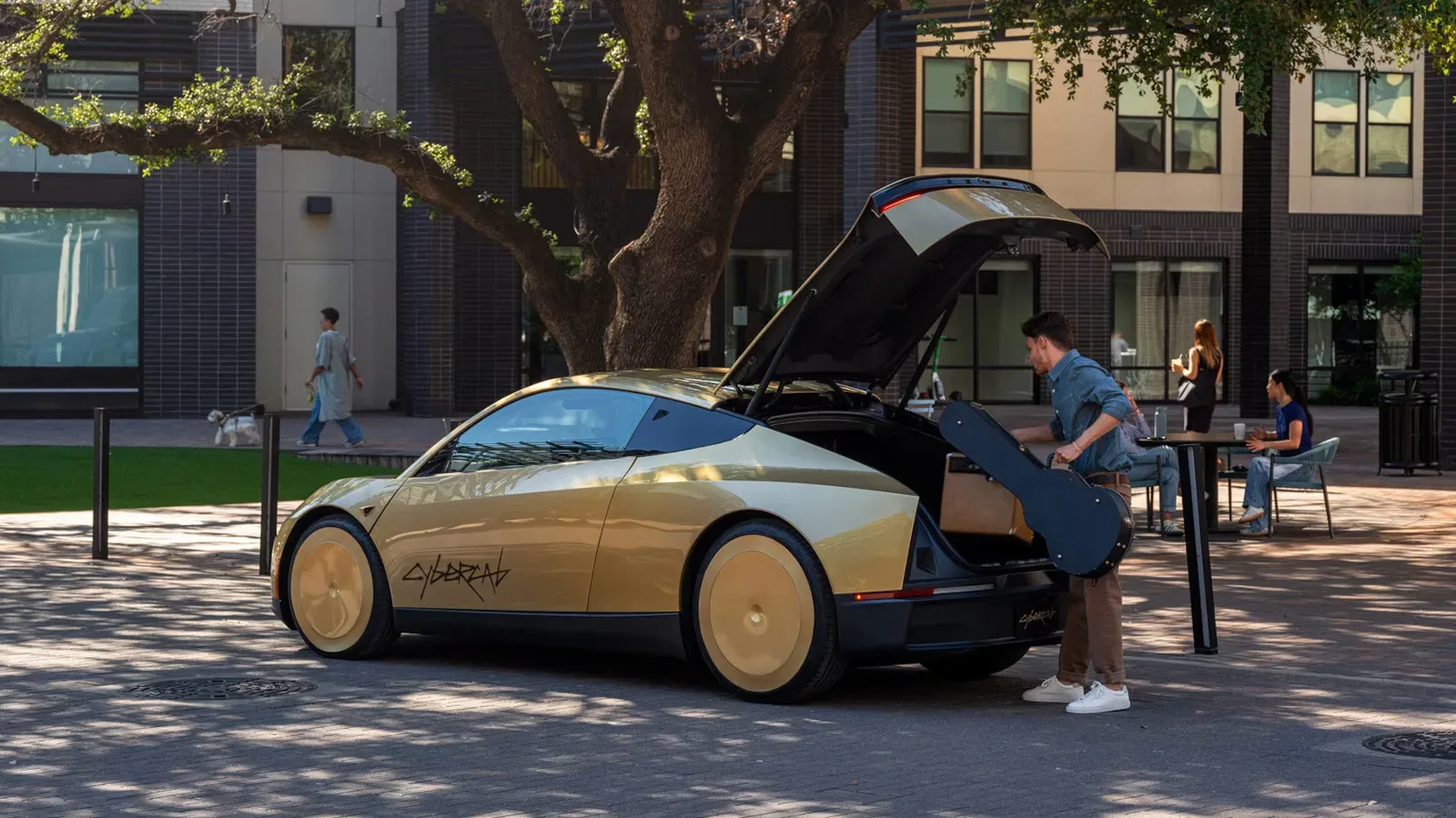
The Cybercab is described as an autonomous robotaxi without a steering wheel or pedals. That makes it a sharply different proposition from the Cybertruck. One is a consumer pickup intended to be bought and driven by an owner; the other is designed around the premise of autonomous operation. The Texas factory shift therefore is not just a change in product mix. It is a bet that Tesla’s next phase should be oriented more heavily around autonomy.
That bet carries considerable uncertainty. The Cybercab is subject to a current federal investigation, and Tesla has spent more than a decade pursuing fully autonomous self-driving without reaching that goal. A vehicle with no steering wheel or pedals raises the stakes of that unresolved challenge, because its core usefulness depends on autonomous capability rather than simply offering driver-assistance features.
Autonomous driving generally means a vehicle performs the driving task without a human actively controlling it. That is distinct from systems that assist a human driver but still require the person behind the wheel to supervise and intervene. The supplied information does not establish what level of capability the Cybercab will ultimately provide, so readers should be wary of treating its intended purpose as proof that fully autonomous operation has been achieved.
The production decision also arrives as AI-related expansion and infrastructure have become subjects of public scrutiny across the technology world. That broader conversation is visible in a recent report on an anti-AI protest at a Microsoft construction site, though it concerns a separate company and situation. Tesla’s case is specifically about redirecting vehicle-factory capacity toward a robotaxi project.
Related coverage includes Tesla Plans to Wind Down Cybertruck Production in Texas by Mid-2027.
Cybertruck’s gap between promise and volume
The Cybertruck’s commercial story has been defined in part by the distance between early expectations and the reported result so far. Tesla originally projected annual production of 250,000 units. Around 71,000 Cybertrucks have been sold since deliveries started in late 2023, a total that falls far below that annual projection.
That comparison needs to be made carefully. A cumulative sales total covering a period that began in late 2023 is not a one-to-one measure against an annual production target. It does, however, show that the vehicle has not reached the scale originally projected. The timing of the planned Texas wind-down makes the contrast more significant: Tesla is moving capacity to Cybercab rather than signaling a ramp toward the prior Cybertruck goal.
Price is another part of the picture. At its 2019 reveal, Tesla associated the Cybertruck with a $39,900 starting price. The least expensive version ultimately reached $59,900. That is a $20,000 difference between the early referenced price and the eventual cheapest version mentioned here. For a product positioned as a radically different pickup, a higher entry price can materially affect the size of the potential market.
The vehicle has also faced multiple recalls and complaints about quality control. A recall is an action involving vehicles already sold or delivered that addresses a safety-related issue or other defect. Quality-control complaints refer more broadly to concerns over the consistency and condition of products as they are manufactured. Neither category automatically defines every vehicle’s experience, but both can affect buyer confidence, ownership perception and the burden placed on a manufacturer after launch.
Export issues have further complicated the Cybertruck’s prospects. The available information does not specify affected countries, regulations or volumes, so it would be premature to make broader claims about international availability. What can be said is that such issues limit an already difficult path to scaling a highly unconventional vehicle beyond its initial market.
The appeal and risk of a deliberately unconventional pickup
Cybertruck’s styling was never designed to blend into the established pickup market. Its unusual form attracted fans precisely because it rejected familiar automotive shapes, while others strongly criticized the same design. That split matters commercially. A highly distinctive product can create attention and build a dedicated audience, but it can also narrow the group of buyers willing to live with the aesthetic, price and practical compromises.
Its stainless-steel construction helped make the truck feel separate from ordinary pickups, but differentiation alone does not guarantee sustained volume. To justify a large factory footprint, a vehicle must fit into a broader production plan. Tesla’s decision suggests Cybercab now has priority in that calculation.
There is also a useful distinction between buzz and durable demand. The Cybertruck attracted extraordinary discussion when it appeared in 2019, in part because it looked like no other pickup on the road. Attention at reveal can be valuable, yet it is not the same as repeated, scalable customer purchases after production begins. The sales figure reported since late 2023, the price increase relative to the early reference point, recalls, quality concerns and export complications all provide context for why Texas capacity may now be redirected.
What is confirmed, and what remains open
The confirmed point is straightforward: Tesla plans to wind down Cybertruck production at the Texas Gigafactory by mid-2027 and repurpose space for increased Cybercab production.
Several consequential details remain unconfirmed. Tesla has not said that Cybertruck manufacturing will end everywhere. It has not identified another plant that would take over production. It has not provided a final production total, a final order date, or a timetable for any broader discontinuation. It also has not established that Cybercab will overcome the regulatory and autonomy challenges surrounding it.
For current Cybertruck owners and prospective buyers, the announcement is principally a manufacturing-plan change rather than a declaration that support or ownership will abruptly end. The provided information contains no claims about servicing, parts, warranty coverage, resale values or future trims, so none of those outcomes should be assumed from the Texas decision alone.
For Tesla, the move is more revealing as a statement of priorities. Cybertruck was a conspicuous, ambitious attempt to redraw the pickup formula. Cybercab is an even more consequential attempt to center a vehicle around autonomous transport. Winding down one to create room for the other shows where Tesla is choosing to place its capacity—and its confidence—even as major questions remain around the robotaxi’s path to operation.