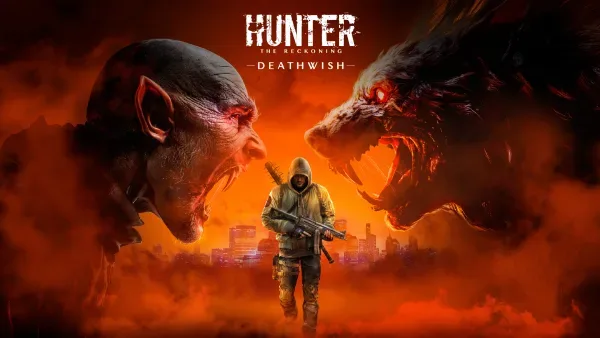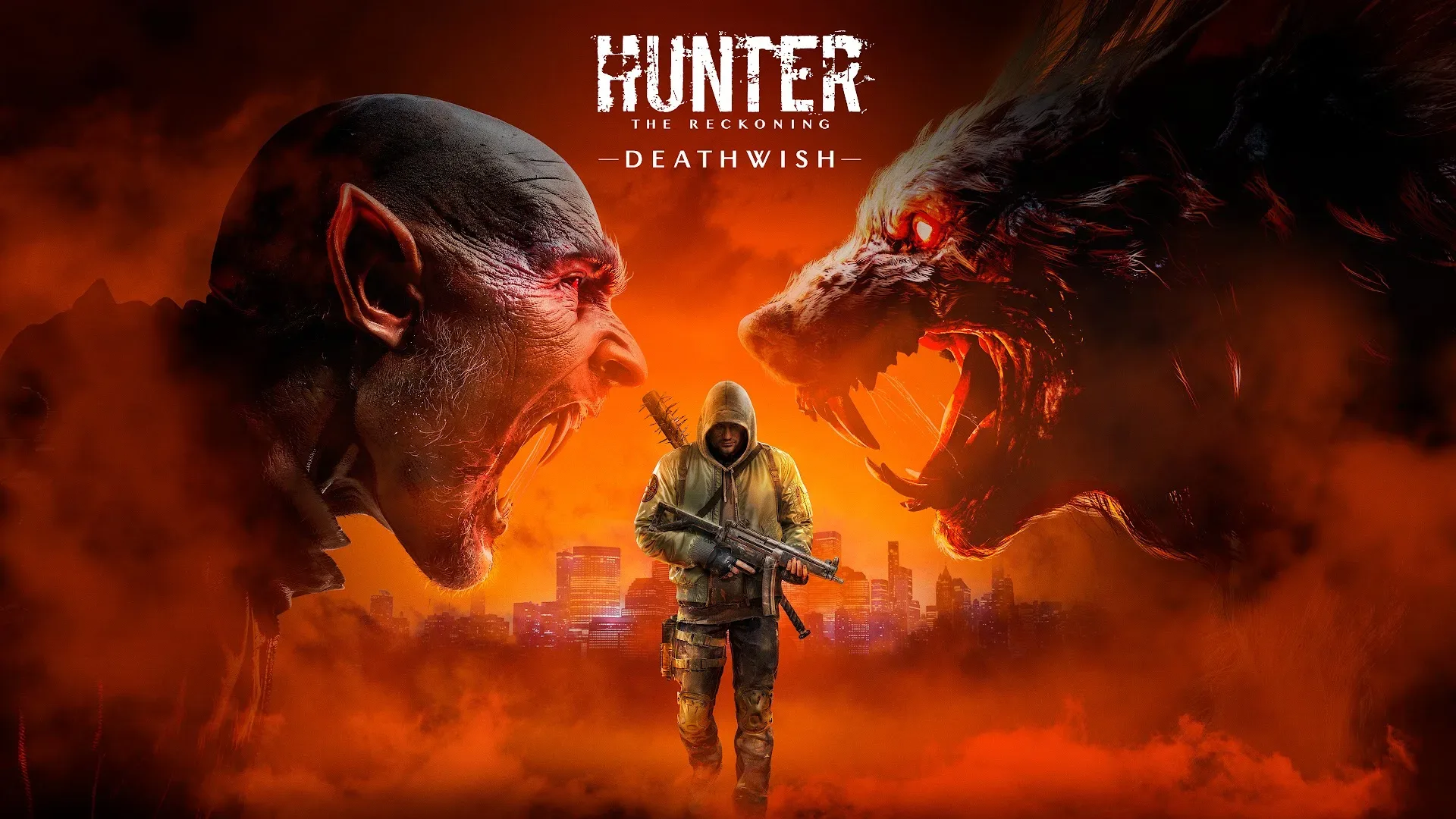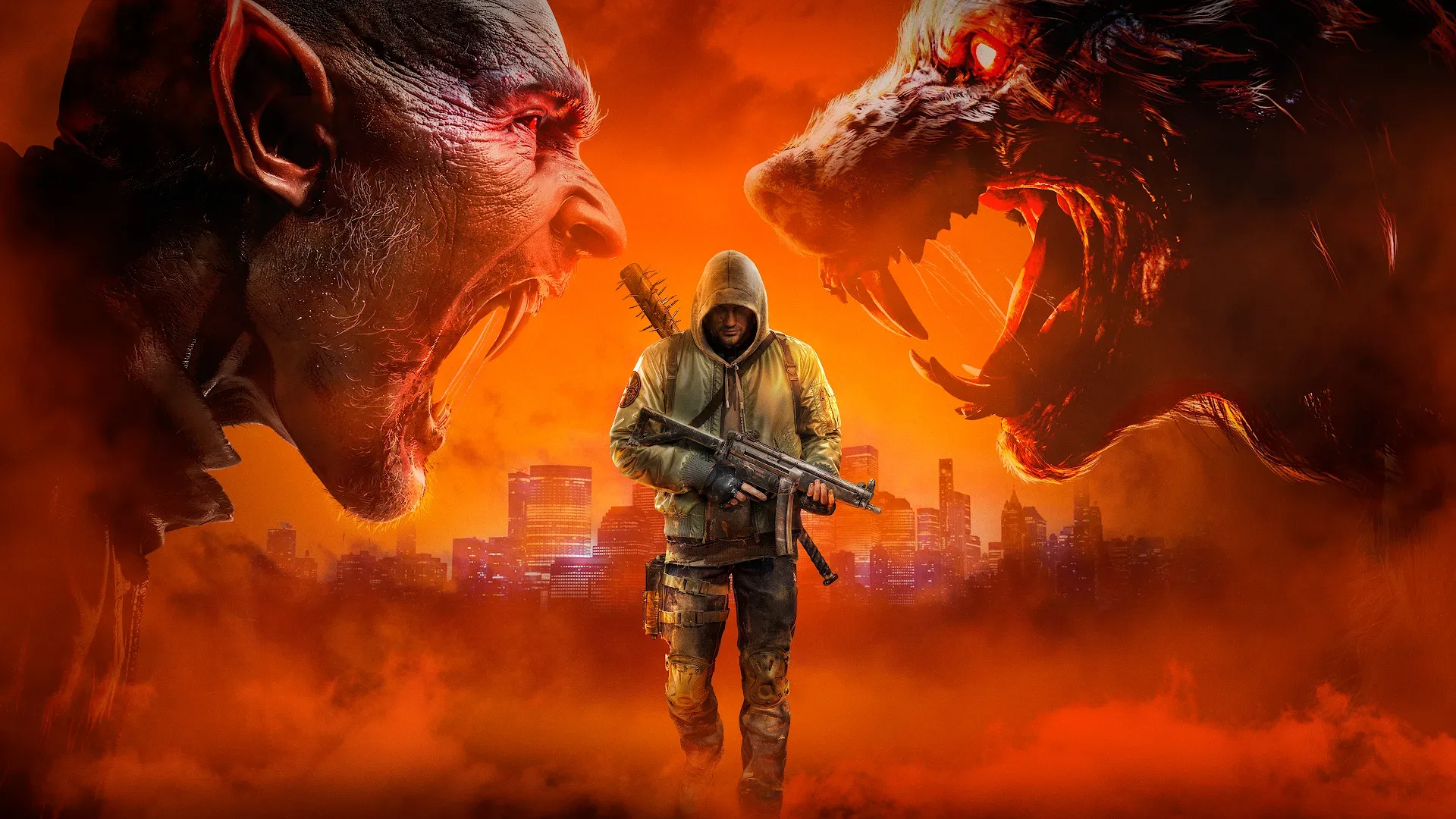
Hunter: The Reckoning – Deathwish has put one of its central role-playing systems in the spotlight: the process of creating a Hunter before taking on a supernatural-tinged crusade through New York City. The upcoming action-RPG from NACON and Teyon is planned for PlayStation 5, Xbox Series X|S, and PC via Steam in 2027.
The newly detailed system covers both visual customization and the character-defining choices that are intended to affect play. Players can begin with preset models and alter physical build, hairstyles, clothing, tattoos, and scars. Alternatively, pre-built archetypes offer a faster route into the story, while a from-scratch option is designed for people who want to determine a Hunter’s look and capabilities themselves.
That is the accessible part of the pitch. The more consequential layer is mechanical: Deathwish adapts the tabletop game’s 5th Edition rules, using attributes, connected skills, dice rolls, and a selection of virtues and flaws. In other words, the character creator is not being presented solely as a cosmetic menu. Its stated purpose is to establish how a player approaches danger, investigation, and interaction once the hunt begins.
A Hunter built from more than appearance
Preset starting models can be useful in an RPG because they lower the barrier to entry. A player who wants to reach the opening story quickly can select an archetype rather than spending a long time on every part of a character sheet. That choice does not eliminate customization: the announced options still include body build, hair, outfits, tattoos, and scars.
For players who do enjoy detailed setup, starting from scratch appears to be the route for combining an original appearance with a deliberate gameplay identity. The available information does not specify the exact number of faces, garments, tattoos, or archetypes, so it would be premature to judge the breadth of the cosmetic selection. What is clear is the intended contrast between a quick starting point and a more self-directed build process.
Scars and tattoos are particularly fitting details for a game about ordinary or driven people confronting darkness. They can help establish a sense of history before a player has even reached the first major decision. Still, their confirmed role is visual customization; there is no indication that particular cosmetic selections carry gameplay effects.
Teyon game director Piotr Latocha described the design goal as a creator that is both substantial and approachable. He also said that choices spanning appearance and skills will affect how a character survives in the game’s hostile setting. The key distinction is worth keeping in mind: visual personalization helps establish a player’s version of a Hunter, while attributes, skills, virtues, flaws, and choices are the systems specifically identified as shaping outcomes.
Attributes are the route to skill tiers
Deathwish’s progression is based on investing points into attributes. An attribute is a broad measure of a character’s capability, while a skill is a more focused area of competence. The announced example is Strength: placing points into Strength unlocks tiers in Brawl, Melee, or Intimidation.
Related coverage includes Hunter: The Reckoning - Deathwish Details Character Creation.
That relationship matters because it suggests a player cannot treat every specialized skill as entirely separate from a character’s basic makeup. A Hunter leaning into physical power may gain access to stronger tiers of close-combat and coercive options through the same core investment. Brawl, Melee, and Intimidation are three different applications, but all are tied to the stated Strength example.
Brawl generally describes unarmed fighting in RPG terminology, while Melee concerns close-range weapon combat. Intimidation is a social skill that uses threat, presence, or forcefulness to influence another character. Their grouping under Strength signals a design where a player’s fundamental physical presence may support several ways of solving a problem, rather than only increasing direct damage.
The developers say this structure supports rapid specialization while retaining room for fine-tuning. Practically, that means a player may be able to commit early to a broad direction, then use connected skill tiers to shape a more particular role. The supplied details do not lay out every attribute, skill, or tier, nor do they specify whether skill choices can later be changed. The Strength example is therefore a useful illustration of the framework, not a complete build guide.
What the build directions suggest
Three broad approaches have been identified: diplomacy, stealth, and occult knowledge. Their inclusion is notable in an action-RPG announcement because they point beyond a purely combat-focused character system.
- Diplomacy suggests that conversation can be a meaningful route through at least some situations.
- Stealth indicates an approach based on avoiding notice or navigating danger without openly confronting every obstacle.
- Occult knowledge points to a character who is prepared to understand supernatural information and mysteries.
None of those terms guarantees a wholly separate campaign or confirms that every encounter has three equivalent solutions. But they do establish the kind of player expression Deathwish is pursuing. A well-rounded character might seek a mix of options, while a specialized Hunter could emphasize one method of confronting the unknown. The exact trade-offs will depend on the final implementation of the connected attributes and skills.
Dice rolls bring tabletop logic into the action-RPG
The game’s skills will feed into dice rolls. In tabletop role-playing games, a dice roll is a randomized check used to determine whether an attempted action succeeds and, in many systems, how effectively it succeeds. Deathwish is using that language and structure to connect character statistics to outcomes in a video-game format.
The examples provided are escaping danger through conversation and discovering vital clues. Those examples make the stakes of character building easier to see. A choice made during character creation or progression may not simply adjust a number on a status screen; it may affect whether a Hunter is equipped to negotiate under pressure or uncover information needed to move forward.
Randomness is important here. If an outcome is determined through dice, a strong relevant stat does not necessarily mean a player is promised a particular result in every circumstance. Conversely, the announcement does not explain the precise formula, success thresholds, critical results, or whether failed checks can lock off story routes. Those are significant details for players who want to understand the system’s flexibility, but they have not been outlined yet.
What has been confirmed is the intended connection: stats and player choices both matter when the game evaluates situations. That combination has the potential to make a Hunter’s identity feel present during dialogue and investigation, not just during combat. It also means a player may need to consider whether their preferred style is supported by the abilities they chose, rather than assuming every conversational or investigative challenge can be handled identically.
Virtues and flaws are part of the character’s fate
Before setting out, players will select virtues and flaws. The announcement says these selections shape a Hunter’s strengths, weaknesses, and destiny during play. A virtue can be understood as a positive defining quality, while a flaw is a limitation or negative trait that complicates a character’s path.
This is potentially one of the more role-play-forward elements in the revealed framework. Attributes and skills describe what a Hunter can do; virtues and flaws can instead frame who that Hunter is and where they are vulnerable. The specific virtues, flaws, bonuses, penalties, and narrative consequences have not been named, so players should not assume a particular list or rules effect. Even so, placing these choices before the crusade begins reinforces the stated aim of making the character a reflection of how the player decides to face the darkness.
There is also a practical implication for players who prefer different kinds of RPG decisions. Someone focused on optimizing combat may look first at physical attributes and associated skills. Someone more interested in role-playing may pay closest attention to virtues, flaws, diplomacy, or occult knowledge. Deathwish is presenting these parts as connected pieces of one Hunter rather than as isolated menus.
What has been shown—and what remains open
The character-creation showcase follows a developer diary about translating tabletop RPG systems into a video game, and it establishes the broad direction for that adaptation. Deathwish will use a 5th Edition-based framework; players can customize a preset or create a character from scratch; attribute investments unlock related skill tiers; skill checks use dice rolls; and virtues and flaws influence the character’s journey.
Several finer points remain unconfirmed. There is no full skill list, no breakdown of every attribute, no explanation of dice probabilities, and no detailed account of how often particular dialogue, clue-finding, stealth, or occult options will appear. There is likewise no stated release date beyond 2027. Those unanswered questions are normal for an early systems showcase, but they are also the details that will determine how much build variety and consequence players encounter in practice.
For now, the reveal sets expectations for an action-RPG that wants character creation to carry into the adventure itself. The Hunter’s clothes, scars, and tattoos establish a look; the attribute-and-skill structure establishes an approach; and dice-driven checks, virtues, and flaws are intended to give that approach consequences in New York City’s dangerous streets. Players tracking other PC releases around this period can also browse the October 30, 2026 games release roundup.