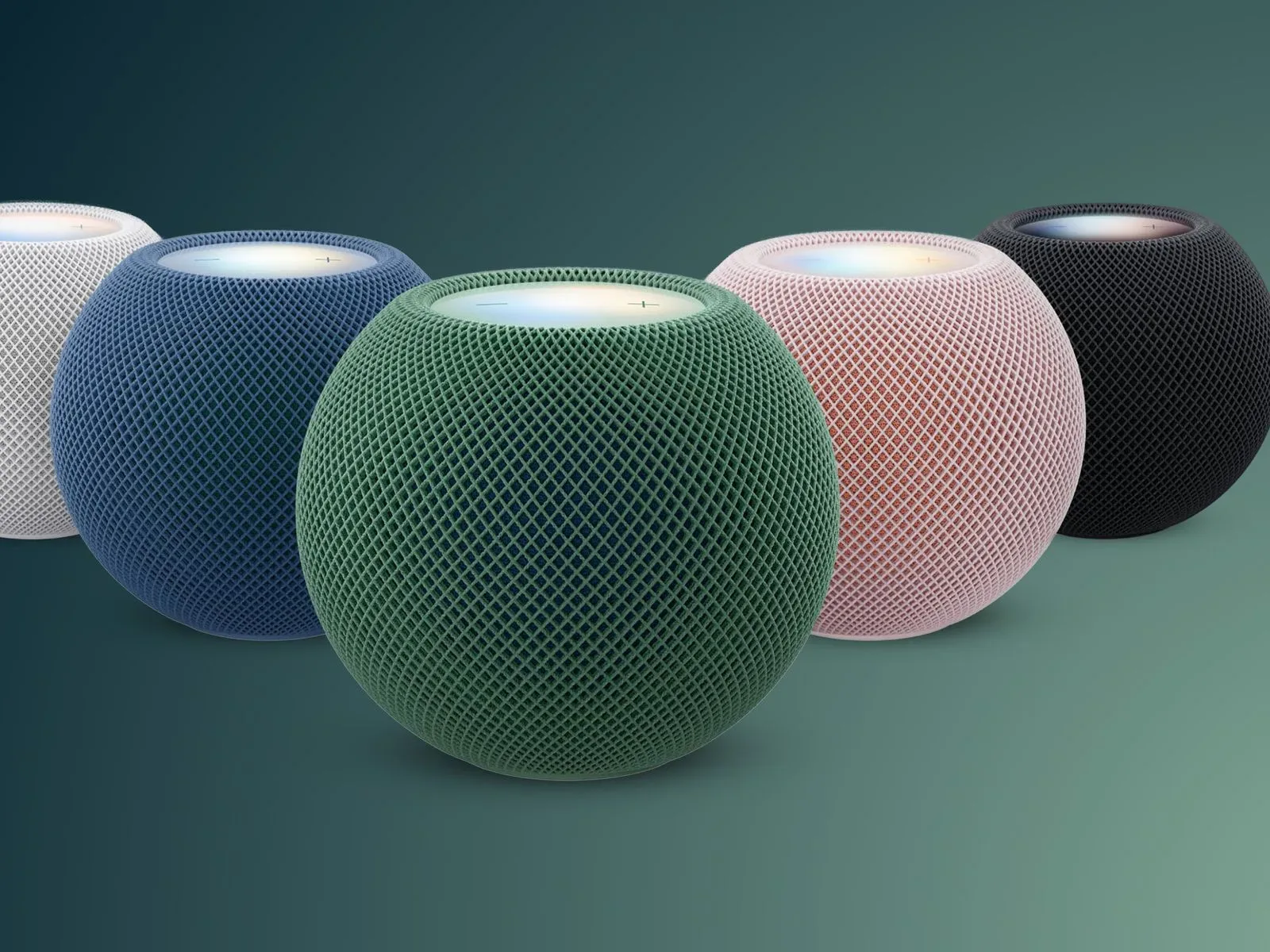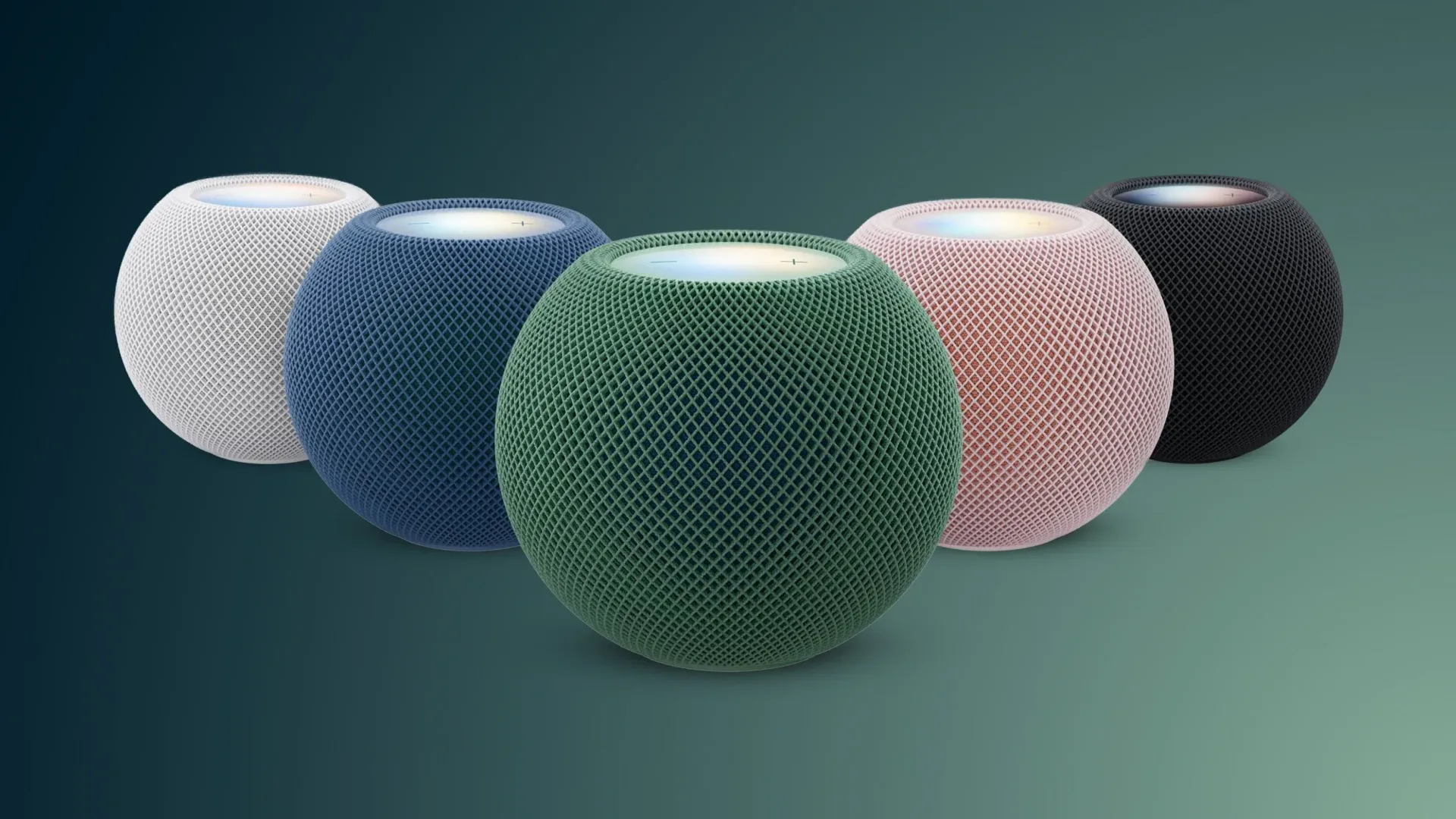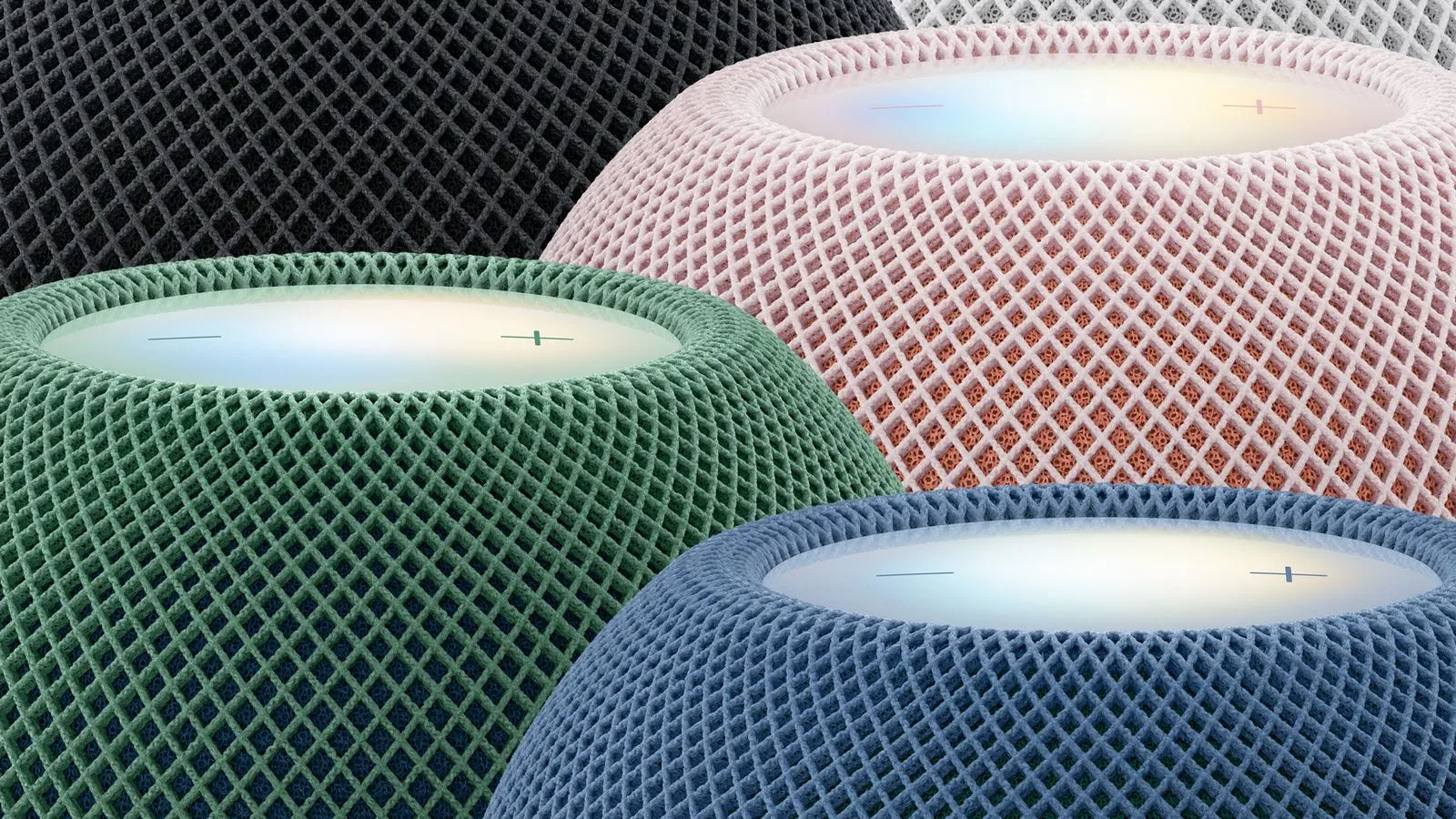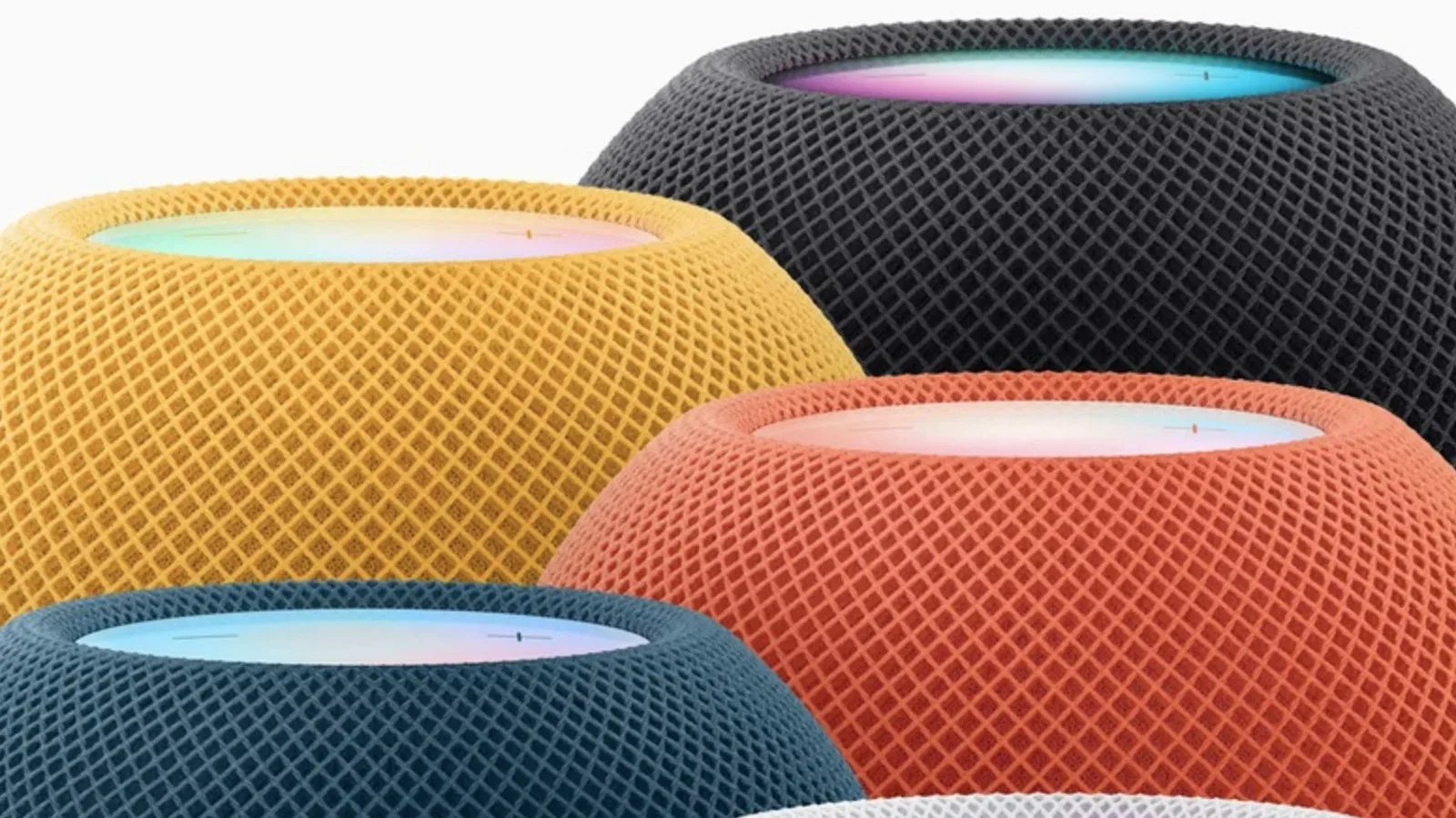
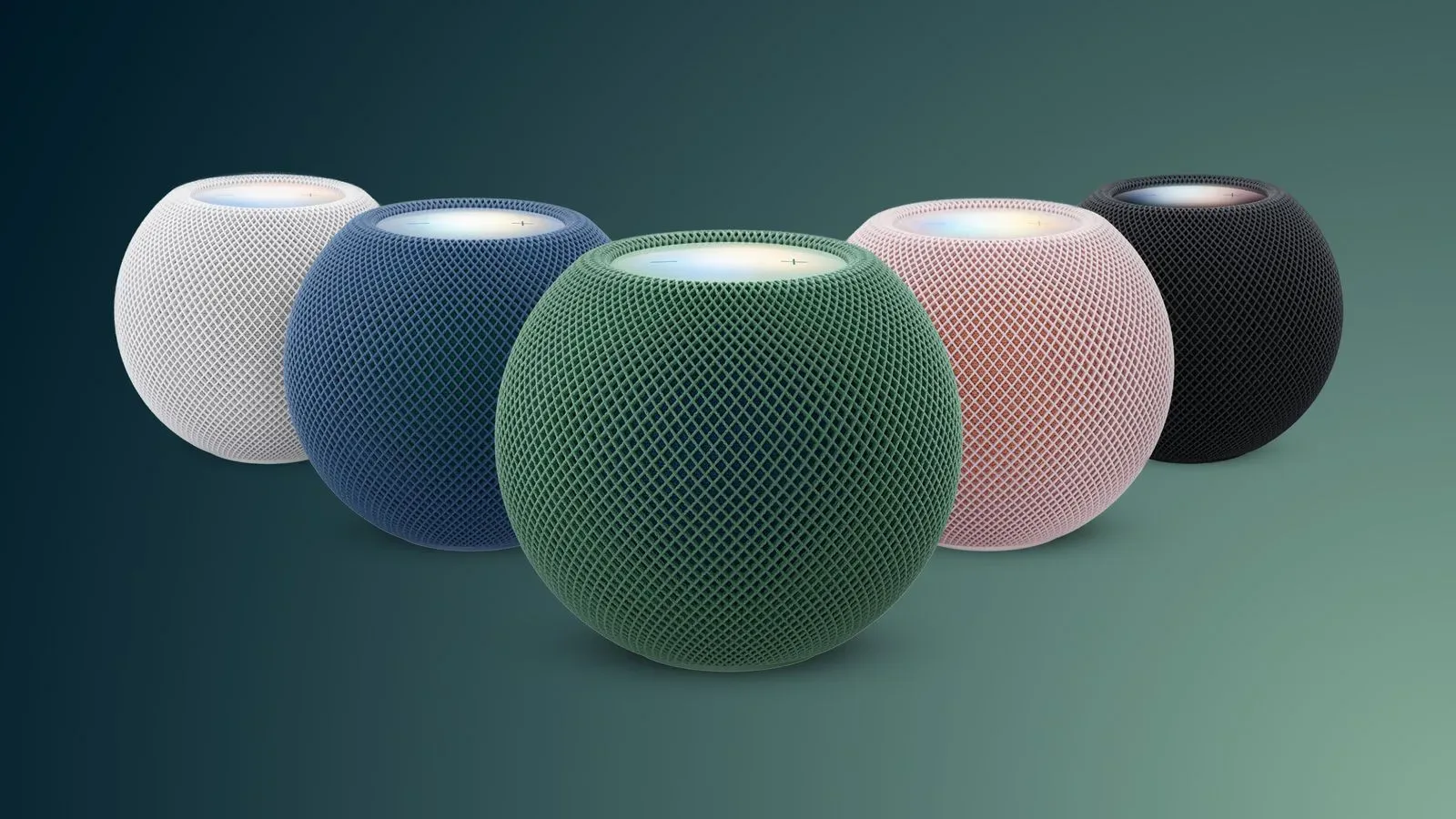
The HomePod mini 2 is equipped with 2GB of RAM supplied by SK Hynix. The figure is noteworthy chiefly because it fills in a hardware detail that Apple does not list in the product’s public technical specifications.
On its own, a RAM total does not translate neatly into a promise about speed, sound quality, feature support, or longevity. It does, however, describe a real part of the device’s hardware budget: the short-term working memory available while its software is operating. For people who follow the internals of compact Apple hardware, that makes the documented 2GB figure useful context rather than a headline-grabbing performance verdict.
What 2GB of RAM means
RAM, short for random-access memory, is the fast, temporary memory a device uses to hold information and active software while it is running. It is different from long-term storage. RAM is not where a device permanently keeps a user’s files, settings, or downloaded data after power is removed; it is workspace used by the operating system and current tasks.
In a small smart speaker, that workspace can be allocated across the operating system, audio-related processes, network activity, voice-assistant processing and other functions the system needs to keep ready. The exact split, software behavior and practical limits for the HomePod mini 2 are not established by the 2GB disclosure alone. The number simply confirms the size of the available memory pool.
That distinction matters because readers often compare RAM totals across fundamentally different kinds of electronics. A desktop computer, a phone, a watch and a speaker can all have memory measured in gigabytes, yet their software, displays, workloads, power limits and multitasking requirements are very different. A larger number in one category is not automatically evidence that another category’s smaller total is inadequate.
For the HomePod mini 2, the useful takeaway is specific: it has 2GB of RAM, and SK Hynix is identified as the supplier. It is not, on the supplied evidence, a basis for claiming a certain increase in responsiveness, additional feature set, or direct performance comparison with another HomePod.
Why the chip comparison is reasonable—but limited
The figure is not especially surprising in light of the Apple Watch Series 10. Its S10 chip also has 2GB of RAM. That is a meaningful point of reference because it places the HomePod mini 2’s memory capacity alongside another compact Apple device using closely related silicon context.
Still, shared capacity should not be treated as proof that the two products behave alike. A watch is built around wearable-device demands, while a smart speaker has its own operating environment and responsibilities. Memory capacity is one component of a broader design that also includes the processor, software, thermal constraints, connectivity and the tasks the device is intended to perform.
Put another way, the comparison helps explain why 2GB is a plausible configuration. It does not reveal every detail of the HomePod mini 2’s internal architecture, nor does it establish that its software uses memory in precisely the same way as the Apple Watch Series 10.
Apple’s public spec sheets do not tell the whole hardware story
Consumer-facing technical-specification pages typically focus on details that are easiest to use when choosing and setting up a product: dimensions, ports, wireless support, compatibility and other outward-facing capabilities. Memory totals are sometimes omitted, especially when they are not positioned as a direct purchasing comparison.
That makes independently documented component information valuable for a narrower audience. Hardware enthusiasts, repair-minded readers and people tracking a product family’s technical evolution often want to know what sits behind the public specification sheet. A confirmed RAM figure can help create a more complete record even when it changes nothing about day-to-day ownership.
The same principle applies to component sourcing. Knowing that SK Hynix supplies the RAM identifies the manufacturer of a key part, but it should not be overread as a statement about the entire device’s supply chain or about the qualities of every other component. It is one documented part of the bill of materials, not a full teardown or a complete manufacturing map.
What the disclosure does and does not answer
The new detail answers a clean factual question: how much RAM is in the HomePod mini 2? The answer is 2GB. It also identifies SK Hynix as the RAM supplier.
Several questions remain outside that answer:
- It does not specify how much memory is reserved by the operating system versus other processes.
- It does not establish a measurable speed difference from an earlier product.
- It does not confirm future software capabilities or update support.
- It does not reveal storage capacity, processor performance, or every component inside the speaker.
- It does not establish user-visible audio or voice-assistant results by itself.
Those limits are important because hardware reporting can turn a precise component figure into broad speculation very quickly. In this case, the better reading is modest: an unlisted specification has been documented, giving observers a clearer picture of the HomePod mini 2’s memory configuration.
Why small hardware details still matter
There is value in recording the less-visible parts of consumer technology. Product pages necessarily simplify complex hardware into a manageable list, but enthusiasts often care about the particulars left out of that summary. RAM capacity is one of those particulars because it provides context for the scale of the software environment a device supports.
It also helps avoid a common misconception: that every meaningful specification appears in a marketing comparison chart. Public documentation and component-level documentation serve different purposes. The former is designed to explain what a product is and what it officially supports; the latter can clarify how that product is assembled at a technical level.
For readers interested in compact hardware across generations, the HomePod mini 2 figure joins the sort of detail that makes future comparisons more grounded. That interest extends beyond current devices, too; see our look at Fix-It Felix Jr. on Commodore Amiga hardware for a very different example of how technical constraints shape software work.
For now, the confirmed point is straightforward. The HomePod mini 2 contains 2GB of SK Hynix RAM, matching the RAM capacity associated with the S10 chip in the Apple Watch Series 10. Apple does not publicly list that memory amount in the HomePod mini 2’s technical specifications, which is why the confirmation is useful for anyone keeping track of the speaker’s underlying hardware.