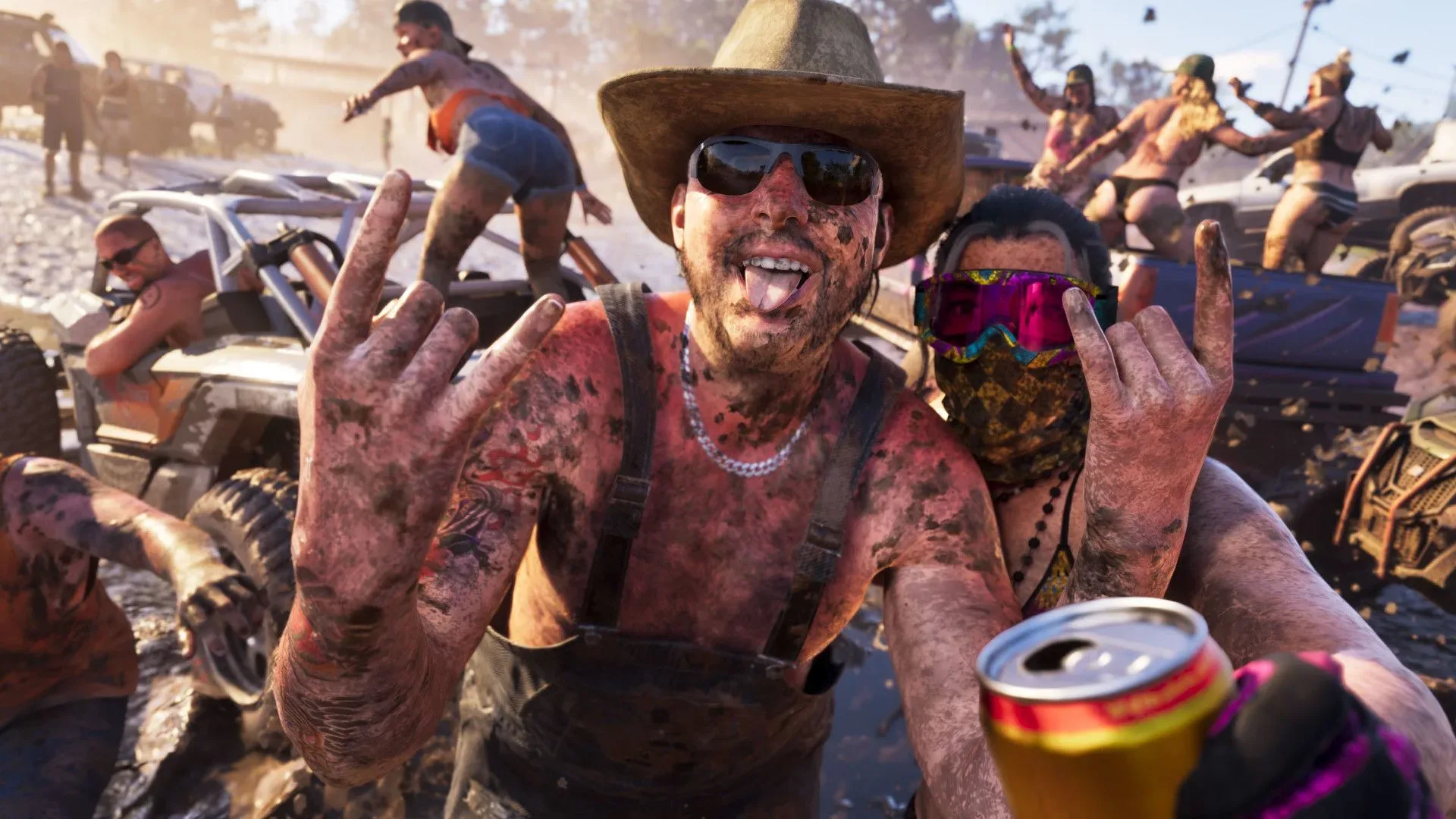

Pavel Durov has found one part of Grand Theft Auto VI difficult to buy: its fictional criminals apparently operate without a Telegram group chat.
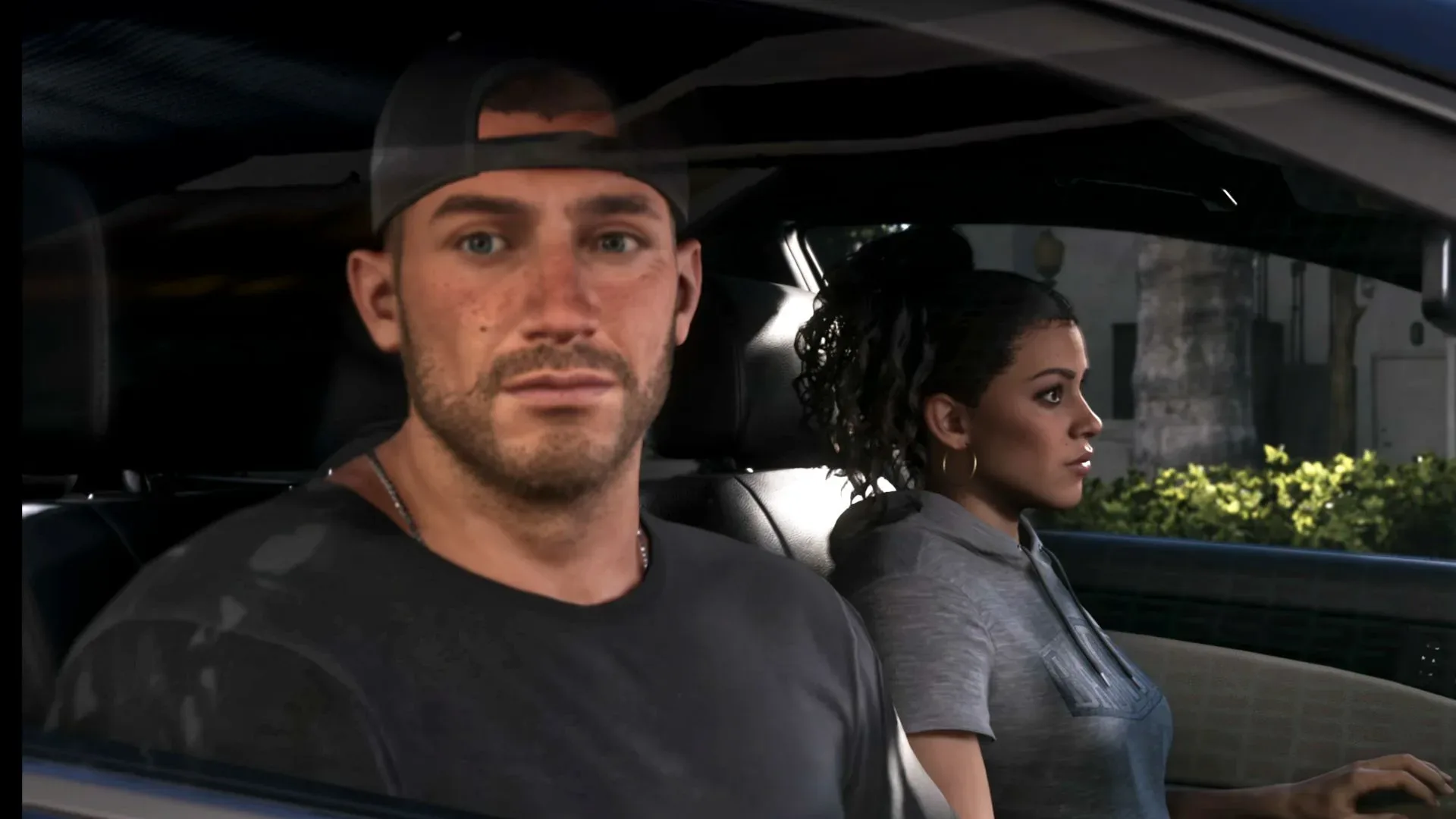
In a post on X late last week, the Telegram CEO wrote: “The least realistic thing about GTA VI is that Jason and Lucia run a whole criminal operation without a single Telegram group.”
It is a concise gag about the modern texture of crime fiction. Grand Theft Auto has long built its worlds from recognizable pieces of contemporary life—phones, media, consumer brands, law enforcement, scams, celebrity culture, petty rivalries and the tools people use to coordinate all of the above. A pair of protagonists running an operation without an encrypted group thread is, on one level, exactly the kind of missing mundane detail a player might notice.
But the joke has an unavoidable second layer because it came from the chief executive of a platform that has faced serious allegations and legal attention around illegal activity conducted through its services. Durov has maintained that Telegram works to remove unlawful content and rejected the idea that the app is a refuge for criminal activity. The result is a post that can read as a light observation about GTA’s realism while also putting the platform’s reputation directly at the center of the punchline.
Why one line about GTA 6 has attracted attention
Jason and Lucia are the central fictional criminals referenced in Durov’s post. Their work in GTA 6 naturally invites comparisons with the ways organized crime is depicted—and coordinated—in present-day media. A group chat is not glamorous, but it is a familiar storytelling shorthand for planning, logistics and communication. Its absence can feel less like a plot hole than a sign that a game has chosen not to put every routine digital interaction on screen.
That distinction matters. Realism in a game is not the same thing as reproducing every behavior that might occur in real life. A game can aim for a convincing world while omitting repetitive, legally fraught or simply uninteresting details. Grand Theft Auto’s satire typically relies on compression: complex systems are turned into readable missions, mechanics and scenes that keep the player moving.
Showing protagonists use a recognizable real communications brand would also be a very different creative choice from showing a generic in-game phone or fictional social platform. The supplied information does not establish whether Telegram appears anywhere in GTA 6, so Durov’s comment should be understood as commentary on the game rather than confirmation of a removed feature, partnership, product placement or design decision.
There is a broader point beneath the gag, however. Digital communication now shapes how audiences judge fictional worlds. Players do not only look for authentic-looking streets, vehicles or dialogue. They notice whether characters use phones, online services and platforms in ways that resemble life outside the game. The increasingly ordinary infrastructure of everyday life can become part of a game’s atmosphere—or its comedy—even when it is never named.
Related coverage includes Telegram CEO Questions GTA 6’s Lack of a Telegram Group.
GTA 6 has already prompted discussion about the limits of sandbox simulation, including a look at how scripted interactions can sit inside an expansive sandbox. Durov’s post turns that conversation toward communication tools: not whether every activity is possible, but which ordinary details a game chooses to represent.
Telegram’s usefulness and its difficult public reputation
Telegram is a widely used messaging service. The information available here describes it as functioning in a similar broad category to Signal, with encrypted messaging features that can appeal to people who need private communication. That can include journalists, protesters and labor organizers—groups for whom confidential conversation may be important.
Encrypted messaging refers, in general terms, to messages being protected through cryptographic methods rather than being sent as plain, openly readable text. Privacy-focused features can serve legitimate and important purposes. They can also complicate the detection and moderation of wrongdoing when bad actors use a service. Neither point cancels the other out.
That is why the single phrase “Telegram group” carries baggage that a comparable joke about a fictional smartphone might not. Telegram has developed a public association with criminal networks, including communities connected to white nationalism and cryptocurrency scams. The available account also says the platform has been associated with illegal activity such as drug trafficking and distribution of child sexual abuse material.
It is crucial to be precise about responsibility here. A service being used by people engaged in illegal behavior does not, by itself, prove that every user or every group is criminal, nor does it resolve legal claims against a company or executive. At the same time, platform operators can face intense scrutiny over whether their policies, enforcement systems and responses are sufficient when serious harmful conduct occurs through a service.
The legal context behind the punchline
The timing makes Durov’s GTA 6 line especially conspicuous. In 2024, he was indicted in France on 12 charges tied to allegations that Telegram had not done enough to address drug trafficking and the distribution of child sexual abuse material on the platform. An indictment is an accusation in a legal process, not a finding of guilt.
Earlier this year, Russia charged Durov with facilitating terrorism after allegations that information used to target Russian soldiers, infrastructure and civilians during the Russia-Ukraine war had not been removed. That is also an allegation described as a charge, not an established conclusion.
Durov’s position, as provided here, is that Telegram actively removes illegal content and that claims framing the service as a criminal haven are wrong. Those denials are important context. They also help explain why the post is so striking: the joke frames Telegram as a natural tool for fictional criminals at the same time its CEO disputes the premise that it is uniquely defined by criminal use.
For a technology leader facing allegations centered on content moderation, this is not a neutral bit of pop-culture commentary. It links the brand to the exact perception the company is contesting. The intent may have been irony, self-awareness or simple exaggeration. The practical effect is less controllable. Online posts travel without their intended tone, and this one provides critics with a remarkably compact restatement of the reputational problem.
What “content moderation” means in this situation
Content moderation is the set of policies, people, reporting tools and technical systems a platform uses to identify, review, restrict or remove material that violates its rules or breaks the law. In a messaging environment, the challenge can be particularly complicated because services may include private conversations, group spaces, channels and other modes of communication with different visibility and privacy expectations.
There is no evidence in the supplied material that GTA 6 depicts real Telegram groups, that Rockstar Games has responded to Durov’s post, or that the comment has any impact on the game. It should not be turned into more than it is: a public quip, albeit one whose subject is sensitive for the person making it.
Still, the exchange demonstrates why cultural references can become reputational events for major platforms. Fictional crime is conventionally entertaining because it is fictional. A real service’s association with the mechanics of crime is more complicated, particularly when the platform is also used for privacy-sensitive lawful communication. The tension is not solved by treating encryption as inherently suspect, nor by pretending that privacy tools cannot be abused.
GTA’s realism is selective by design
There is also a useful gaming takeaway. Players often use “realistic” to mean multiple things at once: visually convincing, socially recognizable, mechanically detailed or emotionally believable. Those standards can conflict. A game that faithfully reproduced every communication step involved in an illegal operation could become tedious, distract from the story or raise unwanted questions about how much procedural detail belongs in entertainment.
GTA’s approach has historically depended on selecting the details that carry the sharpest satirical signal. A phone, parody app or frantic call can instantly communicate a social world. It does not need to become a full communications simulator to make players believe that its characters live in a networked era.
Durov’s complaint therefore works best as an intentionally exaggerated observation rather than a literal design critique. No evidence here indicates that Jason and Lucia never use digital communications, only that Durov found the lack of a Telegram group conspicuous enough to joke about it. The larger conversation is not really about whether GTA 6 needs a branded group chat. It is about the strange collision between a game’s fictional lawbreakers and the real-world legal, political and moderation debates surrounding the tools that might enable them.
In that respect, the post is almost perfectly suited to Grand Theft Auto’s orbit: a real executive makes a joke that sounds like it could have been written as an in-game satire, and the surrounding facts make the joke far more uncomfortable than a simple realism nitpick should be.