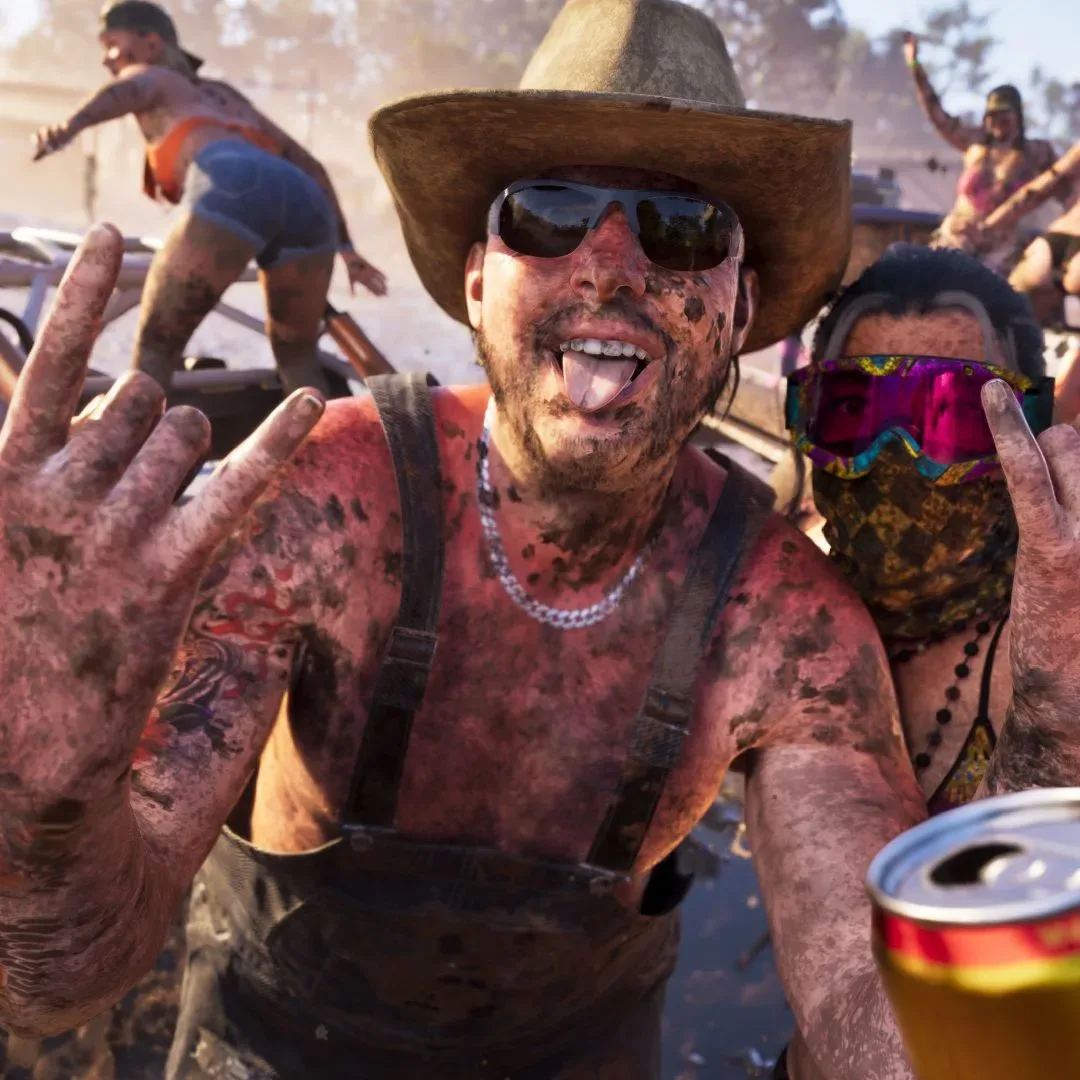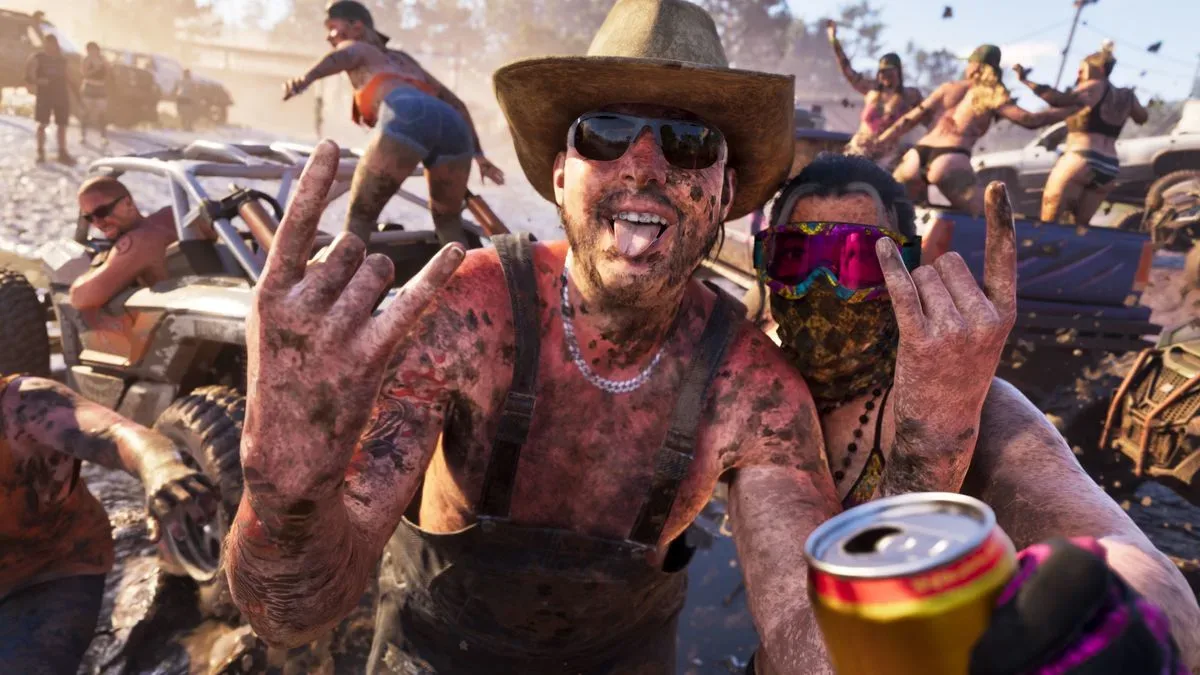
Grand Theft Auto VI is big enough that its launch-day impact is now being discussed in workplace terms, not just sales and player counts. An economics professor at Pompeu Fabra University in Barcelona has suggested that the game’s November 19 release could see roughly 1.5 million US workers call in sick, creating a potential productivity loss of about $1 billion.
It is a vivid number, and an easy one to picture: a huge game arrives after a 13-year wait, some people decide that their first day in a new virtual city is more important than their first day in the office, and employers discover that a suspiciously large share of their staff have developed a pressing need to stay home.
But the important qualifier comes before the punchline. This is an academic projection, not an official forecast. It is a scenario built from assumptions about who will be absent, how much economic output those workers represent, and how launch-day excitement could affect people who remain on the clock. The $1 billion figure is useful mainly as a way to think about how entertainment events can briefly reshape schedules—not as a precise bill that will arrive on the US economy’s desk on November 20.
What the estimate is actually claiming
The scenario rests on an estimated 1.5 million absences. The professor expects men aged 18 to 30 to account for most workers calling out, with the technology sector facing the greatest pressure. That profile is said to resemble the people and occupations most associated with taking time away from work for Grand Theft Auto V.
There are two effects being proposed:
- Absence: people who would otherwise work take a sick day or another day away from their job so they can play.
- Reduced performance: people who do report for work may be less productive because they played late, are tired, or are spending the day discussing the game rather than focusing fully on their tasks.
That second category matters because a launch-day disruption is not limited to a simple headcount. A worker can be physically present but mentally divided between a deadline, a group chat and the first few hours of Rockstar’s newest open-world game. Whether that produces a measurable, economy-wide effect is a much larger question than whether it produces a lot of workplace conversation.
Why the $1 billion headline needs careful reading
The calculation is linked to an estimated average annual output of $70,000 per US worker and a claimed short-term productive dip of around 2%. Those are broad economic concepts being used to sketch a one-day cultural event, which makes the resulting total inherently uncertain.
Annual output means the value associated with a worker’s production over a year. It is not the same thing as a person’s salary, nor is it necessarily a clean measure of what is lost when that person misses one day. Turning an annual figure into a launch-day estimate requires additional assumptions about working days, whether missed work is made up later, how a particular workplace operates, and how much of a person’s output depends on colleagues, customers or systems still running normally.
Related coverage includes GTA 6 Launch Could Trigger $1 Billion US Productivity Dip, Economist Suggests.
The supplied outline does not provide every step needed to independently reproduce the $1 billion total. That does not make the thought experiment pointless; it does mean the number should not be treated as a settled economic measurement. The projection is best understood as a deliberately attention-grabbing estimate of potential short-term lost productivity.
“Productivity” also has a more specific meaning than “the whole economy loses money.” A missed shift may delay work. It may lead to overtime, rescheduling or work being completed the next day. In some jobs, an absence is immediately disruptive; in others, the output can be recovered. Those differences are why an estimated productivity dip and a permanent economic loss are not automatically the same thing.
A missed day of work is not the end of the economic story
Even within the scenario, the lost-output framing has a counterweight. Money spent on GTA 6 would flow to Take-Two and Rockstar Games through the game’s release. In that sense, the thought experiment is not claiming that all activity vanishes. It is contrasting a temporary reduction in ordinary workplace output with consumer spending connected to a blockbuster launch.
That distinction is crucial. A player taking time off may represent a cost or scheduling headache for an employer, while the purchase itself represents revenue somewhere else. The two effects are not interchangeable, and the information available does not establish that one exactly cancels the other. Still, it explains why the $1 billion framing should not be read as a straightforward net loss for the entire economy.
There is also a practical difference between a worker taking an unplanned sick day and using approved leave. The estimate is explicitly built around calling in sick, but a person who schedules paid time off in advance creates a different operational problem. Employers can plan staffing around known leave more easily than an unexpected cluster of absences, even if both groups spend the day playing the same game.
Why GTA 6 is an unusual case
The premise depends on exceptional anticipation. The next Grand Theft Auto has arrived after a 13-year gap, making its release feel less like a routine launch and more like a shared event for a large segment of the audience. That does not prove 1.5 million absences will occur, but it explains why the possibility attracts more attention than a typical release date.
Reports of some companies saying they will close on the day rather than fight a wave of sick calls add to the joke, while also illustrating the planning issue behind it. If managers genuinely believe enough staff will be distracted or absent, pretending it is an ordinary day may not be the most efficient response. A planned closure or clear leave policy would at least replace uncertainty with a known schedule.
For employees, though, the practical implication is more mundane than the headline. A high-profile game does not turn an absence into an entitlement. Workplace policies still apply, and calling in sick when not ill can create consequences depending on an employer’s rules. The safer route for someone determined to play at launch is the unglamorous one: arrange time away if possible, set expectations early, and avoid turning a game release into a dispute with a manager.
What employers can reasonably take from the forecast
The projection is not a reason to panic, nor is it evidence that a nationwide shutdown is imminent. It is a reminder that heavily anticipated releases can create localized staffing and attention issues, particularly in teams whose demographics overlap with the game’s most engaged audience.
A proportionate response would focus on communication rather than surveillance or alarm:
- Remind staff of the process for requesting leave and reporting illness.
- Identify work that cannot easily be delayed and ensure it has coverage.
- Expect launch-day conversation and distraction without assuming every fan will be absent.
- Recognize that a one-day dip in focus may be temporary rather than a lasting productivity problem.
The tech-sector emphasis in the estimate is similarly a hypothesis, not a certainty. It may be based on perceived overlap between the workforce and the audience most likely to play immediately, but no sector is a monolith. Plenty of players will wait, work as usual, or play after hours; plenty of non-players will never notice the date beyond a few conversations around them.
The broader point behind the gag
The funny part of the forecast is the image of a blockbuster game briefly becoming a macroeconomic event. The more useful part is that it captures a real feature of modern launches: games can command time, attention and social discussion on a scale that spills beyond the screen.
That does not turn every major release into an economic emergency. It does show why release dates have consequences beyond sales charts. When a game carries the cultural weight of GTA 6, the first day is also a coordination problem for players, workplaces and communities trying to decide whether to treat it as an ordinary Wednesday—or as something worth planning around.
For a different example of how major games can generate discussion that extends past straightforward news, see our coverage of the debate around canon and a possible female V cameo in Cyberpunk: Edgerunners 2.
Ultimately, the $1 billion estimate is a provocative scenario rather than a verified prediction. The actual impact will depend on how many people take time off, how many employers have planned for it, whether work is recovered afterward, and whether launch enthusiasm translates into real absence rather than just a very sleepy morning meeting. The economy will almost certainly survive. The calendar invites may not.