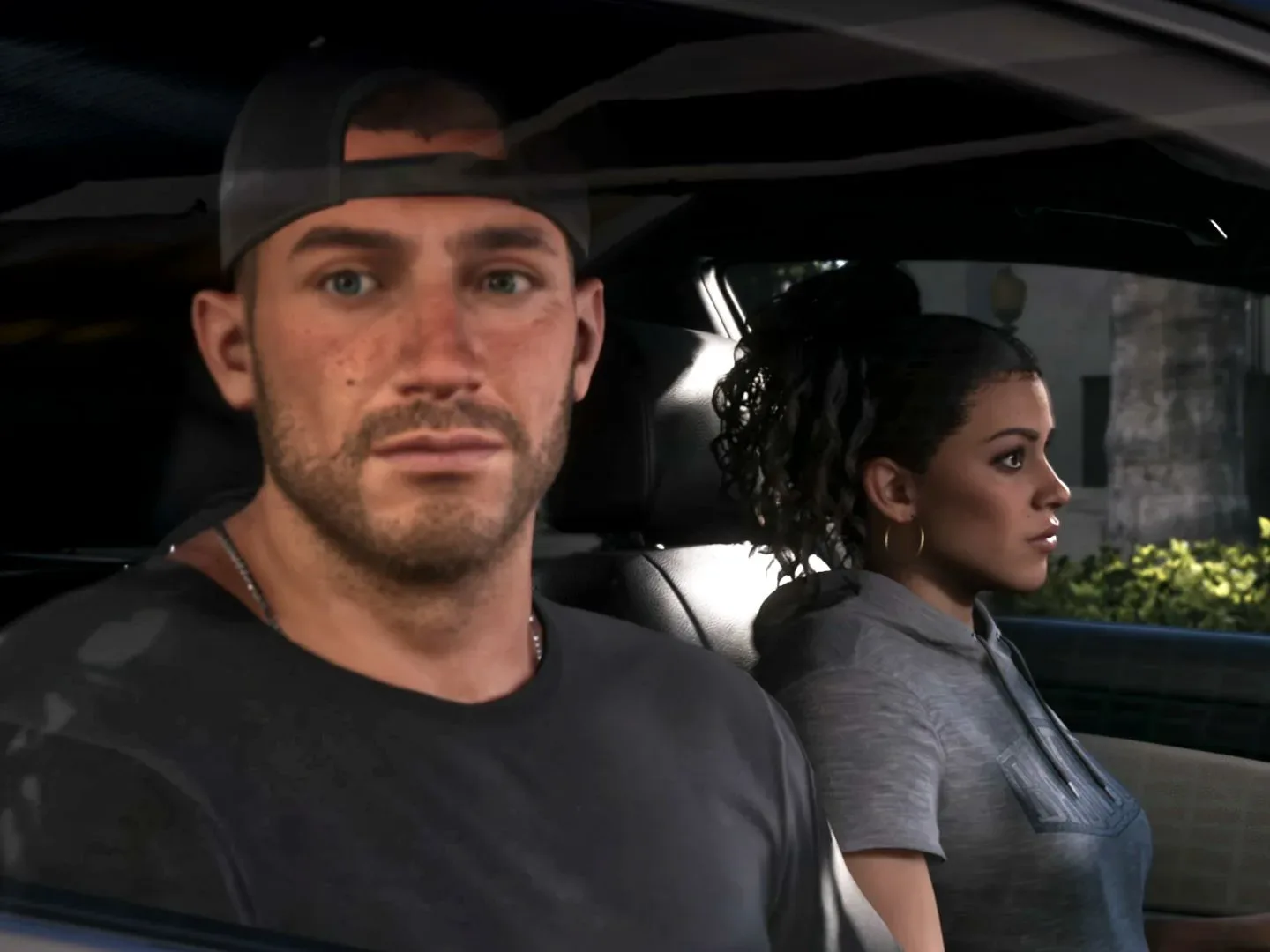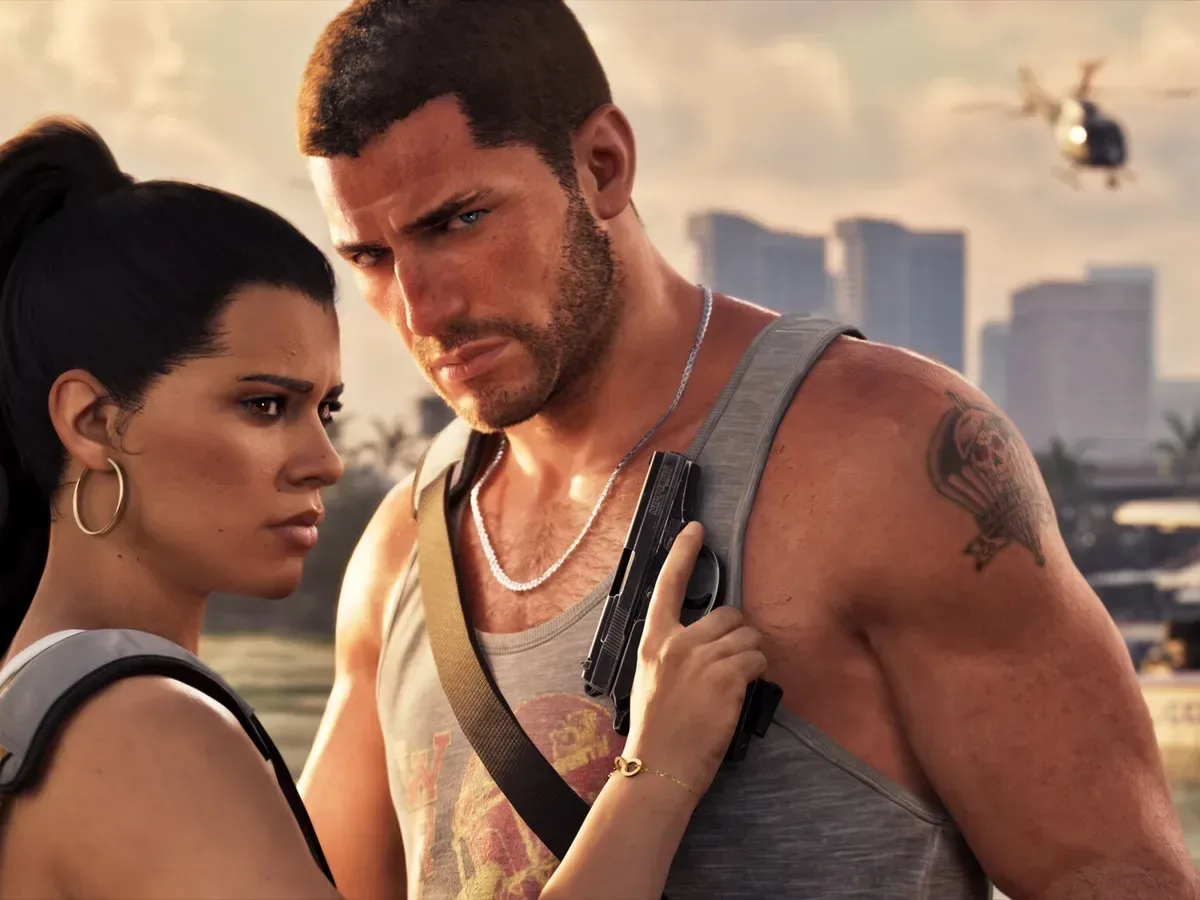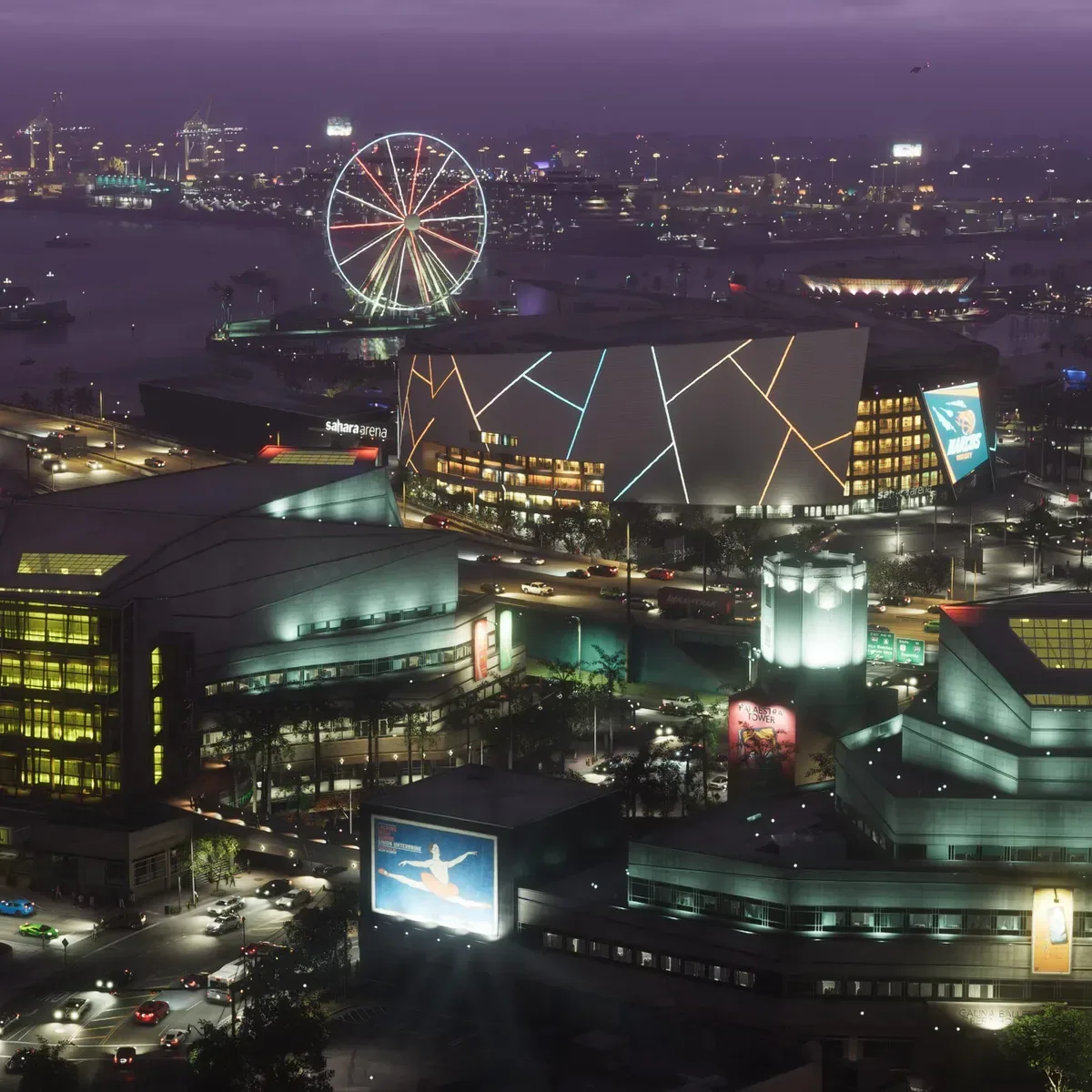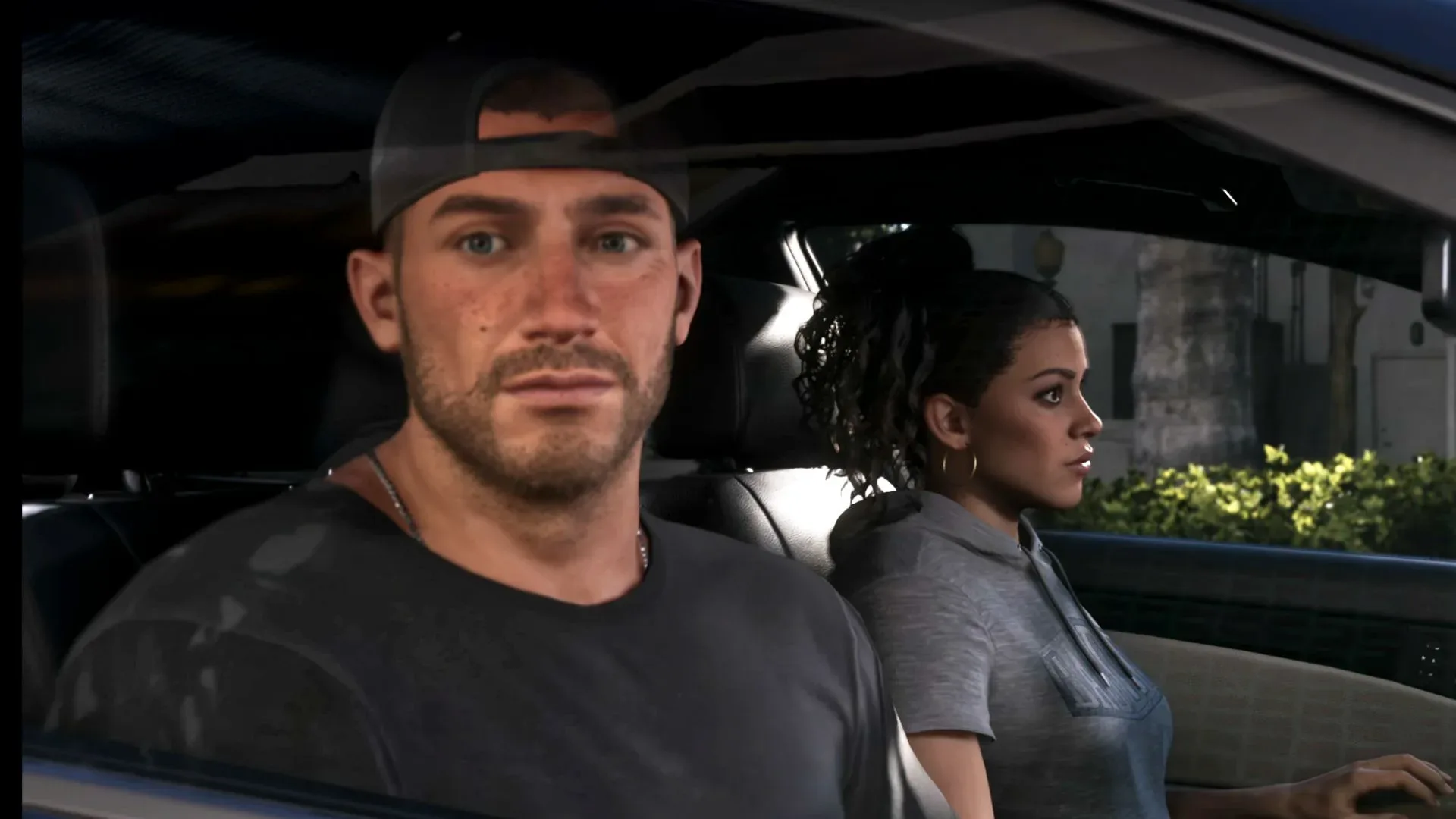
Grand Theft Auto VI has not launched yet, but it already occupies an unusual place in the games business: it is being discussed less like a single release and more like a date that the rest of the release calendar must work around. Former Sony Interactive Entertainment Worldwide Studios president Shuhei Yoshida has suggested that the next game to reach a comparable level of cultural attention may not arrive until Rockstar Games makes another Grand Theft Auto.
His half-joking answer was, “After 15 years, maybe GTA 7, we’ll see.” The joke contains a serious observation. GTA 6 has accumulated an enormous amount of anticipation across a wait of more than 13 years since the prior mainline entry. It is difficult for another game to reproduce that exact combination of time, brand recognition, audience scale and public curiosity on command.
But Yoshida did not frame Rockstar as the only company that could make the next truly gigantic game event. He pointed to companies in China as potential competitors or imitators during what he described as the long interval after GTA 6. “No one should underestimate the power of these Chinese companies,” he said.
Why GTA 6 is being treated as an event, not simply a release
“Hype” can be an imprecise word. In this case, it means sustained public expectation well before launch: fan theories, social conversation, merchandising interest, retailer attention and a perceived need for other publishers to make scheduling decisions around one title. GTA 6’s planned November launch has become a reference point in that sense.
The central practical implication is visibility. A game launching near an entertainment phenomenon can struggle to receive attention, even if it is good. Players have limited money, time and attention; storefronts, social feeds and conversation can be dominated by the game everybody expects to discuss. The supplied reporting describes developers and publishers moving their own releases away from GTA 6’s window rather than risk being overlooked.
That is not quite the same thing as proving every other release would fail. Moving a launch is a risk-management choice, not a guarantee of disaster. Still, it illustrates the industry’s belief that GTA 6 may reshape the competitive environment around its arrival.
There are signs of anticipation extending beyond the software itself. The release has been associated with scarce consoles being resold at inflated prices, while some consumers have reportedly been prepared to spend $400 on a merchandise box that includes a spoon. Neither example tells us what the game will be like, and neither should be confused with a measure of quality. They do show how a major release can create demand for surrounding products and opportunistic resale activity before players have access to the finished game.
Yoshida’s GTA 7 line is a forecast about scale, not a GTA 7 reveal
It is important to separate a memorable remark from a product announcement. Yoshida did not announce GTA 7, provide a development timetable or claim knowledge of Rockstar’s plans. His “maybe GTA 7” response was a speculative way to describe how rare a similarly huge buildup could be.
Related coverage includes Shuhei Yoshida Thinks GTA 6's Event-Level Hype May Not Be Matched Until GTA 7.
That distinction matters because “impact” is broader than sales. A game can sell extremely well without forcing rival publishers to reconsider release dates. It can earn critical praise without becoming a mainstream topic for years before launch. It can also generate intense online attention without retaining players over time. GTA 6 is being positioned in public conversation as a rare overlap: a blockbuster sequel, a long-awaited return for a globally recognized series and an object of sustained speculation.
Yoshida’s observation also points to the paradox of long gaps between sequels. A lengthy wait can frustrate fans, but it can also concentrate expectation. Every year without a new mainline installment gives audiences more room to revisit an older game, create theories and build a picture of what the next release ought to be. That does not automatically make the eventual game better. It does make the launch carry a larger burden of attention.
The broader games industry has other long-running franchises with demanding audiences. The specific challenge for a sequel is not merely following a famous predecessor; it is meeting a fan community that has spent years imagining its successor. That tension is relevant well beyond Rockstar, as discussed in a recent look at the creative expectations facing Fallout 5.
China is the meaningful part of the prediction
Yoshida’s answer did not settle for the idea that only Rockstar could match Rockstar. His reference to Chinese companies broadens the question from one sequel to the changing capacity of the global games industry.
To emulate GTA 6 in this context would not necessarily mean copying its setting, characters or missions. It means pursuing a similarly large-scale combination of production ambition, consumer attention and commercial visibility. To compete could mean releasing a different kind of game that nevertheless becomes an event large enough to command comparable public interest.
That is a more useful framework than asking which studio can make “the next GTA.” A direct imitation might attract attention initially, but it would have to persuade players it offers its own reason to exist. A genuine competitor could instead arrive through a different genre, a different business model, a different audience or a different creative identity. Yoshida’s point is ultimately about not treating current industry leaders as permanent or unchallengeable.
There is also substantial uncertainty. The available information gives no specific Chinese studio, project, platform or launch window. It therefore cannot support a prediction that any particular forthcoming game will rival GTA 6. The stronger claim is simply Yoshida’s: a long post-GTA 6 gap could create room for ambitious companies to try, and Chinese companies should be included in any serious discussion of who might do so.
Technical ambition may help sustain attention after launch
Pre-release excitement is one side of the equation. The other is whether a game gives people enough to examine, share and talk about once it arrives. GTA 6 is said to have weather re-engineered from Red Dead Redemption 2, including hurricanes, rainbows and more fully formed cloud behavior.
“Re-engineered” should be read carefully. It indicates that the weather system is presented as substantially rebuilt rather than merely carried forward unchanged. It does not, from the information available, establish exactly how every system works, how often particular weather appears, or what effect it has on missions and the wider world.
Even so, weather systems have an outsized role in open-world games. They can alter the atmosphere of a familiar location, give players unexpected moments to capture and make a virtual world feel less static. A hurricane or rainbow is not automatically meaningful gameplay. But environmental detail can become part of the shared vocabulary around a game: the clips people post, the scenes players revisit and the claims audiences make about how “alive” a world feels.
That helps explain why technical details can feed into hype without being the whole story. Fans are not only waiting for plot or missions; they are waiting to see whether the next world feels like a substantive leap from an earlier one. In an open-world series with a huge audience, every disclosed system can become fuel for analysis, speculation and comparisons.
What the industry should and should not learn from GTA 6
The wrong lesson is that every publisher should chase the same format, scale or level of secrecy. GTA 6 benefits from conditions that are not easily copied: a specific series history, a vast installed audience and a very long period between mainline entries. Treating that recipe as a universal blueprint risks producing expensive projects designed around imitation rather than a clear audience need.
The more grounded lesson is about differentiation and timing. If a release is likely to dominate attention, other games need a deliberate answer: move to a clearer calendar slot, speak to a distinct audience, offer a substantially different experience or accept that the launch must compete for oxygen. A release date is not just a logistical marker; it is a marketing decision made in relation to everything else players can buy and play.
Players, meanwhile, do not need to let event-level marketing dictate every purchase. Anticipation can be fun, and it can create a communal feeling around a release. It can also encourage rushed hardware purchases, inflated resale prices and merchandise decisions that matter far less than the game itself. Waiting for reliable details and deciding based on personal interest remains a better approach than treating scarcity or social pressure as proof of value.
For now, GTA 6’s most extraordinary feature may be the space it occupies before release. Yoshida’s GTA 7 quip acknowledges that cultural space may be harder to recreate than any individual technological feature. Yet his warning not to discount Chinese companies keeps the future open: the next industry-defining event may be another Rockstar sequel, but it does not have to be.