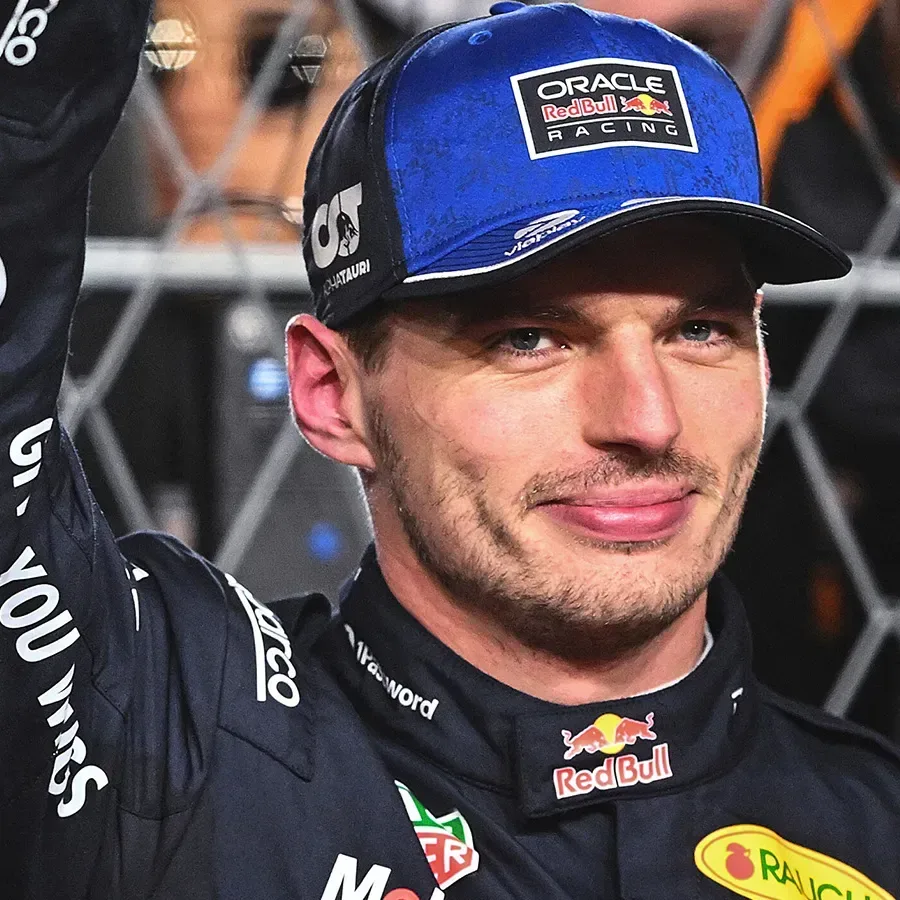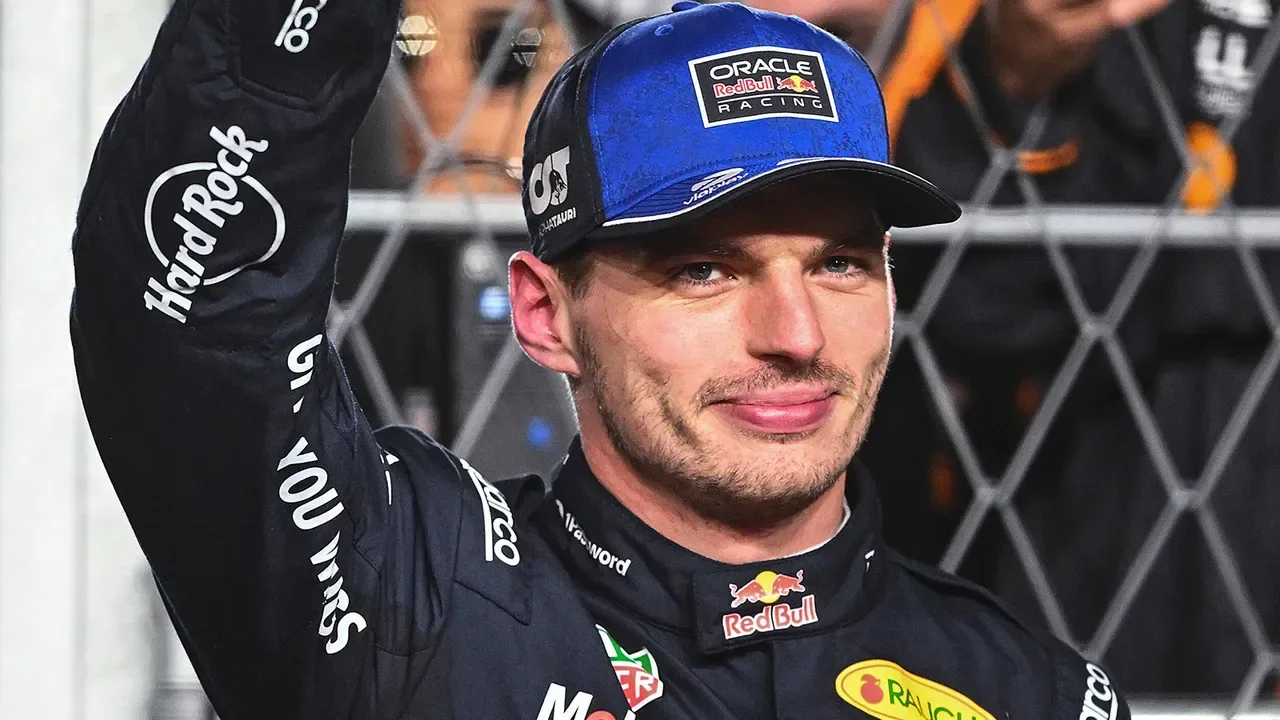
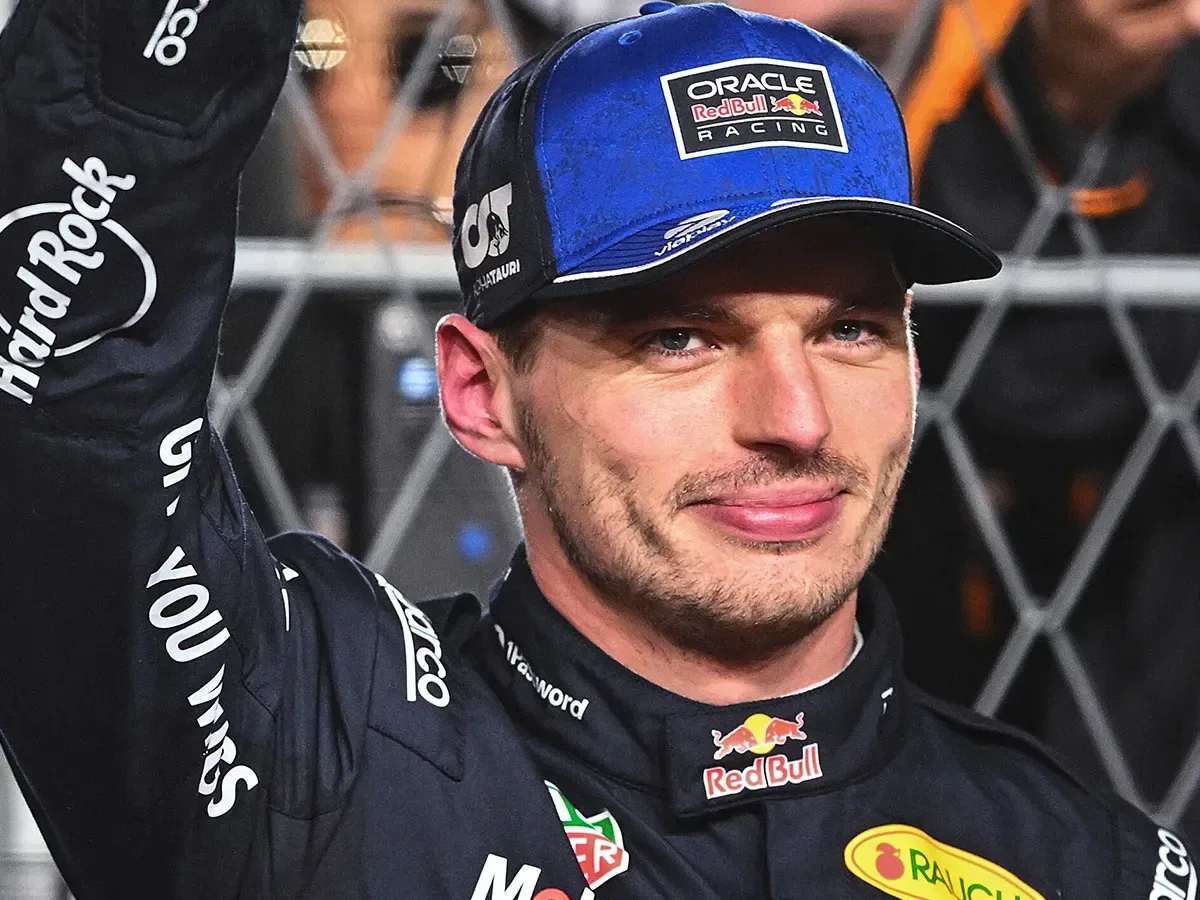
Max Verstappen says he found time for more than 40 hours of Grand Theft Auto 6 during the Las Vegas Grand Prix weekend—and still finished first in the Formula 1 race.
Speaking on a livestream after the event, Verstappen said he played Rockstar’s open-world game in the mornings and evenings around his track commitments. His explanation for the unusually committed virtual-crime schedule was straightforward: “I played a lot in the evening and in the morning in Vegas,” he said, adding that he was not able to simply head out and walk around.
The claim is a striking one because the Las Vegas Grand Prix ran from November 19 through 21, a period already defined by a demanding schedule for drivers and teams. Verstappen won the race ahead of Lando Norris of Britain and Australia’s Oscar Piastri. The grand prix itself is roughly 50 laps over 192.6 miles (309.96 kilometres), with a typical running time of around an hour and a half. Of course, a race weekend involves much more than the race alone, making the GTA 6 time figure all the more eye-catching.
A race weekend, plus a very large virtual state
Verstappen did not present the gaming marathon as a feat of time management to emulate. Rather, it sounds like a practical way to fill downtime while remaining constrained by the obligations and limited freedom of a race weekend. The detail that he played at both ends of the day matters: this was not a quick session squeezed in after the chequered flag, but a game he says he repeatedly returned to throughout the trip.
He also said he had reached about 80% of GTA 6’s story. That is a useful distinction from saying he has completed 80% of the game in every possible sense. In an open-world game, the main story is one path through a broader set of activities. Time spent driving, trying optional events, roaming the map, or simply causing havoc may not translate directly into story progress. Conversely, a player concentrated on missions can move through the narrative while leaving plenty of optional material untouched.
Verstappen’s account suggests a fairly direct approach to the campaign. He admitted that he has skipped much of the main story’s cutscenes because he finds them boring. A cutscene is a non-interactive cinematic sequence used to advance plot, introduce characters, or transition between missions. Skipping them can make sense for a player whose priority is getting back to driving or reaching the next playable objective, but it can also mean missing story context that other players consider central to the experience.
That makes Verstappen’s reported progress less a verdict on how GTA 6 ought to be played than a neat example of how differently players can use an open-world game. One person can treat it as a narrative campaign with cinematic scenes; another can view the story chiefly as a route to the next vehicle, location, or mission.
Real-world racing and GTA’s vehicle playground
The crossover is amusing on its face. Verstappen spends his working life racing cars at the highest level, then chose a series named Grand Theft Auto for his off-track entertainment. But the connection is not limited to the name. Vehicles are foundational to the GTA formula, and GTA 6 includes more than ordinary road travel and car theft.
Related coverage includes Max Verstappen Says He Played GTA 6 for More Than 40 Hours During Las Vegas GP Weekend.
The game features drag racing and mudding. Drag racing is a short, straight-line contest focused on acceleration and timing. Mudding refers to driving off-road vehicles through muddy terrain or specially prepared mud tracks, where traction and terrain become part of the challenge. Neither activity resembles Formula 1 in any close technical sense, but both build on the broader appeal of vehicles: speed, control, spectacle, and seeing what a machine can do in a different environment.
There is no indication of precisely which activities Verstappen spent his time on, so it would be a leap to say he participated in either of those modes. The more solid takeaway is simply that GTA 6 offers a vehicle-focused sandbox expansive enough to appeal to someone whose professional world already revolves around racing.
It is also worth separating the simulation from the fantasy. Formula 1 is a highly structured sport conducted within rules, team operations, and precise competitive conditions. GTA 6 is an open-world game built around player freedom, where a vehicle can be transport, a mission tool, a collectible-looking curiosity, or the starting point for an entirely unplanned detour. The overlap is the pleasure of driving; the context could hardly be more different.
Why 40-plus hours is the detail players will notice
Forty hours is substantial even for someone with a quiet week at home. During a grand prix weekend, it becomes a particularly revealing measure of enthusiasm. Verstappen did not claim to have casually sampled GTA 6. He described a concentrated stretch of play that reportedly carried him through most of its narrative while he was simultaneously preparing for, and winning, a major race.
That number should not be read as a recommended standard for players, nor does it establish a universal measure of how long GTA 6 takes to finish. Playtime differs depending on mission pacing, optional activities, exploration, restarts, time spent in menus, and whether a player watches or skips scenes. Verstappen’s habits—especially his stated tendency to bypass cutscenes—are likely to shape his experience differently from that of a player taking in every narrative beat.
Still, the figure illustrates a point familiar to anyone who has entered a large open-world game “for a little while”: session length can become surprisingly elastic. A player can begin with a specific plan, then follow an activity chain created by the map, a vehicle, an encounter, or the simple urge to see what lies over the next horizon.
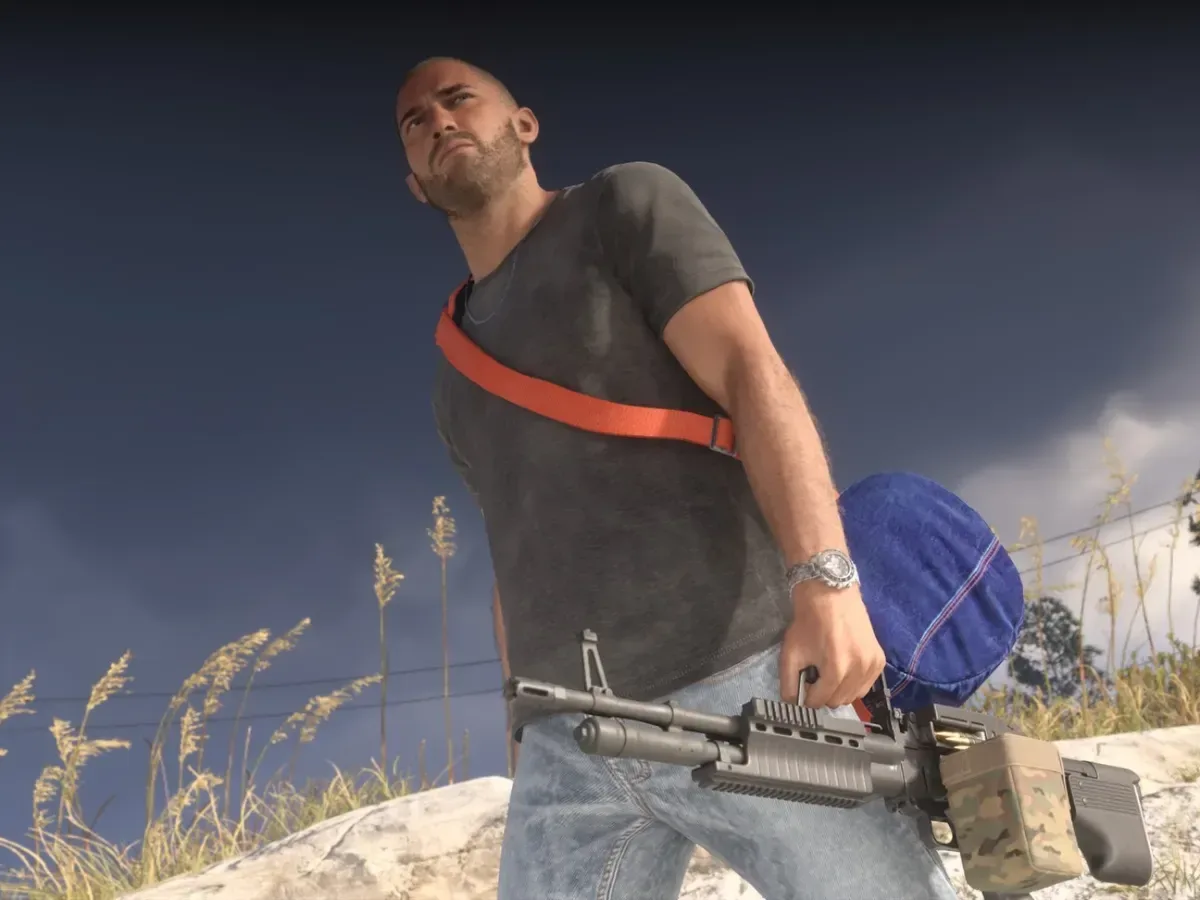
GTA 6’s setting, Leonida, supports that kind of wandering. Some players have reportedly opted not to rush through the early story, instead lingering in Chapter 1. That section places Jason in a relatively routine life as a drug runner in a fictionalized take on the Florida Keys. Rather than immediately pushing onward, players have spent time on quieter pursuits such as treasure diving, fishing with Cal, and absorbing the environment.
That slower approach makes an interesting counterpoint to Verstappen’s. His reported 80% story progress and cutscene-skipping imply a player moving with purpose. The Chapter 1 lingerers show the opposite impulse: using the game’s world as a place to inhabit before advancing the plot. Both approaches are supported by the same open-world design, and neither needs to invalidate the other.
Minecraft is apparently the casualty
Verstappen also said GTA 6 and real-world driving had made him forget how to play Minecraft, despite having a Minecraft stream planned. “I’m so bad when I play too many games at the same time,” he said.
It is an understandable, if funny, contrast. GTA 6 and Minecraft ask players to engage with very different systems and rhythms. GTA 6, as described here, has absorbed Verstappen through its story and vehicle-led activities. Minecraft is a separate game with its own routines and expectations. The driver’s comment was not a technical claim that one game’s controls erase another’s; it was a candid observation about his own preference to focus on one game rather than split attention across several.
For viewers, the scheduled Minecraft stream may now carry an extra wrinkle: Verstappen has openly said he feels rusty. For GTA 6 players, his remarks offer a more relatable message than the race-result headline suggests. Even someone capable of winning in Las Vegas can still get completely locked into a new game, skip the dialogue, and let another planned game fall out of mental rotation.
The bigger GTA 6 point: there is no single “correct” pace
Verstappen’s weekend does not establish a new benchmark for game completion, and players should not mistake a celebrity’s unusually packed schedule for a challenge. It does underline the breadth of GTA 6’s appeal. Its story can pull a player rapidly toward the finish; its activities and environment can encourage somebody else to stay in the opening chapter; and its vehicle options naturally create an extra point of interest for a Formula 1 champion.
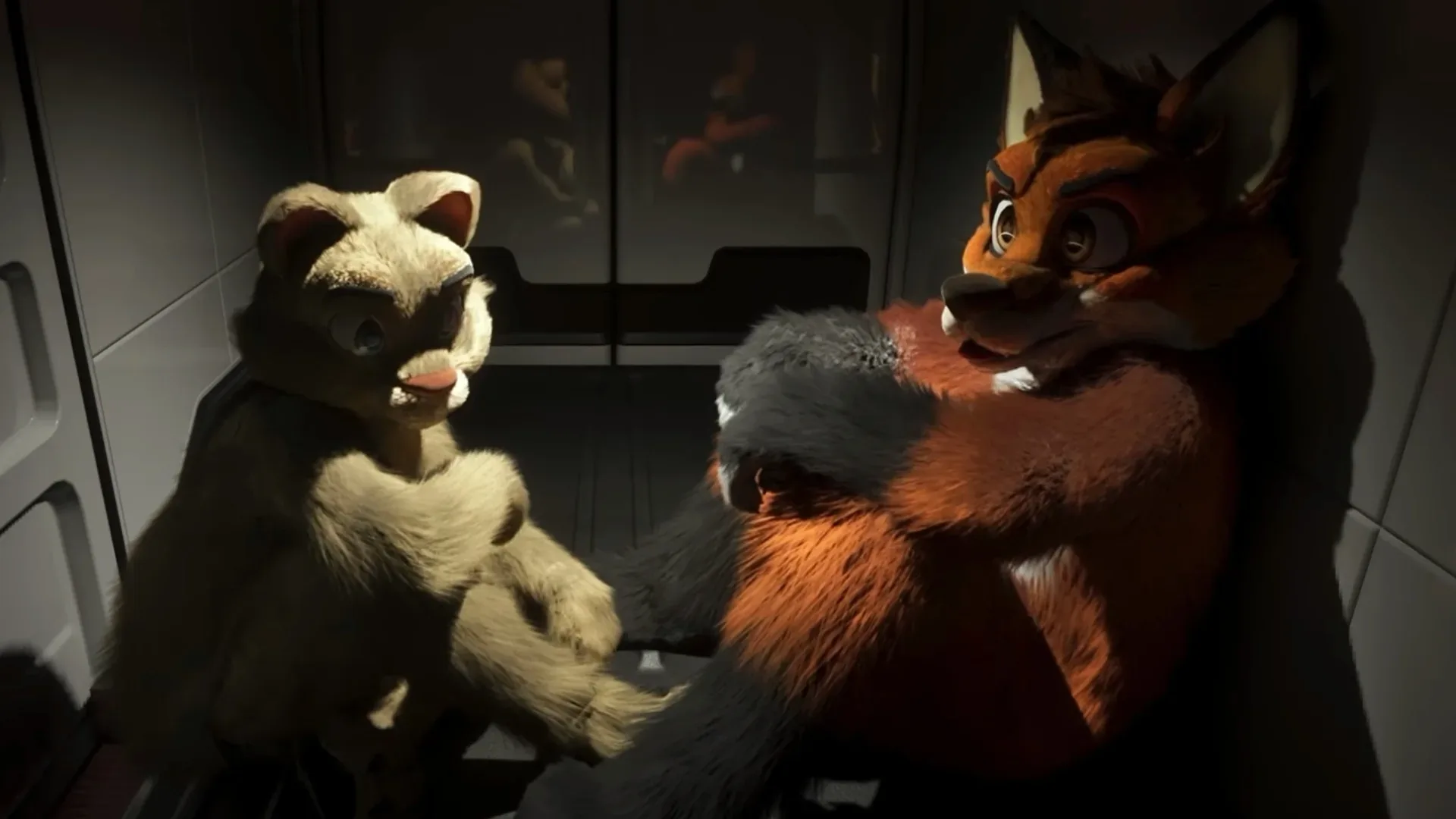
Anyone following the game’s wider conversation may also want to read about GTA 6’s furry storyline and Leonida’s satire. As with Verstappen’s cutscene-skipping, it is a reminder that story details can be discussed, interpreted, or ignored depending on what each player comes to the game for.
For Verstappen, at least during the Las Vegas weekend, the answer was clear: GTA 6 was a major off-track occupation, fitted into mornings and evenings around the race—and it did not stop him from taking the win.