Grand Theft Auto 6 has put furries into one of its most deliberately uncomfortable pieces of world-building. In the fictional state of Leonida, wearing a fursuit is treated as illegal. Television public-service announcements tell residents to report supposedly suspicious “animals” to the authorities, with deliberately silly examples including phrases such as “Uwu,” “Rawr xD,” and “hewwo.” The game also presents a world in which hunters apparently have authorization to shoot furries.
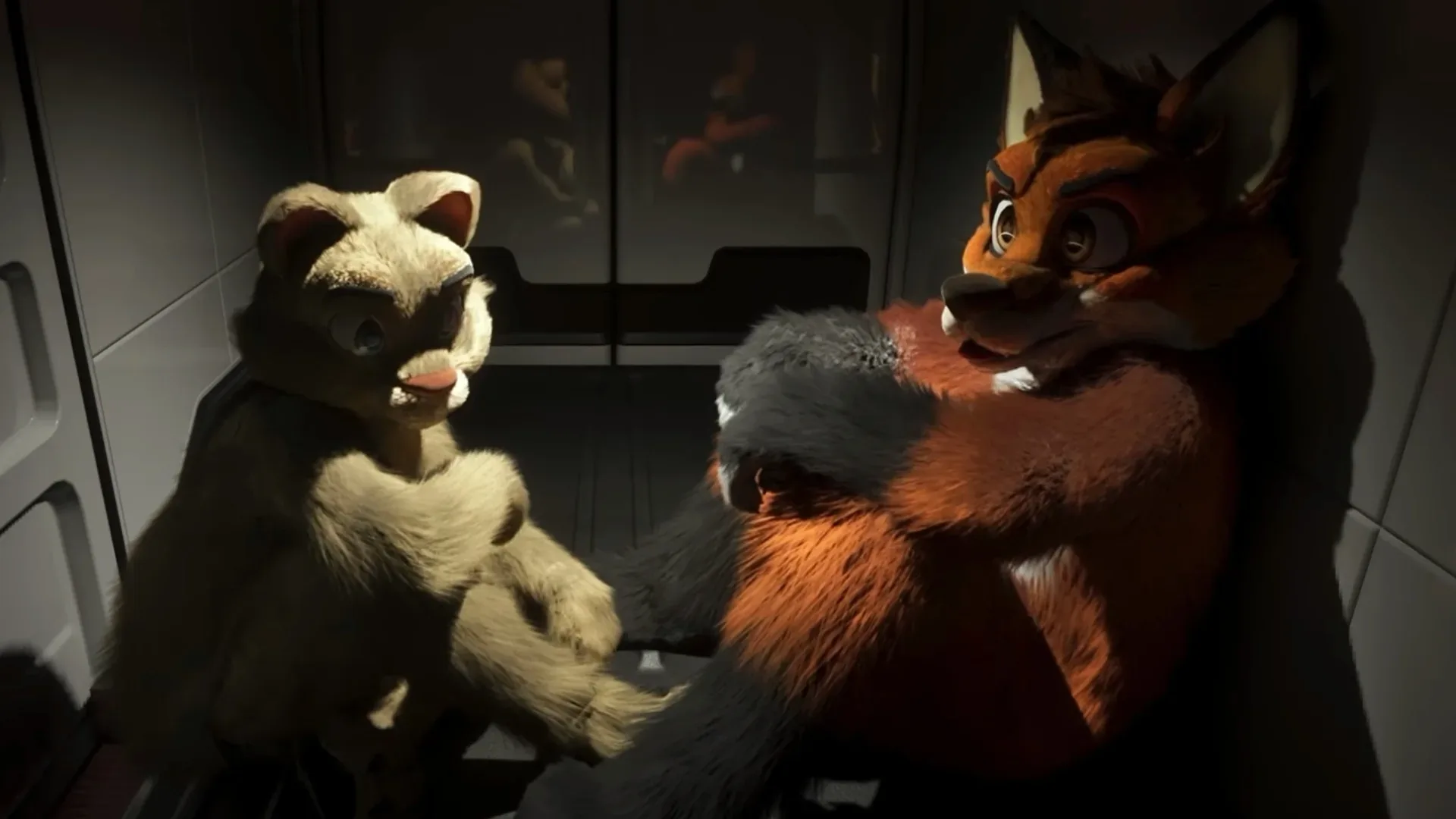
Read in isolation, those details can sound like GTA 6 is turning a real subculture into a target. But a key optional encounter changes the framing considerably. Players can come across a fox-suited furry being cornered and taunted by police while a helicopter shines a spotlight on them. They may simply drive on, as open-world games often allow. Or they can stop, offer the fox a ride, and begin a short rescue mission that helps members of an underground furry coalition evade federal agents.
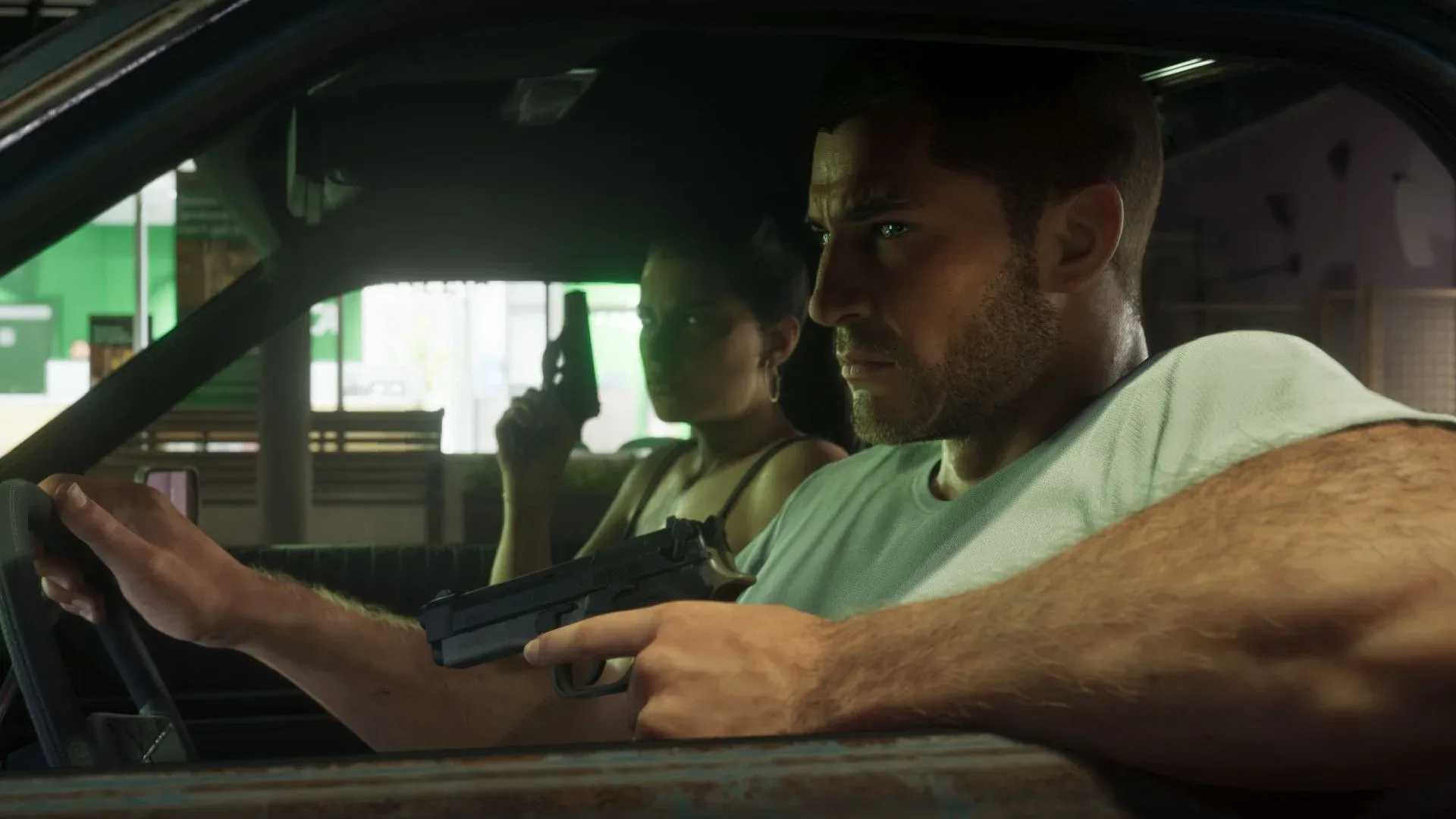
That group is called the Furverts. The sequence includes animal puns and absurd humor, but it also gives its members room to describe the pressure facing Leonida’s furry community. Jason and Lucia can separately have text exchanges in which the player may characterize furries as misunderstood. Taken together, these elements make the intended target of the joke look less like furries themselves and more like a state apparatus that turns suspicion, prejudice, and manufactured alarm into a public spectacle.
What GTA 6 actually lets players do
The most important practical clarification is that the game does not appear to require players to attack furries. The rescue is an optional encounter: players can pass the scene, or intervene by giving the fox a lift. Choosing to help leads to an escape sequence involving the Furverts, rather than a mission that rewards participation in Leonida’s anti-furry crackdown.
That distinction matters because open-world games often contain a gap between the values expressed by their story and the amount of unscripted violence their systems permit. GTA 6’s larger structure gives players broad freedom to cause trouble, and that freedom does not automatically become a statement of approval from the game. Here, however, the separation is especially thorny. After the Furverts have been assisted and any associated reward collected, there do not appear to be comparable protections preventing players from killing furry characters.
There is an instructive contrast inside the game itself: its non-binary character cannot be attacked, while furries apparently do not receive that same mechanical safeguard. It is therefore reasonable to hold two ideas at once. The narrative material surrounding the Furverts is sympathetic and positions the crackdown as grotesque. At the same time, the game’s broader sandbox can still allow a player to enact the same hostility the satire depicts.
For players trying to understand the encounter rather than hunting for a moral “correct” route, the cleanest reading is straightforward: stopping for the fox is the route that reveals the most context. It introduces the Furverts, presents the people targeted by Leonida’s policies as characters rather than background gags, and makes clear that their danger is part of the setting’s political joke.
Why the Leonida material reads as satire
Satire uses exaggeration, irony, and imitation to criticize an attitude, institution, or social trend. It can look confusing on the surface because it has to show the thing it is criticizing. In this case, Leonida’s broadcast messaging mimics the language of public warnings while treating harmless furry slang as evidence of menace. The comedy is built from the distance between the alleged threat and the extreme response: reporting neighbors, police pursuit, a searchlight, and apparent legal encouragement of violence.
Related coverage includes GTA 6’s Furry Storyline Uses Leonida’s Moral Panic as Satire.
The in-game notices are not subtle. That is part of the point. A government warning citizens about “suspicious” use of “hewwo” is not a believable public-safety policy; it is an intentionally ridiculous picture of moral panic. A moral panic is a public reaction in which a person or group is depicted as an outsized threat to social order, often through sensational rhetoric and exaggerated claims. The evidence here shows GTA 6 applying that logic to furries in Leonida.
A fursuit, meanwhile, is a costume representing an anthropomorphic animal: an animal character with human-like traits. Not every furry owns or wears one, and the term “furry” encompasses a broader subculture and interest in anthropomorphic animal characters. GTA 6’s use of conspicuous fursuits gives its fictional authorities something instantly visible to police and bystanders, heightening the story’s image of public scapegoating.
The rescue sequence is significant because it shifts perspective. Leonida’s ads frame furries as a danger to be reported. The Furverts sequence instead depicts them as people forced to flee a system that has already labeled them suspicious. Its goofy puns do not erase the threat surrounding them; the comedy sits alongside police harassment and a helicopter surveillance scene. That tonal collision is a recognizable GTA approach, but its target here is the cruelty and absurdity of the panic.
The ambiguity is still part of the discussion
Satire does not guarantee that every player will interpret it as intended. Some players have raised a specific concern: anti-furry jokes and hostile imagery can be received as validation by people who already hold prejudiced views, regardless of the story’s actual framing. That concern is not disproved merely because the Leonida policy is exaggerated. Broad-audience games reach people with very different levels of attention, media literacy, and willingness to engage with context.
Media literacy in this context means looking beyond what appears on screen to ask who has power, who is endangered, what actions are rewarded, and what the work makes ridiculous. GTA 6 puts the police, state messaging, and hunter-friendly legal climate on the powerful side of the scenario. It places the fursuiter under a spotlight, surrounded and taunted, and offers the player a way to get them to safety. Those are strong signals that the game is not presenting Leonida’s anti-furry apparatus as admirable.
But interpretation and impact are not identical. A player may recognize the satire and still find the image of fursuiters being hunted unpleasant. Another may only encounter a broadcast or a short clip and miss the Furverts mission entirely. And because the game apparently allows violence against furries outside the protected encounter context, its systems can undercut the empathy that the mission creates.
That does not turn the rescue mission into an endorsement of harassment. It does explain why the issue has prompted more scrutiny than a one-line radio gag. The game is engaging a real category of stigma through a fictional, exaggerated crackdown, then handing players the usual degree of open-world agency. The story’s apparent position is sympathetic; the sandbox’s permissiveness leaves room for players to disregard it.
How this fits GTA 6’s wider world-building
The furry material is one thread in GTA 6’s broader portrayal of Leonida as a place where media, institutions, policing, and public spectacle collide. Its public-service broadcasts are environmental storytelling: information embedded in the world that a player may absorb without receiving a formal mission objective. These details are useful not only for jokes but also for establishing what a fictional society regards as normal.
Here, the answer is alarming by design. The state’s treatment of furry identity is not presented as a small private prejudice. It is broadcast, policed, and apparently reinforced by legal permission for violence. The Furverts’ existence follows naturally from that premise: an underground group makes sense in a setting where a visible expression of identity has become punishable.
For more on another part of GTA 6’s launch-era discussion, see what a launch-day GTA VI guide endorsement does and does not make official.
The furry storyline therefore should not be reduced to “GTA 6 has anti-furry ads” or “GTA 6 tells players to hurt furries.” Both descriptions omit the encounter that supplies the scenario’s clearest narrative context. Leonida’s broadcasts and apparent hunting policy are the objects of ridicule; the optional rescue and dialogue choices indicate that the people targeted by the panic are meant to receive the audience’s sympathy.
There remains a meaningful criticism to make of the implementation: allowing players to harm furry characters after the rescue means the game does not enforce its thematic boundary as firmly as it does for its non-binary character. That is a question about how storytelling, player freedom, and protections work together in a satire—not evidence that helping the Furverts is secretly a trap or that the game mandates anti-furry violence.
Ultimately, the available scenes point to a bleak joke aimed upward at Leonida’s institutions and the people who endorse its panic. The game makes its fictional policy absurd, then gives players an opportunity to see its victims as people trying to escape it. Whether every audience member reads the full setup that way is a legitimate concern. But the rescue mission is crucial context: GTA 6 gives players the option to help the Furverts, and its narrative framing is far more critical of the persecution than supportive of it.