Light spoilers for the opening hours of GTA 6 follow.
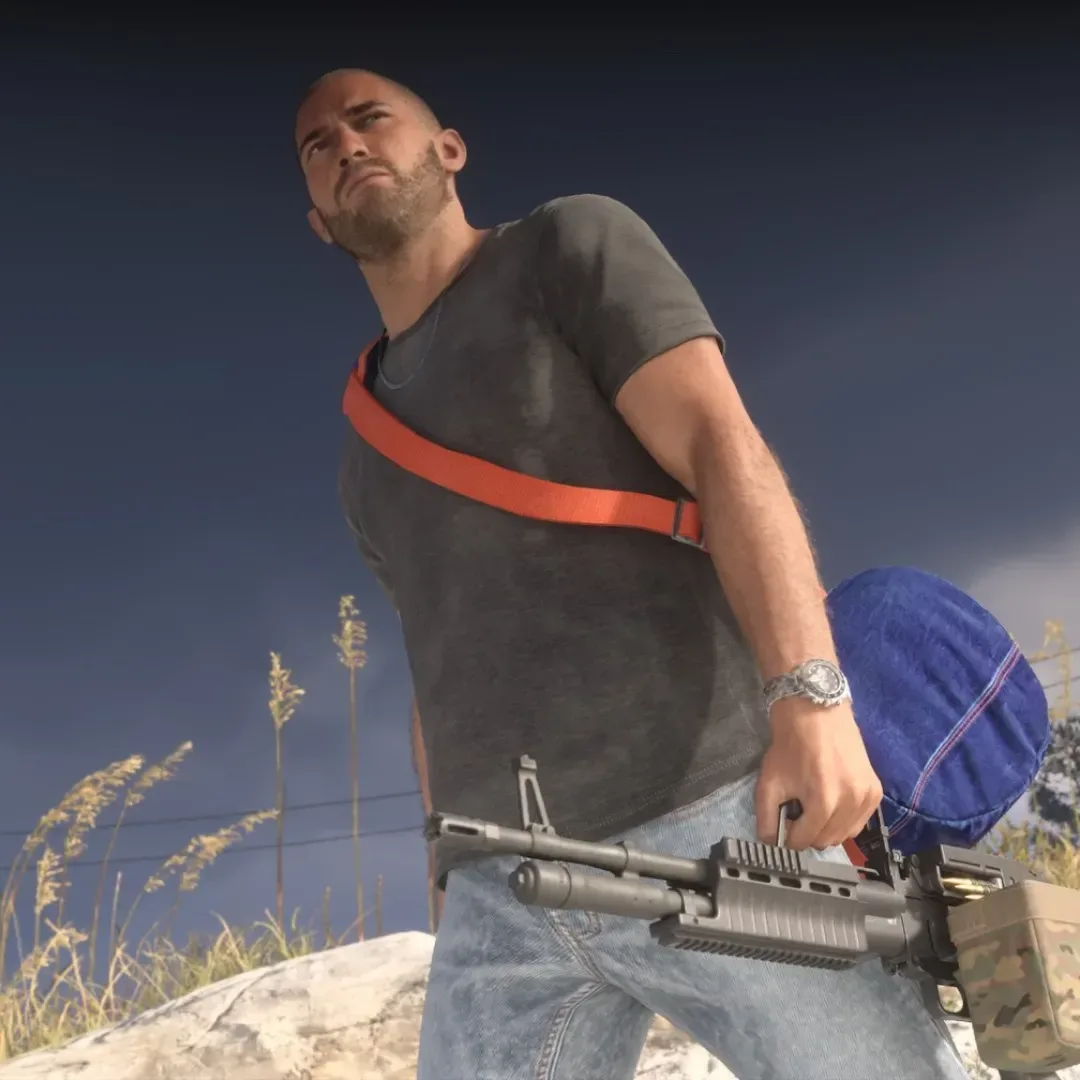
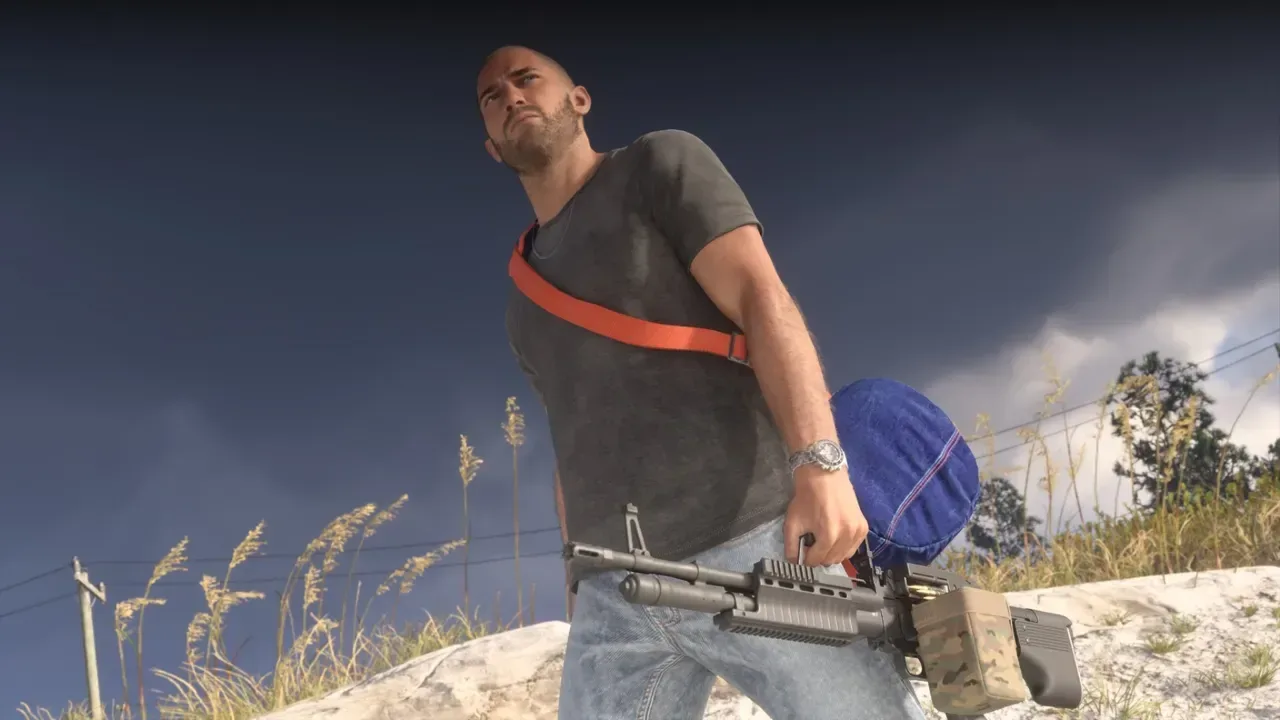
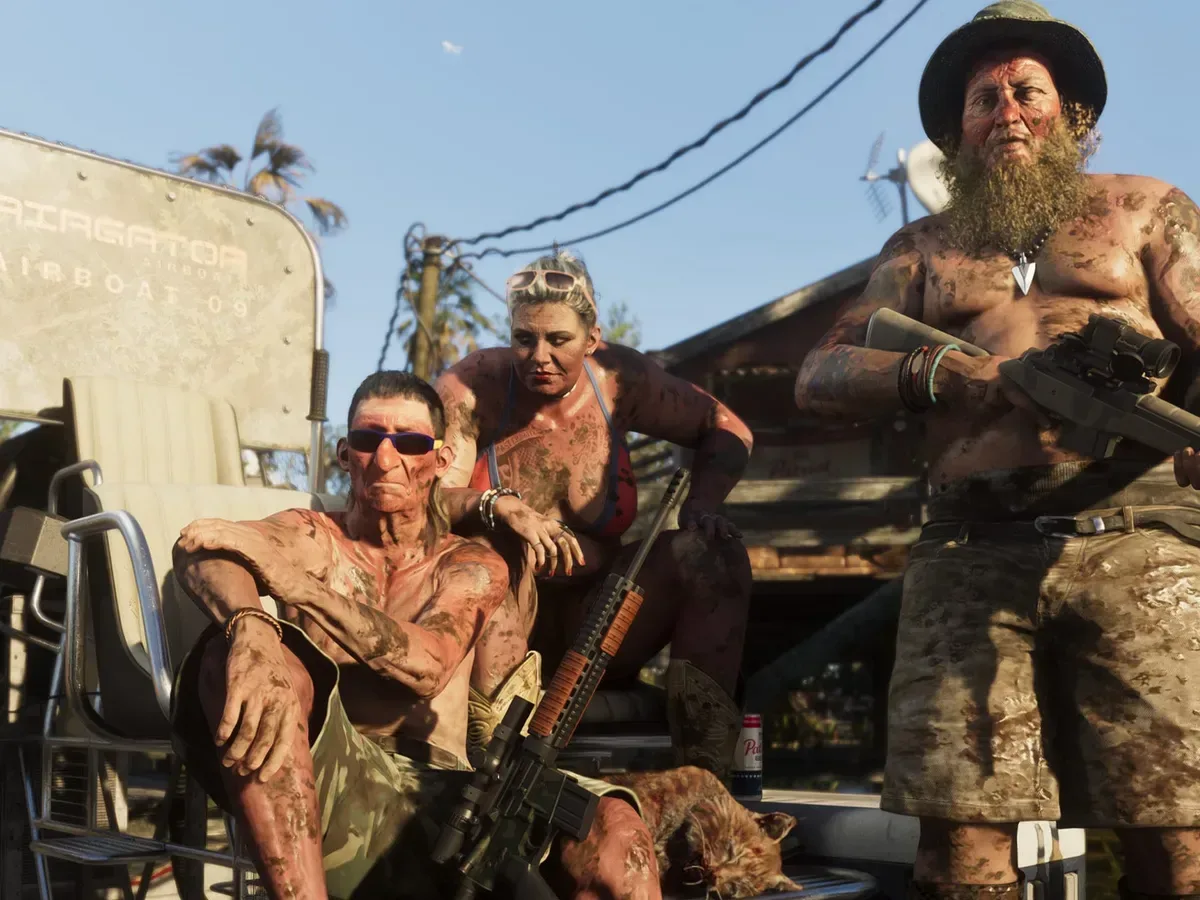
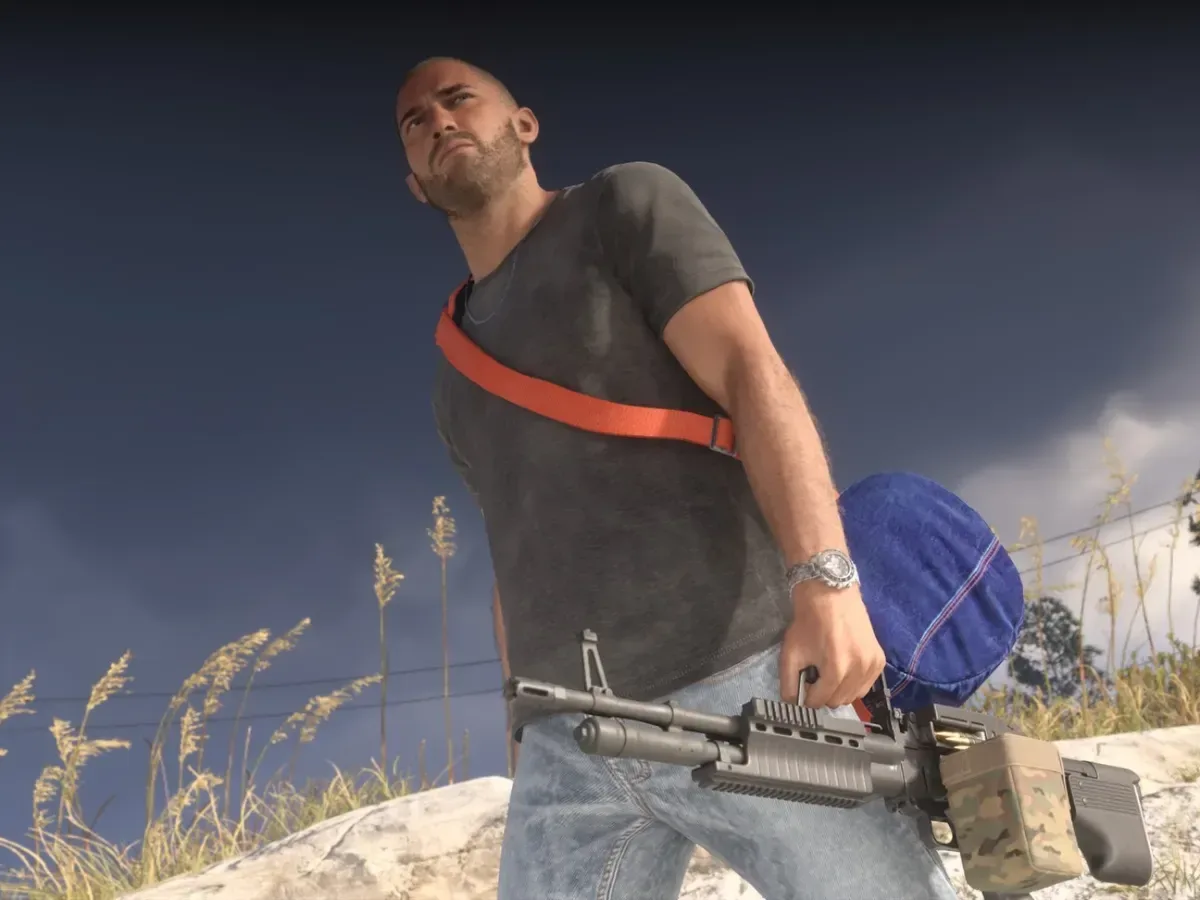
Not every Grand Theft Auto player wants to floor the accelerator the moment the map appears. GTA 6’s opening chapter is proving unusually divisive precisely because it asks for a different tempo: time in Rockstar’s fictionalized Florida Keys, before Lucia is released from prison, where fishing, scuba diving, home repair, workouts and wandering can matter as much as criminal escalation.
For players expecting immediate heists, destruction and set-piece chaos, that can feel like an extended tutorial with chores attached. Yet a visible group of players is treating Chapter 1 less like a hurdle before “the real game” and more like a self-contained slow-life simulation. Reported playtimes range from roughly 10 hours to more than 40 spent in this early slice alone, despite the chapter representing only a small portion of the broader experience and withholding many activities until later.
That is an odd result for a series synonymous with mayhem, but it makes sense once the distinction is clear: these players are not necessarily chasing content completion. They are roleplaying, testing systems and making a place feel temporarily lived in.
A deliberately small world can still feel big
One player who said they spent 41 hours in Chapter 1 explained that they intentionally avoided pushing beyond Hamlet, effectively restricting themselves to two small areas. Their point was not that the opening has the most activities; it was that the modest space still felt dense, casual and rewarding when approached at a relaxed pace.
That is the heart of the split. An open-world game can be judged as a sequence of missions to clear, or as a setting in which players create their own reasons to stay. Chapter 1 seems built to accommodate the second approach. The available pastimes are not merely diversions between plot objectives. Fishing, diving, fixing up a house and spending time around the Keys support an impression of ordinary life before the narrative’s stakes rise.
Roleplaying, in this context, does not require a formal class system or branching dialogue. It means players voluntarily adopting a character, routine or rule set beyond what the game explicitly demands. Someone may decide their character wakes up, visits the same shop, exercises, drives carefully and only pursues missions when it suits the imagined day. The game provides the place and responsive details; the player supplies the personal structure.
One player estimated spending 15 to 18 hours before progressing Lucia’s storyline, describing a routine that included visiting a nearby juice bar, greeting local characters, exercising, playing basketball, fishing with Cal, completing Donnie pick-ups and scuba diving. Their interest was also in what might be called systems exploration: trying an action, watching for a response and learning how far the game’s simulation reaches. It is the classic open-world question of “will the game notice if I do this?”—except the appeal lies in observation rather than exploiting the result.
Related coverage includes GTA 6 Players Are Turning Chapter 1 Into a Long, Slow-Life Getaway.
Small routines are becoming player-made stories
The reports around Chapter 1 underline how easily routine can become its own narrative. A trip for orange juice, a regular workout or an evening drive does not advance a mission marker, but repetition gives the player a sense of ownership over time and place. These activities are mundane by design. Their value is not spectacle; it is the contrast they create with the crime and violence that the series—and apparently the later story—will bring to the foreground.
Another player said the quiet beginning led them to follow traffic laws unless they were committing a crime, including using manual turn signals. That is a particularly revealing choice. Obeying signals in a Grand Theft Auto game is not an efficient route to progression. It is a self-imposed rule, and self-imposed rules are a common way players turn a sandbox into a roleplaying space. The limitation makes the world feel less like a racetrack and more like a place with rhythms and consequences, even if the player remains free to abandon that fiction at any time.
There is still room for mischief. One player described roaming Key Lento at night on a motorbike as a Batman-style vigilante, stopping crime. But even that approach reframes the usual open-world formula. Rather than using the city solely as a target for disruption, the player is adopting a protective persona and treating the area as a neighborhood with a nightly patrol.
What “low stakes” means here
Low stakes does not mean nothing happens, nor does it mean the chapter lacks content. It describes the player’s feeling that they can pause, experiment and absorb the setting without a strong narrative demand to rush onward. The opening’s lack of urgency appears to be a feature for players who want it, while becoming the chief frustration for those who want faster access to the game’s louder action.
That tension is not a contradiction in the reactions. The same design choice can be a barrier or an invitation depending on why someone has loaded up GTA 6. A player who sees progress primarily as unlocking bigger missions may reasonably find a house repair or a fishing session underwhelming. A player looking for atmosphere may see the same tasks as essential texture.
In practical terms, Chapter 1 appears to support two valid play styles:
- Story-forward play: advance through the early objectives to reach the expanding range of activities and the more intense narrative material available later.
- Slow-play roleplay: postpone progression, explore Key Lento and nearby areas, establish routines, test reactions and let the opening operate as a quieter getaway.
Neither route is inherently more complete. The reports of long opening-chapter sessions simply show that a player does not need a huge list of unlocks to find an open world compelling. A smaller toolkit can remain engaging when the environment, activity loops and perceived reactivity encourage curiosity.
The Keys setting is part of the draw
The setting is central to why some players are willing to linger. Several players with either personal familiarity with Florida or an existing fascination with the Florida Keys said the game’s early area had a powerful pull. One Florida-based player singled out the Keys, the 7 Mile Bridge and Waning Sands outlets, saying the resemblance to real places produced an uncanny sensation while driving around.
Another player, who said they had been interested in the real Florida Keys for five years, found the prospect of catching fish, repairing a house, exercising and simply spending time in the opening area reduced their motivation to move ahead quickly. A separate player said they were not consciously avoiding story progress; they were just having fun exploring Key Lento and taking in how much seemed to be happening.
It is worth separating recognition from literal recreation. The available accounts describe a Rockstar version of the Florida Keys, not a claim that the game is a one-to-one geographic simulation. But recognition can still be powerful. A bridge, a coastal road or an outlet area that evokes a familiar counterpart gives players an anchor. It transforms generic sightseeing into something closer to revisiting an impression of a real region.
For players without that connection, the setting still appears to function as a tonal reset. Coastal exploration, diving and fishing naturally encourage a different rhythm from dense urban chases or explosive missions. Chapter 1’s appeal is therefore not only mechanical. It is environmental: a chance to absorb roads, water, local spaces and small interactions before the game asks for more from its protagonists.
The calm appears designed to make later escalation hit harder
The tranquil opening does not sound permanent. The story eventually ramps up sharply at the end of the chapter, and some players who moved beyond it said they missed the earlier calm. That response suggests the slow start is doing more than delaying action. It establishes a baseline that can make later turmoil feel more disruptive and more meaningful.
There is an old storytelling advantage to giving audiences room to inhabit normality before taking it away. Here, the normality is not entirely peaceful—this is still Grand Theft Auto, and players can create criminal chaos if they choose—but it is comparatively open, domestic and unhurried. When pressure arrives, the difference is likely to register more clearly for anyone who spent time learning the contours of Key Lento.
The unusual part is that some players are extending that baseline far beyond the pacing implied by the story. They are not just noticing the calm before the storm; they are camping in it. That can be read as a compliment to the opening’s detail and ambiance, but it is also a reminder that players will always repurpose a sandbox. Give them turn signals, a bike, a juice bar, familiar roads and a handful of low-intensity activities, and some will build an entire alternate game out of the waiting.
For more evidence of how GTA 6 can consume time well beyond a planned session, see this report on a 40-plus-hour GTA 6 weekend.
Chapter 1 will not convert every player who wants Grand Theft Auto at maximum volume from the opening minute. It does, however, show that GTA 6’s early hours can be read in another way: not as a slow start to endure, but as a rare stretch of open-world quiet to inhabit before the story takes it away.