
Grand Theft Auto VI has reached the point where its cast can speak more openly about their work, but the details emerging from behind the booth underline how carefully Rockstar protected the project during production. Issa Lopez, who voices a host on the fictional Cocoteo FM station, says she signed an unusually substantial non-disclosure agreement before recording and was not shown her material until the session itself.
Lopez’s account offers a useful, specific glimpse at the practical side of keeping a giant game confidential. The story is not merely that performers were asked not to spoil plot points. In her telling, the production process restricted access to the project’s identity, the text she would perform and even knowledge of a major fellow host. The result was an audition-like requirement to deliver an immediate, natural performance with limited preparation.
Cocoteo FM is GTA 6’s Latin radio station, with reggaeton and dembow selections from Spanish-speaking artists from the Caribbean and Latin America. Lopez said she recorded for the station as recently as September 2026. She did not know at the time that Bad Bunny would co-host the station with her, discovering that connection only when Rockstar publicly revealed the radio stations.
A confidentiality agreement built for a closely guarded production
An NDA, or non-disclosure agreement, is a contract that obliges its signer to keep designated private information confidential. Its precise terms can differ widely, but its purpose in a production setting is straightforward: it establishes what cannot be shared before the company is ready, and it sets the obligations around material learned during the job.
Lopez characterized her GTA 6 paperwork as a “humongous” bundle, comparing its apparent heft to documents associated with a house or car purchase. That description should not be treated as a disclosure of the agreement’s exact provisions; she did not detail them. It does, however, illustrate the seriousness with which she understood the confidentiality requirements.
Her remarks also provide context for why a game’s performers can remain unidentified for long stretches, even when fans have strong theories. A sprawling, high-profile game has a huge number of possible leak points: dialogue, character relationships, music, locations, mission material and casting itself. Controlling each contributor’s access to only what they need for their own session is one obvious way to narrow what any one person can accidentally or deliberately reveal.
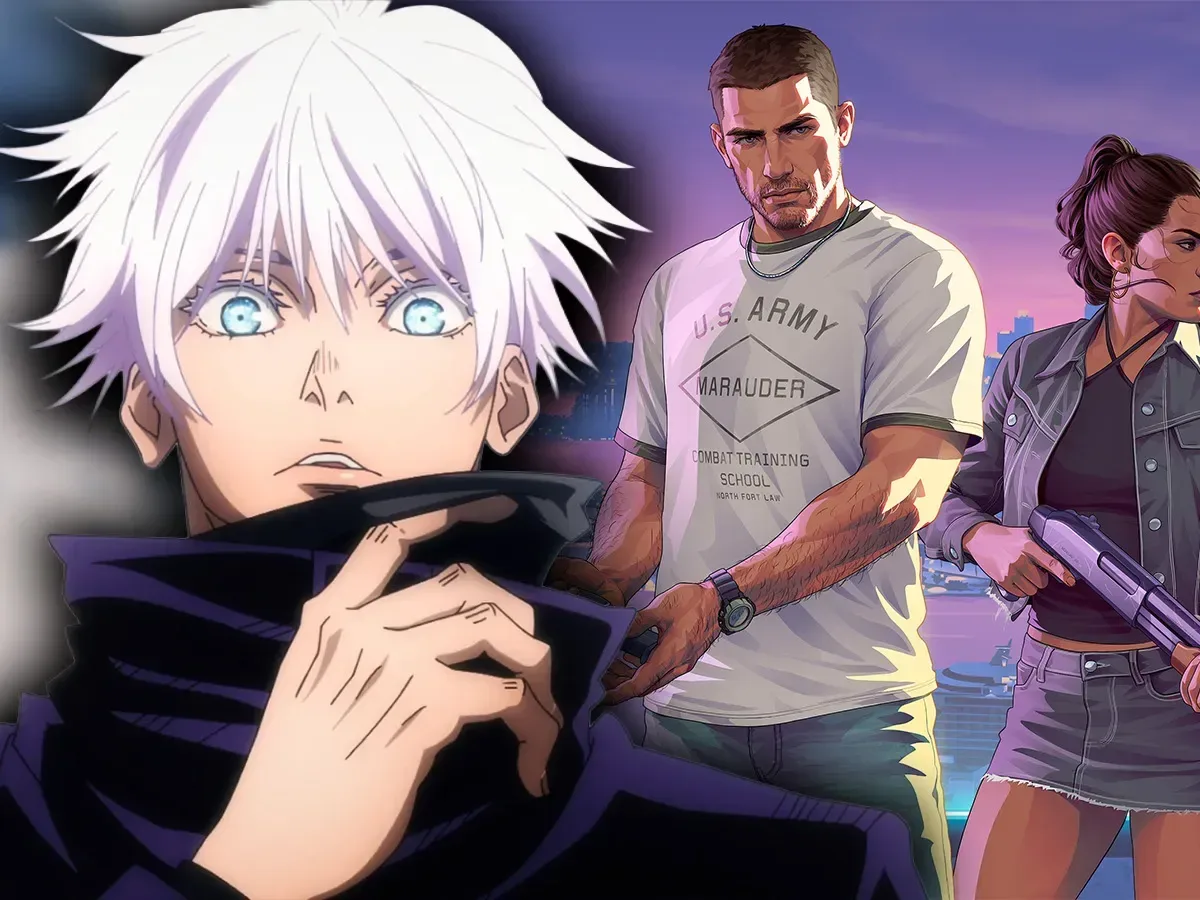
That broader approach appears consistent with what has been publicly visible around GTA 6’s cast. Manni L. Perez, who plays Lucia, faced attention after fans connected clues from her social-media presence to the role before she was able to formally confirm it. Other contributors who have now identified their work include Lexie Shoaibi, who plays Mandy, and Dylan Rourke, the voice and performance artist for Jason Duval.
Scripts on screen, then gone
The more revealing part of Lopez’s description may be the recording workflow. She said she normally might receive a Zoom link and possibly a script before a standard commercial voiceover session. For GTA 6, she said the material appeared on screen only when the recording began. Afterward, it disappeared.
Related coverage includes GTA 6 Radio Host Details Rockstar's Extensive NDA and Last-Minute Recording Process.
That is a meaningful distinction. A performer who receives a script in advance has time to study it, make notes and develop an interpretation. That can benefit a performance, but it also creates an additional copy of confidential material and gives the actor more contextual information about the job. Lopez instead describes a system that prioritized controlled presentation. Multiple people were in her ear, the content came up when needed, and she was expected to perform immediately.
For a radio personality role, that limitation may have fit the requested style. Lopez said the team wanted her to sound natural and allowed her to be herself. She recognized why she had been cast when she saw the station liners, short prerecorded phrases used to brand a radio station or bridge between songs and segments. The material, she said, made the intended Puerto Rican character of the station immediately clear.
Analysis: The process Lopez describes is less about treating actors as interchangeable than it is about separating preparation from disclosure. The creative instruction—be natural, bring your own voice—can coexist with strict control over the written material. For a host role built around personality, a production may be able to capture spontaneous energy precisely because the performer is responding in the moment, rather than rehearsing from a script days earlier.
It would be wrong to assume every GTA 6 performer worked exactly this way. Lopez is describing her own experience on radio material, not setting out a universal production policy. But her account supplies a concrete example of the sort of compartmentalization that can operate within a secretive game project.
Knowing the job without being told the title
Lopez said she was not explicitly told what production the role belonged to when she was approached. Instead, she inferred it from contextual clues, including an email subject line that referred to being heard by millions. Once the liners appeared, the language and station identity reinforced her conclusion.
That careful avoidance of a project name is another layer of confidentiality rather than a trick for its own sake. A title can be the most searchable, repeatable and leakable piece of information in a casting conversation. Leaving it out, or sharing it only at a necessary stage, limits the information attached to routine messages.
For audiences, this also explains why post-release credits are such an important moment. Credits transform a body of anonymous, fragmented work into a confirmed list of collaborators. Rockstar has released GTA 6’s full credits, though players who have not finished the game should be cautious: credits and related discussion can expose names, roles or story-adjacent information they would rather encounter in play.
Lopez’s surprise at Bad Bunny’s involvement is especially notable because it shows the compartmentalization was not only about story spoilers. She was participating in the same radio station without being briefed on the full on-air pairing. The eventual public reveal therefore connected elements that had apparently been produced separately or disclosed to contributors on a need-to-know basis.
Why a fictional radio station needs real specificity
Radio has long been one of the devices that gives the Grand Theft Auto series a sense of place while the player moves through its world. Cocoteo FM’s stated focus—reggaeton and dembow, with artists connected to the Caribbean and Latin America—gives it a clear musical and cultural lane. Lopez’s Puerto Rican voice and the production team’s request for an unforced performance suggest the station was designed to sound lived-in rather than generically “Latin.”
Reggaeton is a broad urban music genre closely associated with Puerto Rico and the wider Caribbean and Latin American music scene. Dembow can refer to a rhythmic foundation heard across several styles and, in common current usage, also refers to a genre strongly associated with the Dominican Republic. In the supplied information, these genres describe the intended programming identity of Cocoteo FM; no fuller track list or station schedule is established here.
That distinction matters. A radio station in a game is not simply a playlist. It is an audio environment assembled from music, host segments and liners. The liners tell players what station they are hearing; hosts provide personality and connective tissue; music establishes the station’s listening identity. Lopez’s rapid, screen-only recording session was a small part of that larger construction.
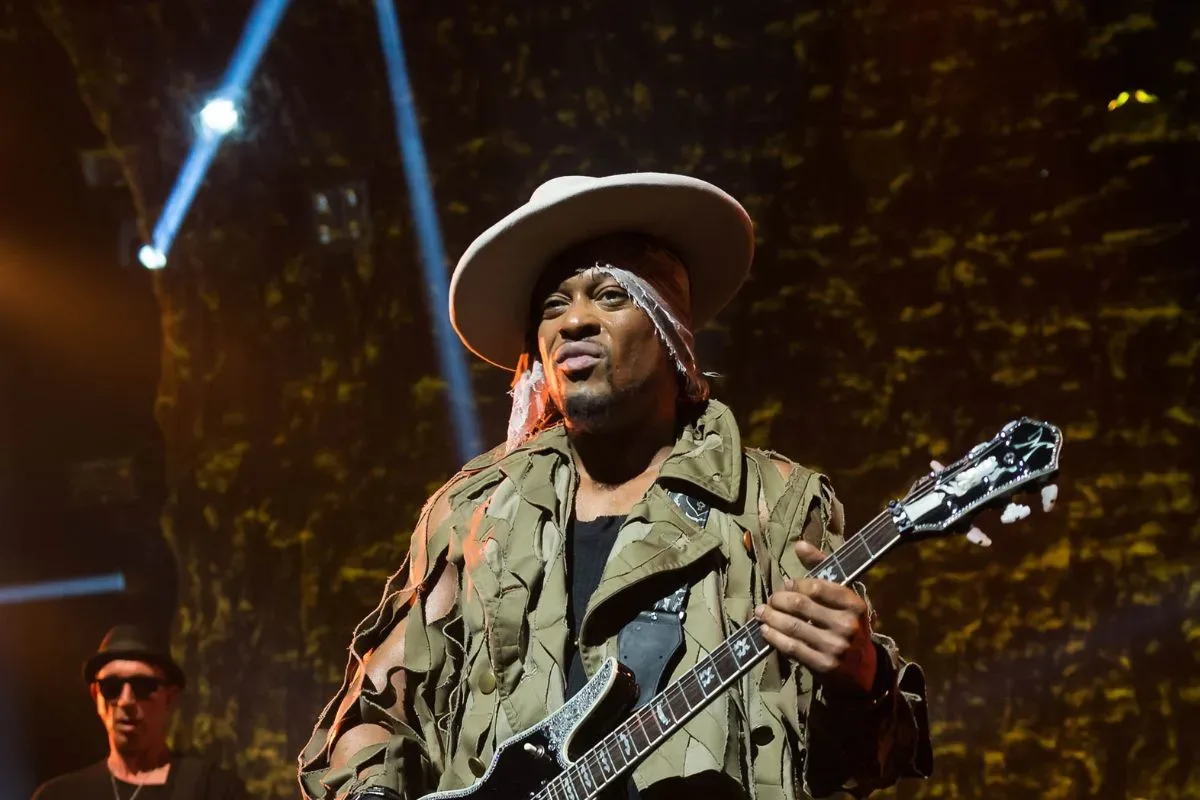
Those interested in the game’s music-side contributors can also read about D’Angelo’s estate confirming approval for “Kamikazi” in Grand Theft Auto VI. That separate development underscores the range of permissions, performances and collaborators needed to populate an in-game radio ecosystem.
What Lopez’s account does—and does not—tell players
Lopez’s comments do not reveal plot material, a previously unknown gameplay feature or a timetable for future content. Their value is behind-the-scenes: they explain one performer’s experience of the security and recording constraints around a major game.
They also reinforce a practical expectation for fans tracking future casting information. A lack of comment from an actor, musician or production participant should not automatically be read as a denial, confirmation or clue. Confidentiality agreements and limited disclosure can leave contributors unable to explain their work until the publisher decides the appropriate material is public.
For aspiring voice actors, the story is a reminder that different kinds of recording work demand different preparation. In a conventional session, advance copy may allow research and rehearsed choices. In a tightly controlled project, the important preparation may be more general: vocal flexibility, comfort taking direction, quick reading and the ability to establish a credible character without extended lead time. Lopez says she was placed on the spot, but also that the opportunity was exciting enough that she embraced the challenge.
For GTA 6 players, Cocoteo FM is now more than a menu label or an assortment of tracks. Its host work was created under a process deliberately designed to conceal the wider picture from at least some participants. Lopez knew her own voice, the immediate lines in front of her and the natural style the team requested. She did not have the whole station—or even its co-host—laid out in advance. That is a remarkably tidy example of how a project can make something sound personal while keeping its creation closely guarded.