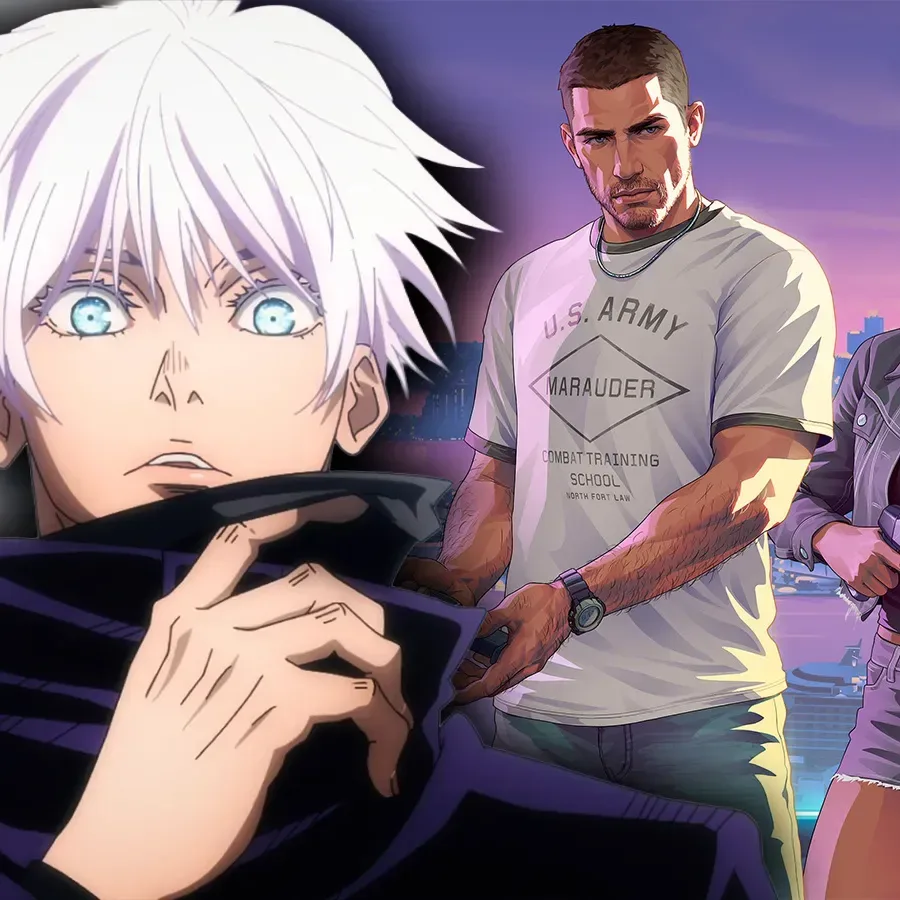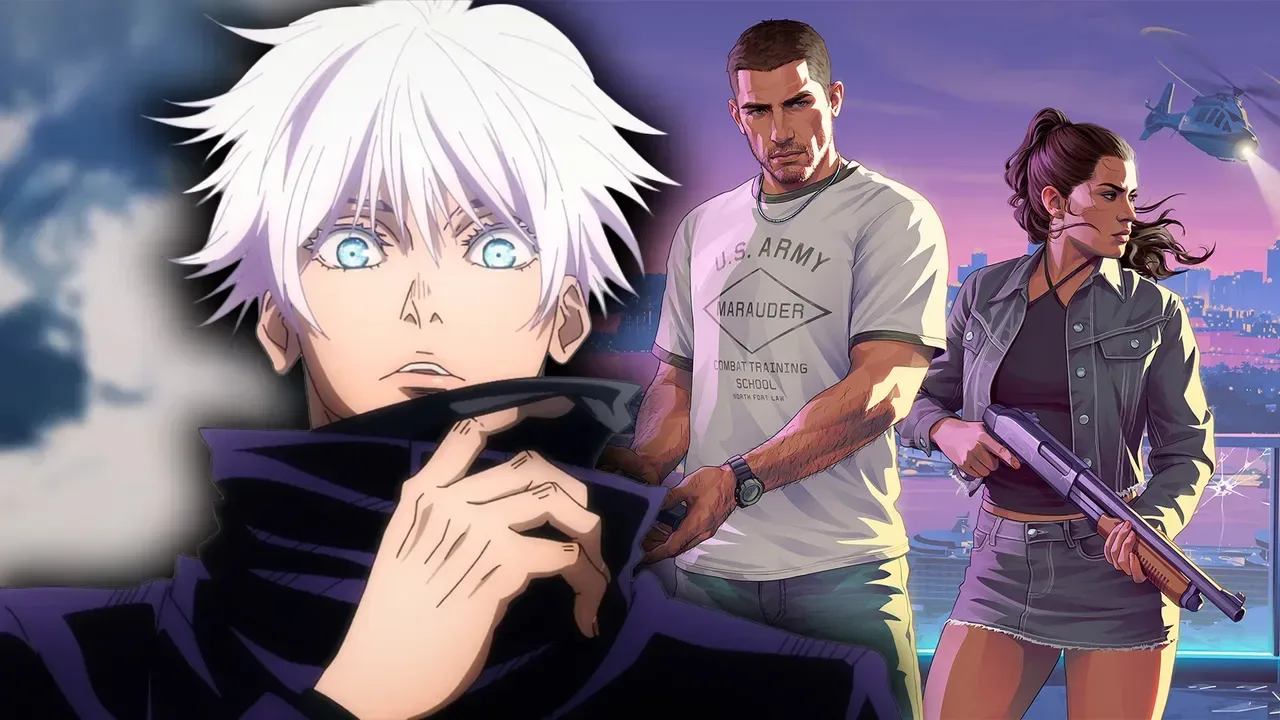
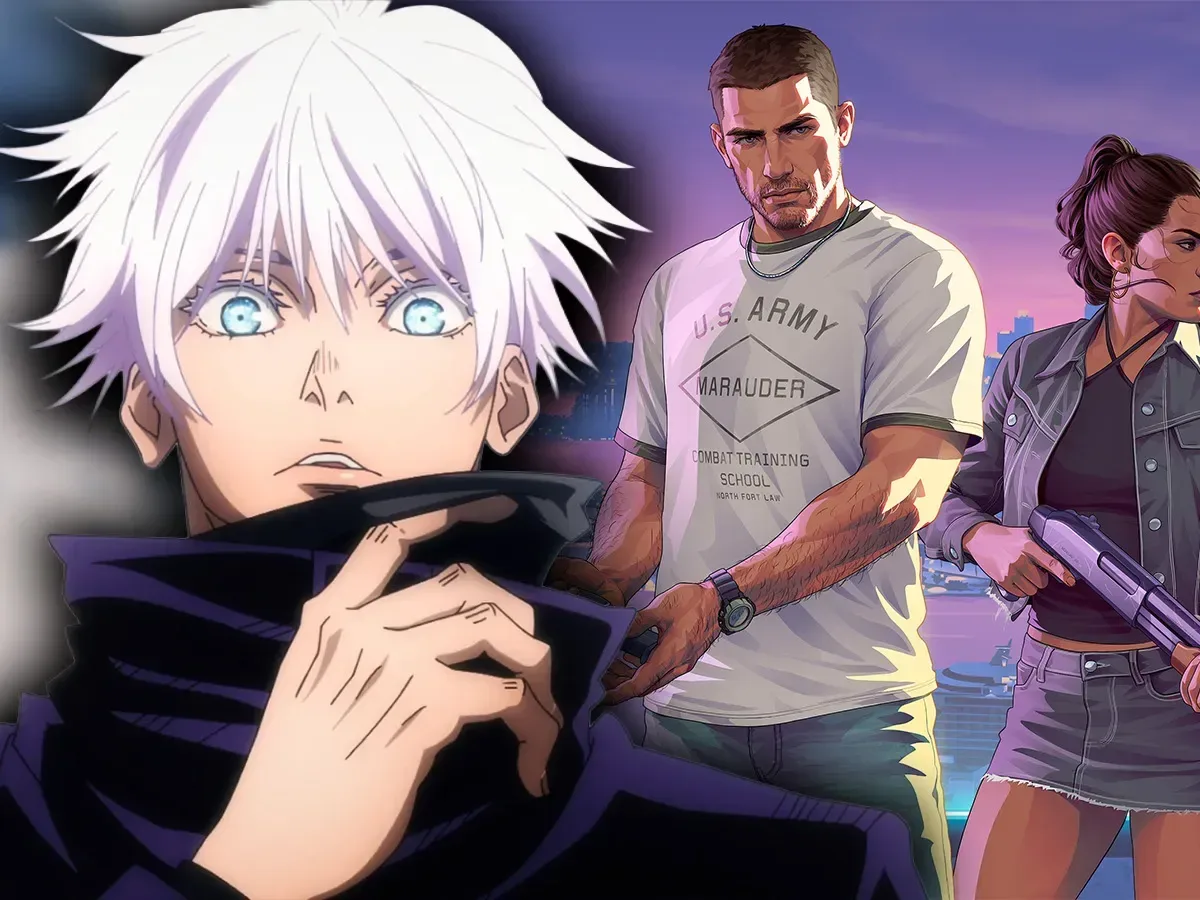
Kaiji Tang, the English-language voice actor known for roles including Satoru Gojo in Jujutsu Kaisen and Sanemi Shinazugawa in Demon Slayer, has said he did not know that dialogue he recorded would ultimately appear in Grand Theft Auto VI.
Tang confirmed his involvement in a November 19 post on X, describing his surprise at discovering the identity of the project after the game’s release. “I had no idea what I recorded was for this game,” he wrote. “Imagine my shock.”
The revelation produced one of those rare, perfectly timed intersections between the tightly controlled machinery of blockbuster game development and the internet’s determination to ask the obvious question. A fan pointed to one of Tang’s lines, “Sit on daddy’s lap,” and asked what sort of production he thought it had been for. Tang’s answer: “I dunno, Demon Slayer?”
It is a funny exchange because the line is unmistakably not the kind of thing audiences associate with Tang’s best-known anime roles. But the larger point is more revealing: performers can work on a major game without being told its title, its setting, or even the eventual significance of their material. In an industry where an unguarded casting credit, social-media post, or screenshot can become a spoiler or a marketing event, secrecy can extend well beyond the public-facing announcement cycle.
For players exploring Leonida, the news adds a small piece of context to the enormous web of voices and performances supporting GTA 6’s world. For readers looking for game-specific help rather than casting trivia, Joking Joystick’s guide to GTA 6’s accessibility settings breaks down options including simplified mini games, Auto Drive, combat settings, and vehicle damage.
A credit discovered after the fact
Tang’s surprise is notable less because a recognizable actor appears in a major game—his career includes a wide range of anime and video-game work—than because he says the assignment itself was anonymized. He had recorded the lines, but did not know what finished project they belonged to until the game was out.
That arrangement is often described as compartmentalization. Put simply, a production divides information among participants so that each person receives the material necessary to do their job, rather than a complete overview of the project. An actor may have pages of dialogue, character direction, and logistical instructions, while not receiving a final title, broad plot details, or a full cast list.
In this case, Tang’s comments indicate that the compartmentalization worked at least as intended: his knowledge of the game was limited enough that the finished use of his performance came as news to him. The joke about Demon Slayer underscores the surreal consequence. A performer with a substantial body of work can reasonably treat a short, context-light session as one anonymous job among many—until fans identify the voice after launch.
Related coverage includes Kaiji Tang Learns His Secret Recording Session Was for GTA 6 After Release.
There is an important boundary here. Tang confirmed his involvement and discussed his own lack of context, but his posts do not establish the size of his role, the identity of any character he performs, or where players will hear him. It is better to treat this as a cast confirmation than as a map to a particular scene or mission.
Why unnamed projects rely on NDAs
Another GTA 6 performer, athlete, author, and influencer Jessishiking, described a similar experience. Jess said they only learned on release day that a production filmed years earlier was GTA 6. They also said they played the series’ first nonbinary character, though the character’s name is being withheld here to avoid turning a casting story into a spoiler.
Jess said the work involved weeks of filming and 17 nondisclosure agreements, commonly shortened to NDAs. An NDA is a legal agreement that restricts a participant from publicly sharing confidential information. In entertainment work, that information can include a project’s title, scripts, performance-capture details, story developments, casting, locations, visual materials, and release plans.
The number Jess cited conveys the scale of the confidentiality process from their perspective, but the more meaningful detail is the result: they said they were not told what they were shooting at the time. Knowing that a performer was part of a secret production is not the same as knowing which secret production it is. That distinction can preserve a game’s reveals for the moment its makers choose to disclose them.
Jess also characterized the set as inclusive and caring, saying the production team made sure they were comfortable and gendered correctly while filming during what they called their “they/them days.” That is their account of their experience, rather than a blanket statement about every production role or every part of development. Still, it provides a specific performer’s perspective on how the project handled them personally during a confidential, extended shoot.
The fact that Jess was able to discuss the job only after release also illustrates how secrecy changes the public record. Before launch, performers may be unable to acknowledge credits that fans have already guessed. After launch, a wave of confirmations can arrive quickly, as people finally gain permission—or practical room—to connect years-old sessions to a finished game.
Voice acting, performance capture, and the missing context
It is useful not to blur several kinds of game-performance work together. Voice acting generally means recording spoken dialogue. Performance capture records aspects of a performer’s movement or facial performance for use in an animated character. A project may use either, both, or another production method. Tang’s comments concern recorded lines; Jess described filming. Neither account, by itself, establishes every technical process used for their contributions.
That distinction matters because players often use “voice actor” as a catch-all label for anyone associated with a character. It is an understandable shorthand, but it can obscure the specialized work behind a large open-world game. A short vocal appearance can be memorable without defining a character, while a filmed performance may involve a different workflow and different confidentiality needs.
It also explains why a performer might not be able to infer a project from isolated material. Dialogue can be written to conceal names, places, or narrative connections. Scripts may offer limited surrounding context. Even when a scene has a distinctive tone, it does not necessarily advertise the franchise it belongs to. Tang’s reaction is therefore not evidence of carelessness; it is evidence that the information supplied to him did not identify the game.
A broader cast picture is still emerging
Tang and Jess are not the only people whose GTA 6 involvement has surfaced in public discussion after release. Aleks Le has also said he contributed to the project. Le further said that he asked the directors for permission to use one of his well-known lines from Street Fighter 6. Whether that phrase appears in the final game remains unclear.
That uncertainty is worth preserving. A request to include a line is not confirmation that it was approved, recorded for the final version, or left in the shipped game. Major projects can produce alternate takes and material that never becomes part of the finished release. Until there is a clear in-game identification or direct confirmation, it remains an open question rather than an established cameo.
The full credits are now available, which means fans have a firmer place to start when identifying the people behind GTA 6’s performances. Yet credits do not always answer every question players have. They can list names without explaining the exact scene, role scope, or recording history attached to each contribution. Posts from performers like Tang and Jess add human context: not merely who participated, but how long the project remained unnamed to them.
There may be more such accounts in the days following release. That is a possibility, not a certainty, but the two stories already shared point to the same reality: GTA 6’s secrecy was not confined to trailers and public announcements. It reached into the work itself, leaving at least some contributors to discover their association with one of gaming’s largest releases alongside the audience.
What the story means for players—and what it does not
For players, the practical takeaway is modest but useful. A familiar voice in GTA 6 may indeed belong to an actor whose participation was never publicly announced in advance. But voice recognition, fan speculation, and a social post should not be used to leap to plot conclusions. In a game built around discovery, casting chatter can easily drift into unwanted spoilers.
- Tang has confirmed that he recorded material used in GTA 6 and did not know the game was the destination at the time.
- Jessishiking says they learned only at release that their earlier filming work was for GTA 6, and says they portray the series’ first nonbinary character.
- Aleks Le has confirmed contributing to the game, but the status of the proposed Street Fighter 6 line is unknown.
- The accounts describe strict secrecy, but they do not reveal every role, scene, or production technique involved.
In other words, the most entertaining detail is still Tang’s deadpan alternative theory for the “Sit on daddy’s lap” line. The most informative detail is that it was plausible for him to have one at all. For a production determined to keep its identity under wraps, the performer’s surprise is evidence of just how carefully that curtain was held closed.