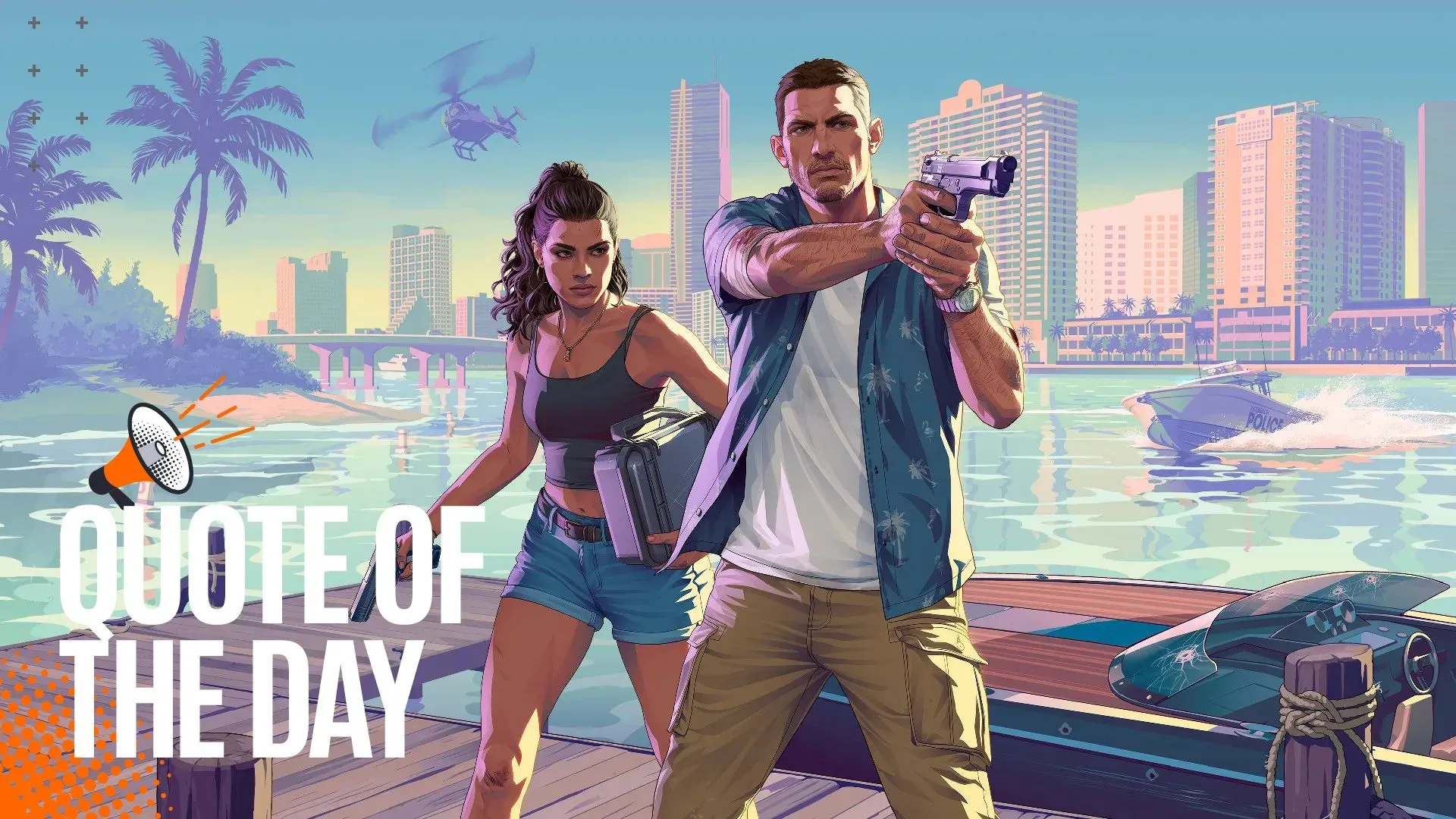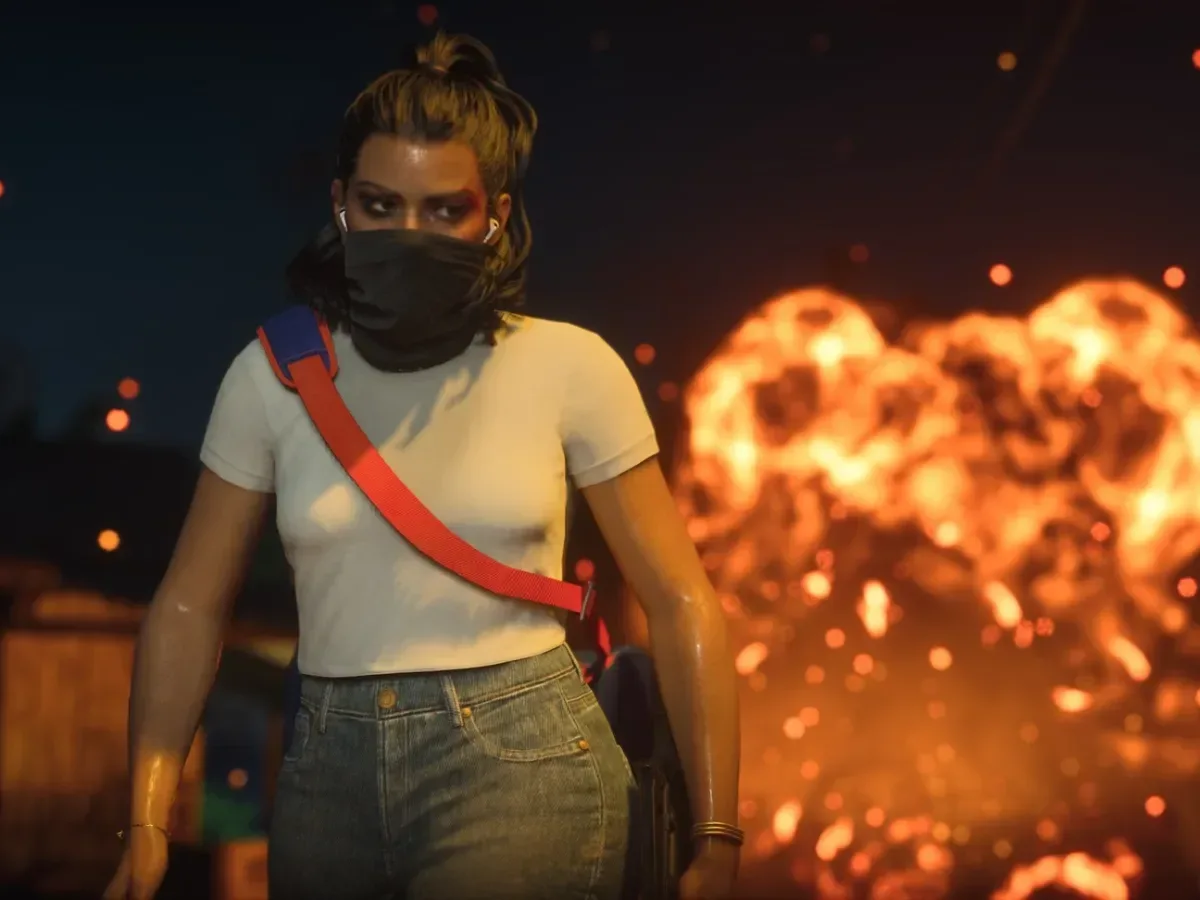

A brief GTA VI shopping trip has become the latest game-world moment to escape the screen and take over social feeds. A video shared on X by @KaurVault shows protagonists Jason and Lucia encountering a particularly talkative non-player character in a shoe store. Players quickly began comparing the character to Tokyo Toni, pointing to what they perceived as similarities in her appearance, voice, and the tone of her on-screen rant.
The reaction has been immediate and gleefully speculative. Some viewers are treating the encounter as an unmistakable parody, while others are already wondering how Tokyo Toni herself might respond. But the important qualifier is also the least glamorous one: there is no confirmation that the NPC was designed as Tokyo Toni, and a strong resemblance—or an internet consensus that one exists—is not confirmation of an official reference.
The clip is the centerpiece of the discussion, and the available reporting on the encounter can be found in this account of the GTA VI shoe-store comparison. For now, it is best understood as a fan-identified possible Easter egg rather than a verified celebrity cameo.
What players saw in the shoe store
@KaurVault framed the discovery as an unexpected find while shopping in GTA VI. The footage places Jason and Lucia in a sneaker-store setting, where a nearby NPC launches into animated dialogue. It was the combination of the character model, performance, and dialogue style that set off the Tokyo Toni comparisons—not merely a single visual detail.
For more context, explore Peacock’s Black Friday Offer Cuts Select to $2.99 Monthly, With Sports and Originals on Premium.
That combination matters. A player may connect an NPC to a public figure because of a recognizable hairstyle, wardrobe choice, cadence, facial expression, or subject matter. When several of those signals appear together, the comparison feels more persuasive to an audience. Yet each remains an interpretation unless the developer identifies the character or otherwise confirms the inspiration.
Tokyo Toni is an internet personality with a long history of viral moments, which helps explain why the possible resemblance traveled so quickly. Online audiences already have a shared understanding of her public persona and delivery. A character that seems to echo that persona can trigger recognition almost instantly, even among people who only know her through circulated clips and memes.
Why “NPC” is the key term here
NPC is short for non-player character: a character controlled by the game rather than directly by a player. In an open-world game, NPCs help sell the idea that the setting exists beyond the player’s immediate objectives. They populate shops, streets, restaurants, and other locations; they may provide flavor dialogue, react to nearby activity, or create small moments that make a space feel less mechanically empty.
A memorable NPC is not necessarily a major story character. In fact, the shoe-store moment is notable precisely because it appears to be incidental. The player was shopping, not pursuing a headline mission built around a famous guest appearance. The interruption feels spontaneous, which is ideal material for a short clip: a mundane in-game errand suddenly produces a recognizable-sounding rant and an argument over who, if anyone, the character is meant to resemble.
Those incidental interactions are also difficult to interpret with certainty. Background dialogue can be written to evoke broad archetypes, regional attitudes, fashion-world chatter, or online culture without targeting one individual. Conversely, a deliberately satirical reference may be left unlabelled so players can find it and debate it themselves. The supplied material does not settle which explanation applies here.
Possible Easter egg, not established fact
An Easter egg in a video game is a hidden or lightly signposted reference, joke, detail, or secret that rewards attention. It does not have to unlock a weapon, mission, or achievement. Sometimes it is a visual gag on a billboard; sometimes it is a line of dialogue; sometimes it is a character that appears designed to bring a real-world personality to mind without using that person’s name.
The GTA VI discussion fits that definition only provisionally. Fans are identifying a possible reference based on resemblance. There has been no stated confirmation tying the shoe-store character to Tokyo Toni. That distinction is worth preserving, especially as social posts compress a complicated claim into a quick caption or reaction image.
It also keeps the conversation fair to the evidence. Saying players think the NPC resembles Tokyo Toni is supported by the circulating reaction. Saying the game contains Tokyo Toni, or that a likeness was used deliberately, goes further than what has been established. The same is true of suggestions that legal action might follow: those are social-media jokes and predictions, not evidence of a dispute or a legal claim.
Why parody talk is so persistent in Grand Theft Auto discussions
Grand Theft Auto has a reputation for satirical details and pop-culture-inflected worldbuilding, so audiences are naturally primed to look for real-world targets in its characters and places. That reputation makes a comparison like this feel plausible to many players. It does not, by itself, prove intent in any specific scene.
There is a practical reason developers often favor suggestion over direct identification in satire: an allusive character can work on several levels. Players who recognize the inspiration get the extra joke; those who do not can still understand the scene as a distinct piece of comic character writing. The NPC does not need to be officially named after an internet personality for the conversation around her to become part of the entertainment.
In this instance, the uncertainty is arguably central to the appeal. If an official label were attached immediately, the social exchange would be much shorter: viewers would simply know the answer. With no confirmation, the clip becomes a collective identification game. People compare voice, mannerisms, and phrasing, then argue over whether the overlap is too precise to be accidental.
A small clip with a larger open-world payoff
The shoe-store video also illustrates why shopping and other low-stakes activities matter in a large game world. They create room for moments that are not tied to combat, mission progression, or a scripted cinematic. A player can walk into a retail space expecting a menu or a cosmetic purchase and leave with a strange conversational encounter worth sharing.
That kind of detail has a practical effect on how players explore. It encourages people to linger in locations they might otherwise treat as functional stops, listen to ambient dialogue, and revisit ordinary spaces. It also gives communities material to catalog and discuss without presenting the NPC as a required objective, a confirmed unlockable, or a guide-worthy collectible.
For anyone trying to assess the Tokyo Toni claim, the sensible approach is simple: watch the available footage, separate perceived similarities from confirmed information, and avoid treating reaction posts as official identification. The character may be an intentional parody, a composite inspired by wider internet culture, or an NPC whose performance happens to strike viewers as familiar.
Either way, the reaction demonstrates the power of a well-timed background encounter. One shoe-store rant has prompted jokes, speculation, and a fresh round of attention on the tiny details players are finding around GTA VI’s world. Until there is confirmation, though, “Tokyo Toni-inspired” is the most accurate way to describe the character—not an established credit or cameo.