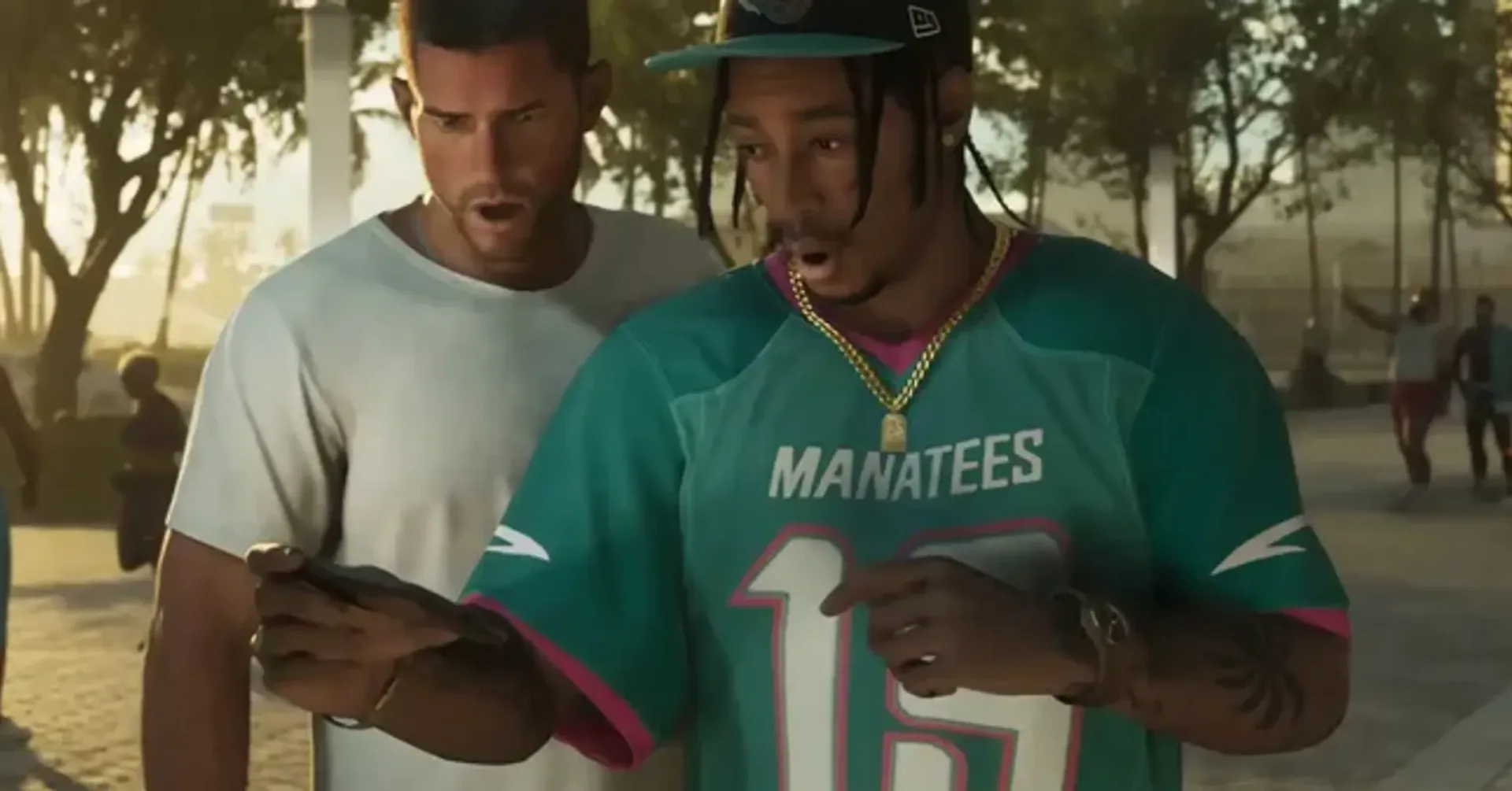
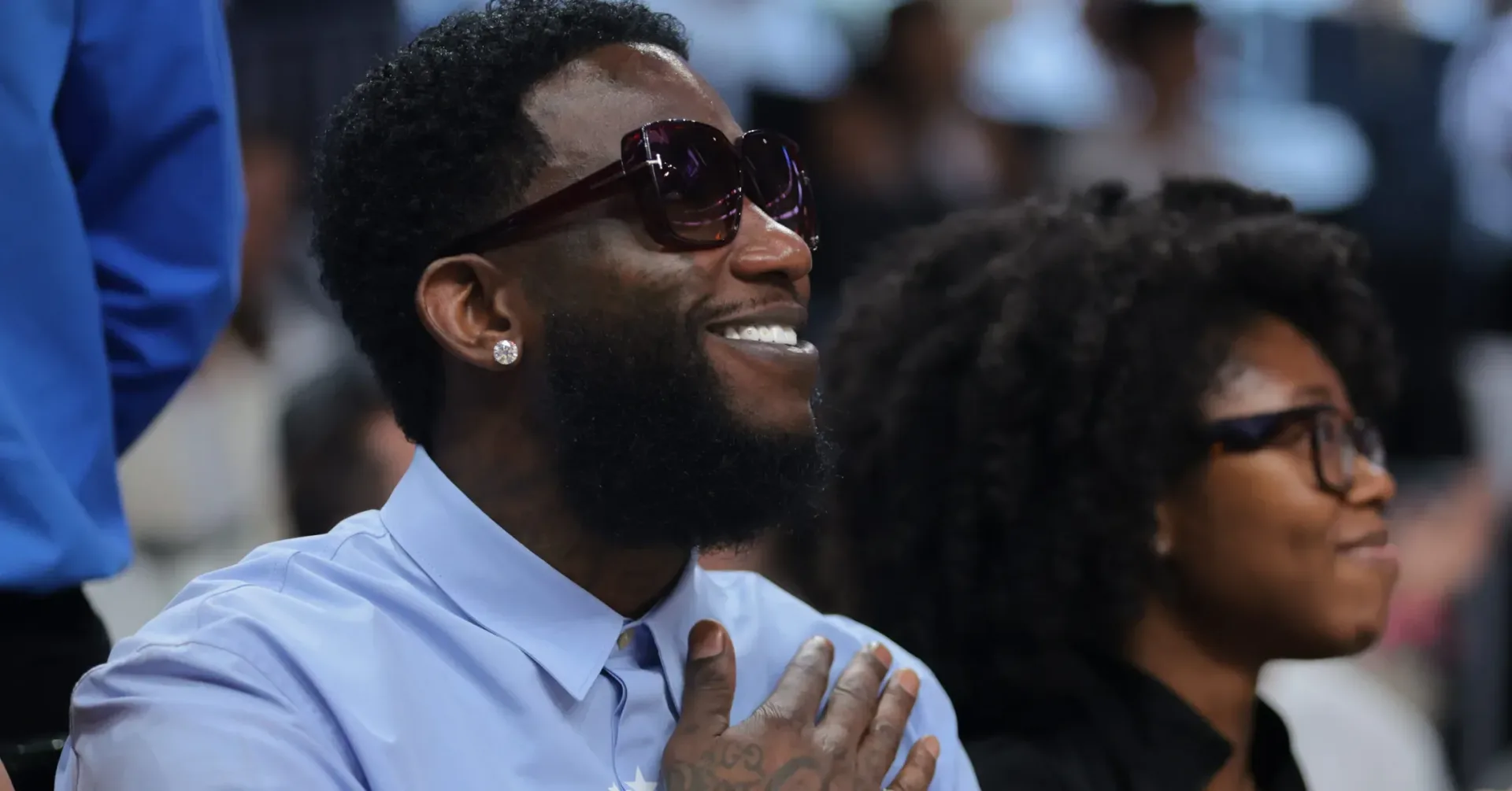
Grand Theft Auto VI is reportedly packing a sizable set of hip-hop cameos, with a circulating list naming 14 artists and producers attached to roles in the game. The names span performers said to appear as themselves—among them Gucci Mane, Sexyy Red, Kodak Black, The Alchemist, N.O.R.E., Trina and Trick Daddy—as well as artists reportedly credited with original in-world characters.
The distinction matters. A celebrity appearing as themself makes the wider GTA setting feel closer to contemporary pop culture; a performer taking a fictional role can instead deepen the game’s own Vice City fiction. Based on the reported credits, GTA VI appears to be using both approaches rather than treating every music-world appearance as the same kind of cameo.
That fits a game where radio is more than background noise. The reported presence of stations called Dirty South Classics and Vice City Rap Radio gives hip-hop a clear place in the game’s audio landscape, while the guest roles potentially place familiar voices and personalities beyond the station dial.
The reported GTA VI hip-hop cameo roster
- Freddie Gibbs as Freddie
- Denzel Curry as DWNPLY
- Kodak Black as himself
- Sexyy Red as herself
- The Alchemist as himself
- Hood Brat as Bae-Luxe
- Krissy Celess as Roxy Rashad
- N.O.R.E. as himself
- Gucci Mane as himself
- Trina as herself
- Trick Daddy as himself
- JT as DJ JT
- Cardo Got Wings as Wax
- Scott Storch as The Pianist
The list should be read carefully as a roster of reported appearances, not as a guide to where every person can be found, what missions they may be connected to, or how extensive each role is. No encounter locations, mission names, unlock conditions, voice-performance details or story functions are established by the available information. A cameo could mean anything from a brief visual appearance to a more substantial character part, and that remains unclear here.
Artists appearing as themselves
The self-portrayal group is particularly notable because it includes a mix of rappers, producers and Miami-connected figures. Kodak Black, Sexyy Red, The Alchemist, N.O.R.E., Gucci Mane, Trina and Trick Daddy are all listed under their own names.
In practical storytelling terms, “as himself” or “as herself” is a form of diegetic celebrity appearance. “Diegetic” simply means the celebrity exists inside the fictional world experienced by the player, rather than being an outside promotional presence. If an artist is heard on a station but never acknowledged by a character or seen in the world, that can still be a music contribution. A self-credited cameo suggests something different: the game is presenting that public persona as part of its version of Vice City.
That device can provide a useful sense of time and place. It also creates a deliberate tension unique to Grand Theft Auto: the series builds fictional brands, places and personalities, yet can place real cultural figures inside that satirical construction. The reported self-portrayals suggest GTA VI is willing to let real artists occupy that space without requiring every famous participant to become a parody or an entirely new character.
Trina and Trick Daddy stand out in particular because their inclusion connects the music lineup to Miami’s rap identity, while the setting’s Vice City framing provides the fictionalized location around it. That does not establish plot relevance for either performer, but it makes their reported involvement feel suited to the setting’s musical character.
Fictional roles may be the more intriguing part
Seven names on the list are paired with character names rather than direct self-portrayals: Freddie Gibbs as Freddie, Denzel Curry as DWNPLY, Hood Brat as Bae-Luxe, Krissy Celess as Roxy Rashad, JT as DJ JT, Cardo Got Wings as Wax and Scott Storch as The Pianist.
A fictional credit does not necessarily mean a large acting role. The supplied information does not say whether these characters are mission givers, radio personalities, venue performers, minor world encounters or simply credited voices. Still, the names hint at a more authored approach than a conventional celebrity pop-in.
JT’s listed role, DJ JT, is the clearest example of how a performer’s public identity can be adapted into an in-game function without being presented strictly as a one-to-one self-portrait. Similarly, Scott Storch’s reported credit as The Pianist identifies a role but offers no additional description of what the character does. Cardo Got Wings as Wax, Denzel Curry as DWNPLY, Hood Brat as Bae-Luxe and Krissy Celess as Roxy Rashad are likewise labels, not enough evidence to infer a particular activity or storyline.
Freddie Gibbs being credited as “Freddie” sits somewhere in between. The shared first name could be a lightly fictionalized role, but the available material only labels it as Freddie; it does not clarify whether the character is meant to be a direct version of the artist or an original person with a familiar name.
Why producers belong in this conversation
The list is not limited to vocal performers. The Alchemist, Cardo Got Wings and Scott Storch are included, which broadens the reported cameo slate from rap personalities to people associated with the production side of hip-hop.
That is important because a game’s relationship with a genre is not defined only by who is performing lyrics on a soundtrack. Producers shape the sound, associations and aesthetic vocabulary around rap. A producer credited as themself, as The Alchemist reportedly is, carries a different type of recognition than a fully fictional role. Meanwhile, the character credits for Cardo Got Wings and Scott Storch imply that GTA VI may be drawing on musical expertise and cultural familiarity while still keeping part of the presentation inside its invented world.
The reported combination of artists and producers also makes the roster feel less like a single narrow scene. It points instead to a broad music-world cast assembled around the game’s hip-hop presentation. That is an interpretation of the makeup of the list, however, not confirmation of a shared storyline, shared station, or coordinated in-game event.
Radio stations and cameos are separate things
It is worth separating two connected ideas: soundtrack curation and character cameo work. The mention of Dirty South Classics and Vice City Rap Radio indicates that rap is represented through stations. A station is an audio format within the game world—typically a selectable radio channel that organizes music around a genre, era or identity. A cameo is an on-screen, voiced or otherwise credited character appearance.
An artist could potentially be connected to one, both or neither in a way players would immediately recognize. The reported cameo list alone does not confirm who appears on which station, who provides music, who hosts programming, or whether a cameo is tied to a radio-related scene. Those are all separate questions.
For players interested in GTA VI’s broader world design, the distinction is useful. Stations establish atmosphere continuously as players travel. Cameos can make that atmosphere tangible in a more focused moment. Together, they can make a fictional city feel culturally inhabited rather than merely soundtracked—but only the underlying roster, character labels and the named stations are presently identified here.
What players should and should not expect from the list
The roster is a useful index of names to watch for, especially for players exploring Vice City with an ear toward hip-hop culture. It is not yet a completion checklist. There is no supported basis to state that any of these appearances are missable, collectible, tied to rewards, required for progression, or available at a specific point in the story.
That uncertainty is especially relevant in an open-world game. Players often treat celebrity reports as directions to hidden events, but a credited appearance can be structured in many ways. Until more specific, verifiable in-game details are available, the safest reading is straightforward: these 14 artists and producers are reportedly represented in GTA VI, either as themselves or through named roles.
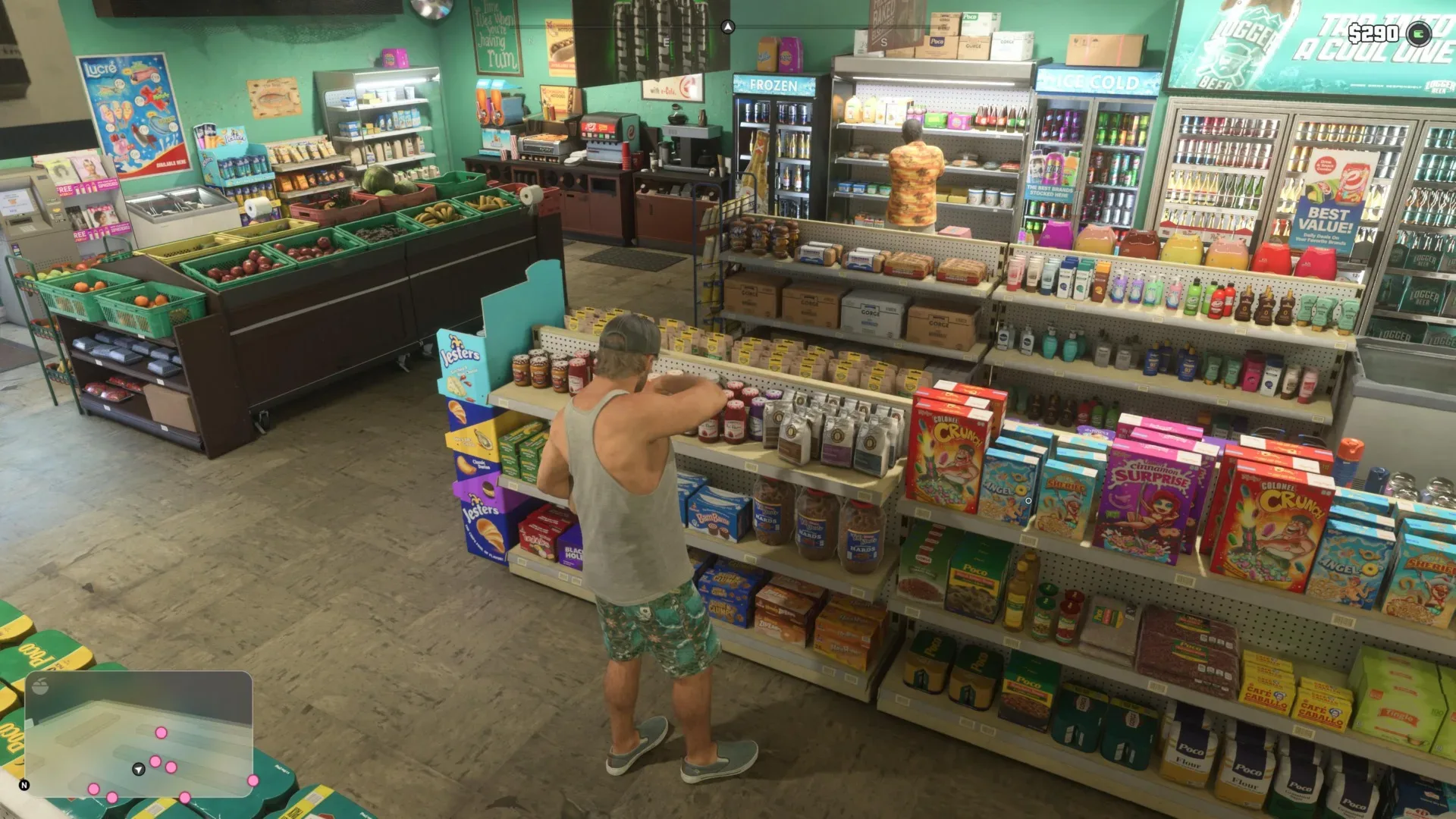
For broader GTA VI coverage, see our report on the game’s reported always-open store design. As for the music cameos, the key takeaway is the balance of real identities and fictional personas: GTA VI’s reported hip-hop cast is not just a list of songs on the radio, but a set of performers positioned at different points along the line between celebrity culture and Vice City make-believe.