Grand Theft Auto VI’s reported hip-hop radio selection is shaping up as a deliberately broad snapshot rather than a narrowly era-specific playlist. Tracks heard in the game so far are said to be spread across two rap-focused stations: Vice City Rap Radio, described as the contemporary outlet, and Dirty South Classics. The reported selections move between current rap, 2010s crossover hits, melodic R&B-adjacent material and foundational Southern records.
That split matters because an in-game radio station is more than a shuffled music library. It is a programming identity: the format that tells players what kind of music they are likely to hear when they stay on that dial. On the available evidence, Vice City Rap Radio is the space for newer and recently prominent hip-hop records, while Dirty South Classics supplies an older regional perspective. The complete station rosters and the specific placement of every song have not been established by this list, so the tracks below should be treated as songs reportedly heard in GTA VI rather than a final, exhaustive soundtrack database.
Reported GTA VI hip-hop songs heard so far
The current reported list includes the following tracks:
- Drake — “Nonstop”
- Drake — “Nokia”
- Drake — “Hold On, We’re Going Home”
- 2 Chainz featuring Drake — “No Lie”
- Playboi Carti — “Ahh Yea”
- Future, Metro Boomin, Travis Scott and Playboi Carti — “Type Shit”
- Travis Scott — “RHYNO”
- Travis Scott — “STARGAZING”
- Travis Scott — “CIRCUS MAXIMUS”
- Travis Scott — “GASS”
- Travis Scott featuring Drake — “SICKO MODE”
- Migos featuring Lil Uzi Vert — “Bad and Boujee”
- Young Thug — “Wakin Up Flex”
- Gunna — “Count Up”
- Baby Keem featuring Kendrick Lamar — “family ties”
- EsDeeKid and Timothée Chalamet — “4 Raws”
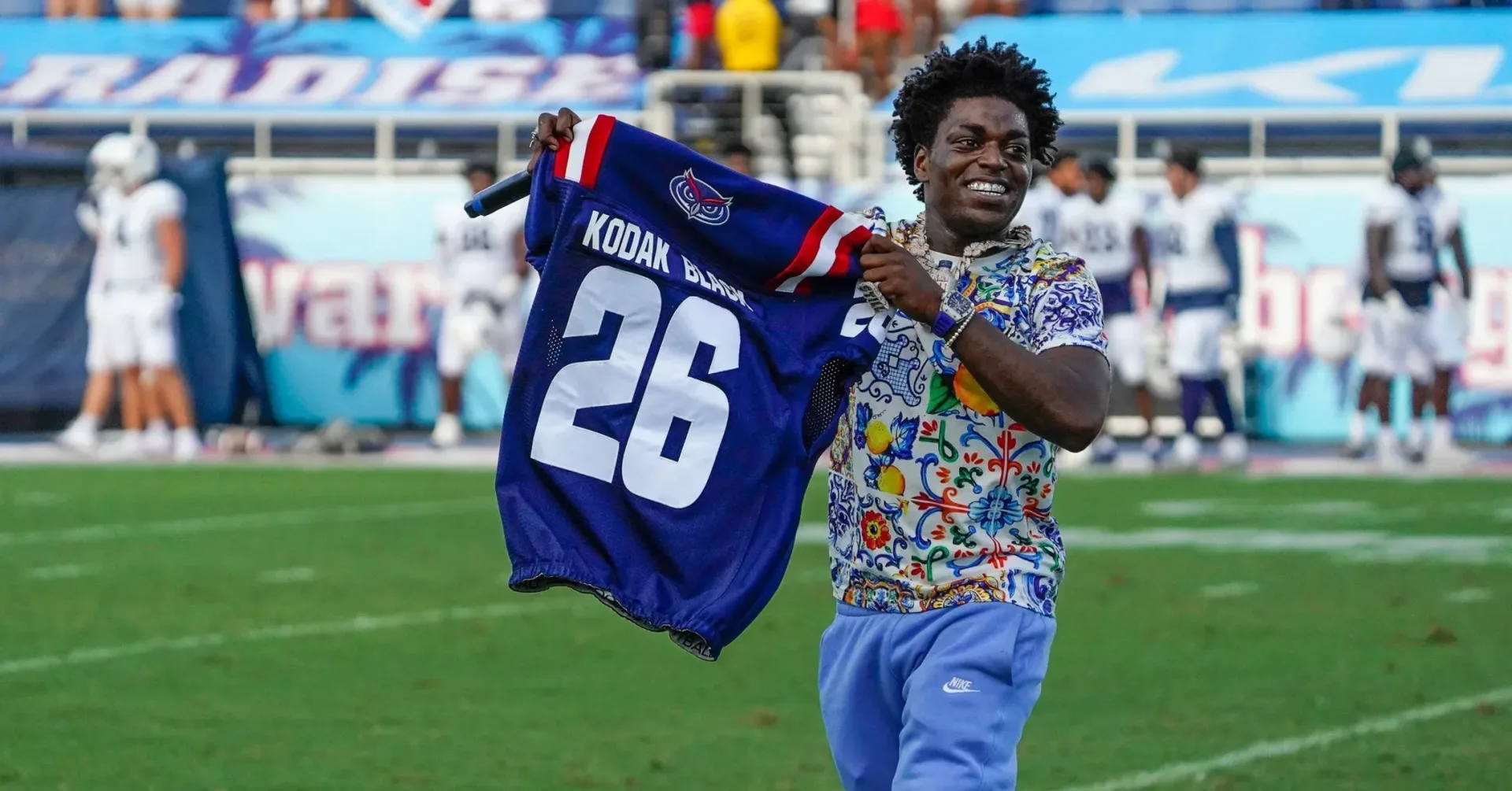
- Kodak Black featuring XXXTentacion — “Roll in Peace”
- Pop Smoke — “Dior”
- SoFaygo — “Cashout”
- HXG featuring Tana and Quavo — “RckstrLiving”
- Drake and Alicia Keys — “Un-Thinkable”
- Ye — “Bound 2”
- Future — “Xanny Family”
- Future, Metro Boomin and Yung Lean — “That’s It”
- Don Toliver — “TF?”
- Don Toliver and Kodak Black — “Let’s Rock”
- Lil Uzi Vert — “20 Min”
- Frank Ocean — “Lost”
- Young Thug — “Digits”
- Young Thug and Camila Cabello — “Havana”
- Cardi B — “Don’t Chart”
- Nicki Minaj and Fivio Foreign — “We Go Up”
- A Boogie Wit Da Hoodie and Elkan — “Dance With Me”
- Yeat — “On Tha Linë”
- Central Cee — “Rock N Roll”
- Pooh Shiesty — “Got Dat”
- Three 6 Mafia — “Side 2 Side”
- Three 6 Mafia — “It’s Hard out Here for a Pimp”
- Trina — “Da Baddest Bitch”
- Petey Pablo — “Freek-A-Leak”
What the two-station setup suggests
The contemporary side is especially artist-dense. Drake appears repeatedly, both alone and in collaborations, while Travis Scott, Future, Young Thug, Don Toliver and Kodak Black also recur. That does not prove a particular sequence or frequency of airplay, but it does show that the reported selection is not relying on a token appearance from each major artist. It points toward a playlist constructed around overlap: artists connected through features, adjacent styles and multiple points in the last decade-plus of mainstream rap.
Collaborations are important here. Hip-hop radio playlists often make a station feel cohesive through recurring voices, producers and guest appearances. A player can move from a Drake track to a Travis Scott record featuring Drake, or from Future to a Future and Metro Boomin collaboration, without the station sounding like it has abruptly abandoned its lane. In an open-world game, that continuity can matter more than a strict chronological playlist because songs are encountered in fragments during driving, missions and free-roam exploration.
The list also reaches beyond a simple “new releases” definition of contemporary. “No Lie,” “Bad and Boujee,” “SICKO MODE,” “20 Min,” “Lost,” “Bound 2” and “Havana” all bring different tones and periods into the mix. Some are rap records, some lean toward pop or R&B crossover territory, and some are collaborations whose appeal extends beyond one genre label. That variety is a practical fit for a fictional radio station: it gives a station room to sustain a mood without reducing it to one tempo, one vocal approach or one subgenre.
Dirty South Classics provides the clearest regional anchor
The reported presence of Three 6 Mafia, Trina and Petey Pablo gives Dirty South Classics a recognizable Southern focus. “Dirty South” is a broad term commonly used for hip-hop associated with the American South; in this context, the station name signals a regional and historical framing rather than merely a playlist of new tracks. Three 6 Mafia’s two reported songs, alongside Trina’s “Da Baddest Bitch” and Petey Pablo’s “Freek-A-Leak,” establish that identity with artists whose records carry distinctly different styles inside that larger umbrella.
There is also a useful contrast between the two station concepts. The contemporary station can foreground current artist networks and modern rap production, while the classics station can give the world a deeper musical memory. That is not simply nostalgia for its own sake. A radio dial built with separate editorial identities lets players choose the energy they want, whether they are looking for recent chart-facing rap or older Southern staples.
Related coverage includes GTA VI’s Hip-Hop Stations Span Drake, Future, Three 6 Mafia and More.
The division should not be overstated, however. GTA VI’s reported song list is not yet enough to map every track cleanly to an individual station, nor does it establish the total number of rap-adjacent tracks in the game. A song heard during gameplay may be part of a larger rotation, and additional music could emerge beyond the selections presently identified.
More than one kind of hip-hop listener is represented
The breadth of the names is arguably the most notable element. Future, Playboi Carti, Yeat and SoFaygo represent different corners of a modern rap ecosystem that values atmosphere, cadence and shifting production textures. Baby Keem and Kendrick Lamar bring a high-profile pairing with a different lyrical and structural energy. Pop Smoke’s “Dior” and Central Cee’s “Rock N Roll” widen the reported selection further, while Frank Ocean, Alicia Keys and Camila Cabello appear through songs that complicate any attempt to describe the radio offering as rap alone.
That last point is significant for players trying to infer what a station will sound like from its name. Genre labels on radio are generally useful shorthand, not hard borders. A rap format may include R&B, melodic pop and crossover records because the artists, audience or cultural moment overlap. The reported GTA VI tracks reflect that flexible programming approach. It creates sharper transitions in texture, but it can also make a fictional station feel closer to the mixed listening habits of a real audience.
For GTA VI specifically, music is part of the world-building players repeatedly revisit. A mission is usually completed once; a station may accompany countless drives. The early reported selection therefore offers a more meaningful clue about the game’s atmosphere than a single needle drop would. It suggests a Vice City radio environment designed to accommodate both present-day stars and Southern rap history, with room for songs that sit between hip-hop, pop and R&B.
What remains unconfirmed
There are a few sensible limits to draw around a live, evolving track list. The songs above are those reportedly heard so far, not a guarantee that every title will be present in every version, region or playback session. No complete rotation order, radio-host segment information, station-by-station song breakdown or full music catalogue is established here. It is also not possible from this list alone to determine how often individual tracks play.
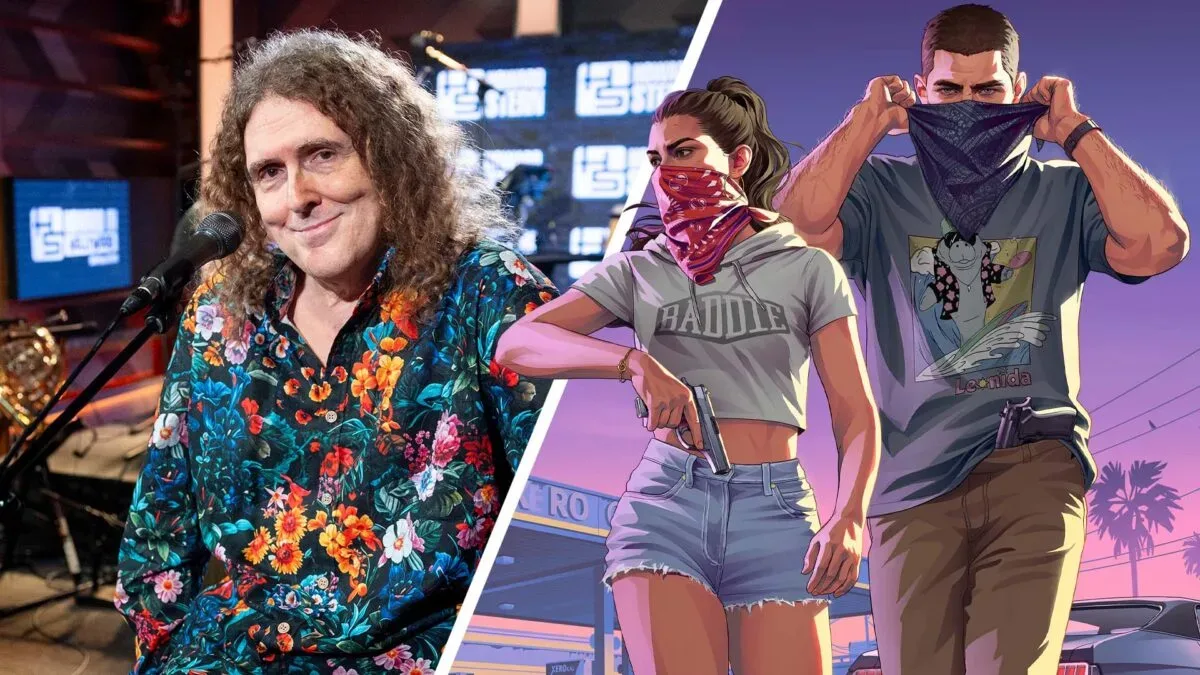
Players looking at GTA VI’s broader audio identity can also keep an eye on the game’s other radio personalities and formats. One reported detail elsewhere is that Weird Al Yankovic is associated with Vice City FM, a reminder that the rap stations are only one part of the game’s radio dial.
For now, the reported hip-hop tracks make the strongest case for range. The contemporary records supply a concentration of major modern voices; Dirty South Classics adds a focused regional counterweight; and the crossover choices keep either lane from becoming too predictable. As further songs are identified, the most useful question will be less “is this artist included?” than “which station identity does this track reinforce?”