Grand Theft Auto 6 is building a very large wildlife roster for Leonida. Rockstar has put the total at 170 animal species, a figure that includes 60 bird species, more than 30 land mammals, plus fish and reptiles. The developer has also confirmed that players will be able to visit at least one zoo.
The number is striking, but it needs a little unpacking before everyone starts treating Leonida as a 170-animal checklist. A species count describes the breadth of animals represented in the world; it does not, by itself, explain how frequently each animal appears, whether every creature can be interacted with, or whether every species is visible in ordinary free-roam play. Those details have not been outlined here.
What the figure does clearly signal is an ecological ambition that spans city streets, rural spaces, inland water, the ocean, and wetlands inspired by Florida’s swamps and Everglades. That matters for a game world built around movement: a pigeon on a dense urban block, an alligator near wet ground, and a pelican along the coast each help make distinct parts of the map feel like places with their own character rather than one enormous interchangeable sandbox.
What Rockstar has confirmed about GTA 6’s animals
Rockstar’s stated goal is to represent Florida’s diverse ecosystem across Leonida’s different biomes. Biome is a term for a large environmental region shaped by conditions such as terrain, water, and vegetation. In practical game-design terms, it means animal populations can be tailored to surroundings: aquatic life inland and offshore, wildlife in wetland habitats, and creatures suited to urban or rural areas.
The studio has also emphasized research, visually accurate animal models, and the movement and animation needed to make them feel alive. That last point is important. An animal model is the visible digital object; animation is the collection of motions that gives it behavior on screen, whether it is swimming, flying, walking, or simply reacting within its environment. A wide roster can provide visual variety, but movement is what helps an ecosystem avoid feeling like a set of static museum pieces scattered across a map.
So far, roughly 50 animals or animal types have been identified through official materials and reported preview sightings. That is less than one-third of the stated total. The published list should therefore be read as a snapshot of the revealed menagerie, not a complete wildlife guide to the finished game.
Animals identified so far in GTA 6
Land animals
- Beavers
- Boars
- Bobcats
- Cane toads
- Domestic and feral cats
- Cougars
- Deer
- Dogs, including Chihuahuas, Dobermans, German Shepherds, and Rottweilers
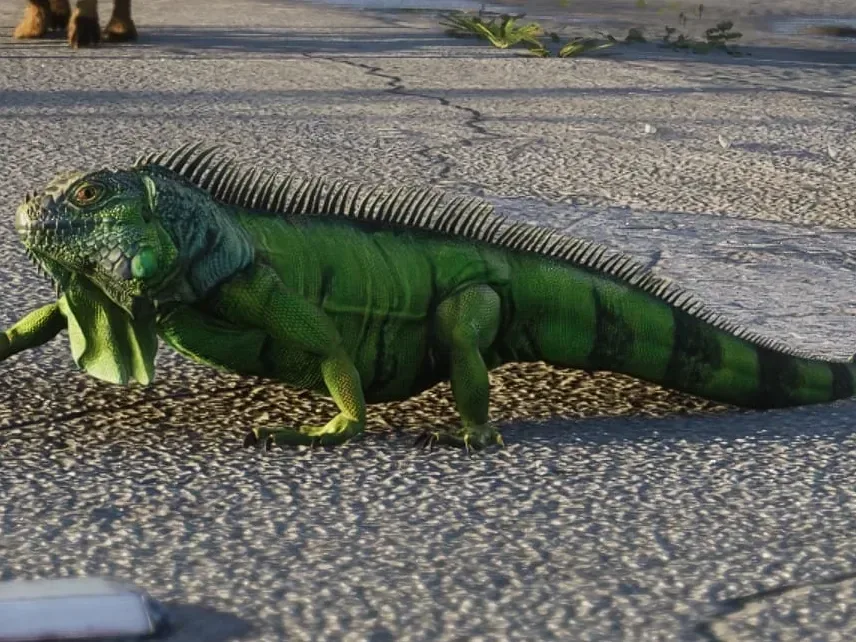
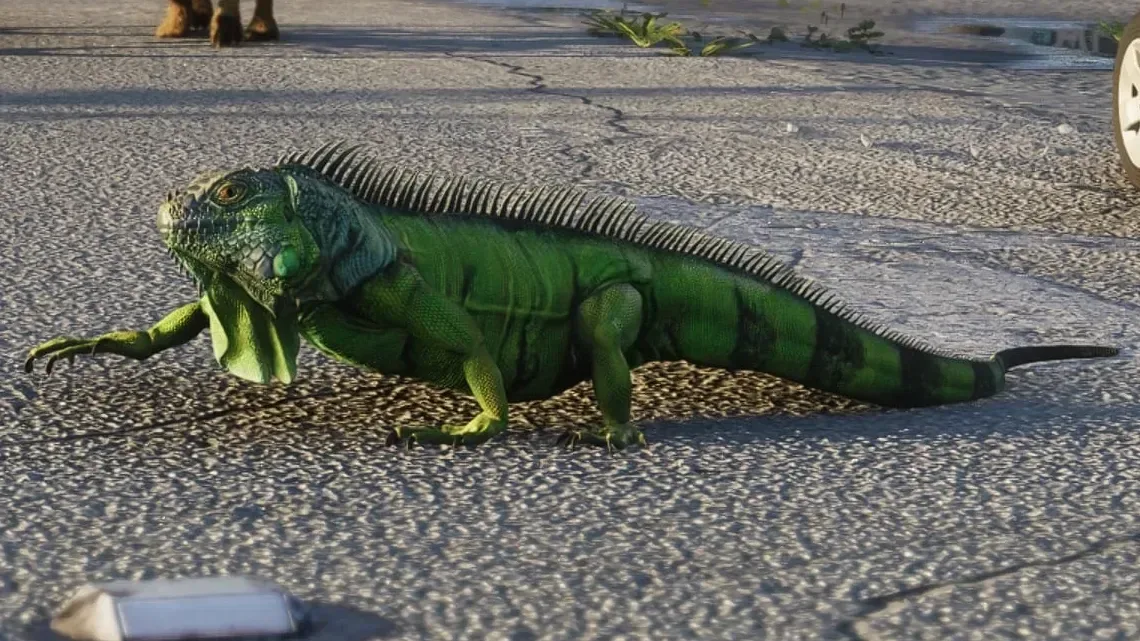
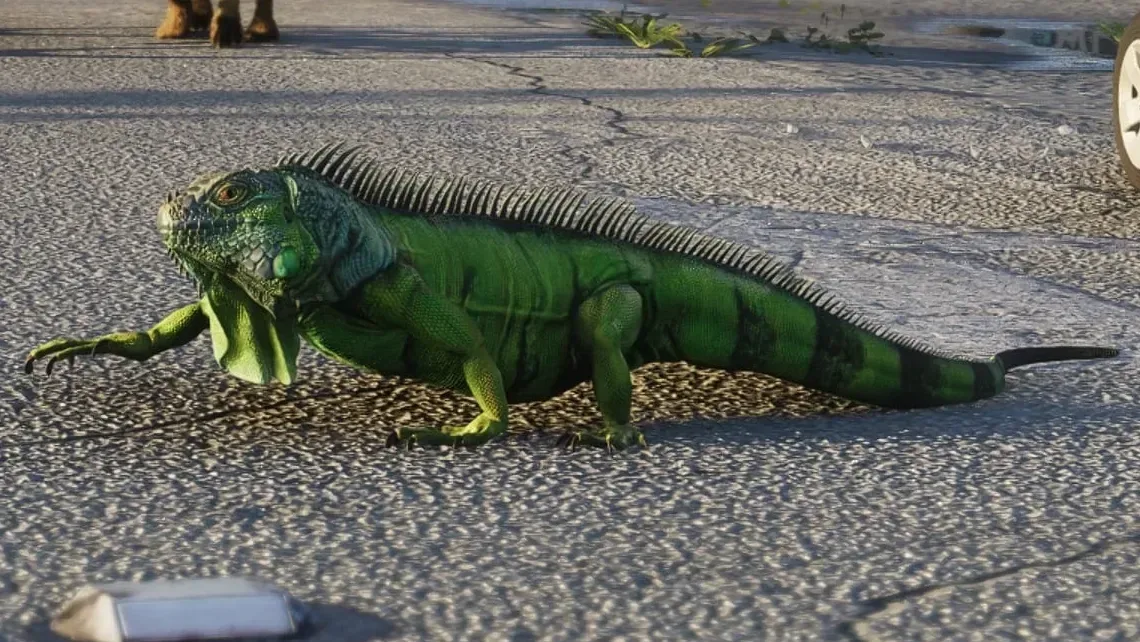
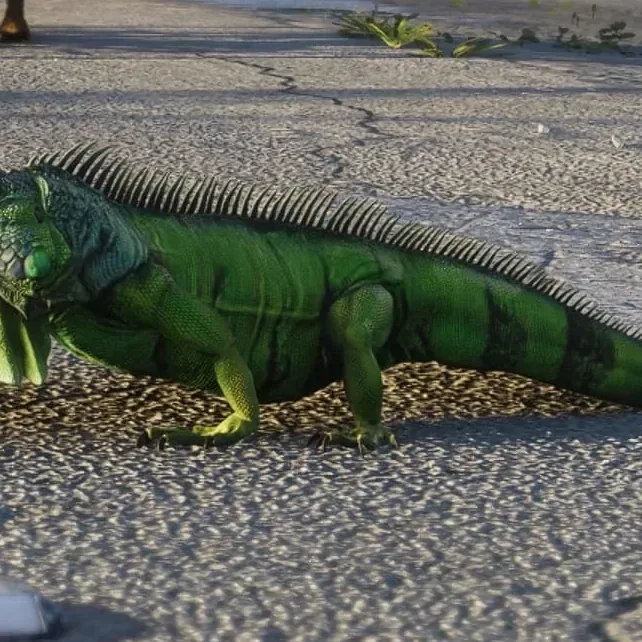
- Iguanas
- Rhesus macaques
- Nine-banded armadillos
- Otters
- Raccoons
- Snakes
- Squirrels
That list already gives Leonida a broader sense of place than a simple “wild animals in the woods” approach. Cats, dogs, and squirrels point toward ordinary life around populated areas. Beavers, deer, raccoons, armadillos, and cougars suggest rural or less-developed spaces. Cane toads, iguanas, and macaques add a distinctly subtropical angle. The named dog breeds are also a useful detail: Rockstar is not only distinguishing broad animal categories in every case, but at least sometimes representing recognizable varieties within them.
There is a caveat around macaques. Rhesus macaques have been identified, while the possibility of additional monkey types remains uncertain. It is best not to promote possible additional species to the confirmed column just yet.
Related coverage includes GTA 6 Has Confirmed 170 Animal Species, From Alligators to Whales.
Aquatic animals
- Alligators
- Dolphins
- Eels
- Fish
- Jellyfish
- Manatees
- Sea turtles
- Sharks
- Whales
The water roster may be the most consequential part of the reveal for the shape of the world. Leonida is being presented as a setting with inland and ocean environments, so aquatic wildlife is not merely shoreline decoration. Alligators and manatees fit the inland-and-wetland side of that picture, while dolphins, sharks, whales, jellyfish, sea turtles, eels, and fish point toward a more active coastal or open-water layer.
Not every entry is equally specific. “Fish,” “sharks,” and “whales,” for example, are broad labels rather than a disclosed species-by-species breakdown. They should not be counted as evidence of particular fish, shark, or whale varieties. The overall total of 170 leaves plenty of room for that kind of specificity to be clarified later, but it has not been detailed in the material available so far.
Alligators are likely to become one of the clearest visual shorthand markers for Leonida’s wetland identity, while manatees and sea turtles potentially add a quieter counterweight to the region’s more dangerous fauna. That is an interpretation of the revealed selection rather than confirmation of gameplay systems. There is no stated information here about hunting, photography, feeding, rescue activities, animal attacks, or other mechanics connected to these creatures.
Birds
- Ducks
- Eagles
- Flamingos
- Cranes
- Pigeons
- Pelicans
- Seagulls
- Spoonbills
- Storks
- Woodpeckers
Birds make up the biggest disclosed portion of the full population count, at 60 species. Only a small sample has been named so far, but the early group is well distributed across Leonida’s apparent environments. Pigeons suit built-up areas; ducks, cranes, spoonbills, and storks fit wetland imagery; pelicans and seagulls are natural coastal presences; eagles and woodpeckers broaden the mix beyond streets and beaches; and flamingos are among the most immediately recognizable touches in a Florida-inspired setting.
The bird figure also helps explain how the total can reach 170 without every creature needing to be a large mammal or a marquee predator. A convincing wildlife population is often made from smaller and more common sightings as much as headline animals. Players may notice a species for a few seconds while driving, boating, or stopping at the water’s edge, but those brief encounters can do a lot of environmental storytelling.
The zoo is confirmed, but its role is not
At least one zoo will be visitable in GTA 6. That confirmation is notable because it gives wildlife a formal, designed location in addition to animals distributed throughout Leonida’s natural and urban spaces. Still, the announcement does not establish what the zoo lets players do. There is no confirmed animal list for it, no description of exhibits, and no information about missions, activities, or interactivity tied to the location.
It is also worth separating a zoo from the broader ecosystem. A zoo could be a place for deliberately curated animal encounters, while the open world’s population systems are responsible for making creatures appear in appropriate environments. The confirmed 170-species total applies to the game’s animal population as described by Rockstar; the available information does not say how that number is divided between wild locations and zoo exhibits.
What remains unknown
There is plenty still under wraps. The revealed list deliberately avoids turning speculation into fact, even where fans may recognize a silhouette or expect a creature based on earlier games. Possums and a possible rat sighting, for example, have not been confirmed. Neither has any full catalogue covering all 170 species.
That restraint is useful. Animal rosters are especially vulnerable to wish-list inflation: a broad regional setting makes many animals seem plausible, but plausible is not the same as shown, previewed, or officially confirmed. Until Rockstar identifies more wildlife, the responsible approach is to keep a boundary between named animals, broad categories, and guesses.
Questions still unanswered include how animals behave around players and vehicles, whether the population changes by location or circumstance, how many species are primarily seen during specific activities, and whether the zoo contains animals not otherwise encountered in the wild. Nothing currently confirms collectible-style wildlife tracking, a dedicated animal encyclopedia, or rewards for finding every species.
Why the 170-species figure matters
The headline number alone does not guarantee that every encounter will be memorable. What it does indicate is that wildlife has been treated as a substantial component of Leonida’s world-building rather than a narrow set of background props. The announced mix reaches from household pets and urban birds to wetlands wildlife, land mammals, ocean life, and a visitable zoo.
For players, the practical expectation should be variety, not a confirmed feature list. Watch for small environmental differences as Leonida’s spaces change: birds over a coast, water life offshore or inland, and mammals or reptiles in rural and swampy terrain. But do not assume every creature has a mission, an activity, or a gameplay purpose until that is explicitly established.
GTA 6’s animal count also arrives as attention around Rockstar remains intense on more than one front; recent discussion of an unannounced LA Noire sequel rumor is a reminder that confirmed information and appealing speculation should be kept separate. On GTA 6 specifically, the confirmed wildlife roster is already impressive without filling its many remaining gaps with guesses.
For now, the clearest takeaway is simple: Leonida is meant to feel populated at multiple scales. The game has confirmed alligators, manatees, macaques, flamingos, whales, armadillos, domestic animals, and dozens more examples—while leaving well over 100 species to be revealed.