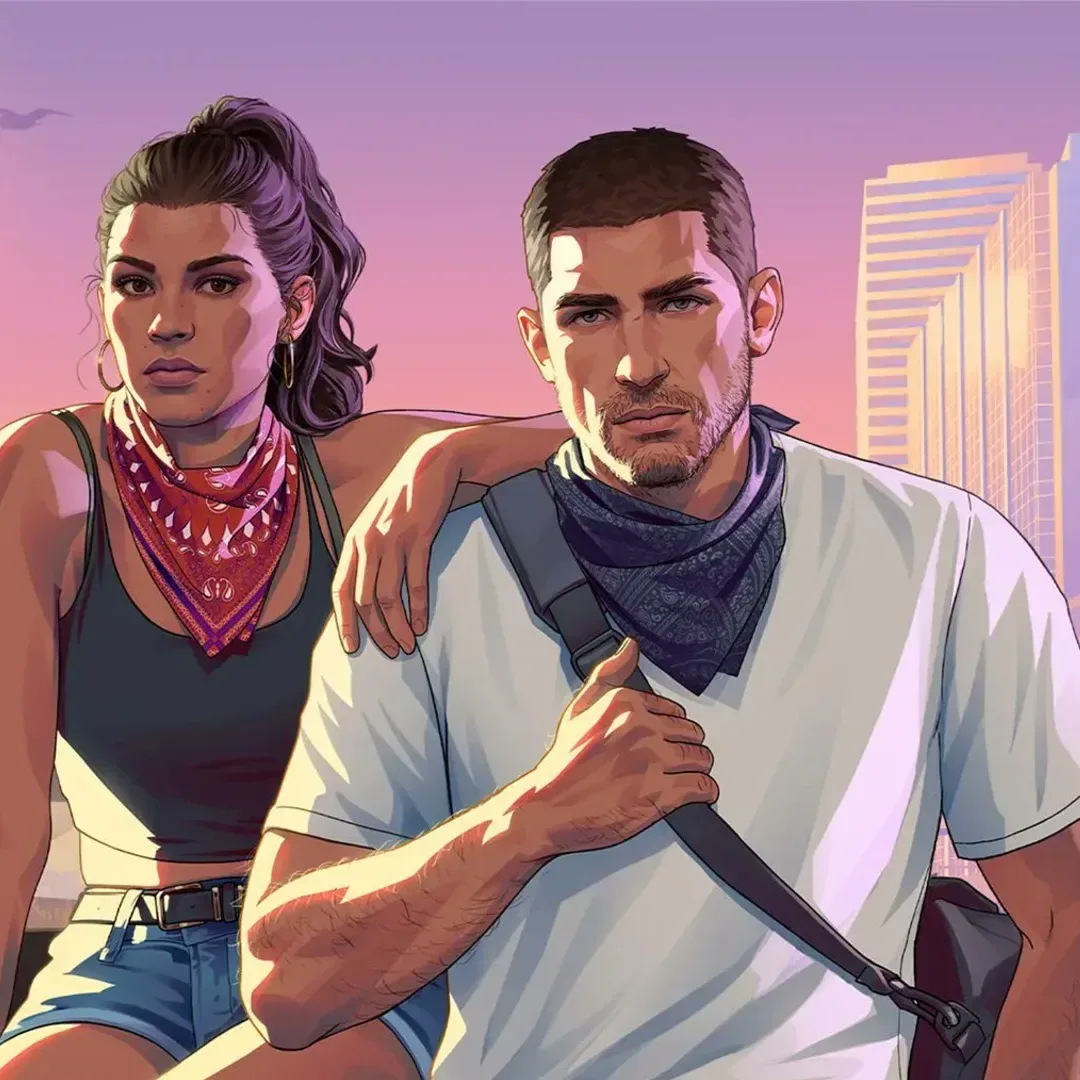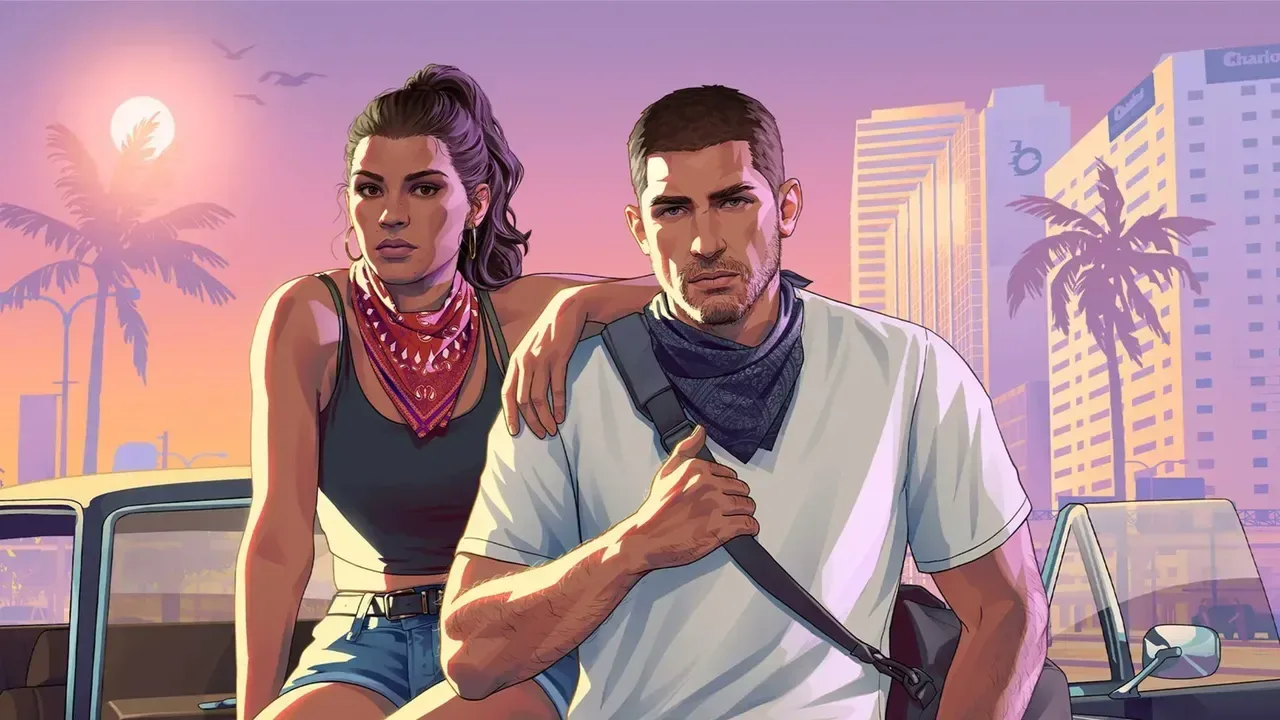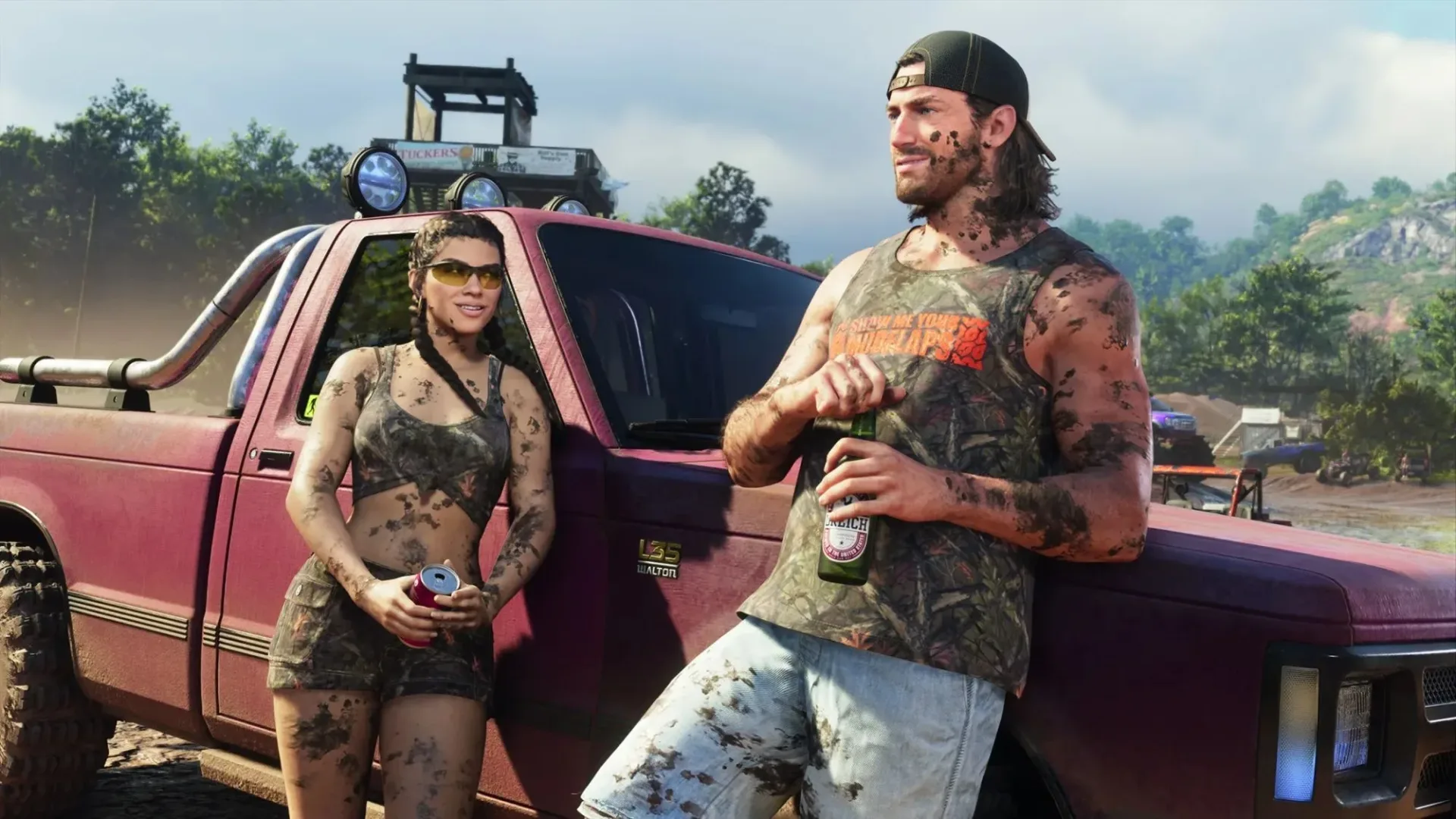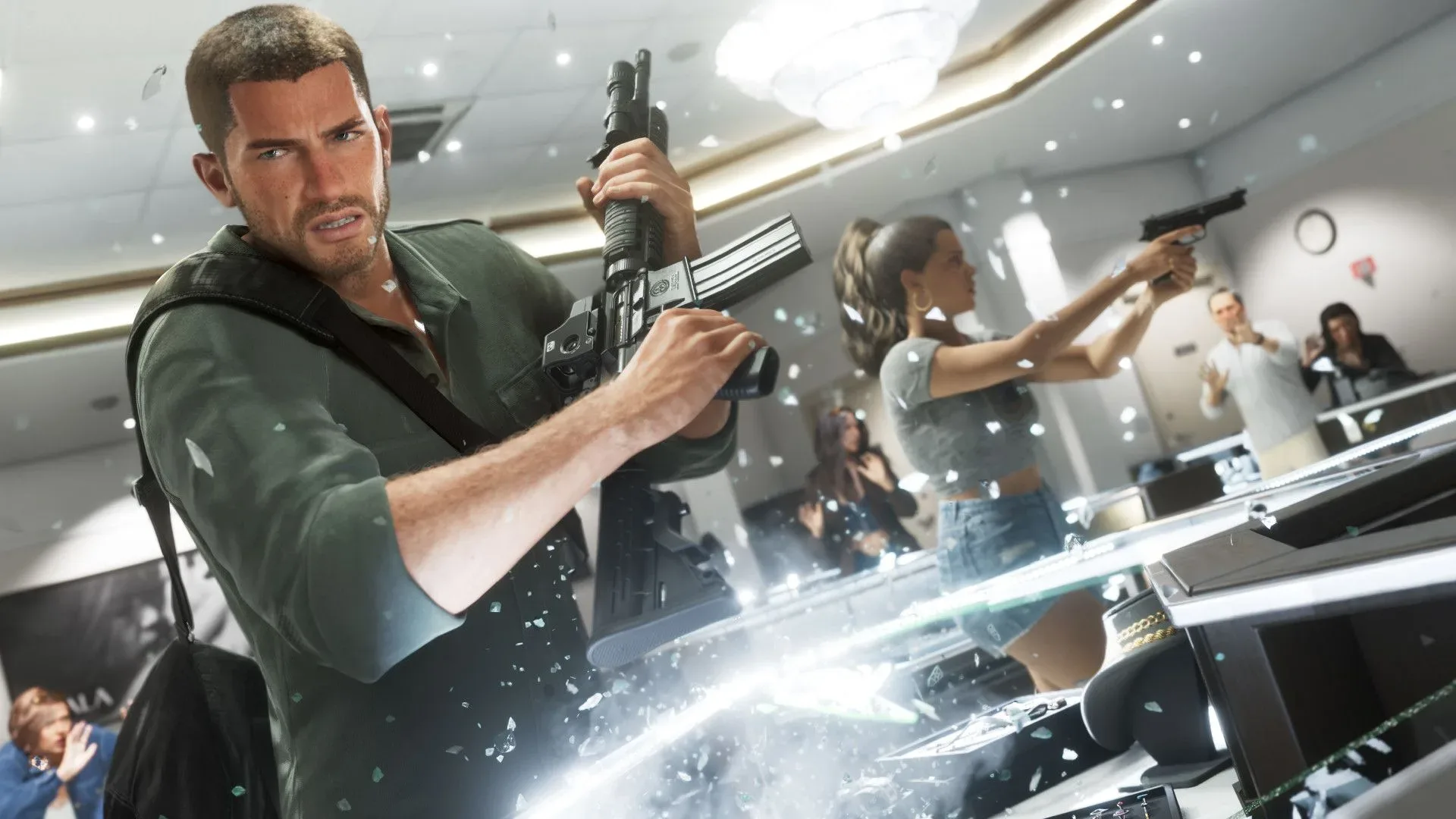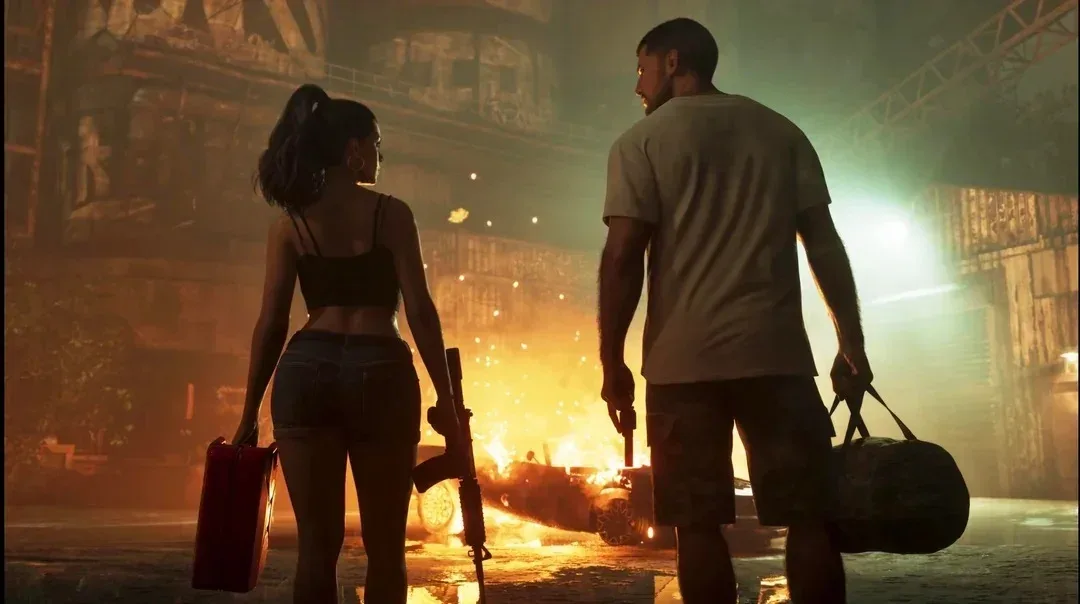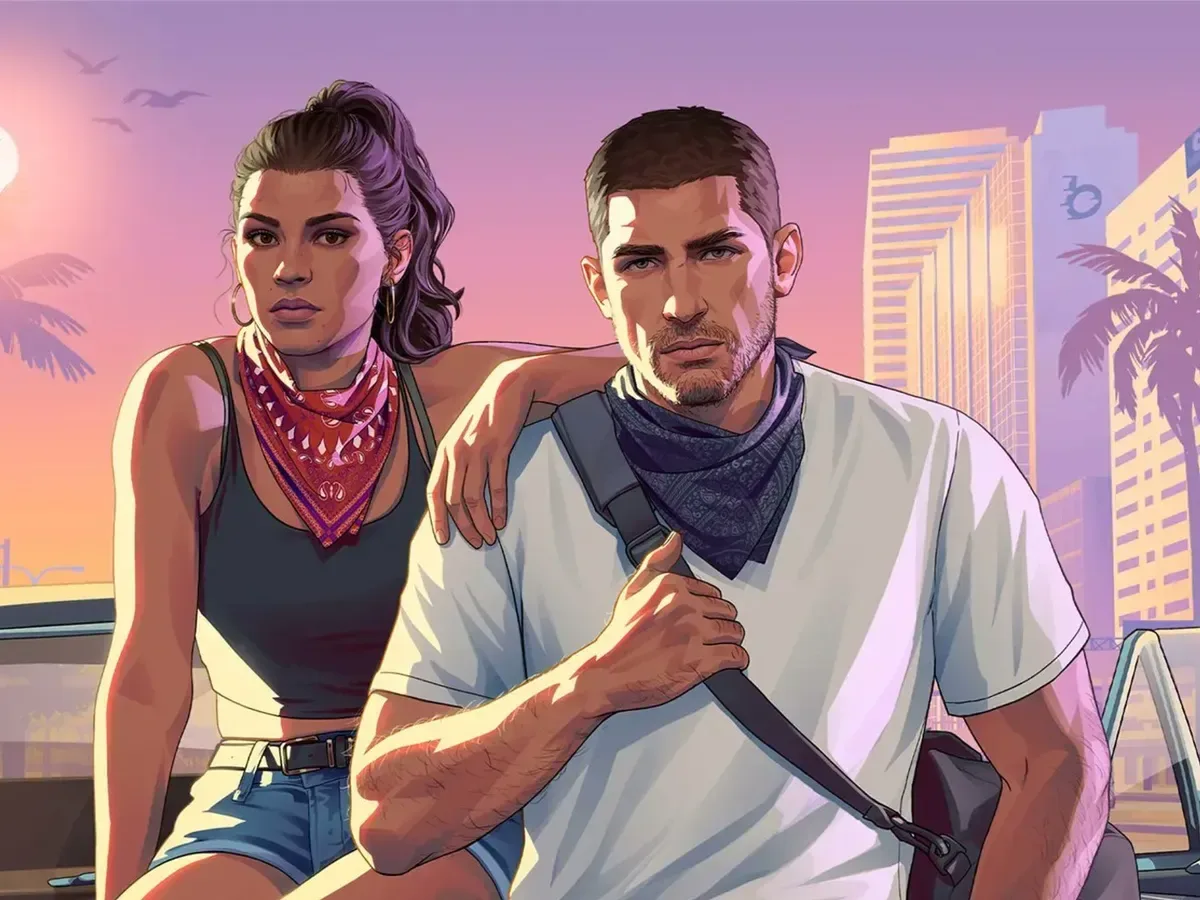
Grand Theft Auto 6 was not simply left idling for a decade while its creators worked on something else. The picture that has emerged is more complicated: Rockstar Games had early plans to develop GTA 6 in parallel with Red Dead Redemption 2, but the western sequel became ambitious enough to demand the studio’s full attention. GTA 6 was pushed back as a full-scale production effort, even while research, planning and early creative work continued in the background.
That distinction matters. It corrects two overly tidy versions of the game’s development: that GTA 6 was fully underway immediately after Grand Theft Auto V in 2013, or that nothing meaningful began until after Red Dead Redemption 2 launched. Neither description captures the reported timeline. Teams and leadership were researching and planning GTA 6 from as early as 2014, while the game’s story did not have even a basic framework until the end of 2019.
For players waiting for GTA 6, it is easy to view the intervening years as an enormous delay. But Rockstar’s decision also suggests that Red Dead Redemption 2 functioned as a foundation-building project. Systems, production experience and creative lessons developed for the western were intended to carry into GTA 6, rather than being abandoned when the studio turned back to its modern crime series.
Why the two-game plan gave way
Developing two enormous open-world games at once sounds efficient in theory: separate teams can move projects ahead, and a studio can avoid an extended gap between major releases. In practice, that arrangement becomes difficult once one project expands beyond its original expectations.
Rob Nelson, co-studio head at Rockstar North, has explained that the ambition of Red Dead Redemption 2 required an all-hands-on-deck approach. In other words, the game’s needs crossed team boundaries. Rather than leaving one group to make GTA 6 on a separate track, Rockstar concentrated its available effort on getting RDR2 made.
That is an important distinction from a simple cancellation or restart. The initial parallel-development idea became infeasible because the studio chose to prioritize the project already absorbing its people and attention. GTA 6 went onto the back burner as a full production effort, but the work done on Red Dead was expected to benefit it later.
The result is a familiar trade-off in large game development. A studio can divide resources in an attempt to get multiple projects moving, or it can consolidate them to solve the immediate challenges of one especially complex release. The first approach may make a future schedule look faster. The second can produce a more unified game and a more reusable technical base, but it delays the next project’s moment in the spotlight.
There is no confirmed alternate release date for GTA 6. Any suggestion that it would have arrived in the early 2020s if parallel development had continued is necessarily a counterfactual, not a lost public launch plan. Still, the original intention to make both games alongside one another shows why that possibility is being discussed at all.
Related coverage includes GTA 6 Was Once Planned Alongside Red Dead Redemption 2, Rockstar Says.
What “pay off” from Red Dead can mean
Nelson’s view was that the work built for Red Dead Redemption 2 would pay off in GTA 6. The clearest example identified is the NPC interaction system. NPC means non-player character: the people controlled by the game rather than by a human player. In a densely populated open world, these characters do much of the work that makes a city or town feel active, reactive and believable.
An NPC interaction system is not merely a collection of pedestrians on a sidewalk. It can encompass how characters respond to the player, how encounters are presented, and how the game organizes a large number of possible interactions across its world. The report indicates that GTA 6 uses ideas and systems from RDR2 in this area.
That transfer is significant because systems work is expensive and iterative. A team must create tools, establish rules, test edge cases and discover what does or does not hold together at scale. Carrying successful approaches into a later game can let developers spend less time rebuilding basic foundations and more time adapting them to a different setting, cast and tone.
It should not be read as a claim that GTA 6 is simply Red Dead Redemption 2 with cars. The games have very different premises. What carries over is the value of prior development work: methods for making a large world and its inhabitants behave in ways that support the intended experience. The delay attached to the RDR2-first decision may therefore have helped GTA 6 become a different, more developed version of itself than it would have been under the earlier parallel plan.
Early research is not the same as active full production
Much of the confusion around GTA 6’s long gestation comes from the phrase “in development.” It can describe everything from exploratory research to a fully staffed production pipeline. These are not interchangeable stages.
Rockstar personnel were researching and imagining GTA 6 from 2014 onward. Staff also travelled to Florida during the mid-to-late 2010s to research and generate ideas for the game. That is meaningful early work, particularly for an open-world title whose setting, atmosphere and details need extensive consideration. Yet it does not establish that the full game was being built continuously, at full strength, from the year after GTA V arrived.
The reported timing of the story is especially revealing. A “skeleton” for GTA 6’s narrative was not in place until the end of 2019, one year after Red Dead Redemption 2. Here, “skeleton” means the essential underlying structure: the basic narrative shape on which scenes, missions, characters and more detailed storytelling can be developed. It is not the same thing as a final script, but it is a major step beyond broad concepts and location research.
That timeline better explains the game’s length of development without reducing it to a single start date. GTA 6 had an extended incubation period, with research and planning happening while Red Dead took priority. It later moved toward a clearer story and a more defined identity after RDR2’s release. The public saw a single long wait; internally, the work appears to have passed through several very different phases.
Delays, scale and the pressure to ship
The first public release window Rockstar provided for GTA 6 was 2025. The game was subsequently delayed more than once. Jennifer Kolbe, Rockstar’s head of publishing, recalled having to tell Take-Two Interactive chief executive Strauss Zelnick—only months after the first delay was announced—that additional time was needed.
“I think he said, ‘You’re kidding. Please tell me you’re kidding,’” Kolbe recalled. “But once we talked through why, he got it.”
The anecdote is notable less for the initial surprise than for the response that followed. Kolbe framed the willingness to grant more time as fortunate, contrasting it with situations where teams are told to ship regardless of unresolved issues. That is a practical production concern, not merely a public-relations one. When a project is forced out before its problems are addressed, players are often the ones who encounter the consequences.
None of this makes delays painless for an audience eager for GTA 6, and it does not make every delay automatically beneficial. More time is only useful if a team can use it to solve defined problems and bring the game together. But the comments provide a window into why schedule changes happen even at a company capable of planning years ahead: the reality of a project can outgrow the assumptions made when its release window was first set.
For related release-window context, readers can also see our coverage of the reported GTA V PlayStation Plus departure and GTA VI timing.
GTA 6’s development faced more than one obstacle
The scale of GTA 6’s development changed over time. Rockstar doubled in size during the project, an expansion that can bring more capacity but also makes coordination more demanding. Bigger organizations need clearer processes, stronger communication and reliable shared tools; adding people does not instantly turn into proportional speed.
The project also endured multiple leaks and a pandemic-era loss of productivity. Both can disrupt normal development in different ways. Leaks create unwanted exposure around unfinished work and can affect how teams communicate. A productivity drop during the pandemic reflects the broad difficulty of sustaining complex collaborative work under disrupted conditions. Neither factor alone explains the entire schedule, but together with an expanding studio and evolving project scope, they show why a straight-line account of development would be misleading.
Rockstar has also made major operational changes and believes it is now better positioned for whatever follows GTA 6. The company has said it does not expect its next game to take nearly as long, citing fewer obstacles ahead. That is a statement of intent, not a promise of a specific game, timeframe or release strategy.
What comes after GTA 6 remains open
There is no confirmed answer to Rockstar’s next project. A further Red Dead entry is one possibility fans commonly raise, while others hope the company breaks from the familiar GTA-and-Red-Dead pattern with a new project or a return to another property. For now, those remain expectations and wishes rather than announced plans.
The larger takeaway from GTA 6’s history is that long development timelines are not always a single uninterrupted march toward release. A project can be researched for years, temporarily deprioritized, reshaped by another game’s achievements, and then expanded amid organizational and external challenges. Rockstar’s original desire to make GTA 6 alongside Red Dead Redemption 2 makes the wait easier to understand: the studio did not choose between doing nothing and making GTA 6. It chose to concentrate on Red Dead first, while ensuring that the work would inform the next Grand Theft Auto.