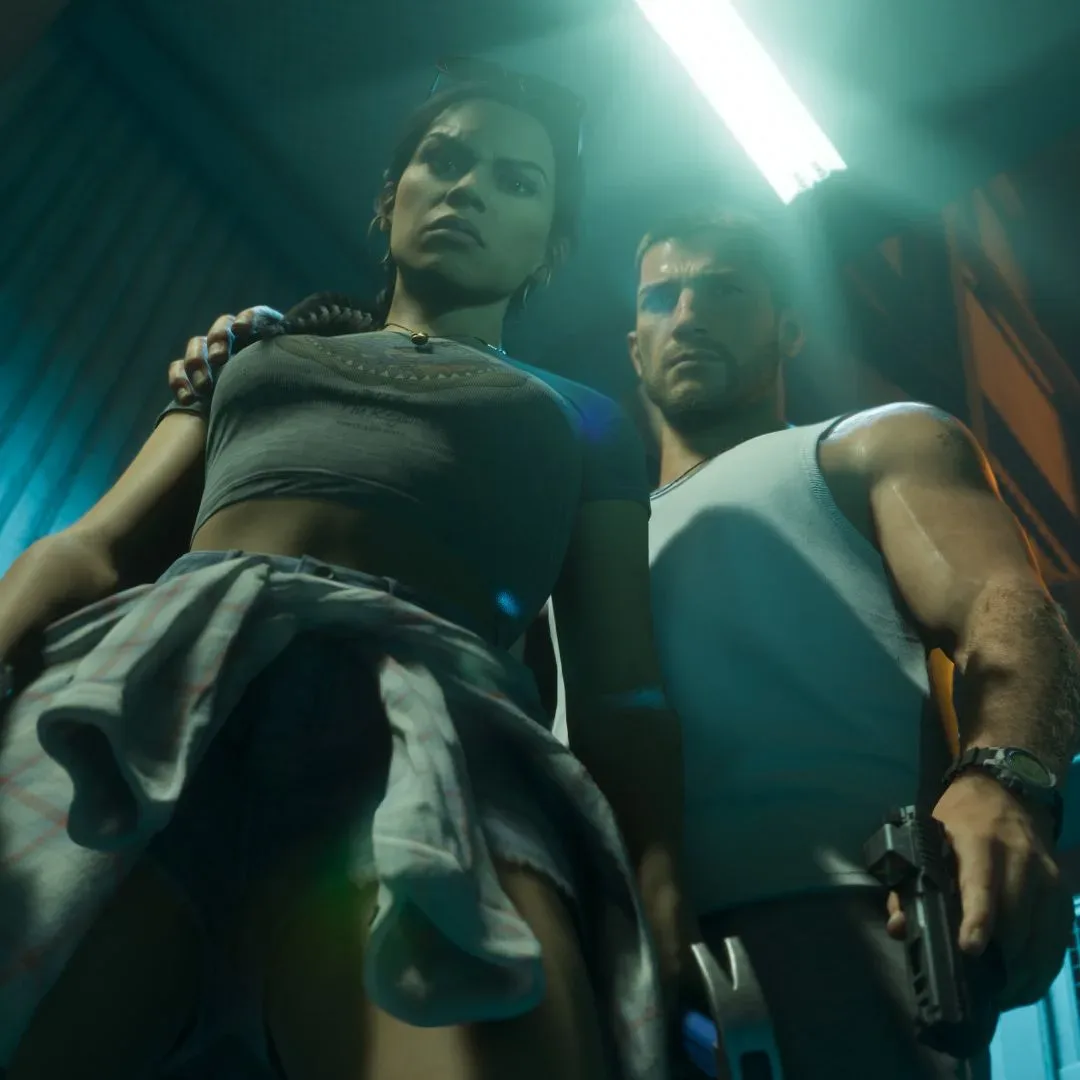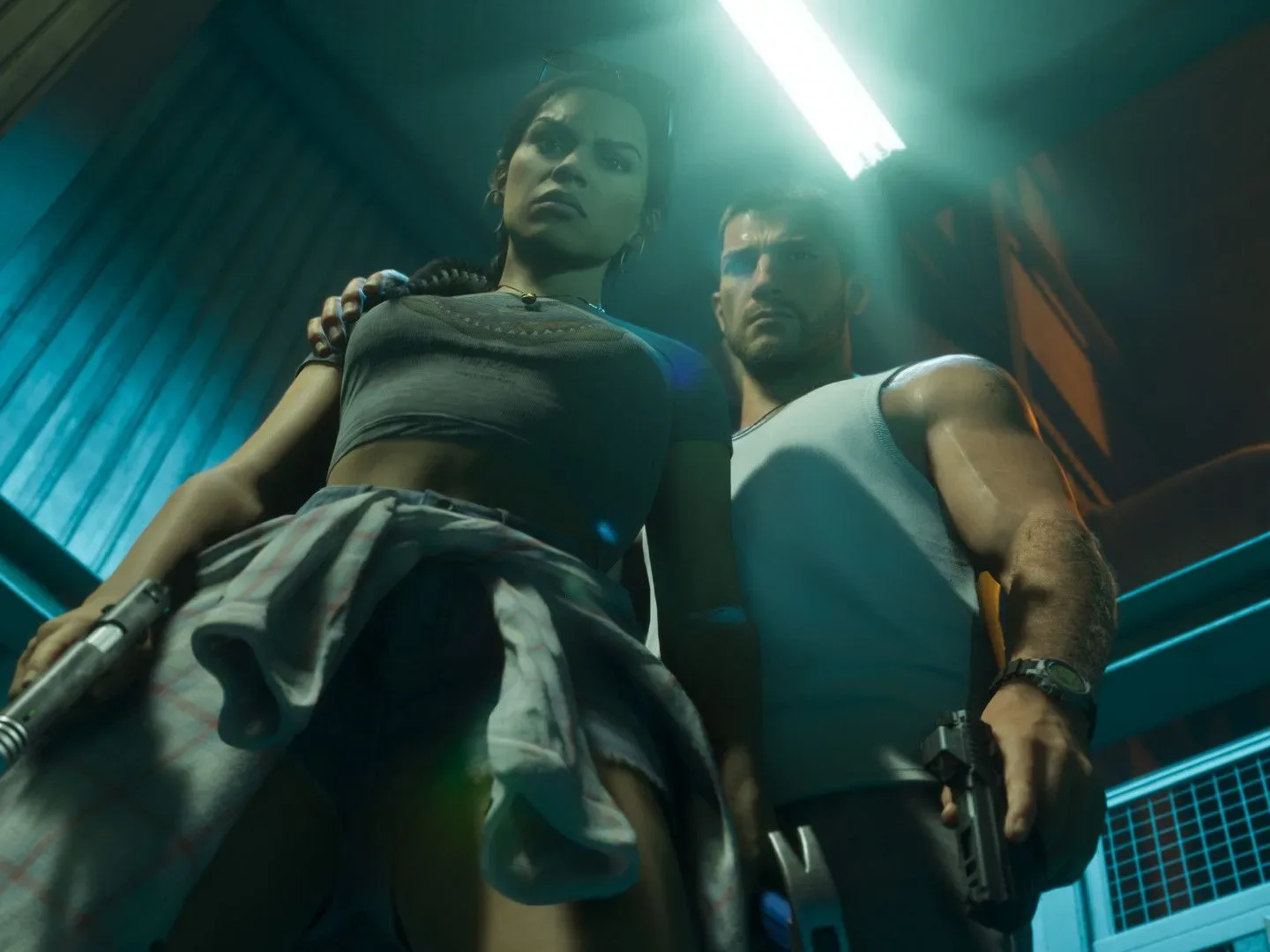
Grand Theft Auto has long treated a paper map as part of the ritual of opening a new game. For Grand Theft Auto VI, that tradition is returning in two forms—but neither is described as an automatic extra inside the game package.
Rockstar says an official printable poster combining GTA 6 cover art and a map of Leonida will be offered as a free digital download on its official site beginning November 19. A double-sided physical version is also planned for the Rockstar Store shortly after launch. That printed edition will be priced at $0.99 when bought on its own, or included as a free gift with any purchase made through the Rockstar Store.
The arrangement preserves the map itself while changing its role. Rather than a standard pack-in—an item placed in every physical game case or box—the printed Leonida map is effectively a small piece of separately distributed merchandise. It can be inexpensive, and it can be obtained without a separate map charge alongside another store purchase, but it is not stated to be included with GTA 6 itself.
A familiar GTA extra takes a different route
The series has strong precedent for putting a map in players’ hands. Grand Theft Auto 3, Vice City and San Andreas included fold-out posters that paired map information with game artwork. Grand Theft Auto 4 and Grand Theft Auto 5 continued the idea with double-sided maps, presenting each game world with more detail across their two faces.
That history matters because these inserts were more than disposable packaging. Before a player even began driving through a city, the map could establish the scale and personality of the place. It was a useful reference, a piece of key art, and a tactile reminder that the game came as a physical object with material beyond a disc or download code.
The GTA 6 poster follows that double-sided lineage. One side is cover art and the other is Leonida’s map, making the physical version closer to the older map-and-art inserts than to a conventional single-image poster. The free download gives players a way to see and print the item themselves; the store edition offers the official physical object.
What is free, what costs money, and what remains unclear
The details create a few distinct options for people who want the map:
- Printable digital version: Free from the official site beginning November 19.
- Physical double-sided version: Available from the Rockstar Store shortly after launch for $0.99 by itself.
- Physical version with another store order: Included as a free gift with any Rockstar Store purchase.
There is an important difference between “free with purchase” and “included with the game.” The former means the map’s cost is waived as part of a separate Rockstar Store transaction; it does not mean every GTA 6 customer automatically receives it. Someone who buys only the game through another retailer, or chooses a digital purchase, should not assume the printed map will arrive with it based on the information currently available.
Related coverage includes GTA 6's Leonida Map Will Be a Separate Purchase Instead of a Boxed-Game Extra.
Rockstar also says code-in-box versions of GTA 6 will be available from November 12, while supplies last. A code-in-box edition generally means a retail-style package containing a redemption code rather than a game disc. Nothing in the stated plan indicates that the Leonida map is inside those packages.
It may be possible, in practical terms, to buy a code-in-box version through the Rockstar Store after the printed map becomes available and receive the map as the store-order gift. But that is a timing-dependent possibility, not a promised bundle. The code-in-box stock is described as limited, and the physical map is only scheduled for “shortly after launch,” without a precise availability date in the information provided.
Why the distinction matters to players and collectors
For players, the free printable file is the functional answer. A map can be printed at home and used as wall art or a handy physical reference, assuming they are happy with their own paper and print quality. Its arrival also means access to the map artwork does not require buying merchandise.
For those who prefer official physical game material, however, format and provenance can be the point. “Provenance” here simply means where an item came from and how it was originally distributed. A map supplied inside a retail game box has a different collecting story from one purchased separately from a publisher’s storefront, even when the artwork is similar. The latter is still an official item, but it is not a universal launch-package inclusion.
The $0.99 price is small enough to make the shift feel symbolic rather than financially punishing. Still, the extra steps are notable: fans need to watch for the post-launch store listing, place an order, and account for any delivery considerations that may accompany a physical-store purchase. Those pursuing the free-gift route need another Rockstar Store purchase as well.
That makes the old “open the box, unfold the map” experience less direct. A code-in-box product may retain the silhouette of physical retail, yet it does not necessarily carry the physical ephemera that earlier releases used to place beside the game. The change is especially visible with an object as closely associated with Grand Theft Auto as a city map.
Leonida’s map is both utility and presentation
Game maps serve two jobs. First, they are navigational tools: they organize locations and help players understand an open world. Second, they are visual summaries of a game’s setting. A designed paper map can make a fictional place feel coherent before its streets, landmarks and routes are learned in play.
Rockstar’s decision to pair Leonida with cover art recognizes that presentation value. It is not merely a plain reference sheet. The double-sided format explicitly joins the game’s promotional image with its setting, echoing the approach used by several past Grand Theft Auto releases.
At the same time, a printable download changes the ownership model. The artwork is broadly accessible, but the official printed object becomes optional merchandise. That is a reasonable compromise for people who simply want the image, while leaving a small paid path for those who value a publisher-issued physical copy.
It also fits a wider tension around digital-first distribution. Digital releases make games easy to obtain without manufacturing or shipping a disc package, but extras once treated as standard parts of boxed releases may become downloads, retailer bonuses or standalone items. Nostalgia for older physical formats is not only about discs; it is also about manuals, maps and other designed materials that made a game package feel complete.
GTA 6’s plan does not abandon the map concept. It preserves it through a free file and a low-cost print. But it does make that distinction unmistakable: the map is being carried forward as an accessory, not confirmed as an included part of every copy of the game.
For a broader look at how games revisit the appeal of older eras while adapting them to new delivery models, see WoW: Forever’s effort to make a new Azeroth feel connected to 2004.