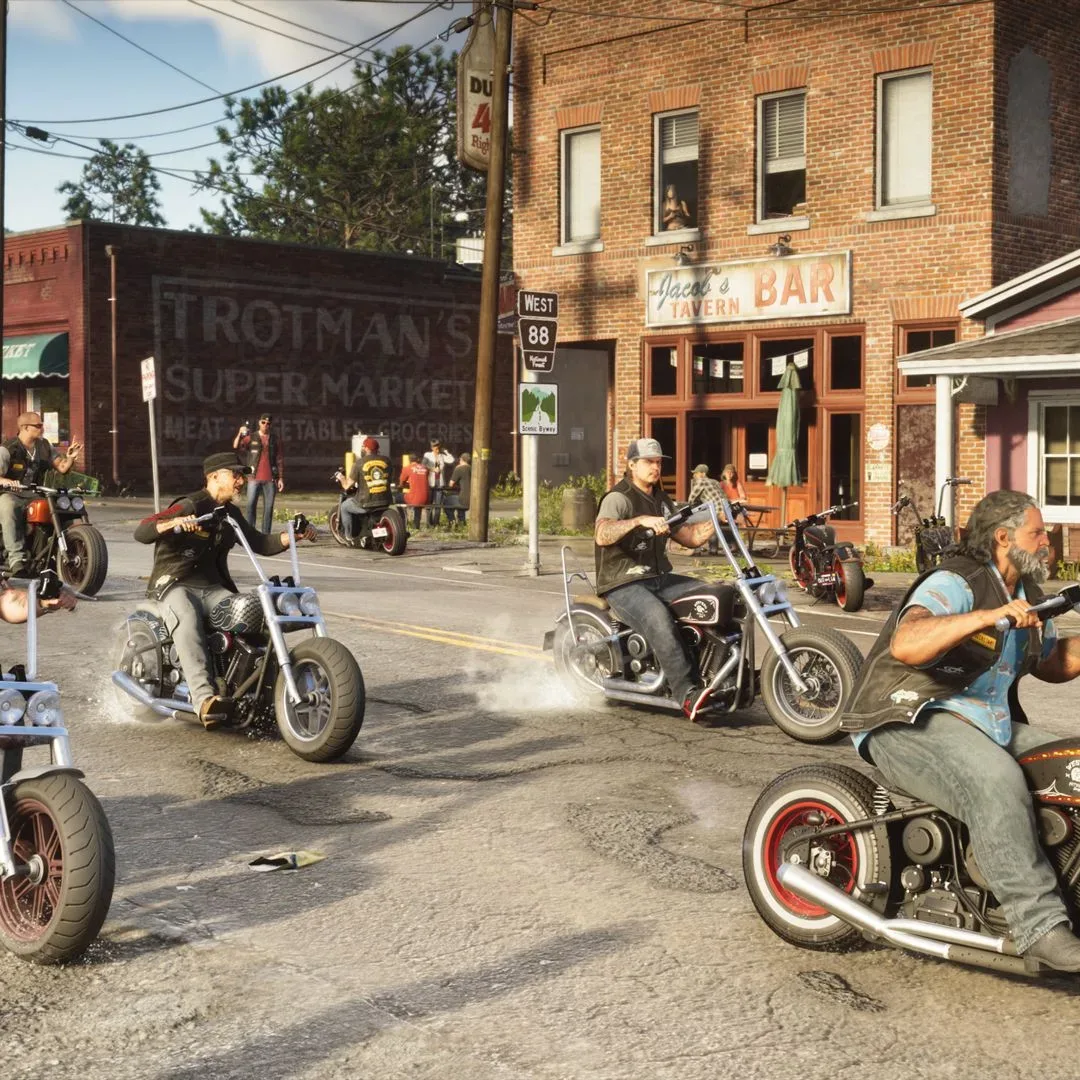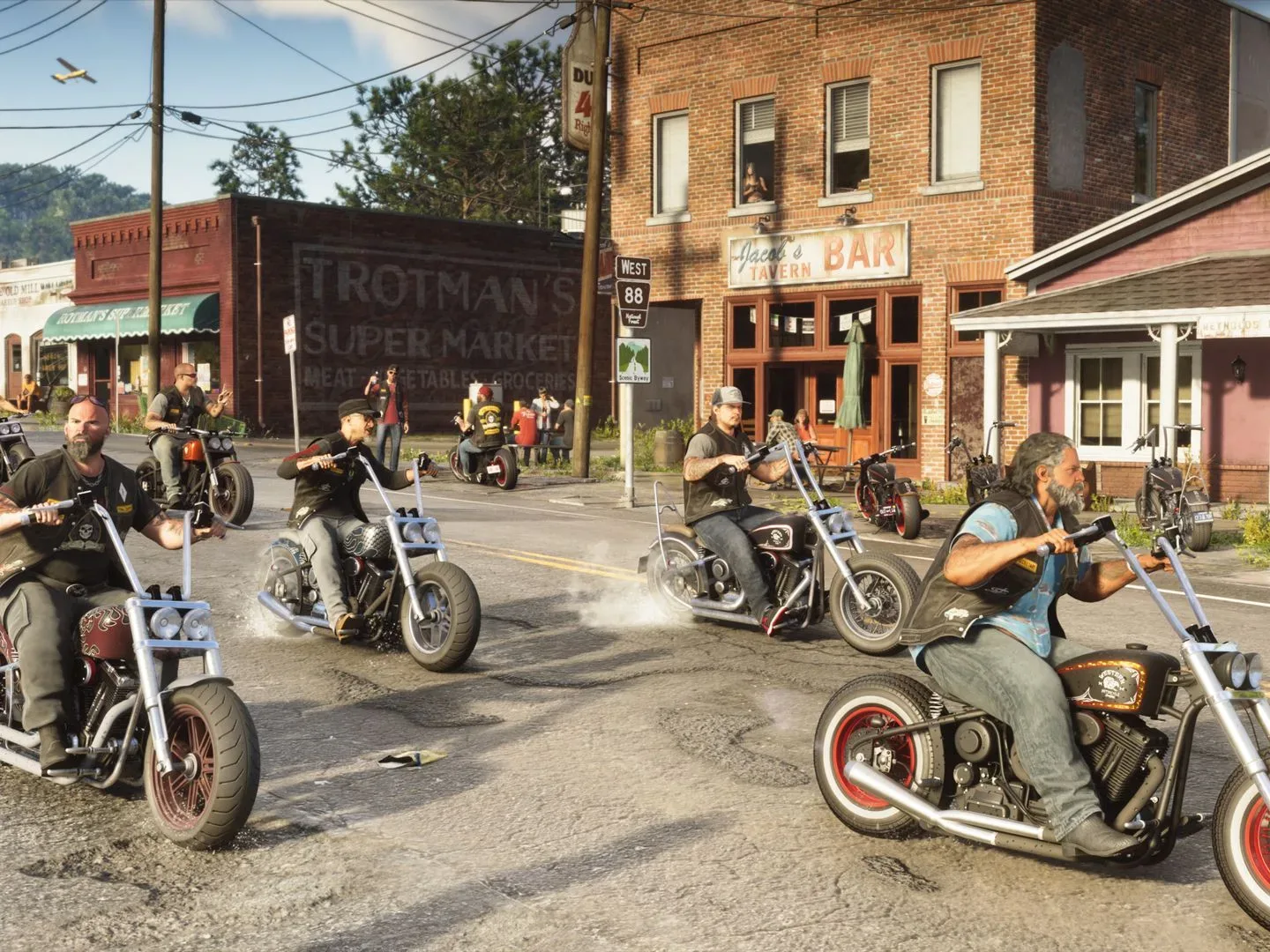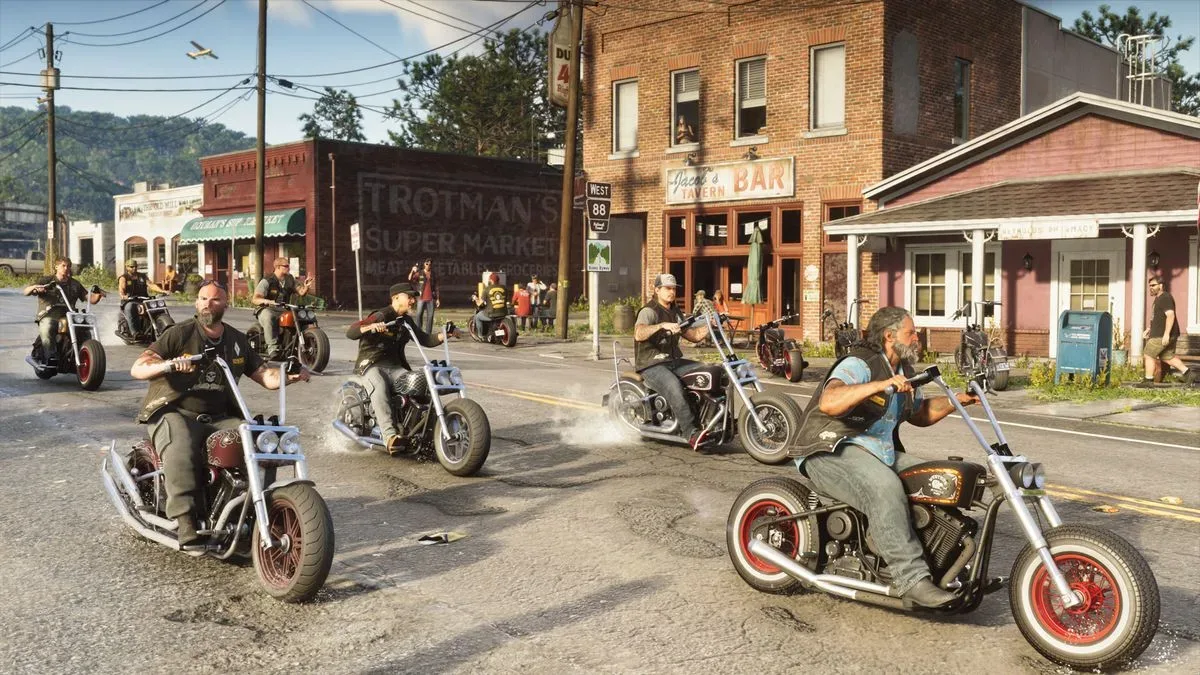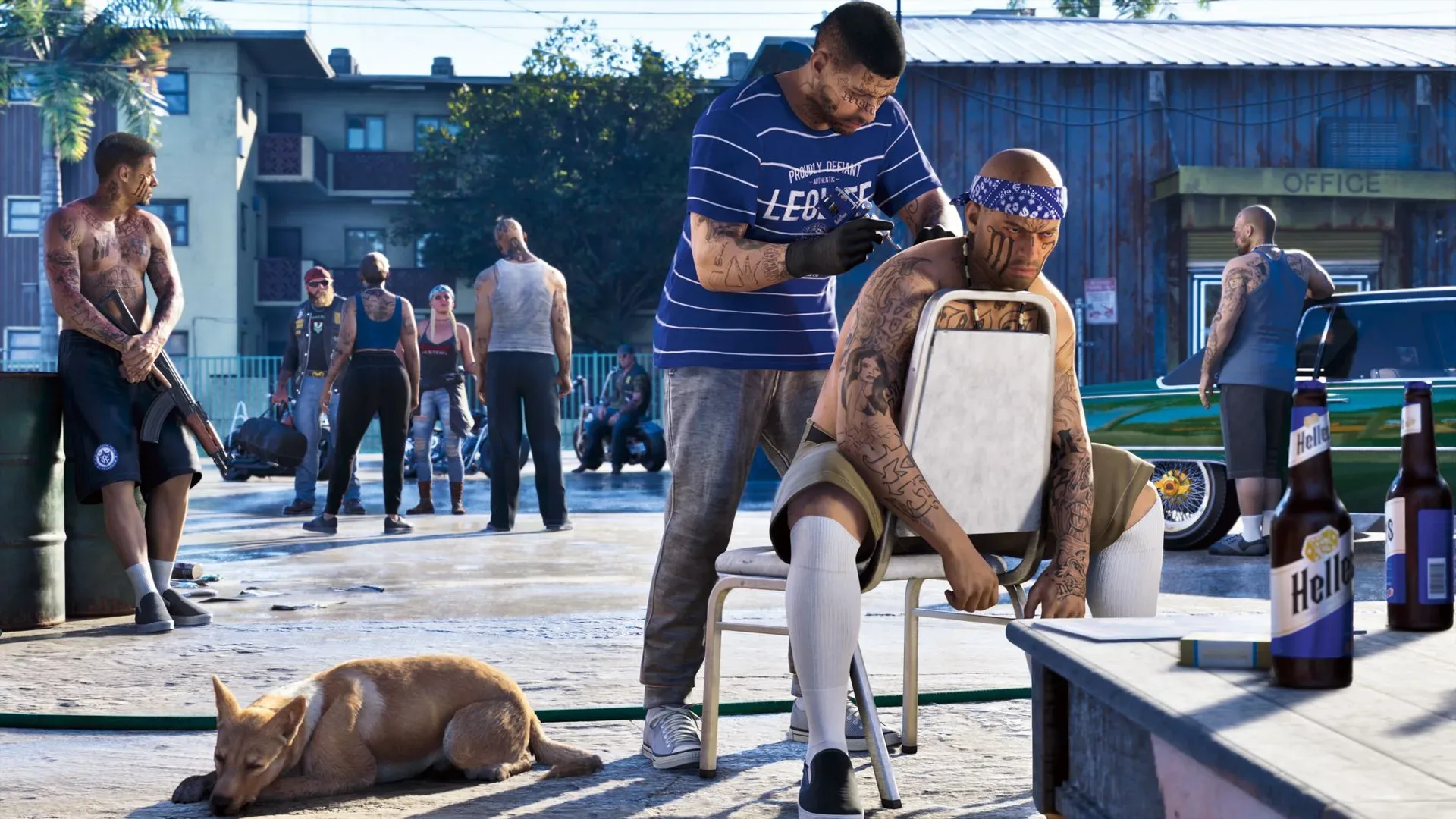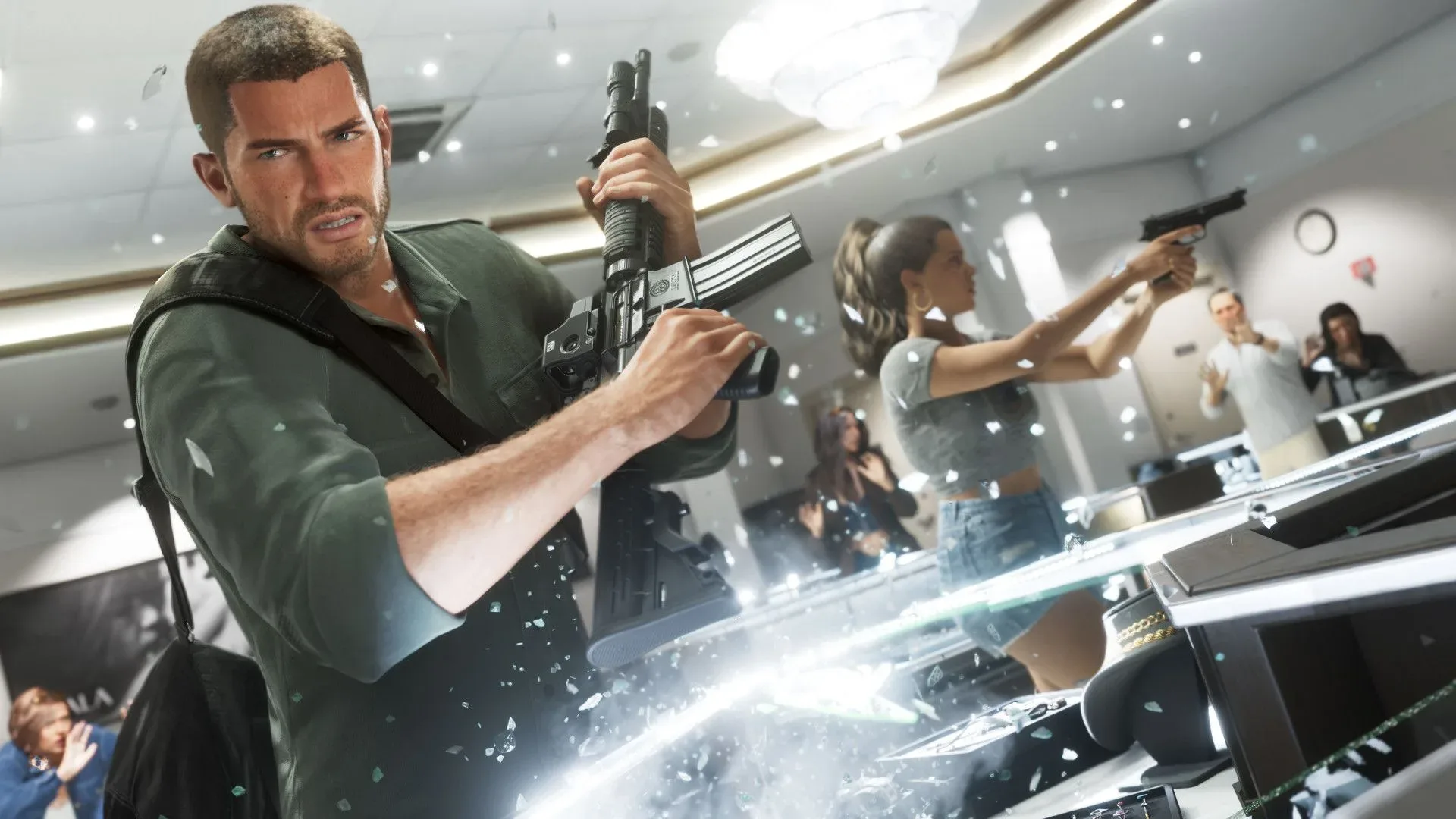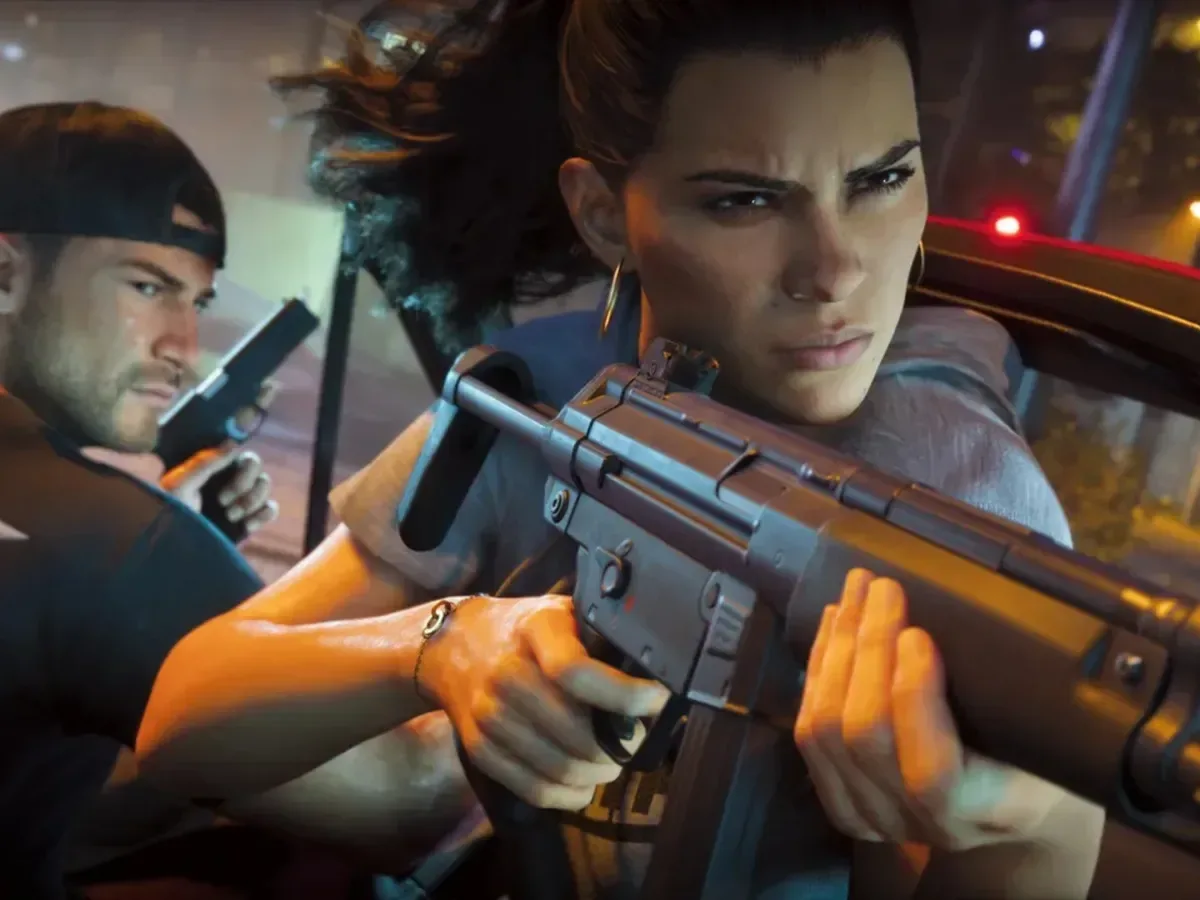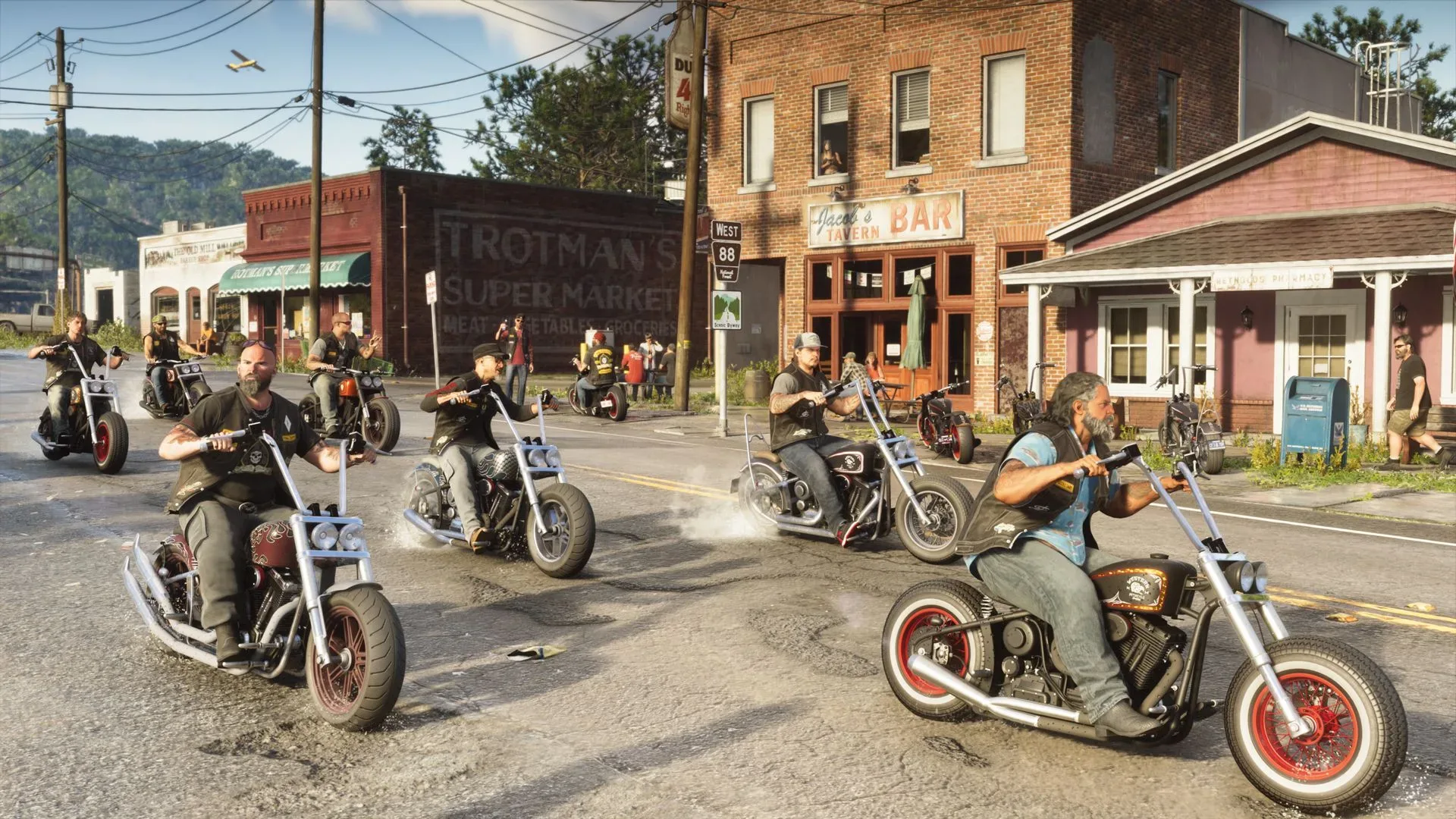
Grand Theft Auto VI is putting an enormous amount of attention into the people players may never properly meet. Rockstar Games has created roughly 600,000 animations specifically for the game’s non-player characters, or NPCs, with the stated aim of making Leonida’s pedestrians feel like distinct people rather than anonymous bodies filling out a street scene.
That number is attention-grabbing on its own, but the more consequential detail is how those animations appear to fit into GTA 6’s crowd design. A dedicated Los Angeles team worked on bringing pedestrians to life, art directing the characters and giving them personality traits that help determine their reactions. Temperament, the player’s conduct and an NPC’s own aggression level can all influence what happens when an encounter turns tense.
In an open-world game, that is a much more meaningful ambition than simply raising the headcount on screen. The defining moments are often small and unscripted: somebody taking offense, someone trying to stand their ground, a bystander escalating a situation, or a crowd behaving differently because the player has behaved differently. If the system works as described, GTA 6’s residents will not merely decorate Leonida. They will be part of the game’s moment-to-moment cause and effect.
What 600,000 animations actually suggests
An animation is a performed movement or reaction used by a character: walking, gesturing, turning away, recoiling, reaching for an object, arguing, fleeing or responding to another character. A high animation count does not automatically mean players will see 600,000 completely unrelated scenarios. Individual movements can be used across a wide range of contexts, and a game can blend or transition between them to make actions look natural.
Even so, Rockstar’s reported figure points to extensive coverage for everyday behavior. A crowd becomes more convincing when people do not react with one identical flinch, sprint or combat pose. Variation matters because repetition is one of the fastest ways for a simulated city to reveal its machinery. Seeing the same response three times in an afternoon is enough to remind a player that a pedestrian is following a compact script rather than making a situational choice.
The scale described here is especially notable because the animations are solely for NPCs. GTA games have always depended on the tension between authored missions and spontaneous street-level disruption. Players may be in the middle of a major objective one moment and dealing with the unpredictable results of a minor collision or confrontation the next. More possible animations give the game more tools to sell those interactions physically, whether the player notices every individual asset or not.
It is also worth keeping the number in perspective. Animation volume is not, by itself, a promise that every pedestrian has a fully unique life, dialogue set or decision-making model. The available information supports a focus on individual characteristics and varied reactions; it does not establish exactly how deep every NPC’s routines or relationships will be. The promising part is not a claim that every person in Leonida is a separate protagonist. It is that the city’s reactive layer appears designed to avoid feeling uniformly procedural.
Traits are the important part of the system
Procedural systems are rules that produce outcomes dynamically rather than relying entirely on one pre-authored scene. In a crowd system, they can govern where people walk, how they avoid one another, when they notice trouble and how they respond. Procedural behavior is useful because an open world contains too many possible player actions and locations for designers to manually stage every event.
Related coverage includes GTA 6 Reportedly Has 600,000 NPC Animations Built Around Individual Personality Traits.
But procedural does not have to mean impersonal. GTA 6’s pedestrians are said to have personality traits, and those traits are meant to work alongside the player’s actions and an NPC’s aggression level. That is the potentially powerful middle ground: a system capable of responding broadly to player behavior, shaped by rules that give different people different thresholds and tendencies.
Rockstar North co-studio head Rob Nelson framed the design questions in direct terms:
“Who’s going to be aggressive? How many people are going to go for a weapon? How many are going to test me?”
Those questions show that the team is thinking beyond the binary of “pedestrian runs away” or “pedestrian attacks.” A person’s temperament can affect whether they retreat, resist or provoke. Player behavior can affect whether an initially ordinary encounter stays ordinary. Aggression offers another variable: not every character who is upset has to react with the same intensity.
This does not mean that players will always be able to predict reactions. In fact, a degree of uncertainty is likely central to the intended effect. A world where every slight produces the same response can be learned and exploited quickly. A world where context and character disposition change the odds can feel more alive, while still being designed rather than random.
Why it matters for ordinary play
NPC systems are often judged in dramatic clips: a pile-up, a bizarre fight or a crowd reacting to a large disturbance. The more lasting benefit may be subtler. Players spend a huge amount of time passing strangers, driving through populated spaces, stopping at businesses and creating incidental friction. The street-level reactions in those moments determine whether a location feels like a place with its own social texture or a backdrop waiting for the next mission marker.
Distinct responses could also change the emotional tone of player actions. If pedestrians have visibly different confidence, fear and hostility, causing trouble might feel less like knocking over interchangeable props. The game can communicate consequences through behavior before any formal game-state response enters the picture. Someone recoiling, challenging the player or deciding to arm themselves conveys a different kind of escalation than an identical, immediate response from every person nearby.
There is a practical design challenge here. Variability must remain readable. Players need enough feedback to understand why a situation is changing, even if they cannot predict every response with certainty. Animation helps with that readability: posture, movement and gestures can signal caution, anger or panic without requiring a tutorial to explain every NPC trait. That appears to be one reason such a large performance library can matter. It is not only about visual polish; it can make the logic of a reactive world legible in motion.
The broader role-playing ambition around GTA 6 has also been framed as choice rather than an exhaustive activity checklist. That approach to player choice fits naturally with a population built to answer actions in more individualized ways. Choice gains weight when the world does something recognizable with it.
Art direction versus a crowd generator
One revealing aspect of the report is that the NPCs were art directed, rather than being presented as a purely automated crowd solution. Technology can place large numbers of people in an open world, but art direction decides what those people communicate: how they look, move, occupy space and react in a way that matches the game’s setting and tone.
That distinction matters for a fictional state as visually and socially dense as Leonida is positioned to be. Players are not simply counting people on sidewalks. They are reading a city through its residents. An art-directed pedestrian population can make different spaces feel intentionally inhabited rather than algorithmically populated, even when the underlying game still needs systemic rules to manage large crowds.
The approximately 600,000 animations also suggest a production process built around a great deal of authored specificity. Such work can include performance capture, hand-crafted adjustments and implementation work that tells the game when and how each movement should play. The exact production breakdown has not been detailed here, so it would be wrong to assume how every animation was made. What is clear is that Rockstar is describing NPC behavior as a major authored undertaking, not a minor technical afterthought.
A useful warning on the reported 210GB size
The animation figure has prompted understandable speculation about GTA 6’s storage demands. One claim circulating from a PlayStation Store tracker puts the game at 210GB. That figure should be treated as unconfirmed reporting rather than a finalized requirement from Rockstar.
File size can matter for players, particularly where storage management and download time are concerned. But it is also easy to draw overly simple conclusions. A larger game install does not prove that any one asset category—NPC animations, map data, audio, textures or cinematics—is responsible for the total. Nor does the 600,000-animation figure establish a direct calculation for the game’s final footprint. Games use compression and asset-streaming techniques, and the final size can change before launch.
For now, the sensible takeaway is preparation rather than panic: players interested in GTA 6 may want to watch for official platform storage information when it is provided. Until then, 210GB is a claim to monitor, not a specification to treat as settled.
The real test will be consistency
It is tempting to turn a figure as huge as 600,000 into a promise that every trip through Leonida will expose a completely novel reaction. That is neither realistic nor necessary. Open-world systems become memorable when their detail is distributed well: enough variation to support repeat play, enough logic to make outcomes understandable, and enough authored character to stop the population from blending into one response loop.
Rockstar’s description gives GTA 6 a compelling target. Players could encounter pedestrians whose behavior is influenced by who they are, what the player does and how willing they are to escalate. That is a stronger idea than sheer crowd density, because it treats NPCs as participants in the city’s social simulation.
There will still be limits. Every game must define what its people can notice, how long they remember events and how far reactions spread. None of those boundaries are explained by an animation count alone. But the reported work suggests Rockstar is investing heavily in the detail most likely to make a giant world feel reactive at human scale: the awkward, volatile and often funny behavior of people on the street.