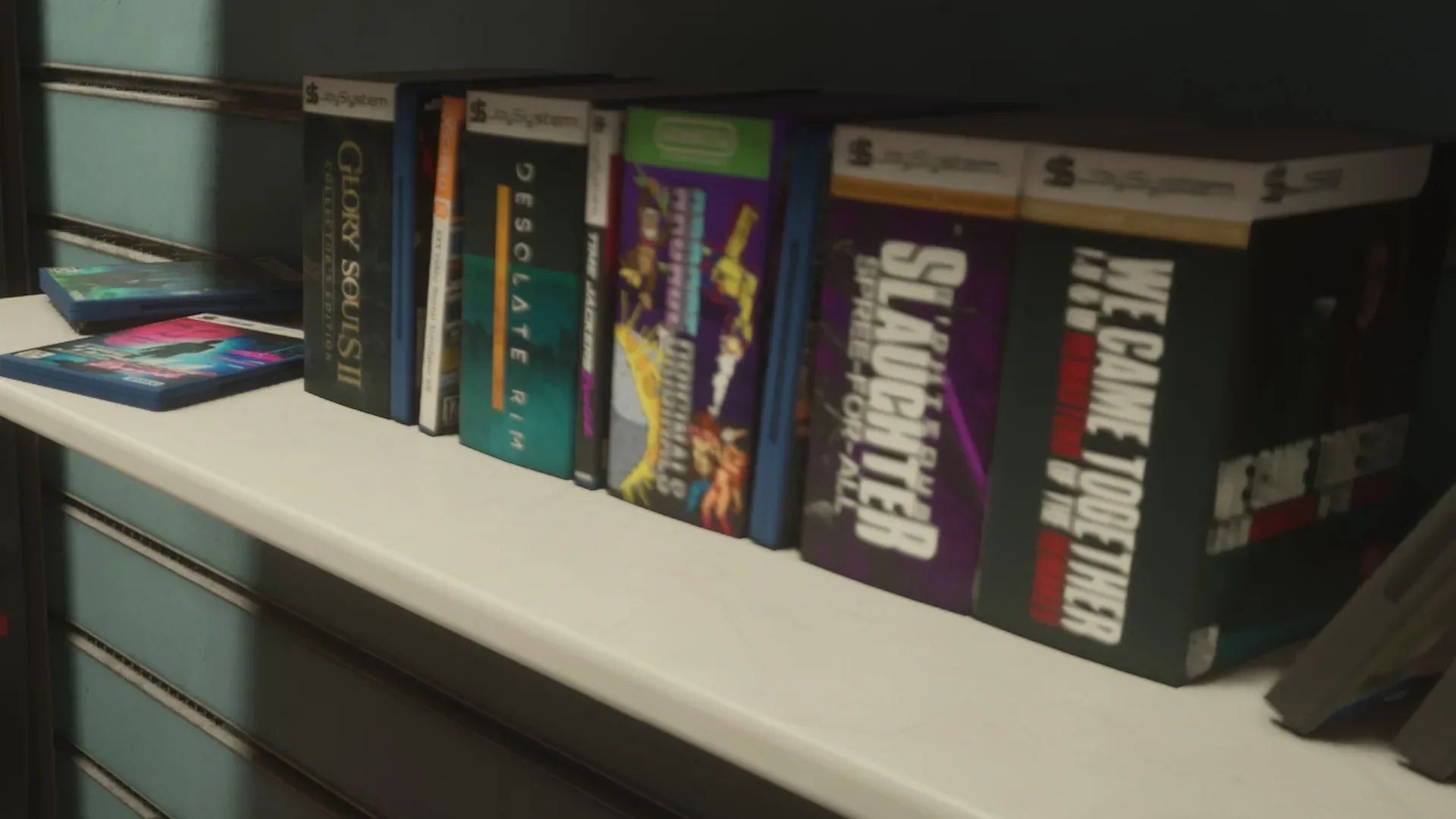
Grand Theft Auto 6 has tucked one of its more pointed industry jokes into an electronics-store game shelf. At Game Horde in Port Gellhorn, players can find a fictional title called We Came Together: Remasters of the Remakes. The broad logo treatment makes the intended comparison clear: it is a spoof of The Last of Us, while its subtitle is the punchline aimed at the modern appetite for refreshed editions.
The joke is not presented as a major mission beat or a playable release within the game. It is environmental satire: a prop placed in a shop for observant players to inspect. That makes the gag appropriately self-contained. Anyone who recognizes the series being parodied can read the title and immediately understand the criticism—then carry on with GTA 6’s larger world.
Game Horde’s shelf includes other intentionally familiar-looking games, too. Righteous Slaughter is a clear riff on Call of Duty, while Glory Souls III twists the Dark Souls naming convention into a more adult joke. Together, the fake boxes establish that the store is not merely selling generic fictional software. It is a venue for GTA’s familiar brand of distorted, recognizable pop-culture commentary.
Why “Remasters of the Remakes” is the important part
We Came Together alone would be a straightforward title pun. Adding “Remasters of the Remakes” turns it into a joke about product cycles rather than simply a joke about a famous post-apocalyptic series.
The distinction between the terms matters:
- A port generally brings an existing game to another platform, often with changes needed for the new hardware.
- A remaster refreshes a prior release, commonly through improved presentation, performance, or technical updates while retaining its underlying identity.
- A remake reconstructs an earlier game more extensively, potentially updating its technology, assets, systems, or design to meet a newer standard.
The fake title deliberately stacks those labels until they sound absurd. It imagines a product category so far removed from a plainly new entry that its most notable feature is its place in a chain of revisions. GTA 6 does not need to explain the target in dialogue; the subtitle does the work.
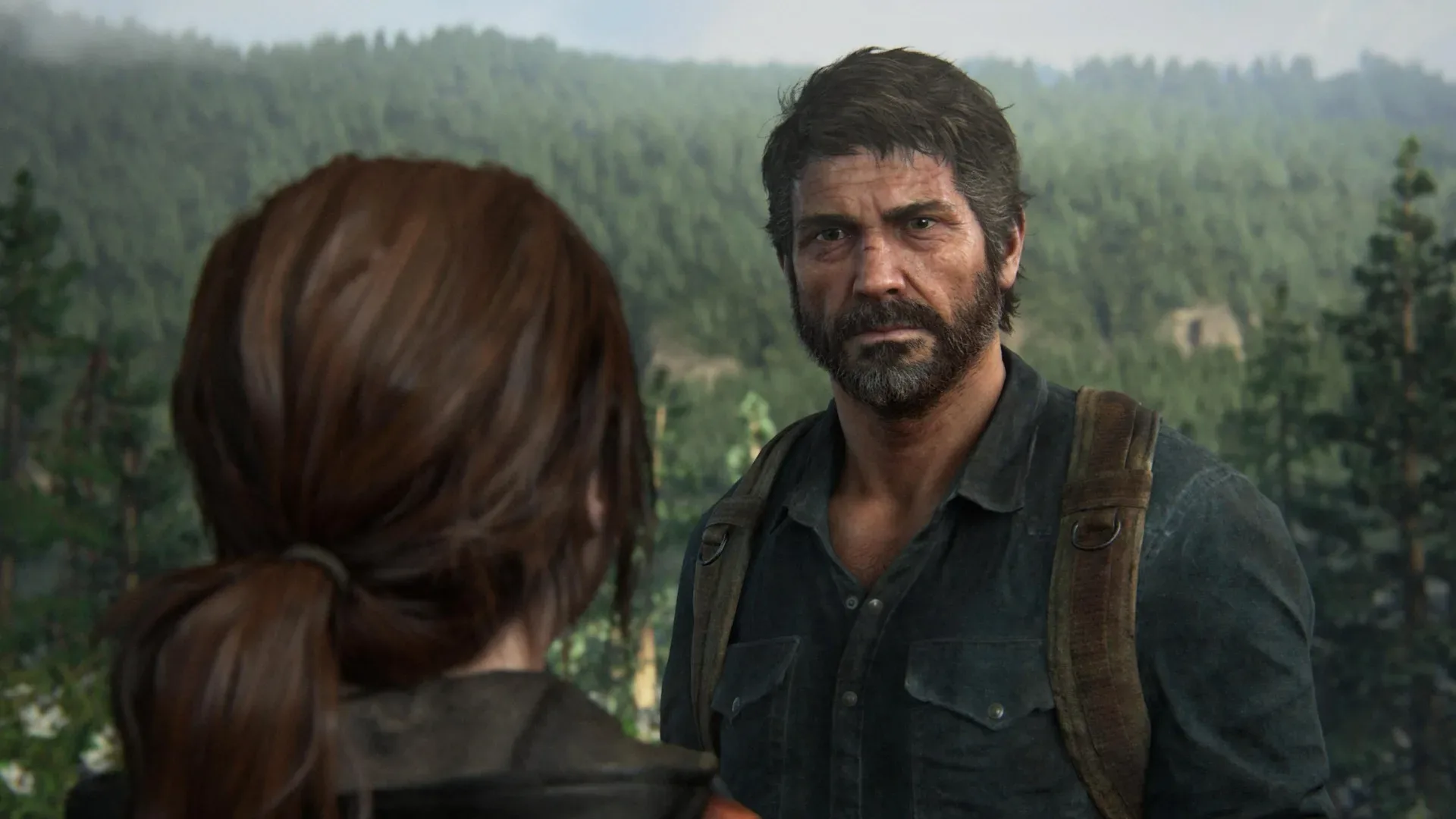
The setup has a recognizable real-world basis. During the PS5 generation, Naughty Dog remade the first The Last of Us for PS5, remastered The Last of Us Part II for the same system, and later collected those versions in a Complete edition. Meanwhile, the newest wholly new game in that universe identified here remains 2020’s The Last of Us Part II.
That does not make the Game Horde item an official statement about Naughty Dog’s development plans. It is a fictional box and a comic exaggeration, not a formal critique or confirmation of anything. But it turns a long-running audience complaint—the sense that beloved games can return in ever more polished packages—into a joke that fits naturally on a retail shelf.
A small detail with a very GTA approach to satire
Grand Theft Auto has long used in-world brands, advertisements, entertainment, and retail objects to create a heightened version of familiar culture. The Game Horde shelf applies that method to game publishing itself. It is a fitting target because the fictional storefront lets GTA 6 mimic a real consumer encounter: browsing boxes, scanning logos, and seeing a supposedly premium release sold through a very familiar kind of label.
The humor also relies on players recognizing more than one layer. First comes the visual association between We Came Together and The Last of Us. Then comes the subtitle, which reframes the box as a joke about multiple generations of re-release. Finally, the shelf’s neighboring spoofs signal that the entire display is built around warped versions of real gaming touchstones.
It is the sort of reference that rewards curiosity instead of demanding attention. Players who never stop at Game Horde can miss it without losing plot context. Those who do examine the store get a compact joke that says something about the business around blockbuster games as much as it says something about one particular franchise.
That approach distinguishes an easter egg from a core narrative reference. The detail is optional, it has no stated gameplay effect, and the fictional title cannot be played. Its value is observational: it enriches the setting and gives players another reason to look closely at the world’s manufactured products.
Rockstar is not above the same kind of teasing
The jab is also knowingly ironic. Rockstar spent the long gap between Grand Theft Auto V and Grand Theft Auto 6 bringing Grand Theft Auto V to new platforms. The distinction suggested by the Game Horde gag is that those releases were more directly framed as ports, rather than repeatedly sold under a progression of “remake” and “remaster” terminology.
Still, the broader point lands both ways. A publisher can make fun of a competitor’s reissue language while having its own history of keeping a major title active across hardware generations. That tension makes the reference sharper, not weaker. GTA’s satire tends to work best when it is willing to mock systems that its own creators inhabit, including the hype, branding, and familiarity-driven commerce surrounding blockbuster entertainment.
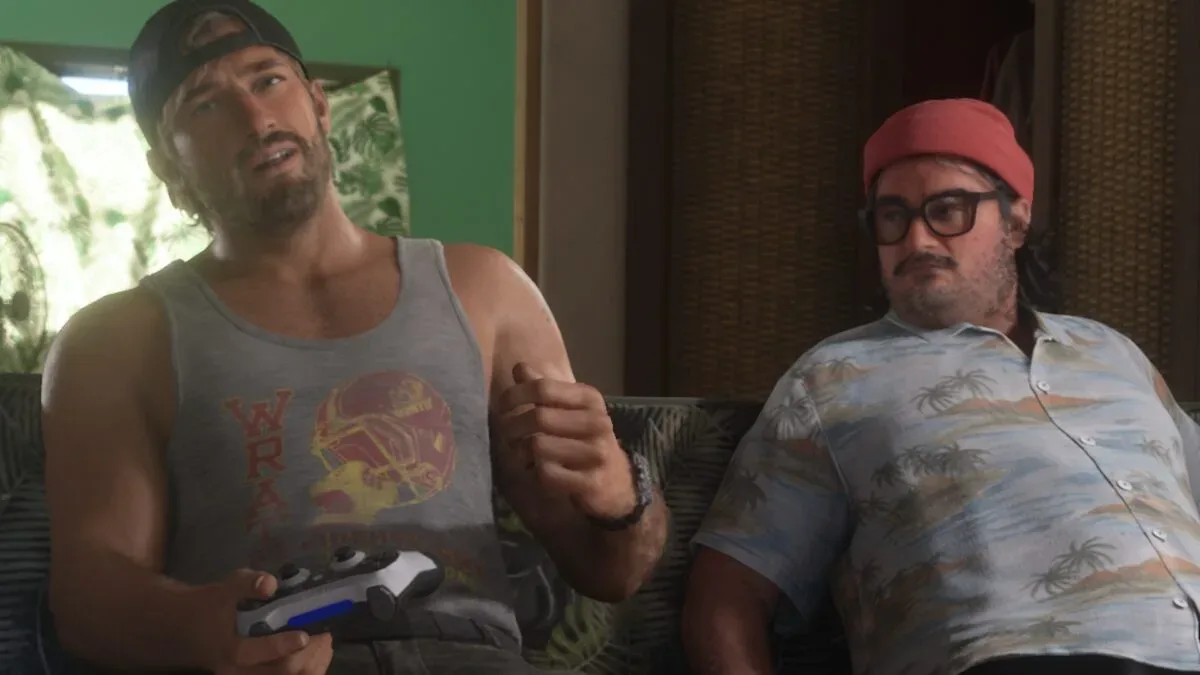
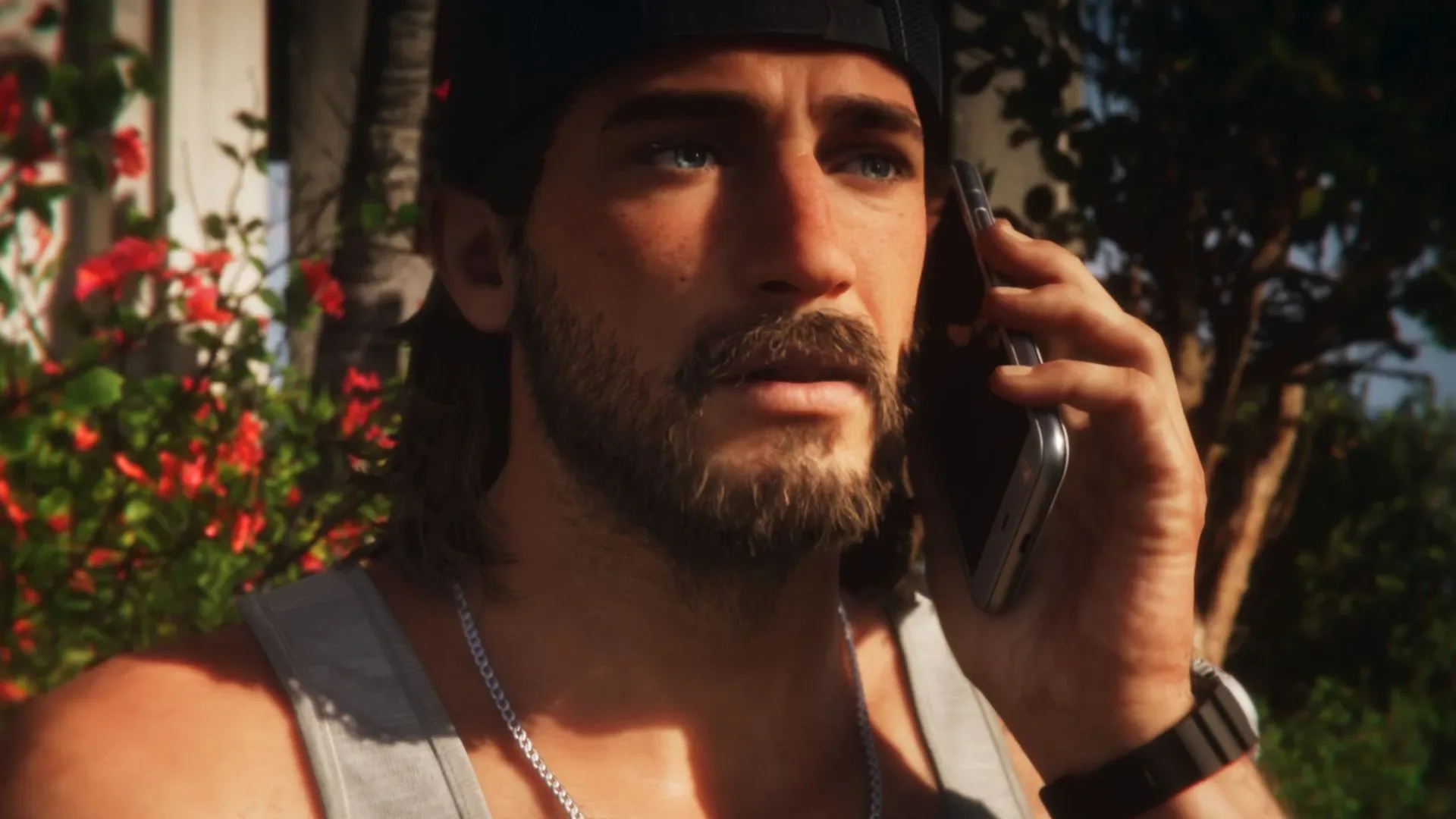
For players, the practical takeaway is modest: We Came Together: Remasters of the Remakes is a discoverable visual gag, not evidence of a playable Last of Us parody or a crossover. There are playable in-universe games elsewhere in GTA 6 that similarly lampoon real developers and genres, but this particular box is part of the store décor.
What the reference says about GTA 6’s background detail
References such as Game Horde’s shelf show how GTA 6 uses mundane commercial spaces to build texture. An electronics store is an especially useful setting for this kind of joke because packaging, titles, slogans, and fake branding can communicate a complete parody in seconds. A player does not need a cutscene, an explanation, or a character’s approval to get it.
It also gives the world a sense of internal culture. Port Gellhorn is not just a place with roads and missions; it has its own stores and products, even when those products are designed to wink at the player. The best of these details work on two levels: they make the fictional setting feel stocked and lived-in, while their altered names invite the audience to map them back onto reality.
For more on the game’s other background-story details, see the report on GTA 6’s Niko Bellic cameo and shipping-cartel story.
In this case, Rockstar’s wordplay is blunt enough to be understood but tucked away enough to remain a reward for looking. We Came Together is not subtle about the game it is mimicking. “Remasters of the Remakes” ensures it is equally clear about the habit it is ribbing: returning to the same successful games often enough that the label itself becomes the joke.