
Major story spoilers for Grand Theft Auto VI and Grand Theft Auto IV follow. If seeing legacy characters for the first time in-game matters to you, this is the point to reverse the car, ignore the waypoint and come back later.
Niko Bellic’s late-game appearance in Grand Theft Auto VI was not apparently a case of Rockstar beginning with a nostalgic shopping list and working backward. Rob Nelson, the studio’s head of production, has explained that the return of the Grand Theft Auto IV protagonist emerged naturally from the requirements of GTA 6’s own story: a wealthy shipping figure, his criminal connections, and a Balkan cartel that needs someone credible to enforce its interests.
That distinction matters. A cameo can be an interruption, arriving chiefly to prompt applause. This one is presented as an answer to a narrative question: Giorgio has made a serious mistake, the cartel needs to respond, and the person sent to deal with him is Niko. The surprise lands because the character fits the situation as well as he fits the series’ long history.
How the shipping plot led to Niko Bellic
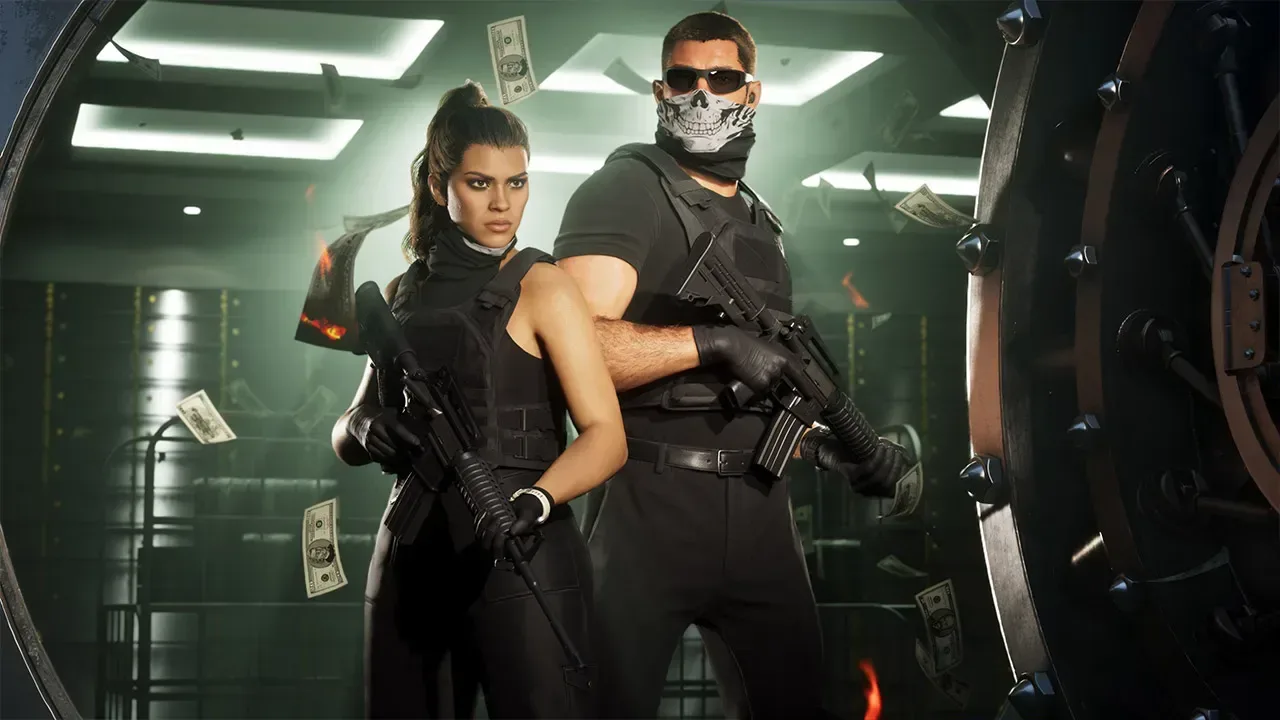
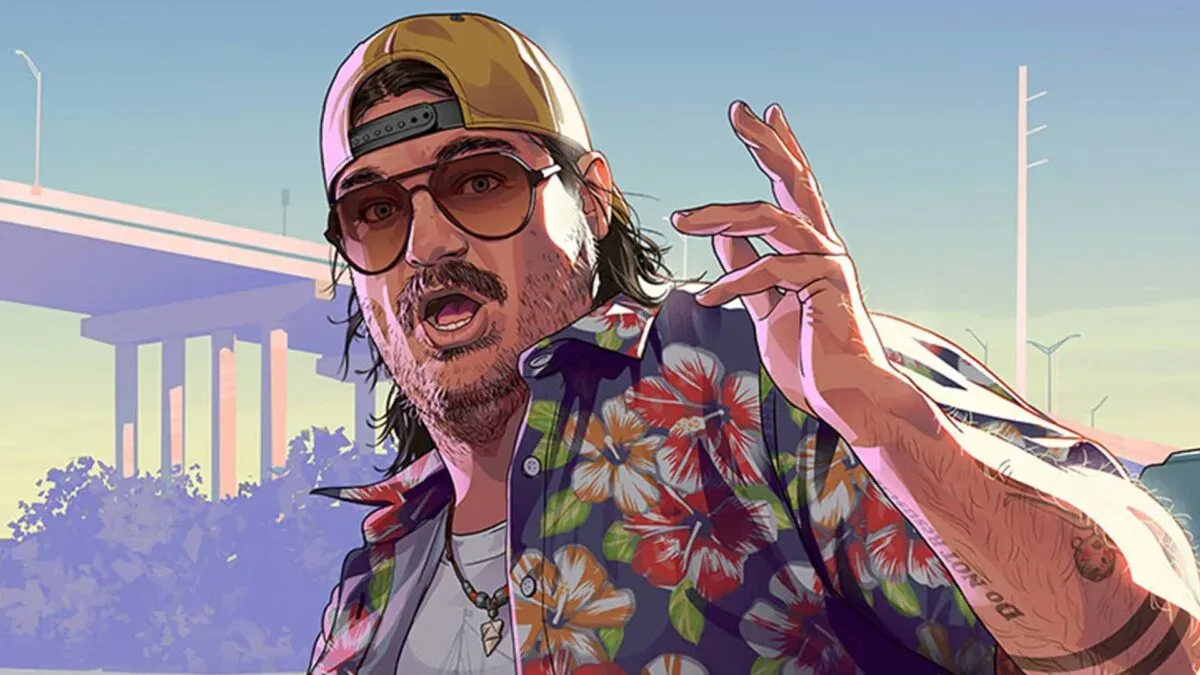
Near GTA 6’s final stretch, Jason and Lucia become involved with Giorgio, a rich shipping magnate who is connected to Eastern European criminals. Giorgio is not characterized as a conventional career criminal; he is a wealthy operator whose business has put him in league with criminals. When his situation deteriorates, he works with Jason, Lucia and others on an operation to recover cocaine seized by the Coast Guard.
The stakes are substantial. The in-game haul is 20 tons of cocaine, a number tied to research into allegations surrounding Italian shipping companies and drug-smuggling operations connected with gangs in South America. Nelson said that a real vessel associated with such a company had reportedly been carrying that same quantity when U.S. authorities raided it. GTA 6 repurposes the scale of that scenario for Giorgio’s predicament rather than treating the shipping world as mere scenery.
That foundation created an obvious need for a cartel representative. Giorgio’s failure cannot remain a private business headache when a larger Balkan organization is involved. Somebody must arrive with the authority to judge him, threaten him and decide whether he receives another chance to fix the damage. Niko fills that role.
“When Giorgio fucks up, who’s going to come down to deal with him? And I got an idea,” Nelson said of the thought process behind the character’s inclusion.
The explanation is especially useful because it defines what the appearance is not. Niko was not initially baked into the plot. The production team had Giorgio and the broad Balkan-cartel element, then found that the established GTA character who could plausibly occupy the enforcement role was Niko. That is a more grounded route to a returning protagonist than inserting him into Jason and Lucia’s story simply because players know his name.
What the cameo says about Niko’s life after GTA IV
Nelson described Niko’s story as having been left open following GTA IV. In the most direct update offered by the GTA 6 appearance, Niko is still active and will return to Liberty City, which has been his home since the 2008 game. Michael Holick, Niko’s original voice actor, also returned for the role.
For a character whose original story was so closely bound to a new life in Liberty City, that detail gives the cameo a sense of continuity without transforming GTA 6 into a sequel centered on him. Niko comes to GTA 6’s setting because cartel business calls for him, then goes back to the city most closely associated with his own chapter. He has not been repositioned as a permanent companion to Jason and Lucia or a newly installed fixture of their plot.
There is also an important restraint in the material. The appearance does not establish which GTA IV ending is canonical. “Canon” in this context means the version of events later stories treat as the official continuity when a game has mutually exclusive endings. GTA IV gave players consequential choices, so a later Niko appearance could have been used to declare one route definitive.
It was not. Nelson declined to identify a canonical GTA IV ending and noted that neither of Niko’s GTA 6 cutscenes contains dialogue or actions that settle the question. That makes the cameo an update on Niko’s present circumstances, not a retroactive ruling on a player decision from GTA IV.
For players attached to different endings, this is a practical advantage. They can read Niko’s survival and continuing involvement in criminal affairs as compatible with the uncertainty GTA IV deliberately left behind, rather than being told their prior choice has been overwritten by a single official answer.
The old mission jingle is doing more work than a wink
After the cameo cutscene, GTA 6 plays GTA IV’s mission-complete jingle in place of one of its own completion stingers. A stinger is a short burst of music or sound used to punctuate an event—here, the end of a mission. It is a small production choice, but it gives the scene a sharp audio identity.
Nelson said the musical callback came late. The scene initially used a normal GTA 6 stinger, but the result did not feel right. The team then replaced it with the GTA IV cue. In a scene built around a returning lead character, the older sound does more than announce completion: it briefly places the player in Niko’s emotional and musical territory before GTA 6 moves on.
That is a better use of recognition than overexplaining the past. The cue does not need to summarize GTA IV, identify a canon ending or turn the cutscene into a retrospective. Players who recognize it receive the extra charge of association; players who do not still hear a deliberately placed closing flourish. Its late addition also illustrates how some of the most effective continuity gestures can come from editing and presentation rather than a larger rewrite.
Why this return is a particularly neat fit
Niko’s placement works because the character arrives at the intersection of several established elements: international shipping, an Eastern European criminal network, a damaged deal and the cartel’s need for consequences. His role is specific. He is not there to become Jason and Lucia’s mentor, to resolve GTA 6’s main conflict by himself, or to take over the heist. He is the high-level figure dispatched when Giorgio’s mistakes become too expensive to ignore.
That narrowness preserves the focus of the newer game. Jason and Lucia remain the characters navigating the plan to reclaim the Coast Guard’s seized cocaine. Giorgio remains the desperate magnate caught between wealth, logistics and the criminals he has enabled. Niko’s arrival raises pressure by demonstrating that the organization above Giorgio is real and capable of sending a familiar, intimidating answer.
It also makes the cameo feel compatible with Niko’s established status without requiring a detailed accounting of every year between games. GTA 6 only needs to establish that he is alive, still in play, and connected enough to be sent on this job. Everything else is intentionally left at a distance.
That approach is a useful reminder that continuity is not always about filling every blank. Sometimes it is about knowing which blank should remain blank. GTA 6 confirms Niko’s continued existence and Liberty City connection while leaving GTA IV’s final choice unresolved. It gives returning players a recognizable voice and musical cue, while ensuring the narrative reason for the scene begins with Giorgio’s present-day disaster.
Spoilers, speedruns and the challenge of preserving a surprise
Nelson had hoped the appearance would stay under wraps for at least a while. It did not: videos of Niko’s return were posted less than three days after GTA 6 launched, helped by players rapidly reaching the game’s late missions. That outcome is familiar territory for story-heavy games, where a single cutscene can become globally visible almost immediately.
For players still making their way through GTA 6, the practical takeaway is simple: mute terms, avoid recommendation feeds and be cautious around late-game clips if surprises matter. This particular moment is built to reward discovery, and it is difficult to recreate that first reveal once its central fact is known.
For everyone already spoiled, the development story provides a different pleasure. Niko’s return was not simply a legacy-character button pushed at the start of production. It grew out of the plot’s own logic, retained ambiguity where GTA IV had left it, brought Michael Holick back to the role, and was capped by a late audio choice that let an older GTA mission-complete sound briefly take the wheel.
For more GTA 6 discussion centered on how a major score can be only the first half of the job, see this look at why the getaway matters more than the vault.