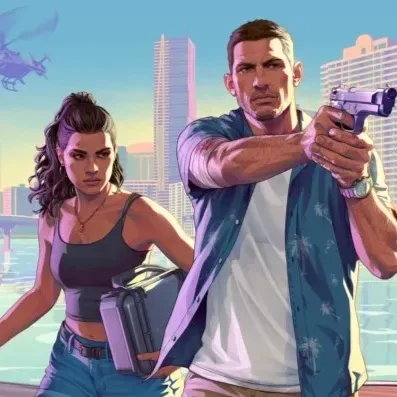
Grand Theft Auto VI’s full credits are now available online, offering a rare view of the massive group behind the game—and an equally good reason for spoiler-conscious players to look away. Credits may seem like harmless post-game housekeeping, but a detailed cast list can disclose more than who performed a familiar role. Character names, role descriptions and the order in which names appear can all imply narrative developments that some players will prefer to discover naturally.
The safest approach is simple: anyone still early in GTA 6’s story should avoid scrolling through the complete credits page, particularly the cast section. The credits include a major story spoiler in plain sight. This article will not repeat it.
What the credits do confirm without spoiling the story
The published list gives proper recognition to an enormous development team, with roughly 6,000 names estimated across the page. That scale encompasses Rockstar Games, its parent company Take-Two, and the wide range of disciplines needed to build a game of GTA 6’s scope. Credits are not merely a roster of actors and executives: they are a record of the people whose technical, creative, production and support work reached the shipped game.
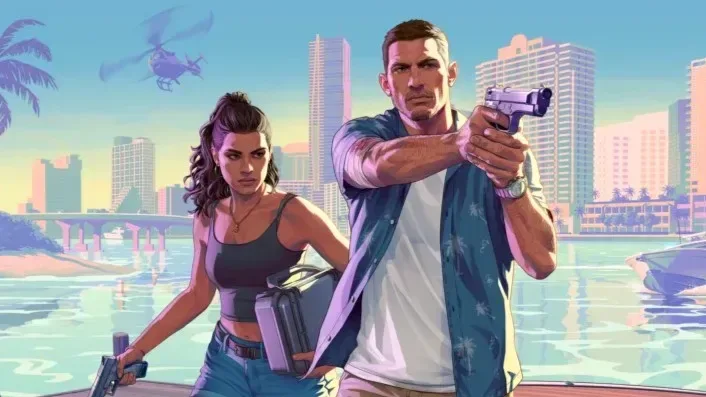
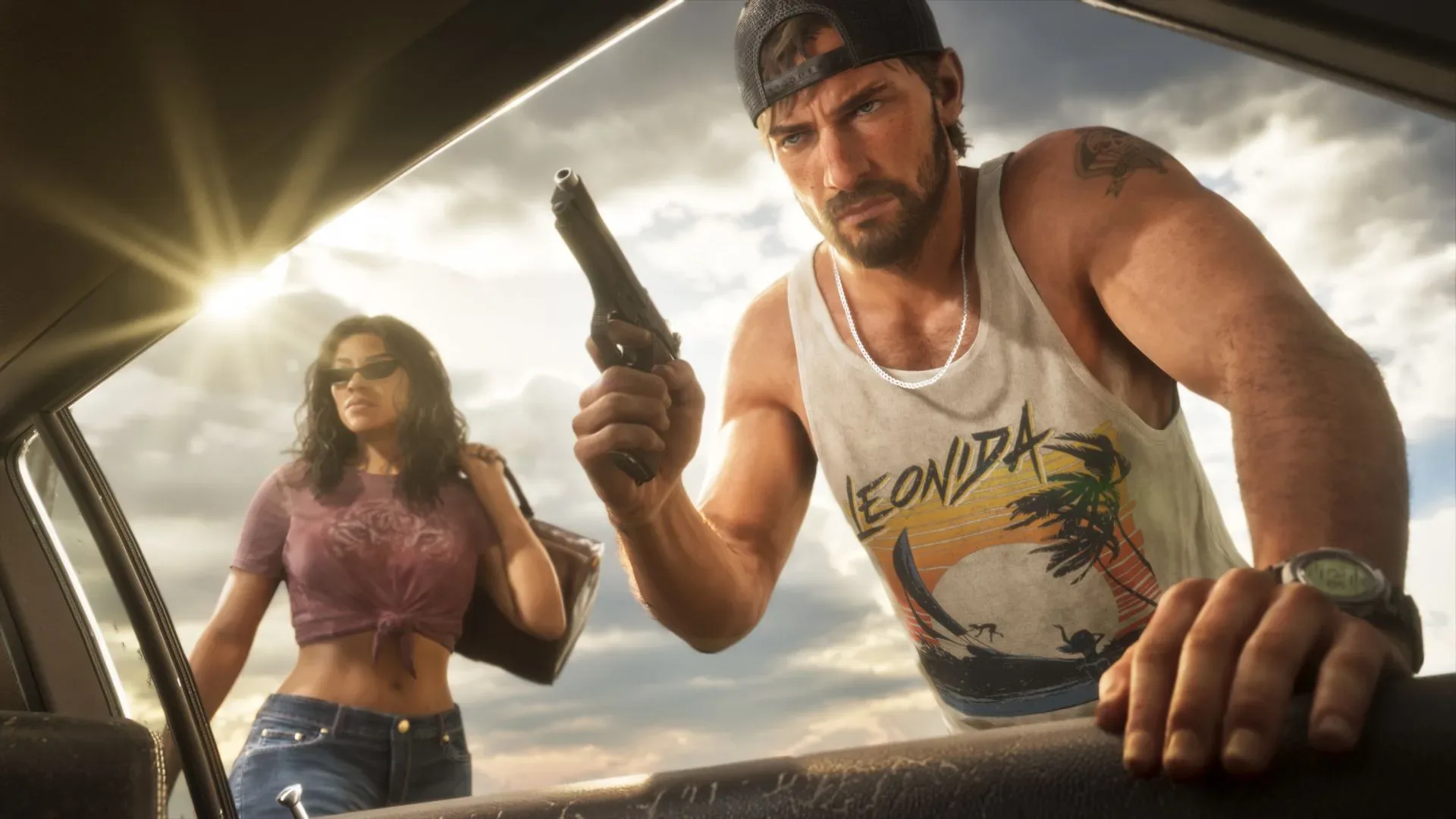
Several central casting details are now clear. Manni L. Perez plays Lucia Caminos, one of GTA 6’s principal characters, while Dylan Rourke plays her partner-in-crime, Jason Duval. The disclosure settles the identities behind the two leads while leaving players free to form their own impressions of the characters’ relationship and arc in the game itself.
The wider supporting cast includes Brad Carter as Donnie, Bobby Moynihan as Cal, Stephen Root as Brian Heder, Orlagh Cassidy as Lori Heder, and Machel Montano as Kenton Rees. These names establish the breadth of the acting ensemble, but players should remember that even apparently minor character labels can be revealing when they are encountered outside their intended context.
Why a credits list can spoil a game
A spoiler is information that removes, or materially changes, the surprise of a plot point before a player reaches it. In a game, that can mean a character’s fate, a late-game appearance, an identity reveal, or simply confirmation that someone matters more to the story than their early scenes suggest.
Credits create a particular kind of risk because they are comprehensive. A trailer is designed to control what the audience sees and when. A full credits page has a different job: it aims to acknowledge contributors and performers. The resulting list can put a name and a role next to one another with no concern for the order in which the audience learns that information.
This does not make the credits inappropriate or mistaken. Public credit is important professional recognition, especially on a production involving thousands of people. It does mean that players should view them as reference material rather than spoiler-free reading. A person checking a single performer’s name may accidentally encounter unrelated character information simply by scrolling a little farther.
Related coverage includes GTA 6 Credits Go Live With a Serious Spoiler Warning for Players.
A practical spoiler-avoidance checklist
- Do not search the complete cast list if you have not finished the main story.
- Avoid social posts, screenshots and videos that reproduce role names from the credits without warnings.
- If you only want to confirm the two protagonists’ performers, stop after the confirmed Lucia Caminos and Jason Duval information.
- Be careful with autocomplete and search snippets, which can surface cast details without context.
- When using guides, choose pages focused on a specific mechanic or objective rather than broad story summaries.
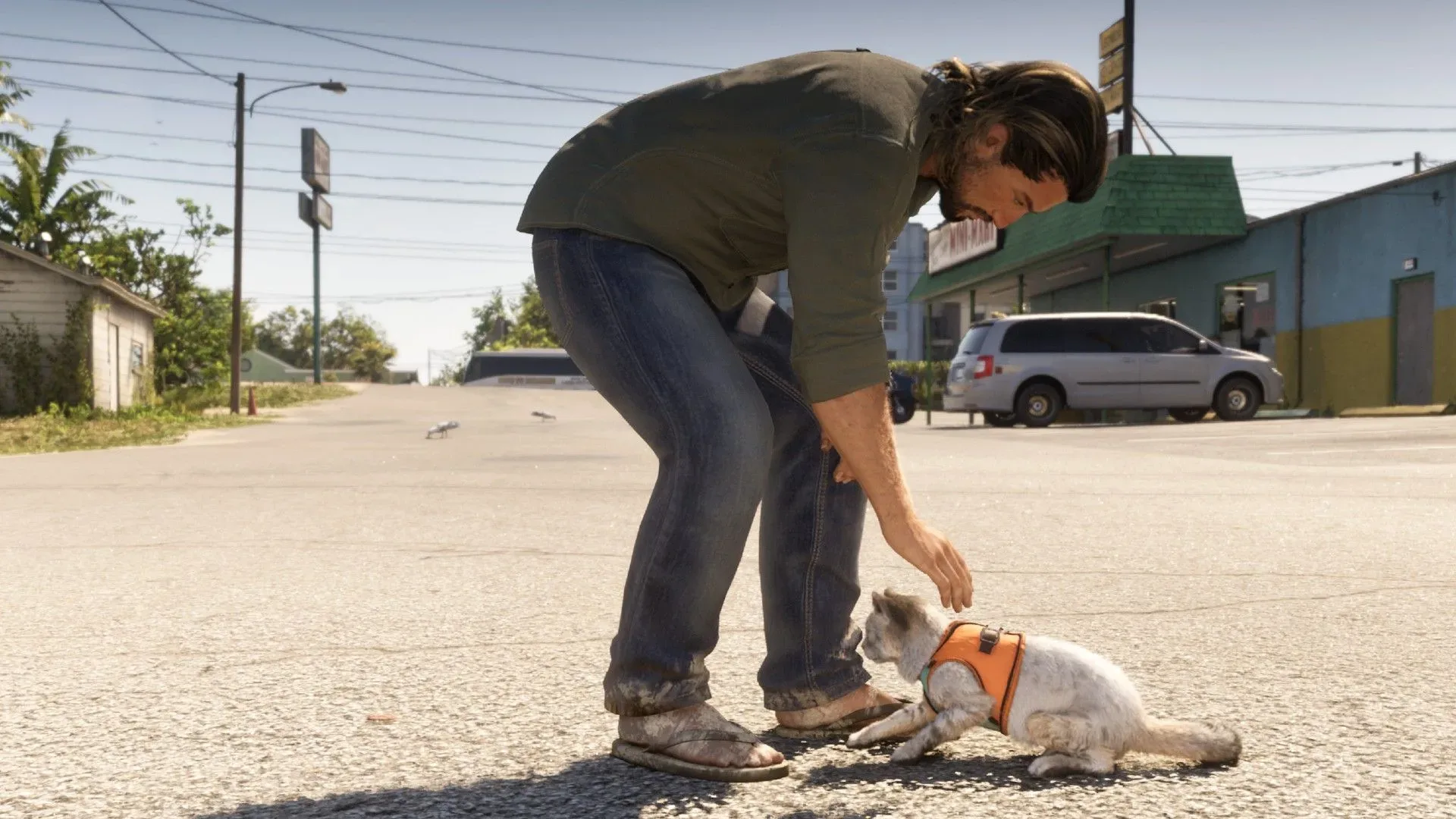
For players looking for narrowly focused help rather than cast information, our guide on how to pet dogs and cats in GTA 6 and use the Study interaction is a more targeted place to start.
The celebrity and radio lineup
The credits also identify a high-profile collection of performers attached to GTA 6’s radio world and other roles. “Weird Al” Yankovic is listed as DJ Al; Brigitte Nielsen as Madame Brigitte; Bad Bunny as El Martillo; Jeremy Irons as DJ Dicky; and Keith Richards as DJ Keith. Gloria and Emilio Estefan appear as themselves, while Brian Posehn is credited as Big Fan Brian.
Radio has long been a useful part of the Grand Theft Auto atmosphere: it gives the player something to hear while driving and helps populate the fiction beyond mission scenes. The cast list indicates that GTA 6 continues to treat those audio spaces as an area for prominent guest performers. Still, a credit confirms participation, not the size of a performance, the amount of material recorded or precisely where it is encountered. Players should resist reading more into a role title than the credit itself establishes.
The inclusion of artists and actors from different parts of music, comedy, television and film also reflects how large an ensemble can become in a modern open-world production. Celebrity involvement can be memorable, but the credits’ more consequential message is the scale of the full workforce: recognizable names occupy a very small fraction of a list made up largely of developers and production staff.
Leadership names and notable absences
At the development leadership level, Rockstar Games founder and executive producer Sam Houser appears in the credits alongside head of publishing Jennifer Kolbe and co-studio heads Rob Nelson and Aaron Garbut. The list also includes 34 employees who were fired by Rockstar the previous year amid controversy. Their presence matters because a finished game often represents work completed over many years and by people whose employment status may change before release.
Two absences are also notable. Dan Houser, Rockstar co-founder and Sam Houser’s brother, is not credited. He left Rockstar in 2020, even though GTA 6’s early development had already begun by then. The game is the first major 3D Grand Theft Auto release without his name in the credits. Leslie Benzies is not listed either; he had departed earlier, in 2016.
Credits should not be used to infer unlisted creative involvement. They show the formal acknowledgements supplied for the released project, not a complete narrative of every conversation, early concept or organisational change that occurred during development. What can be said from the list is narrower: GTA 6’s final credits identify the people and leadership recognised for this release, and they do not include Dan Houser or Benzies.
What the huge credit roll says about the project
A list of around 6,000 names is a reminder that a game of this size is not the work of a small, isolated studio team. Even without breaking down every department, the underlying reality is clear: major releases require extensive coordination across creative, technical, publishing and operational functions. The credits provide visibility for that collective effort in a way marketing materials rarely can.
Rockstar and Take-Two have not announced early sales numbers for GTA 6. The game’s final development cost is also unknown. Reports and estimates have suggested a budget potentially above $1 billion, but that figure has not been confirmed. Likewise, preorder estimates have led to claims that Take-Two may have recovered its investment through preorders alone, but without an official accounting of cost and sales, that remains an estimate rather than a settled financial result.
That distinction is worth keeping clear. A game can plainly be a colossal undertaking without outsiders knowing its precise budget, break-even point or profitability. Public credits document contributors; they do not provide a balance sheet.
Credits deserve attention—just at the right time
There is an understandable impulse to jump to a credits page after launch. Fans want casting answers, players want to identify a familiar voice, and the production scale itself is newsworthy. But completionist curiosity and spoiler safety are at odds here. GTA 6 players who value surprise should save a deep credits browse for after the story.
Once that point arrives, the page offers something worthwhile: an unusually visible acknowledgement of thousands of people connected to one of gaming’s biggest releases, from senior leadership to the teams whose names may never be recognised outside the roll. Until then, the spoiler warning is the most useful piece of information attached to the credits.