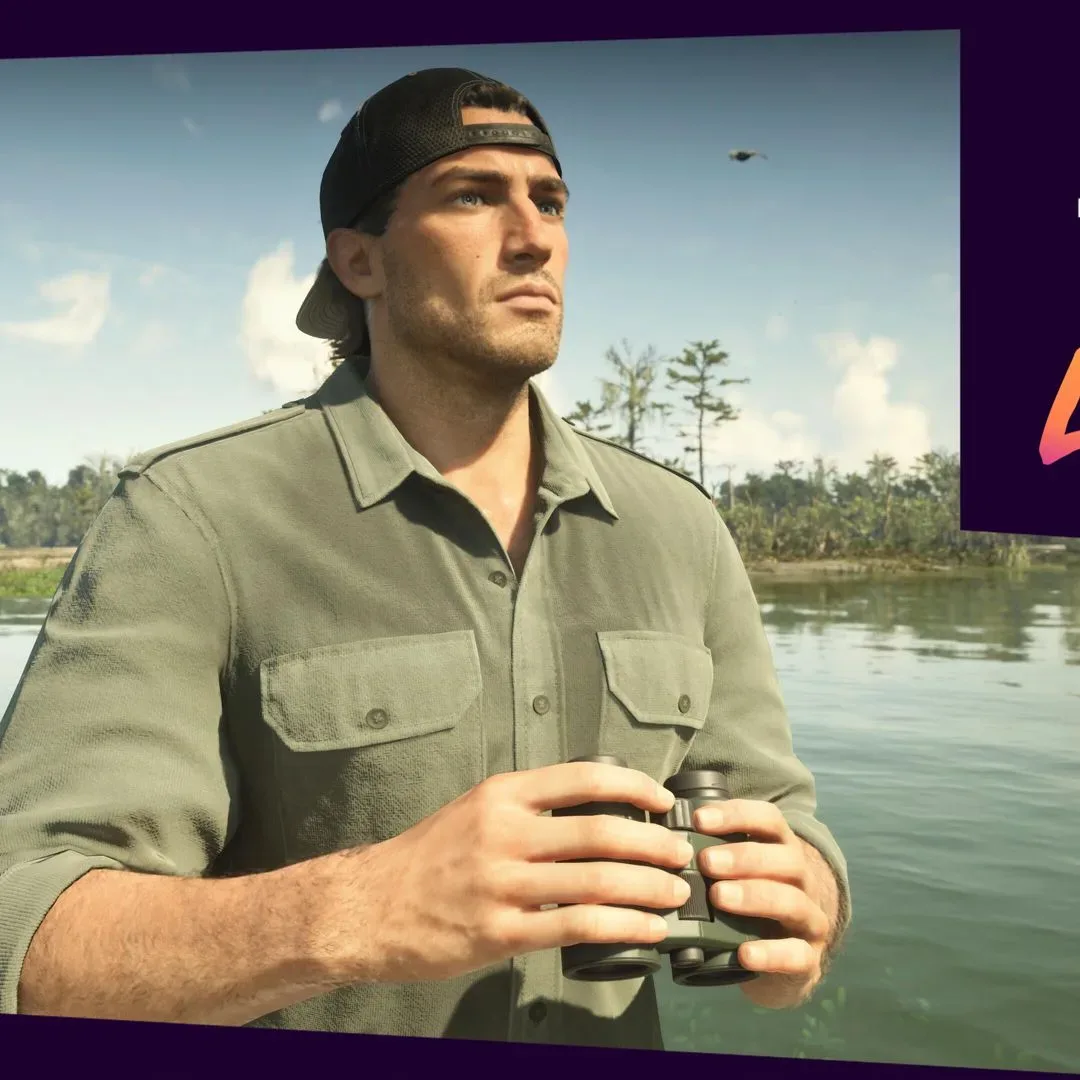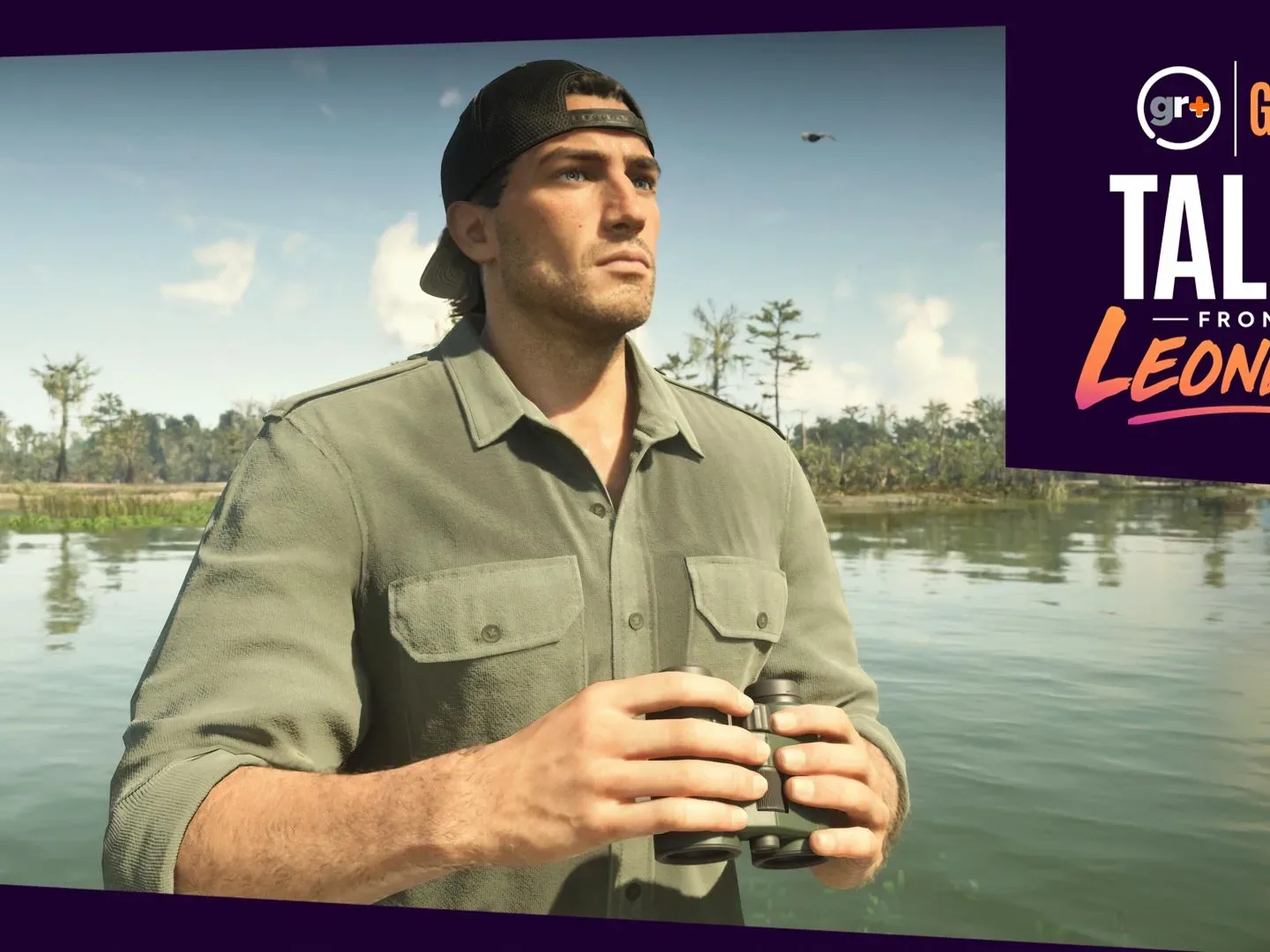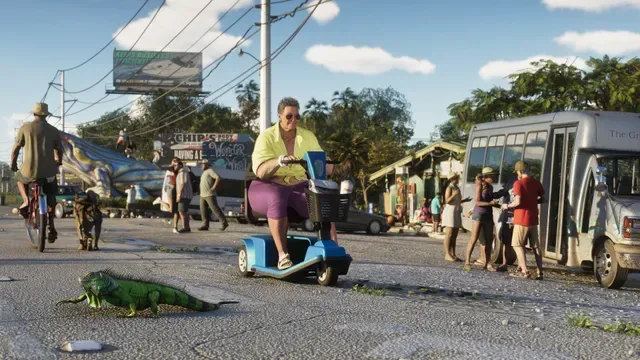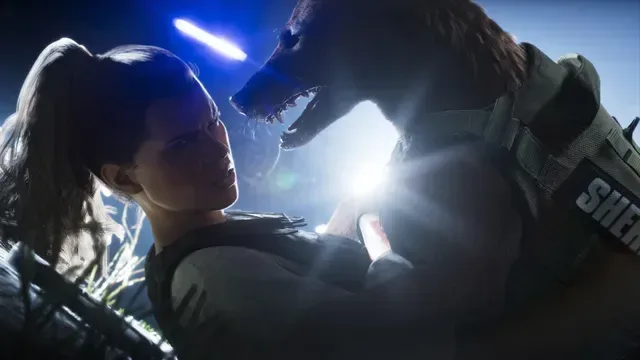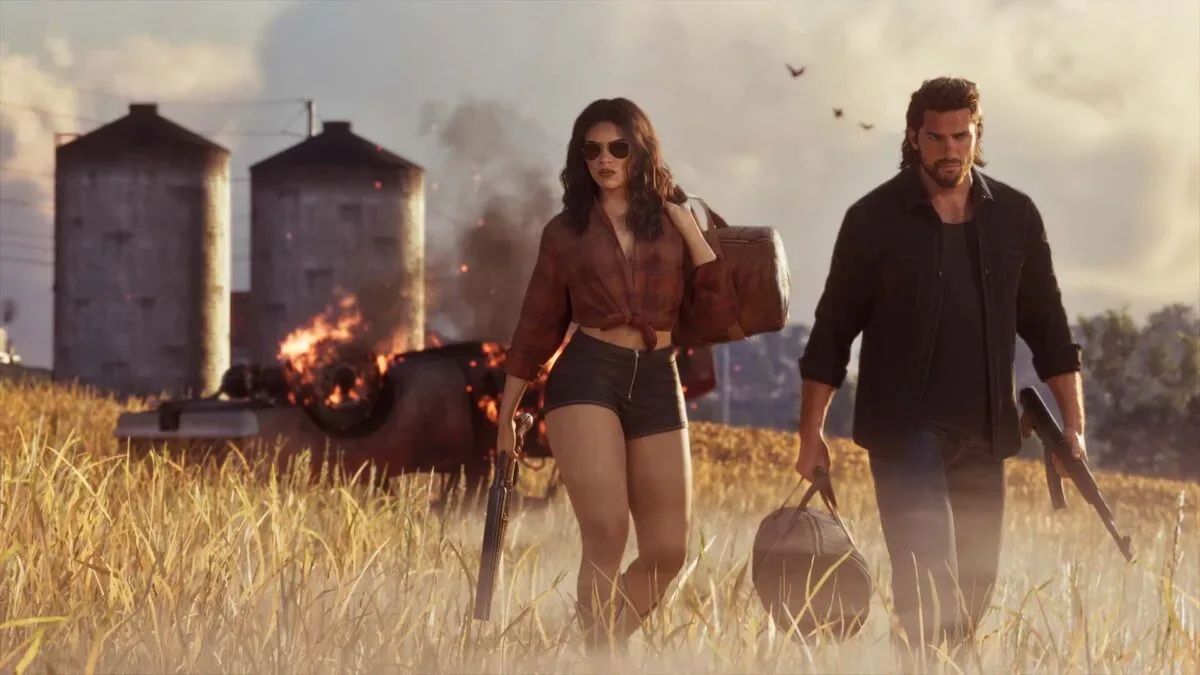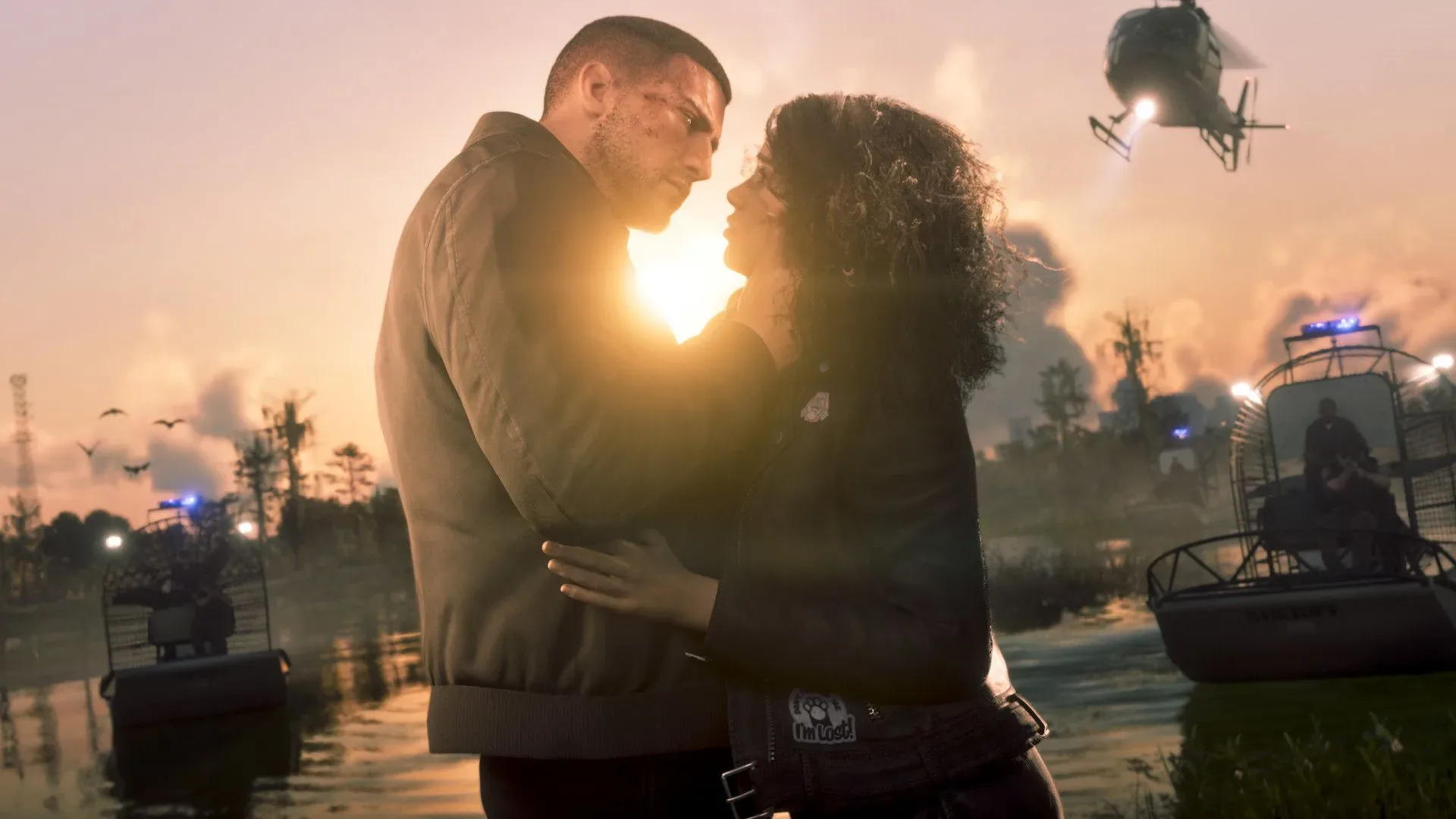
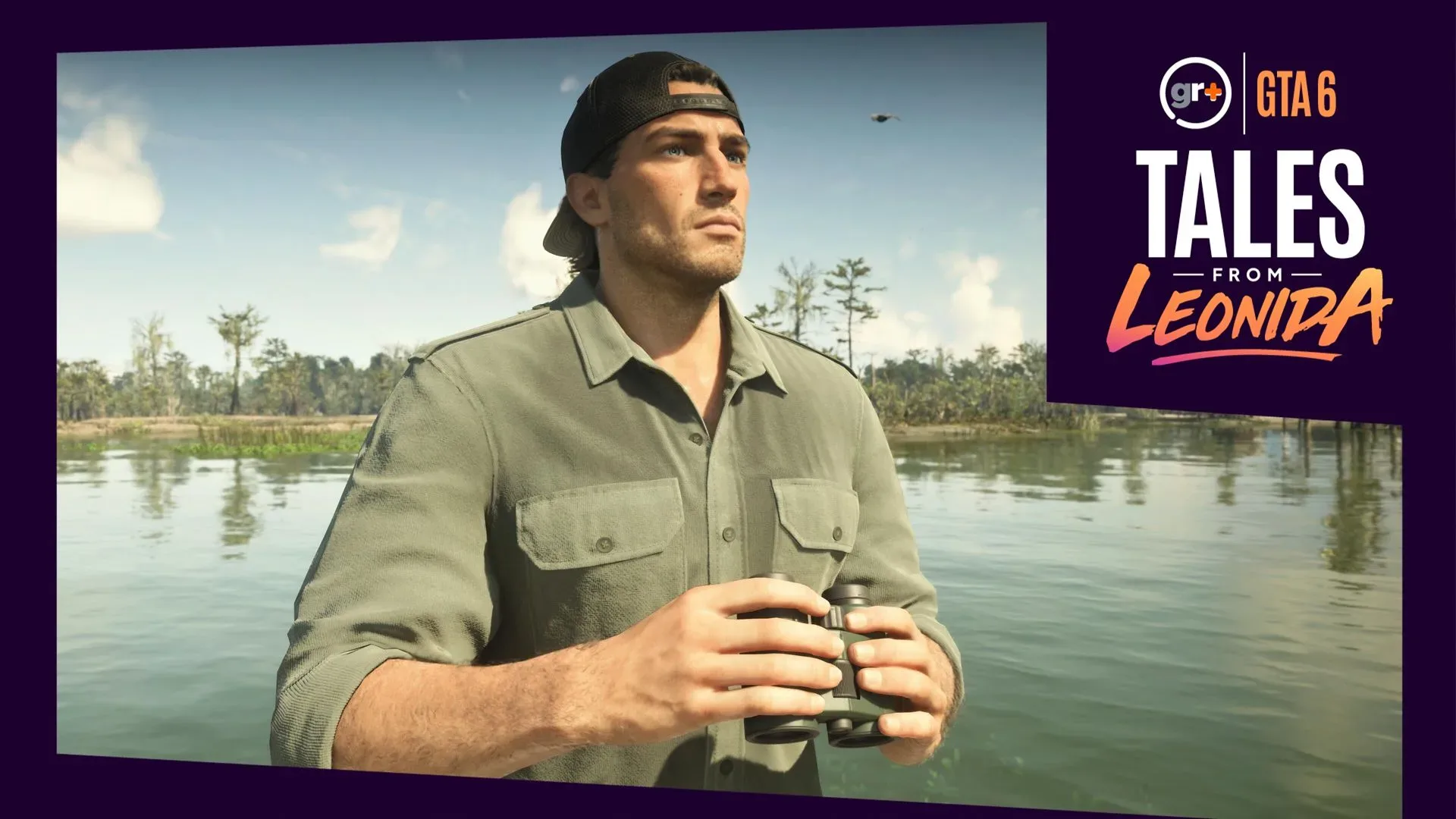
Grand Theft Auto games are often played at maximum velocity: take the call, steal the vehicle, start the chase, make a spectacularly irresponsible exit. But one GTA 6 player has found a different rhythm in Leonida, spending roughly their first 20 hours treating Jason’s schedule less like the itinerary of a career criminal and more like a quiet daily-life simulation.
The routine is deliberately domestic. Jason wakes at 7am, drinks coffee with Lucia, eats an apple, works out on the deck, showers, and only then decides what can reasonably fit into the day. A fishing stop might make sense before heading home; a faraway job may have to wait. That self-imposed pacing ultimately created a much stranger character arc: Jason became the impulsive defender of a prize cow named Tootsie, then wandered into an attempted rescue involving a bear in an animal-services truck.
It is a funny account because the individual actions are so far from the expected GTA power fantasy. Yet it also points to the appeal of an open-world game filled with activities and incidents that can interrupt a player’s plan. The main objective may still be sitting there, but an in-game day can become a story of birdwatching, minigolf, traffic and a very personal objection to livestock pageantry.
A calendar of small decisions instead of a rush to the next job
The player’s approach begins with accepting a constraint that many open-world players ignore: time in the day matters to the story they want to create for themselves. Rather than stacking diving, work and travel into one unrealistic blur, they treat each morning as a chance to choose a manageable outing and return home in time to spend the evening with Lucia.
This is not a claim that GTA 6 demands that particular role-playing style. It is a player-made rule set. The distinction matters. A role-playing rule set is a voluntary framework players use to shape decisions beyond the game’s direct requirements. Here, Jason’s breakfast, exercise and return-home deadline turn ordinary free-roam time into something with a sense of routine.
That routine also changes the value of distance. A request from a pilot located well north of Vice City became an all-day commitment rather than another icon to clear from a map. The trip did not begin as an animal-rescue mission. Jason was initially headed toward a swamp-side meditation spot Lucia had mentioned, with the distant pilot job as a potential second stop. The gap between what was planned and what happened is the heart of the anecdote.
For players who can feel overwhelmed by enormous activity lists, there is a practical takeaway in that approach: pick one broad intention for an in-game day, leave room for travel, and accept that distractions may be the point. It will not maximize efficiency, money or mission completion. It can, however, make the world feel less like a checklist and more like a place where a minor detour has consequences for the character a player imagines.
Binoculars, birdwatching and the compendium detour
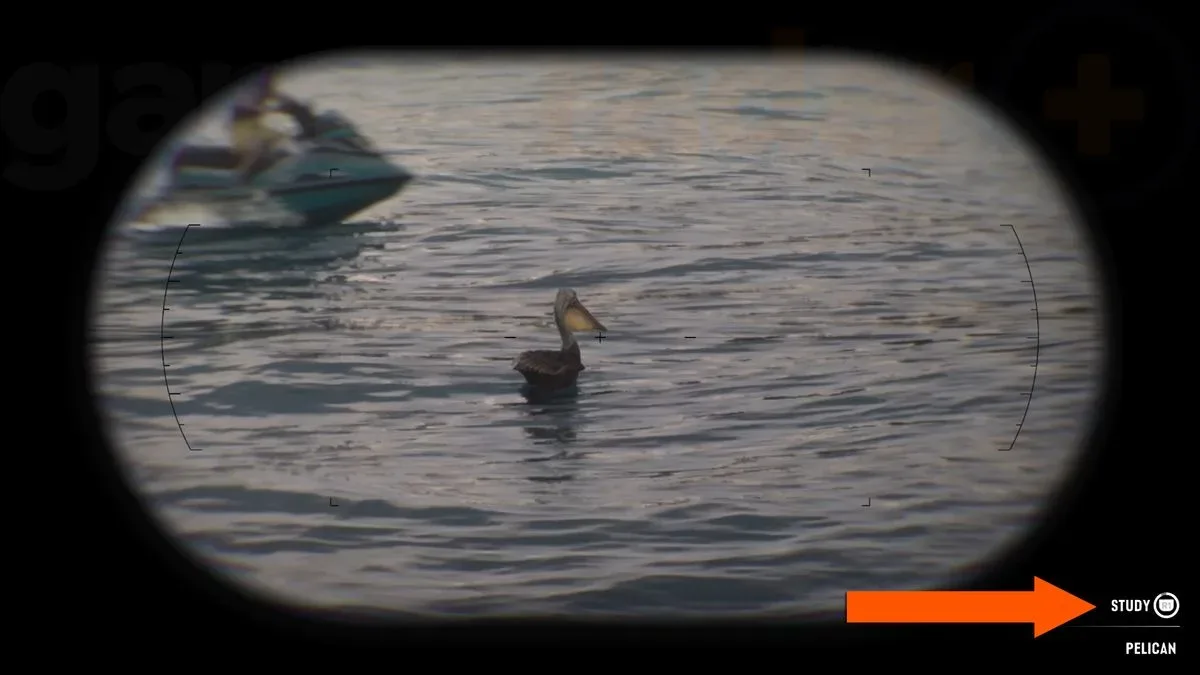
At the meditation location, the player discovered that binoculars could be used to observe and study animals for the game’s compendium. A compendium is an in-game reference collection that records things a player has identified or encountered; in this case, studying wildlife can add animals to that catalogue.
Related coverage includes GTA 6 Player Turns Jason's Daily Life Into an Unexpected Animal Rescue Story.
The new discovery changed the trip immediately. Instead of swiftly checking off meditation and continuing north, the player lingered in the swamp, observing wildlife and spotting a great blue heron. It is a small mechanical detail, but it explains why the account reads more like a nature ramble than a conventional crime-game session. The player was no longer simply travelling through the setting; they were engaging with a system that rewards observation.
That is also where the Stardew Valley comparison makes sense as a mood rather than a statement that the two games share the same structure. The relevant similarity is the pleasure of maintaining a personal rhythm: wake up, take care of routine, make a modest plan, see what the day brings. In this case, the day brought an abandoned dinosaur-themed minigolf course.
The player spent hours trying to improve their results on its holes. By the time they noticed the fading light, the pilot job was effectively off the agenda and getting back to Lucia became the new priority. In strict progression terms, it was a wildly unproductive day. In narrative terms, it had become memorable well before the cow appeared.
Tootsie the pageant cow changes Jason’s priorities
On the route home, a roadside disturbance led Jason to Tootsie, a prize pageant cow that had escaped from a trailer. The player used a car to head off the animal, got out, and calmed her down. That could have been the end of a simple return-the-animal encounter.
Instead, after Tootsie was led back to her owner, the player learned that she was expected to go to a slaughterhouse once her show career had ended. The event apparently also included the words “save me” echoing in Jason’s mind. At that point, the player abandoned the responsible-animal-return path and let Tootsie go free.
The owner did not take it well. The story’s version of Jason responded by punching him, taking his cowboy hat, and watching him retreat to his truck and drive off. It is not exactly a textbook example of peaceful advocacy, but it is an exceptionally GTA-flavored version of an animal-rights intervention: compassionate motive, questionable methods, accessory theft.
Crucially, this is a story about one player’s choices, not evidence of a prescribed canon for Jason or a guaranteed outcome every player will see. Open-world games often support that kind of emergent storytelling. The term describes narratives created through the meeting of game systems, unexpected events and player decisions, rather than through a fixed sequence authored as a single mission path.
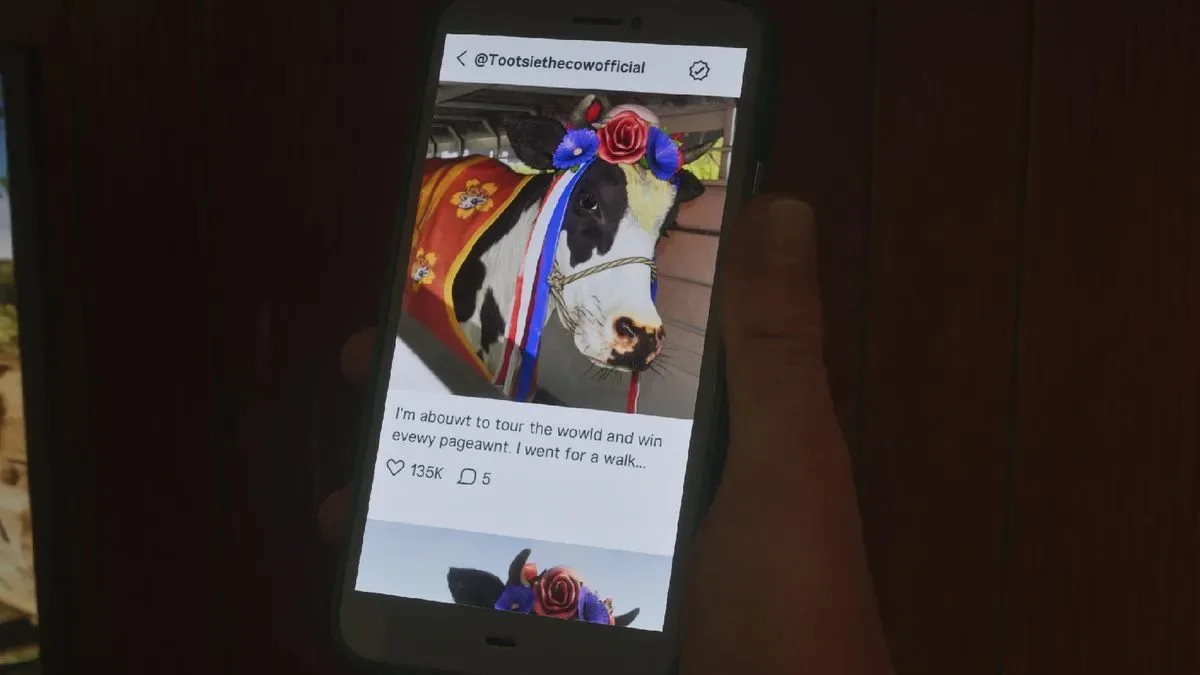
Tootsie’s escape, the player’s decision to investigate, the information about her future and the choice to release her all combined into an event that the player interpreted as a turning point for their Jason. The later Snapmatic image of Tootsie in happier pageant days only cemented that personal story: she was imagined to be somewhere in the wild, living freely.
A highway traffic jam and a second rescue attempt
Jason’s animal-focused day did not end after the cow. At night, while driving on a highway outside Vice City, the player found what initially looked like ordinary heavy traffic. The real cause was a protest. Activists had stopped an animal-services truck because they believed it was carrying a bear that had been imprisoned without justification.
Once again, the player chose intervention. Jason went to the rear of the truck and began punching its door instead of firing a weapon. The reasoning was straightforward: shooting at the lock on a busy highway risked drawing police attention. Even within a deliberately chaotic playthrough, the player was trying to avoid escalating the situation with gunfire.
The result was still chaotic. As traffic backed up, the truck driver panicked, accelerated, and ran over one of the protesters. The player left before the incident became more dangerous. There is no claim here that the bear was freed, nor a definitive resolution to the protest. That unresolved ending is part of what makes the encounter feel less like a cleanly completed task and more like a fragment of Leonida life Jason stumbled into.
It is also an illustration of systemic encounter design, where the interest of a moment comes from several moving pieces operating together: vehicle traffic, NPC behaviour, player intervention, crowd disruption and the threat of law-enforcement attention. The account does not establish the precise rules behind that encounter or whether it can play out differently. It does show why a player may stop to see what happens rather than treating every roadblock as an obstacle to bypass.
The appeal of playing against the genre expectation
There is a long-running joke behind stories like this: put players in a game built around large-scale criminal spectacle, and some will immediately choose coffee, exercise, birdwatching and a firm bedtime. GTA 6’s setting has evidently given this player ample material for that slower fantasy, from social media browsing with Lucia to meditation, fishing leads, wildlife study and minigolf.
The animal rescues work as the punchline because they emerge from a carefully maintained domestic routine. Jason did not leave home planning to become Leonida’s most erratic animal-rights activist. He left with a meditation destination and a distant job in mind, then made decisions as the day unfolded. The cow shifted the character’s moral identity; the truck protest tested it again.
There is a useful reminder here for anyone entering a dense open world with an urge to “play correctly.” There may not be a single correct pace. Following missions is valid. Pursuing a compendium is valid. Taking time to work out, watch a heron, miss an appointment because of minigolf and commit to the liberation of a cow is also, apparently, valid.
Those options matter because they let different players author different versions of the same protagonist. One Jason may be a focused operator. Another may be an enthusiastic fisherman. This one is a man who began his day with an apple and a shower, spent the afternoon beside the swamp, and ended it having turned a livestock dispute into a personal crusade.
That ability to turn downtime into a story is part of why GTA 6 remains a major point of conversation well beyond its missions. For another perspective on the wider conversation surrounding the game, see the recent report on Rockstar workers’ union-recognition vote.