Arion Kurtaj, the defendant connected to the major 2022 leak of unfinished Grand Theft Auto VI material, has been released on licence after serving most of a seven-year sentence. The conditional release comes with a five-year Serious Crime Prevention Order that restricts his online interactions, including use of services such as Telegram and Discord.
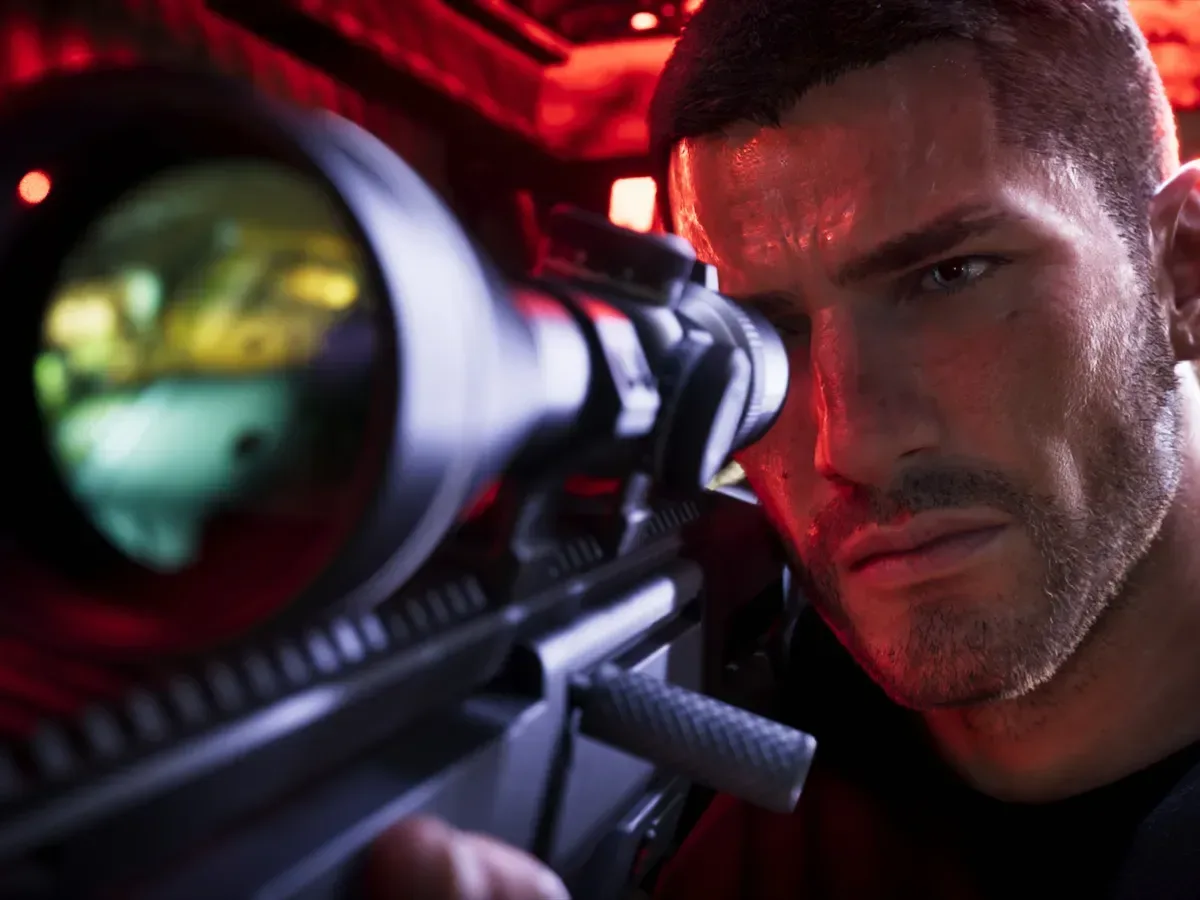
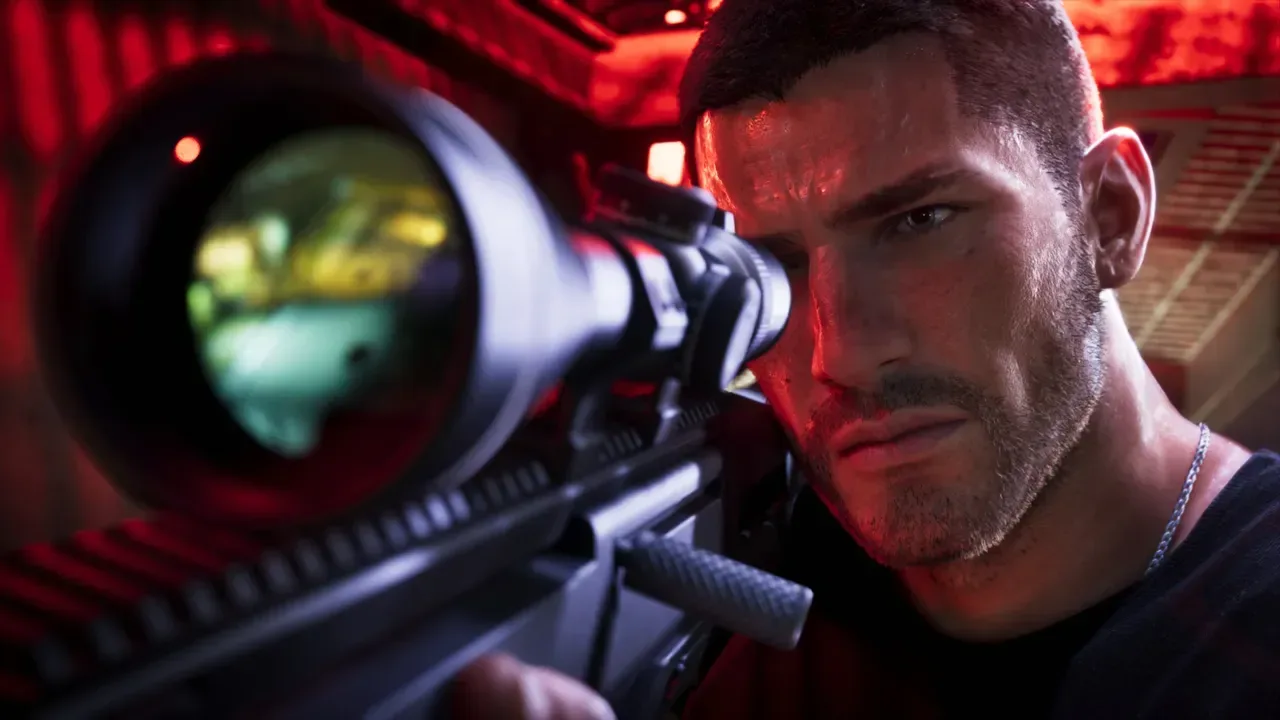
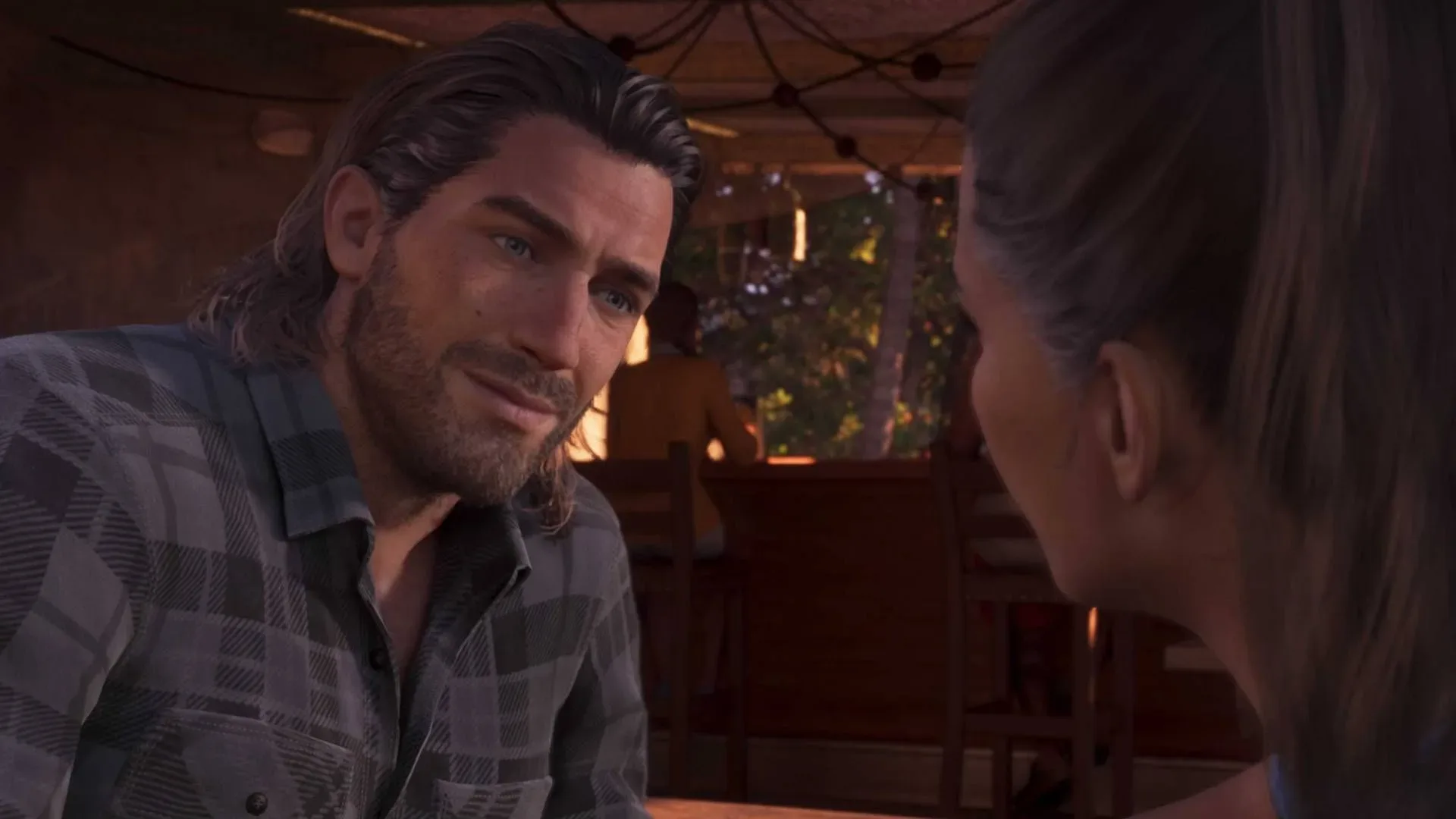
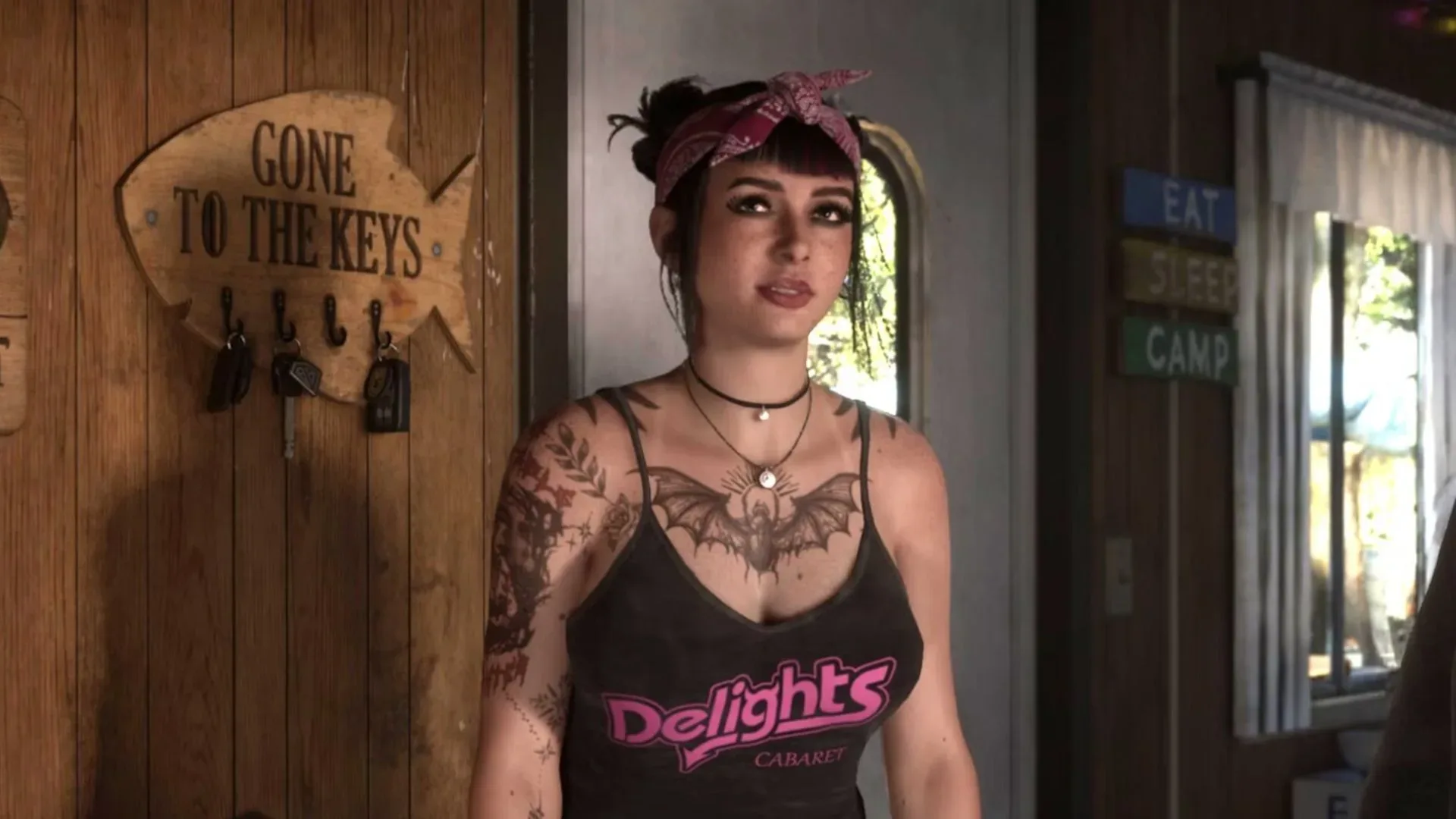
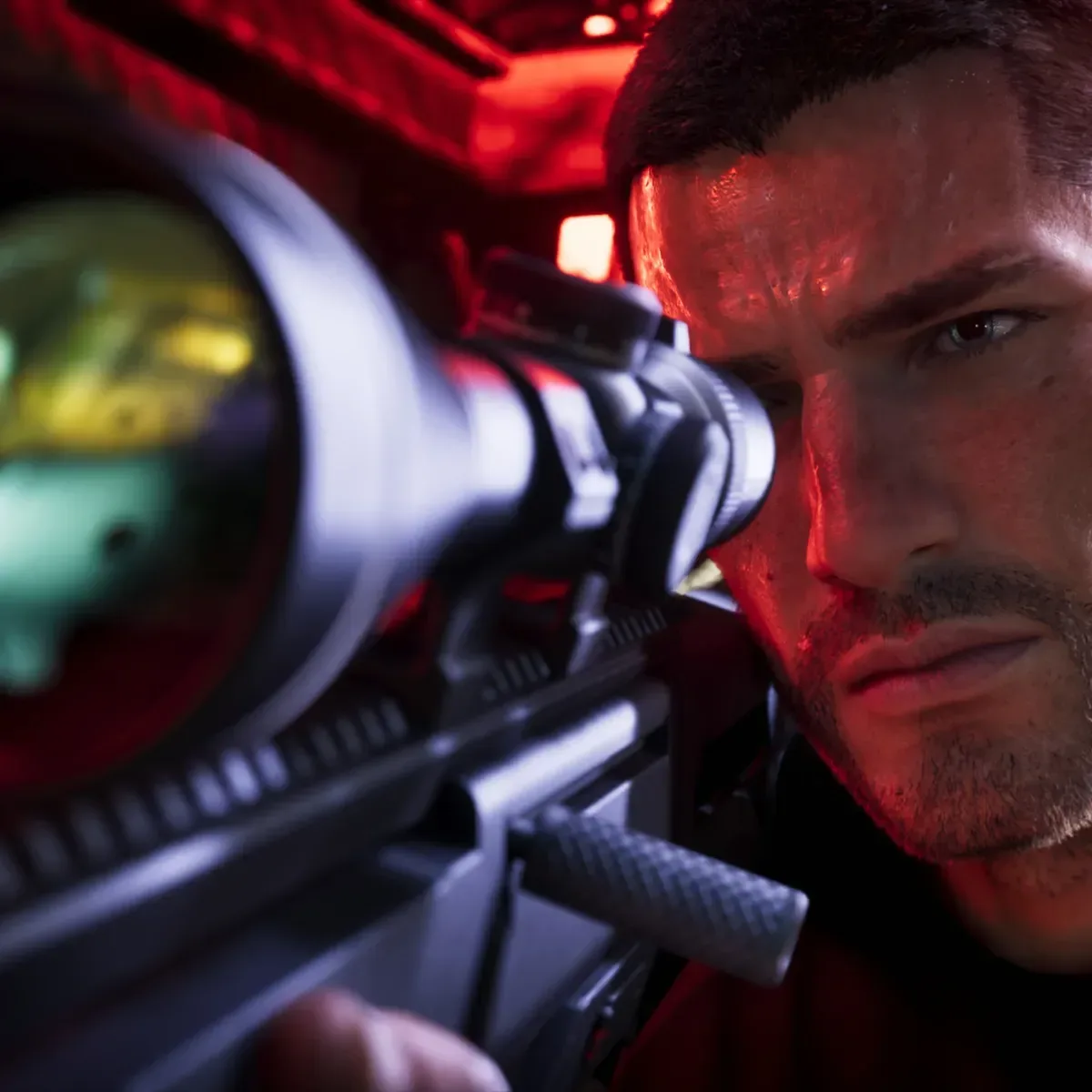
The case mattered to players because it put a remarkable amount of work-in-progress footage into public view long before Rockstar Games intended to present the game. Around 90 clips from an unfinished build were stolen and circulated online, giving many people their first look at the dual protagonists, Jason and Lucia. The footage appeared under the name TeaPotUberHacker.
But the central story is not an early glimpse of a game. It is an alleged intrusion into a developer’s internal systems, followed by an attempt to force payment through the threat of further releases. Kurtaj pleaded guilty to hacking offences carried out when he was 16 and 17. The judge’s warning upon release was blunt: “Don’t let this happen again.”
What Kurtaj was convicted over
The incident began with social engineering: obtaining access to an organisation by manipulating people or processes rather than solely defeating a technical barrier. In this case, Kurtaj gained access to Rockstar’s Slack workspace.
Slack is a workplace messaging platform. Access to it can expose far more than casual chat: depending on an organisation’s practices, it may lead to project discussion, internal files, contacts, planning details and channels where sensitive work is coordinated. The reported extortion attempt involved a demand that Rockstar make contact through Telegram within 24 hours, alongside a threat to release source code if the company did not respond.
Extortion, in this context, means attempting to obtain money or some other benefit by threatening to cause harm—in this instance, the release of confidential material. The published account states that, after Rockstar did not respond, files were released and the incident caused $5 million in damages.
The 2022 material was not a sanctioned reveal, a promotional leak or an ordinary datamine. It was footage from an unfinished game build acquired through an unlawful intrusion. That distinction is important when discussing the clips years later. Development builds routinely contain incomplete systems, placeholder assets and elements that can change before launch. Even when footage accurately reflects a real build, it is a poor basis for declaring what a completed game will or will not be.
A release on licence, not an unrestricted return online
Kurtaj’s release is conditional. The Serious Crime Prevention Order lasts five years and restricts his interaction online, specifically barring social platforms including Telegram and Discord in an effort to prevent collaboration with hacking groups.
Related coverage includes GTA 6 Leak Hacker Arion Kurtaj Released After Seven-Year Sentence.
A Serious Crime Prevention Order is a legal restriction intended to prevent further serious crime. In practical terms here, it is not simply a request to behave better online. It places defined limits on activity after release. The details supplied identify the duration and some restricted platforms, but do not set out every condition, monitoring arrangement or consequence for a possible breach. Those should not be assumed beyond what has been reported.
For the games industry, the order underlines a key point that can be lost amid the spectacle of a high-profile leak: collaboration tools are part of the security perimeter. Developers need messaging systems, remote access and file-sharing services to make games, especially across large teams. Those same systems become high-value targets if an attacker can impersonate a colleague, persuade support staff, or otherwise exploit an access process.
That is why social engineering is so disruptive. It attacks trust and workflow. The defensive response is not just a matter of improving software; it involves verifying identity, limiting access to what each account genuinely needs, and treating unusual requests for credentials or account changes with care. The supplied account does not describe Rockstar’s internal safeguards or any subsequent changes, so it would be wrong to speculate about its security practices. Still, the case illustrates why the issue reaches beyond one game.
The unusual circumstances around the hacking
The reported circumstances of the intrusion are striking. Kurtaj carried out the hacking while under police protection in a Travelodge and after his computer had been confiscated. He reportedly used an Amazon Fire Stick and the hotel television to access Rockstar, Revolut and Uber.
That detail does not make the incident a clever workaround worth celebrating. Rather, it demonstrates why security planning cannot be reduced to blocking one familiar device. If a person retains or obtains network access and can authenticate, communicate or manipulate a support process through another connected device, the risk can persist. Security is a chain of controls, not one confiscated piece of hardware.
The case also involved legal and health-related proceedings. Kurtaj was initially given an indefinite stay in a prison hospital in connection with his autism diagnosis. Following reconsideration, he was deemed fit to stand trial and moved to a traditional prison in January. Autism should not be treated as an explanation for criminal conduct, nor does the information available establish any such causal link. The relevant facts are the court’s decisions about where he was held and his fitness to stand trial.
Why the 2022 leak had such a long afterlife
Leaks can create a distorted version of a game’s history. In this case, early clips were shared widely enough that Jason and Lucia became familiar names before Rockstar formally introduced them. More than a year passed before Rockstar showed the protagonists itself, and the official gameplay reveal arrived only in August of this year.
That creates two timelines: the developer’s planned public campaign and the internet’s memory of unapproved footage. Players may remember an early mechanic, animation, location or interface as if it were a firm promise, even though the material came from a build still in development. For a game as closely watched as Grand Theft Auto VI, the gap between a leak and official information can become a source of persistent misconceptions.
The practical takeaway for players is straightforward: give official material more weight than illicit early footage, particularly when trying to understand final systems, character roles or the shape of a finished release. Unfinished clips can document a moment in development; they cannot reliably describe the eventual product. That is true even before considering the harm caused by the way those clips were obtained.
It is also worth separating discussion of a game from circulation of stolen material. Interest in how an anticipated release evolved is understandable, but reposting or seeking out unlawfully acquired files extends the life of the intrusion itself. The better route for accurate information is the developer’s own releases and clearly identified, legitimate coverage of them.
The industry stakes beyond one Rockstar project
Game development depends on confidential work remaining confidential for a reason. Teams need room to discard ideas, revise missions, replace dialogue, tune systems and solve technical problems without every in-progress decision becoming a public referendum. An intrusion can compromise more than marketing plans. It can affect staff, reveal internal communications, create legal and investigative work, and divert time and money from development.
The reported $5 million in damages gives a sense of the business impact attributed to this case, but the broader cost of a leak is difficult to reduce to a single figure. There is the immediate response, the need to investigate what was accessed, the impact of material spreading across platforms, and the pressure placed on employees whose unfinished work is suddenly being dissected worldwide.
That broader tension is relevant to other conversations about technology and games, including the questions raised by claims that games could address AI-driven employment disruption. The bigger questions around games and technology work include who bears risk when digital systems fail and how industries protect the people building their products.
Kurtaj’s conditional release closes one legal phase of a case that reshaped the public conversation around GTA VI before its official marketing had properly begun. The five-year order means the matter also has an ongoing preventive dimension. For players, the clearest lesson is less dramatic than the leak itself: unfinished, stolen footage is not a substitute for a game’s official record, and access to internal tools can carry consequences far beyond a single viral clip.