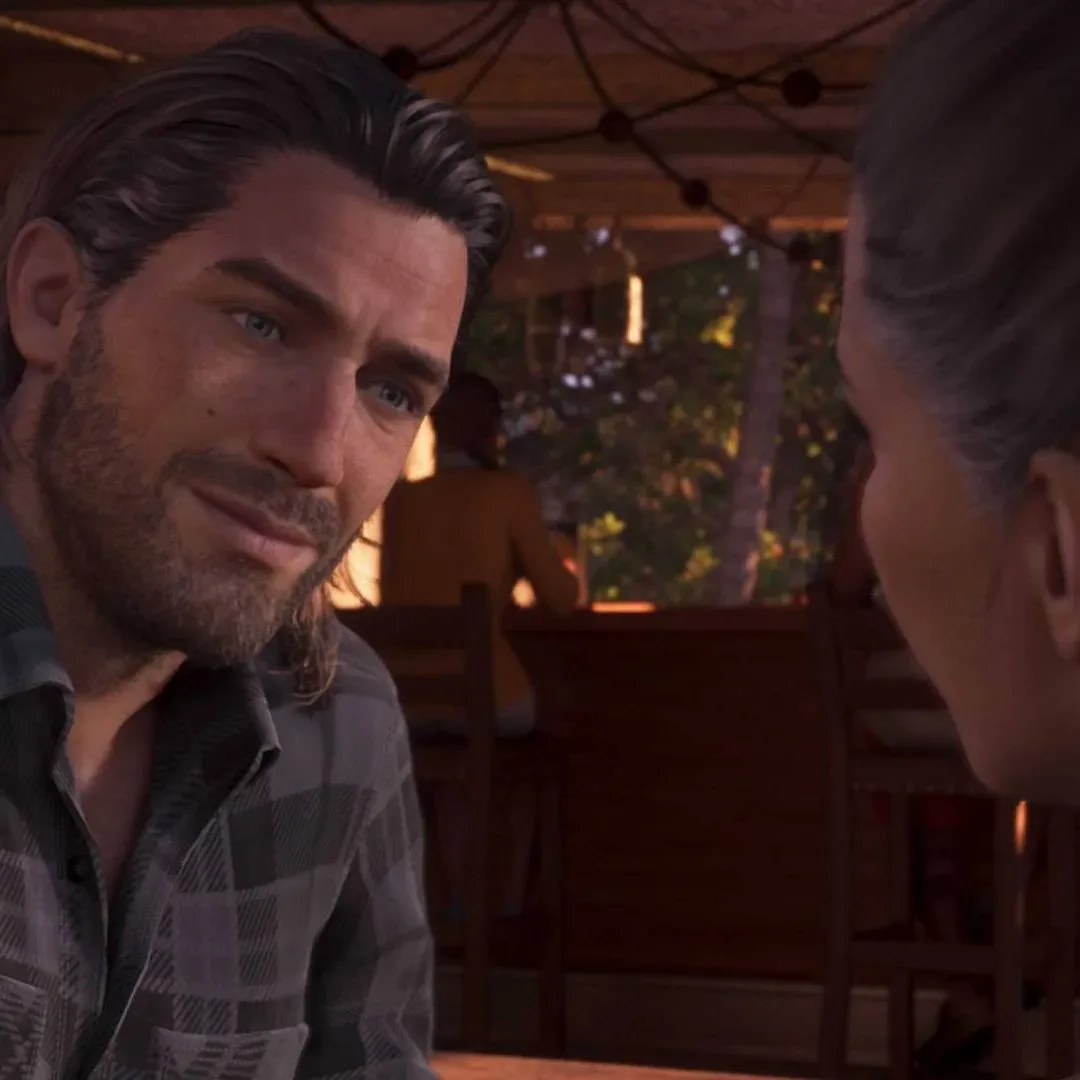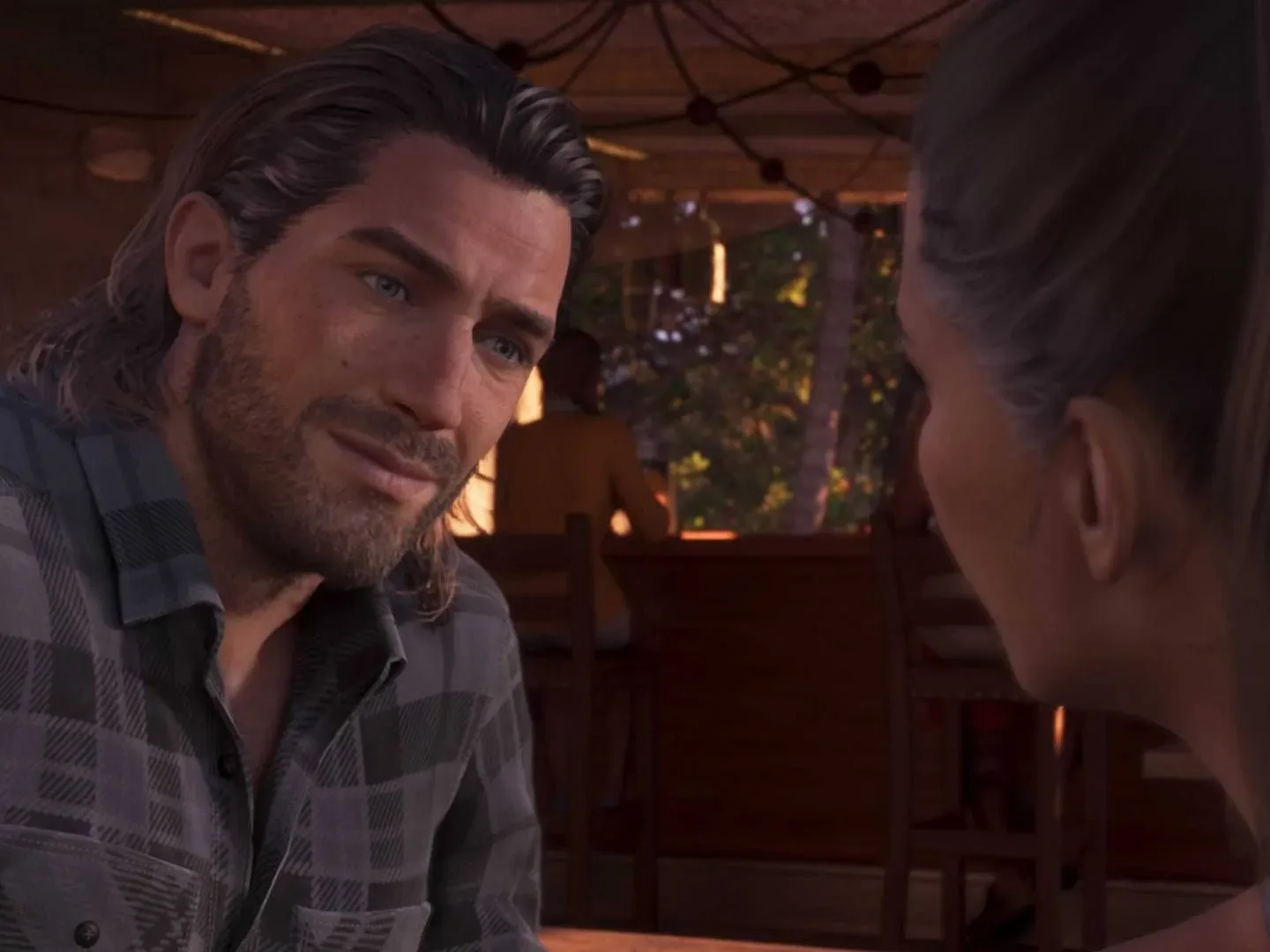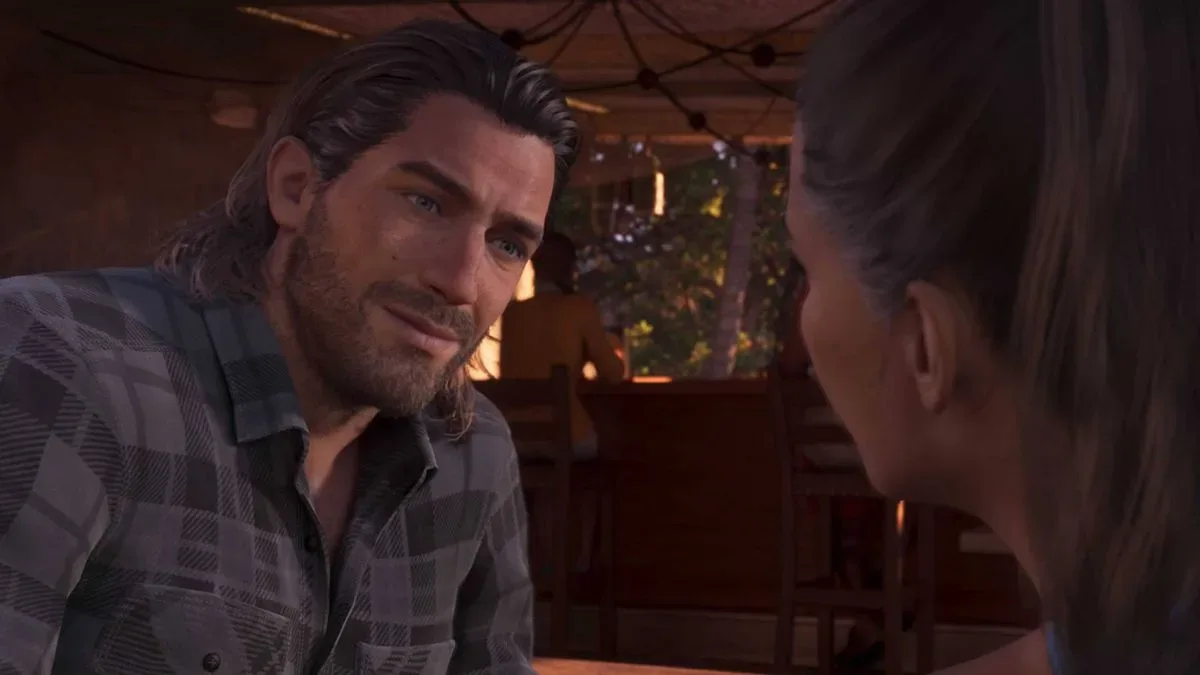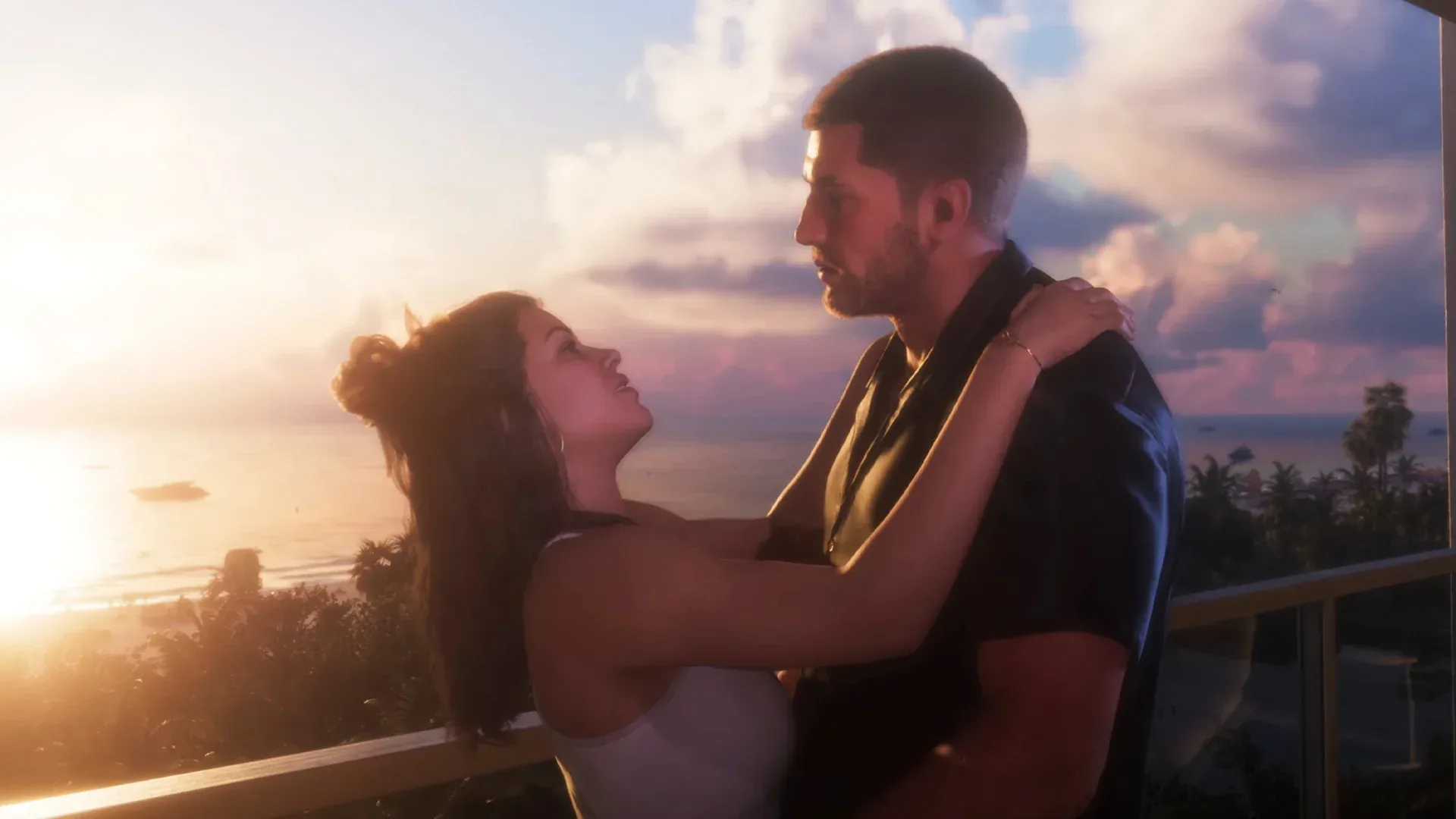
A former Rockstar Games technical director has offered a measured take on the split reaction to Grand Theft Auto VI’s opening hours: the game is excellent, he says, but players who feel constrained by Chapter 1 are not imagining it.
Obbe Vermeij, who worked at Rockstar Games from 1995 to 2009 and served as technical director on GTA III, Vice City, San Andreas, and GTA IV, says GTA VI’s first chapter gives players comparatively little agency. His perspective is informed by a long career on earlier entries, but it is important to draw a line here: Vermeij left Rockstar long before GTA VI’s development and is discussing the finished game as a player, not as a representative of the studio.
His core argument is straightforward. The early stretch, which he estimates at roughly eight hours, is packed with tutorials, cutscenes, mandatory assignments, and relatively basic missions. That structure has prompted complaints that GTA VI initially prioritizes realism and relationship-focused activities over the immediate criminal playground some players expect from the series.
“In chapter 1 … the game doesn’t give you much choice,” Vermeij wrote, adding that Chapter 2 is when “the GTA magic kicks in.”
That observation does not settle the debate over whether Chapter 1 is good. It does, however, identify why players can arrive at such different impressions while playing the same opening: some are happy to inhabit a slower, more domestic version of Leonida, while others came looking for a wide-open sandbox from the first hour.
Why the opening is being called a “girlfriend simulator”
The phrase is deliberately provocative, but it points to a real issue of expectation. Some optional early activities include grocery shopping for Lucia and buying her flowers. For players who associate Grand Theft Auto with self-directed mayhem, vehicle theft, improvised chases, side activities, and an immediate sense that the map is theirs to disrupt, those tasks can feel strikingly small-scale.
There is a crucial qualification: the reported shopping and flower-buying activities are optional. Optional content is not the same thing as a compulsory storyline demand, and players who enjoy quieter role-playing routines may see them as texture rather than a restriction. Still, optional activities can strongly shape the tone of an opening. What a game places in front of players early communicates what it wants them to notice, even when it does not force participation.
“Girlfriend simulator” is therefore less a technical genre label than a shorthand for a perceived emphasis on relationship maintenance and everyday life. It describes a tonal mismatch for a portion of the audience, not necessarily a literal claim that GTA VI has abandoned the action-game identity of Grand Theft Auto.
Related coverage includes Former Rockstar Technical Director Says GTA 6 Opens Slowly Before Its Sandbox Expands.
Sandbox, agency, and why Chapter 2 matters
In this context, a sandbox is a game structure that gives players room to choose their own objectives, routes, diversions, and methods. The term does not mean there are no story missions or rules. Rather, it means the player has meaningful freedom between and sometimes within prescribed objectives.
Agency is the related idea that a player’s decisions feel consequential to their experience. Choosing which mission to begin, when to explore, whether to follow the main plot immediately, and how to spend time in the world can all contribute to agency. A game can be technically enormous yet feel low-agency if most early hours direct the player down one narrow path.
Vermeij says the transition arrives in Chapter 2, when GTA VI reportedly presents a selection of missions rather than a more rigid sequence. That change matters because choice of mission is not only a menu-level convenience. It allows players to set their own pace, follow the thread that interests them, postpone an activity, or simply wander before committing to the next major plot beat.
For players on the fence after the opening, his comments suggest a practical takeaway: Chapter 1 may be functioning as a deliberately guided introduction rather than as a full statement of the game’s long-term rhythm. That is not a promise that every player will love what follows, nor does it erase a player’s frustration with a slow beginning. It does mean judging the game’s sandbox ambitions solely from its first few hours may miss the structural shift Vermeij describes.
A slow start can be a design choice—and still be divisive
Opening constraints are common in large games because tutorials need to teach movement, systems, mission logic, and narrative context without overwhelming newcomers. Cutscenes establish characters and stakes; mandatory tasks ensure players understand the basics before more complicated scenarios begin. The trade-off is immediate freedom.
GTA VI appears to make that trade-off more visibly than some players anticipated. Vermeij’s description of a tutorial-heavy first chapter suggests a game trying to establish its characters and its more grounded routines before handing over a broader set of priorities. That can help an opening feel authored and coherent. It can also frustrate people who believe a Grand Theft Auto game earns its identity through freedom first and narrative instruction second.
Neither preference is inherently wrong. A player drawn to the life-sim edge of the opening may appreciate optional errands as a way to spend time with Lucia and absorb the setting. Another player may regard the same material as a distraction from the unpredictable, player-led stories that define the series for them. The disagreement is partly about pacing: how long should an introduction last before the player can fully make the world their own?
Vermeij’s comments give that question a useful frame. He does not dismiss the criticism, even while calling GTA VI “very good.” Instead, he treats the early complaints as a fair response to a chapter with limited choice. His positive view rests on the claim that the game subsequently expands, rather than on the idea that the concerns were baseless.
What Vermeij’s experience does and does not establish
Vermeij’s past Rockstar role makes his reading of Grand Theft Auto’s structure particularly interesting. He contributed technically to multiple defining games in the series, including GTA III, Vice City, San Andreas, and GTA IV. That background gives him familiarity with the franchise’s design legacy and the expectations attached to its name.
But his account should not be mistaken for an official roadmap, a behind-the-scenes explanation, or confirmation of how Rockstar intended every sequence to work. He was no longer at the company when GTA VI was developed. His assessment is a well-informed personal response to playing the released game.
That distinction is useful because it keeps the discussion focused on what is actually being claimed: an experienced former developer believes the first chapter is restrictive and believes Chapter 2 materially broadens player choice. It does not establish a universal playtime, a guarantee that all content unlocks at exactly the same point for every player, or a formal response from Rockstar to the criticism.
By Chapter 3, the outlook is much brighter
Vermeij says he is now 46% through GTA VI’s story and in Chapter 3, where he is “having loads of fun.” He also praised the game’s production values as “unreal.” Production values is a broad term covering the polish and presentation of a game: areas such as visuals, animation, sound, cinematic work, environmental detail, and the overall finish of the experience. It is praise for execution, though it is separate from the question of whether a given player enjoys the pace or mission structure.
The distinction matters. A lavishly presented game can still inspire debate over freedom, and a carefully controlled opening can still lead into a satisfying sandbox. The reported response to GTA VI’s early structure shows that visual scale and technical polish do not eliminate differences in what players want from the series.
For anyone encountering bugs or progression trouble while moving through the story, Rockstar has also issued fixes aimed at weather, autosave, and story-blocking calls in GTA VI Update 1.002.002. That is separate from the pacing debate, but story progression is especially important in a game where the transition into later chapters may substantially alter how much choice players have.
The useful expectation to take into Leonida
The most grounded reading of Vermeij’s comments is not that GTA VI is secretly two different games. It is that its opening apparently asks for patience before delivering the breadth of choice many players associate with Grand Theft Auto.
Players interested in character-focused scenes and optional everyday activities may find value in Chapter 1’s slower approach. Players who feel boxed in by tutorials and linear missions have a reason to keep an eye on Chapter 2 before deciding whether the broader game meets their sandbox expectations. And for those who already dislike the opening’s priorities, it remains fair to say that an eight-hour introduction is a significant commitment.
That tension is at the center of the conversation: GTA VI’s early hours may be intentionally controlled, but control feels very different depending on whether a player wants cinematic setup or immediate autonomy. Vermeij’s verdict is that the game eventually opens its hands. Whether that arrives soon enough is the part each player will have to decide for themselves.