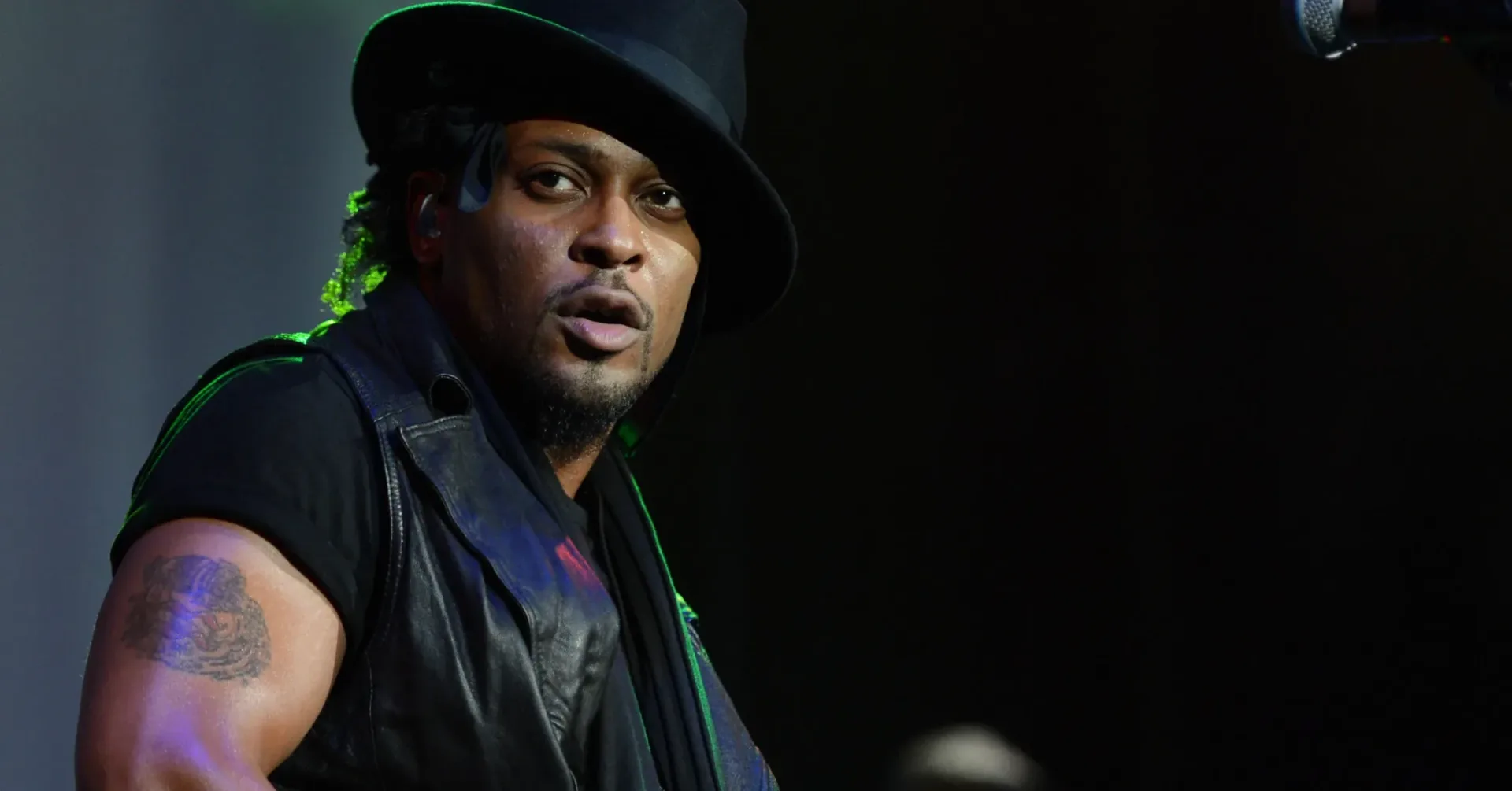
D’Angelo’s estate has confirmed that the late R&B artist’s song “Kamikaze” appears in Grand Theft Auto VI, adding important context to one of the game’s early music discoveries. The track was created for GTA 6 in 2024, approved by D’Angelo that November, and later encountered by players following the game’s November 2026 launch.
The confirmation arrived through posts on D’Angelo’s official Instagram account on November 23. In a statement, his brother Luther Archer said D’Angelo—whose given name was Michael—had signed off on the song in its present form for use in Grand Theft Auto VI. Archer also said his brother was excited by the prospect of the record reaching a broad audience as a single.
“Michael approved this track in its current form in November of 2024 to be released as part of Grand Theft Auto VI,” Archer wrote. He added that D’Angelo was a devoted admirer of Rockstar Games and was enthusiastic about the track’s inclusion.
For players, the news answers the key question raised when snippets began circulating online shortly after release: the song is not merely a fan label or an unverified soundtrack attribution. The estate has affirmed both the track’s presence and D’Angelo’s prior approval. It also gives the moment a different weight from the usual licensed-song discovery in a Grand Theft Auto game. This is posthumous work from an artist who had an established relationship with Rockstar and a documented personal enthusiasm for its games.
What the estate disclosed about “Kamikaze”
Archer’s post credits D’Angelo as a producer alongside Slingbaum and engineer Ben Kane. D’Angelo and Slingbaum perform on the song, while Yussef Dayes and the late James Gadson contribute drums. Archer described Dayes as playing drums on the left and Gadson as playing on the right, a detail that points listeners toward the record’s stereo arrangement rather than simply listing personnel.
Andre Trenier created the cover artwork. Archer identified him as the brother of Dominique Trenier, D’Angelo’s mentor and longtime manager.
There is a small spelling wrinkle worth preserving accurately. The track has been presented as “Kamikaze” in the estate’s social material, while Archer’s quoted production note spells it “Kamikazi.” Nothing provided establishes whether that alternate spelling is intentional, a working title, or a typographical variation. Until an official release presentation resolves it, “Kamikaze” is the clearest title to use because it is the form attached to the estate’s announcement of the song.
Why the credits matter
Credits are especially meaningful for a posthumous release. They identify the people whose work is in the recording and provide a clearer record of authorship and performance. Here, the estate did more than validate a song heard in-game: it named the production team, musicians, and visual artist connected to it.
The inclusion of two drummers is also notable in practical listening terms. A left/right drum designation suggests that the two performances may be deliberately separated in the stereo field—the two channels used by most headphones and speakers. That can make a layered rhythm arrangement easier to distinguish, though the supplied information does not specify how the performances were recorded, edited, or mixed beyond those credited placements.
Players should also avoid treating social-media clips as definitive representations of the song. Short excerpts can omit parts of an arrangement, be captured at inconsistent volume, or lose stereo detail depending on the upload. The estate’s statement confirms the track and its contributors; it does not provide a full technical breakdown of every version heard in the game.
A second Rockstar collaboration, not a surprise detour
Kamikaze is not D’Angelo’s first connection to Rockstar. He previously contributed “May I? Stand Unshaken” to the soundtrack for Red Dead Redemption 2. That collaboration followed a period in which he visited Rockstar’s New York office to play the game before it was released.
Rockstar’s director of music and audio, Ivan Pavlovich, described D’Angelo in a 2018 interview as an exceptionally committed fan. Pavlovich recalled that D’Angelo would arrive around midnight and play until four in the morning, and said the visits initially were not about arranging music. The account matters because it frames the later soundtrack work as an outgrowth of genuine interest rather than a remote celebrity placement.
That background also helps explain Archer’s emphasis on the artist’s enthusiasm. GTA 6’s soundtrack includes both licensed music and songs made for the game, with contributors including Cardi B, Tame Impala and Burna Boy. D’Angelo’s contribution belongs within that broad, high-profile musical field, but it has a more direct continuity with Rockstar than a one-off placement: he had already made music for the company and had spent time engaging with one of its games as a player.
That is distinct from saying the two projects are creatively identical. Red Dead Redemption 2 and GTA 6 are separate games with different settings and soundtracks, and the available information does not describe Kamikaze’s specific in-game placement. Still, the two credits together show that D’Angelo’s association with Rockstar extended across more than one major release.
What “posthumous” means in this case
D’Angelo died of pancreatic cancer in October 2025 at age 51. Archer has since taken on responsibility for releasing his brother’s posthumous work. In music, “posthumous” simply means material issued after an artist’s death. It does not, on its own, tell listeners how complete a recording was, whether an artist approved it, or who made later decisions.
Those distinctions are often crucial. In this instance, Archer’s statement supplies a specific answer on a central point: D’Angelo approved Kamikaze in its current form in November 2024, well before his death. That does not eliminate every unknown around the track—such as its full release plan or its exact use in GTA 6—but it establishes that the artist personally authorized the version intended for the game.
The statement’s wording also separates two related ideas that can easily be blurred together. The song was approved for GTA 6, and D’Angelo was enthusiastic about it being included and reaching a wide audience as a single. The supplied information supports those points. It does not establish a date, platform, or commercial plan for a standalone release, so fans should be careful not to convert that enthusiasm into an unannounced release schedule.
Why a game soundtrack discovery can land differently
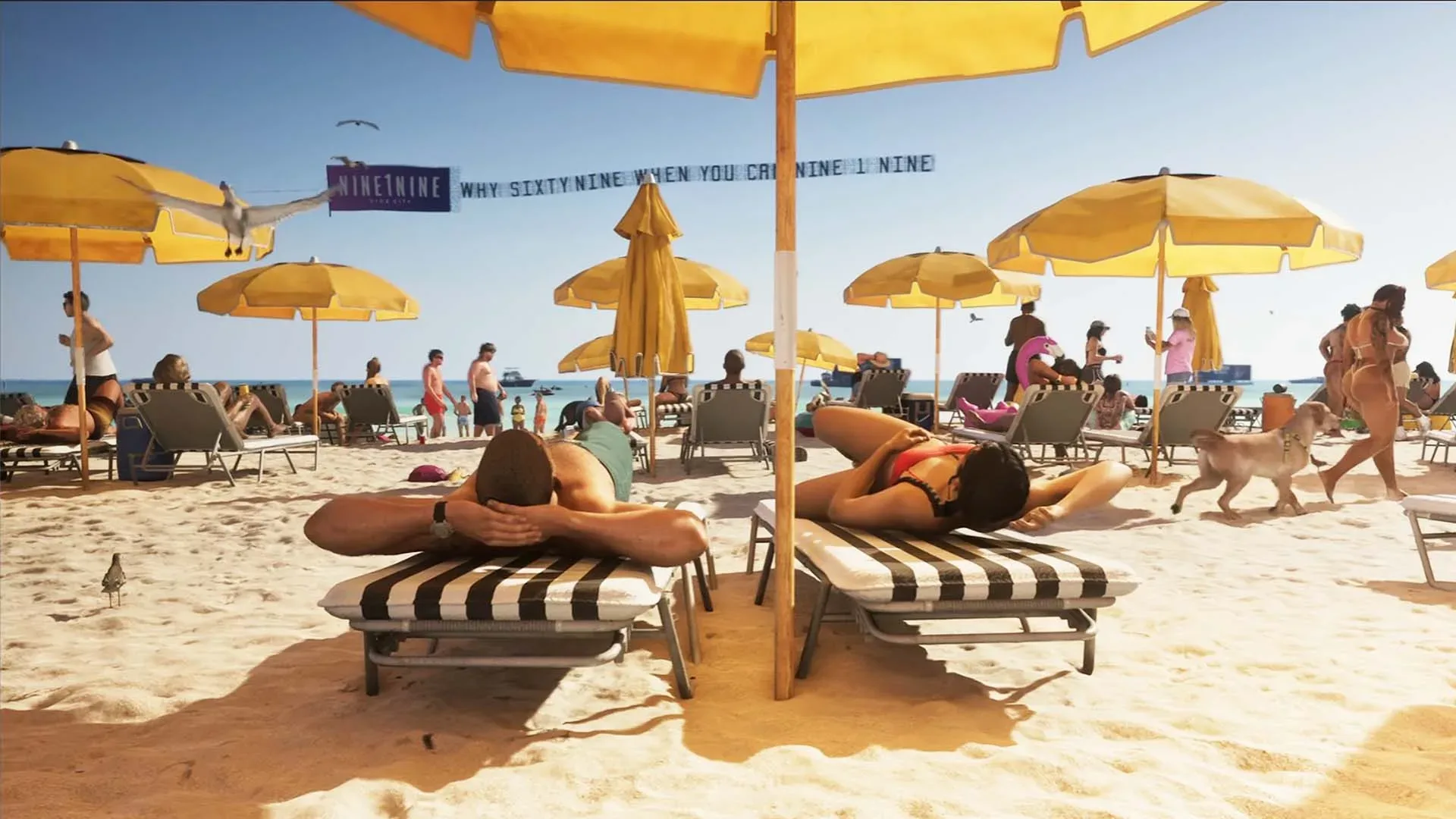
Grand Theft Auto games are built to make music part of the world rather than a separate menu item. A player can come across a track in the middle of travel, exploration, or an unpredictable bit of open-world mayhem, then seek out its name later. The early circulation of snippets from Kamikaze fits that pattern: discovery begins inside the game, and recognition spreads outward through player communities.
For an unreleased song by D’Angelo, that pathway is unusually significant. It places the first widespread encounter with the work in a game he reportedly loved, one developed by a company with which he had already collaborated. It also means the estate’s confirmation does more than settle an internet mystery. It anchors an in-game moment to D’Angelo’s own prior decision.
GTA 6 players looking at the game’s ambient details may find that the soundtrack has a similar effect: music can turn a routine journey into a memorable scene, whether it is noticed immediately or identified later. That relationship between everyday play and tiny pieces of authored texture is part of what makes the game’s world feel lived-in, as explored in this look at Leonida’s small driving details.
What has been confirmed—and what has not
The estate’s announcement gives fans a solid factual foundation amid the speed of soundtrack discussion online.
- Confirmed: D’Angelo created a song titled “Kamikaze” for GTA 6.
- Confirmed: He approved the track in its current form for Grand Theft Auto VI in November 2024.
- Confirmed: D’Angelo produced it with Slingbaum and Ben Kane; it includes performances by D’Angelo, Slingbaum, Yussef Dayes and James Gadson.
- Confirmed: Andre Trenier made the cover artwork.
- Confirmed: D’Angelo previously collaborated with Rockstar on Red Dead Redemption 2.
- Not established here: A separate single’s release date, platform availability, complete lyrics, full song credits beyond those named, or the precise point at which the track plays in GTA 6.
That last distinction is less glamorous than a rapid-fire soundtrack rumor, but it is valuable. The estate’s message provides unusually clear evidence of D’Angelo’s own approval, while leaving room for the details that have not yet been publicly specified. For listeners, Kamikaze can be understood as both a newly discovered GTA 6 track and a deliberately authorized part of the artist’s body of work.