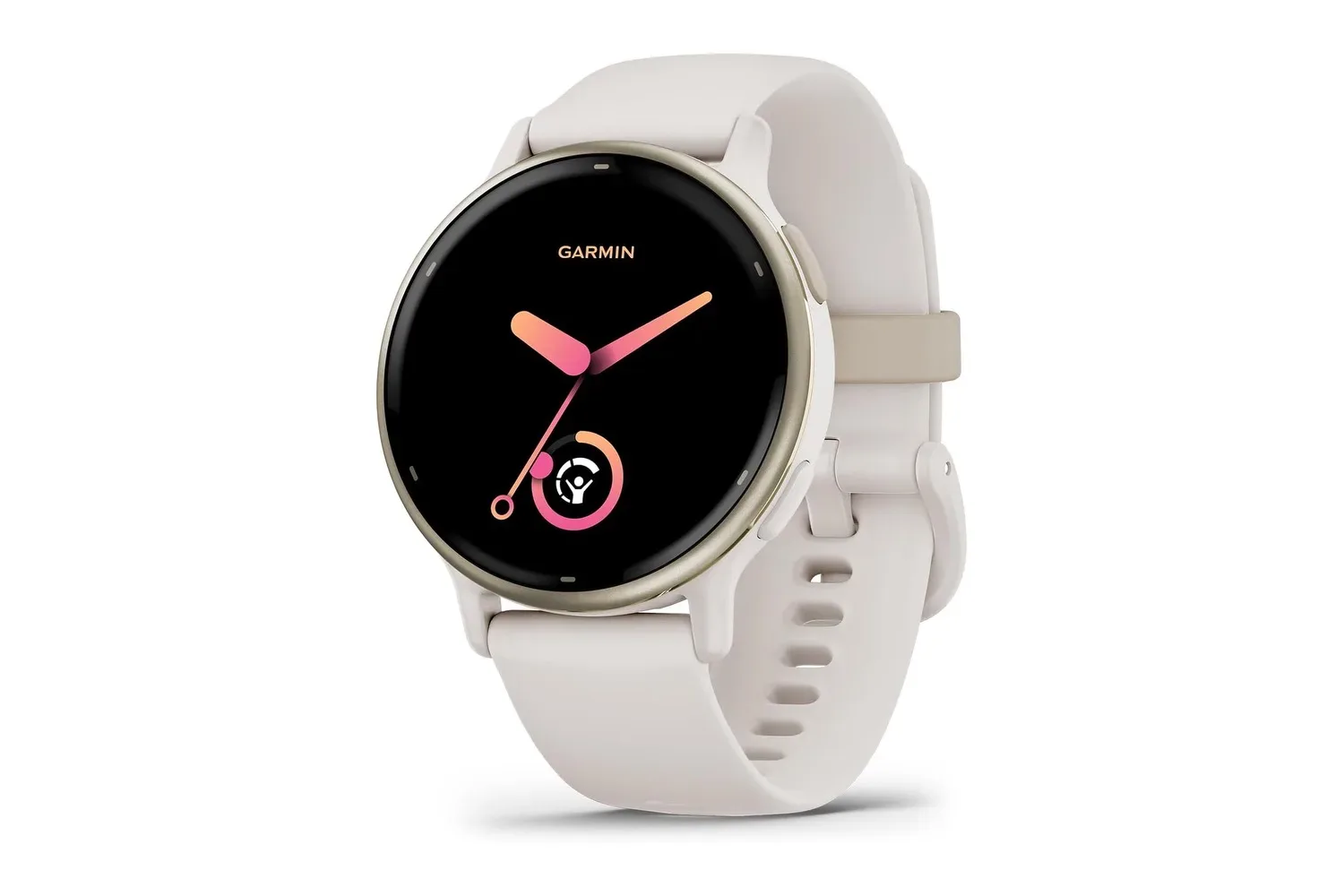
The Garmin vívoactive 5 smartwatch is listed on Amazon for $191, down from $300. That is a reduction of $109, or roughly 36%, on a wearable aimed at people who want fitness and wellness tracking without giving up everyday smartwatch basics such as notifications and contactless payments.
The central appeal is straightforward: the vívoactive 5 combines a 1.2-inch touch-sensitive AMOLED display, built-in GPS, continuous health monitoring and a claimed battery life of up to 11 days in smartwatch mode. It supports both Android phones and iPhones, meaning the watch is not restricted to one phone ecosystem for its smart-notification functions.
For shoppers comparing practical devices rather than buying a watch purely for its screen or styling, the listed price matters because the vívoactive 5 puts several normally separate jobs in one place. It can track an outdoor activity without requiring a phone for route mapping, remain on the wrist overnight for sleep tracking, and then handle alerts and Garmin Pay during the following day.
What the vívoactive 5 is built to do
The vívoactive 5 is positioned as an all-day fitness smartwatch rather than a single-sport specialist. Its supplied activity support covers running, cycling, swimming, strength training, yoga and pickleball, among other options, with more than 30 built-in sport-related applications in total. That breadth is useful for someone whose routine shifts across gym sessions, outdoor exercise and lower-intensity activities instead of following one fixed training plan.
Built-in GPS means the watch can map an outdoor run or ride directly, without access to a mobile device. In practical terms, that lets a user leave a phone behind for a route-based activity while retaining location tracking on the watch itself. GPS use has a substantial effect on endurance, however: Garmin rates the vívoactive 5 for up to 21 hours when GPS is being used, compared with up to 11 days in standard smartwatch mode.
Those are two different use cases, and they are worth reading separately. The longer estimate speaks to day-to-day wear, notifications, health features and overnight sleep monitoring. The GPS figure is the more relevant one for long outdoor sessions. Neither is a promise that every individual setup will hit the maximum, but the distinction helps set reasonable expectations for buyers whose main priority is extended route tracking.
The watch also includes wheelchair-specific workouts and a wheelchair mode for tracking pushes. That is a meaningful inclusion in a fitness device, as it gives wheelchair users an activity-tracking option explicitly designed around their movement rather than treating conventional step-based exercise as the only baseline.
Display, battery and the all-day-wear proposition
The vívoactive 5 uses a 1.2-inch AMOLED display. AMOLED is a screen technology known here for producing a bright, clear image indoors and outdoors. Since the watch is designed to show activity information, health data and notifications at a glance, display clarity is more than a cosmetic point: it affects how quickly the wearer can read a metric during a workout or check an alert between tasks.
Garmin also allows watch-face customization, so users can decide which information takes priority on the main screen. A runner may prefer activity-related information front and center, while someone focused on general wellness may want health data or a simpler clock layout. The supplied information does not establish a single ideal configuration, but it does make the case for flexibility rather than a one-size-fits-all dashboard.
The lightweight design and quoted smartwatch battery life are especially relevant to sleep tracking. A sleep feature is most useful only when the device is comfortable enough to wear through the night and has enough remaining charge to keep going the next day. Garmin’s up-to-11-day smartwatch-mode figure is intended to support that continuous-wear pattern, reducing the need to choose between charging the watch and collecting overnight data.
Health terminology: what the watch reports
Several of the vívoactive 5’s wellness tools are presented as summaries that can help users spot patterns in activity, rest and recovery. The most prominent branded feature is Body Battery, which measures an energy level throughout the day. The intended use is practical rather than mystical: use the reading as one input when deciding whether to take a break or push harder.
The watch also provides a daily sleep score and sleep coaching. Its sleep system estimates how many hours of sleep the user may need based on activity level and physical recovery. For people trying to make sense of inconsistent sleep schedules, the value is not simply a number on a wrist. It is the ability to view sleep alongside wider activity and wellness trends in the Garmin Connect phone app.
A two-minute Health Snapshot session can collect a set of key statistics, including heart rate, heart rate variability and breathing frequency. Heart rate variability, often shortened to HRV, refers to variation in the timing between heartbeats. The watch presents HRV as part of its snapshot data alongside the more familiar heart-rate figure and breathing frequency.
That Health Snapshot can be shared with a healthcare provider, but the feature should be understood for what the supplied information says it is: a concise collection of readings from the wearable. It is sensible to treat smartwatch data as a useful record for conversations and personal trend watching, not as a replacement for professional medical evaluation.
Everyday smartwatch features remain part of the package
Fitness tracking is only one side of the vívoactive 5. When connected with an Android device or iPhone, it can show text messages, phone calls and app notifications on the wrist. That compatibility is important for households or individuals who do not want a watch choice dictated by their phone brand.
Garmin Pay is included for contactless payments. Where supported, that lets the wearer make a purchase with a tap from the watch. It is a small convenience feature, but it fits the broader appeal of a device intended to stay on the wrist from exercise to work, errands and sleep.
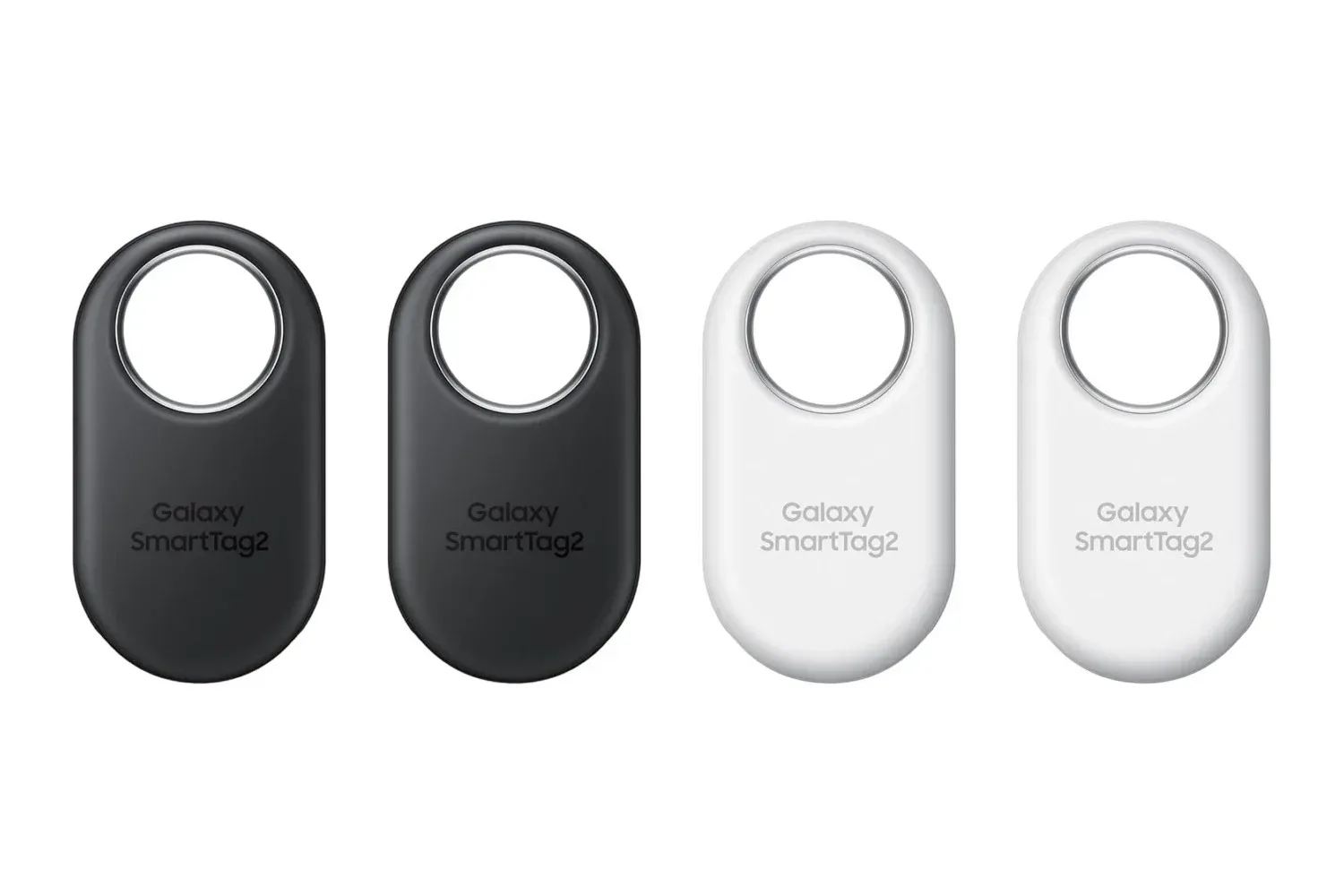
For readers weighing wearables more broadly, device-tracking accessories solve a very different problem. A recent Samsung Galaxy SmartTag2 four-pack listing, for example, concerns finding belongings rather than recording workouts, recovery or sleep. The distinction is useful when shopping: the vívoactive 5 is a personal activity and wellness watch with GPS, not a tracker intended to be attached to keys, bags or other objects.
Who the current listing may suit
At $191, the vívoactive 5 looks most relevant to a buyer who wants one device for several routine needs: GPS-backed outdoor workouts, a broad list of activity modes, sleep information, health snapshots, notifications and contactless payment support. Its quoted 11-day smartwatch-mode battery estimate also makes a stronger case for continuous use than a watch that needs frequent charging, particularly for users interested in overnight tracking.
It may be less straightforward for someone whose only need is basic notification delivery, or whose exercise never involves route tracking, sleep monitoring or multiple workout types. The feature set is extensive, and the value depends on whether the buyer will use its fitness and health tools rather than simply wear it as a second phone screen.
Potential buyers should also keep the deal context in view. The $191 figure is the listed Amazon price supplied here, against a $300 reference price, for $109 in stated savings. Retail listings can change, so the sensible move is to confirm the price, selected model and availability on the product page before completing a purchase.
As a package, the vívoactive 5’s strongest argument is balance. It offers a bright AMOLED screen and everyday wrist functions, but its more distinctive utility lies in combining standalone GPS, sleep and energy-oriented tools, a wide activity selection and a battery claim designed for round-the-clock wear.
Shop the products
Check current price, model and availability at the retailer.