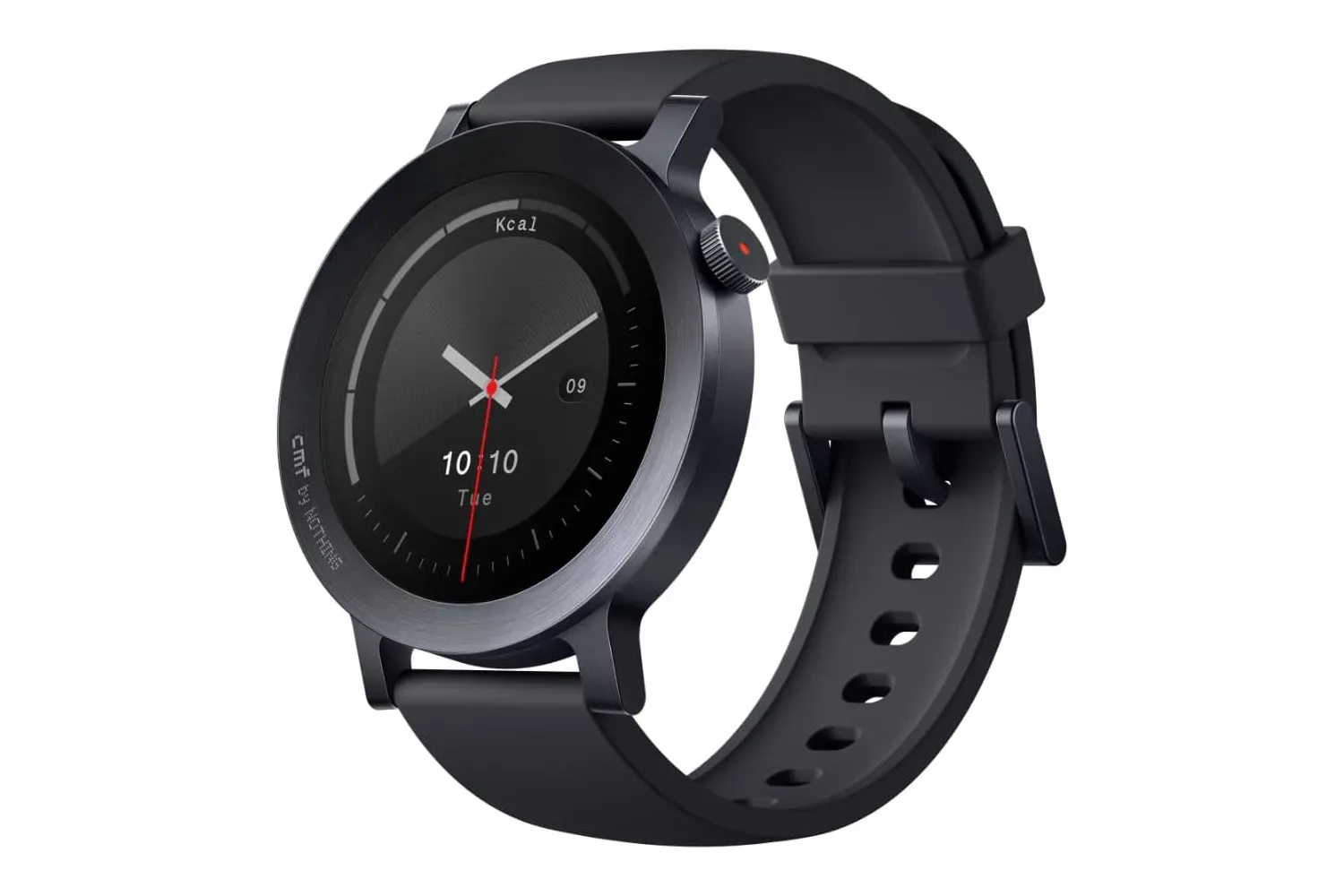
Smartwatches can become surprisingly expensive once a buyer starts looking for more than notifications on a wrist. Health metrics, exercise modes, phone-call support and battery life are often treated as premium extras. The CMF by Nothing Watch 3 Pro is positioned at the other end of that equation: it is usually listed at $79 and is currently listed at $59, a 25% reduction.
At that sale price, the central question is less about whether the Watch 3 Pro competes feature-for-feature with every expensive wearable and more about what it covers for a buyer who wants the basics in one device. The listed capabilities include heart-rate monitoring, sleep monitoring, 130 sport modes, a built-in microphone and speaker for calls, and battery life rated at up to 13 days. It also uses a minimalist design, an important practical point for anyone who would rather wear a watch that does not make every outfit look like it is preparing for a spacewalk.
What the $59 listing includes
The Watch 3 Pro’s appeal begins with breadth. A smartwatch at this price is being presented as a daily companion rather than a single-purpose step counter. It can handle standard smartwatch duties while also gathering health and fitness information, supporting exercise logging and enabling calls through the connected phone.
- Heart-rate monitoring: intended to keep track of heart rate during exercise or throughout regular use.
- 130 sport modes: activity profiles designed to track different kinds of exercise and estimate energy burned.
- Sleep monitoring: a feature intended to provide feedback on sleep.
- Built-in microphone and speaker: allowing calls to be taken via the watch while using a phone.
- Up to 13 days of battery life: the stated maximum battery figure.
- Minimalist styling: a less elaborate visual approach that may suit everyday wear.
That is a notably complete list for a device listed under $60, but it is useful to separate the feature list from guarantees about individual results. Health and activity functions can provide helpful trends and prompts, yet a watch’s readouts should not be treated as medical advice or a substitute for professional care. Likewise, a stated battery maximum is best understood as a manufacturer battery-life claim, not a promise that every combination of calling, tracking and screen use will reach 13 days.
Why the fitness features matter
Heart-rate tracking is one of the most recognizable wearable functions because it can turn a workout into something more measurable than “that felt difficult.” For someone exercising at a gym, walking, running or taking part in another supported activity, a heart-rate reading can offer a rough indication of intensity over time. The Watch 3 Pro is also said to estimate energy burn through its sport modes, which gives users a way to record activity in a more structured form.
The 130-mode figure is especially broad on paper. A sport mode is generally an activity-specific tracking setting: instead of filing every session under one generic exercise label, the device can categorize a workout under a selected mode. The benefit is organizational as much as anything else. People who alternate between several activities may prefer a watch that lets them distinguish those sessions rather than reducing everything to an undifferentiated daily total.
Still, more modes do not automatically mean more useful information for every owner. A person who only takes regular walks may use a small fraction of the available options. Conversely, a buyer who likes logging varied workouts may find a large mode selection more valuable than a more expensive design or a particularly flashy display. The important takeaway is that the watch is aimed at general fitness tracking, not solely at a narrow exercise niche.
Sleep monitoring is feedback, not a bedtime miracle
Sleep monitoring adds another dimension to the Watch 3 Pro’s daily use. Rather than only collecting data during active periods, the watch can offer feedback about sleep. That makes it potentially useful for people trying to recognize patterns in their routines, especially when they want a simple prompt to pay attention to rest as well as workouts.
There is a sensible limit here: tracking sleep does not itself create better sleep. The practical value is in the feedback and the habit it may encourage. Buyers should also remember that sleep and heart-rate features are wellness tools based on watch tracking, not diagnostic tools. Anyone with a health concern should not rely on wearable data alone.
Calling from the wrist changes the everyday proposition
The Watch 3 Pro includes a microphone and speaker, allowing calls to be taken through the smartwatch using a phone. This is a feature with a straightforward convenience case. If the phone is nearby but not immediately in hand, the wearer can use the watch rather than stop what they are doing to retrieve it.
That may be useful during a walk, while doing household tasks, or when a phone is sitting elsewhere in a room. It also makes the product feel closer to a general-purpose smartwatch than a fitness band, even though its sale price is firmly in budget territory. Crucially, the supplied information describes calls being made through the phone; it does not establish that the watch has independent cellular service, so shoppers should not assume it can replace a phone connection.
For prospective owners, that distinction matters. A wrist-based calling feature can be genuinely handy without being a standalone communications solution. Thinking about it as phone-connected call convenience is the clearest way to evaluate whether it fits a daily routine.
The battery claim may be the most practical specification
Smartwatch charging is one of the places where a low-maintenance device can make a bigger difference than a long specification sheet. The Watch 3 Pro is rated for up to 13 days of battery life. If that result suits a user’s actual habits, it would mean substantially fewer charging interruptions than a watch requiring frequent top-ups.
The wording up to deserves attention. Battery life changes depending on how a device is used, particularly when functions such as calls, health tracking and frequent interaction come into play. The supplied claim does not specify the testing conditions behind the 13-day figure, so it should be read as a maximum estimate rather than a universally expected outcome.
Even so, the claim points toward the watch’s likely priority: convenience over constant power management. For buyers who have avoided smartwatches because they do not want another gadget to charge every day or two, a long advertised runtime can be a meaningful reason to look closer.
A restrained design can be a feature in its own right
The Watch 3 Pro is described as having a minimalist look. Design is subjective, but that choice carries an everyday advantage: simpler styling can make a smartwatch easier to pair with different clothing and different settings. Not everybody wants a large, attention-grabbing device dominating their wrist.
Minimalism also fits the broader pitch. The watch is not presented as a luxury object or as a specialist training instrument. It is a relatively inexpensive connected watch that aims to combine common smartwatch functions, basic call access and a wide range of health and activity tools in a design intended to be easy to wear.
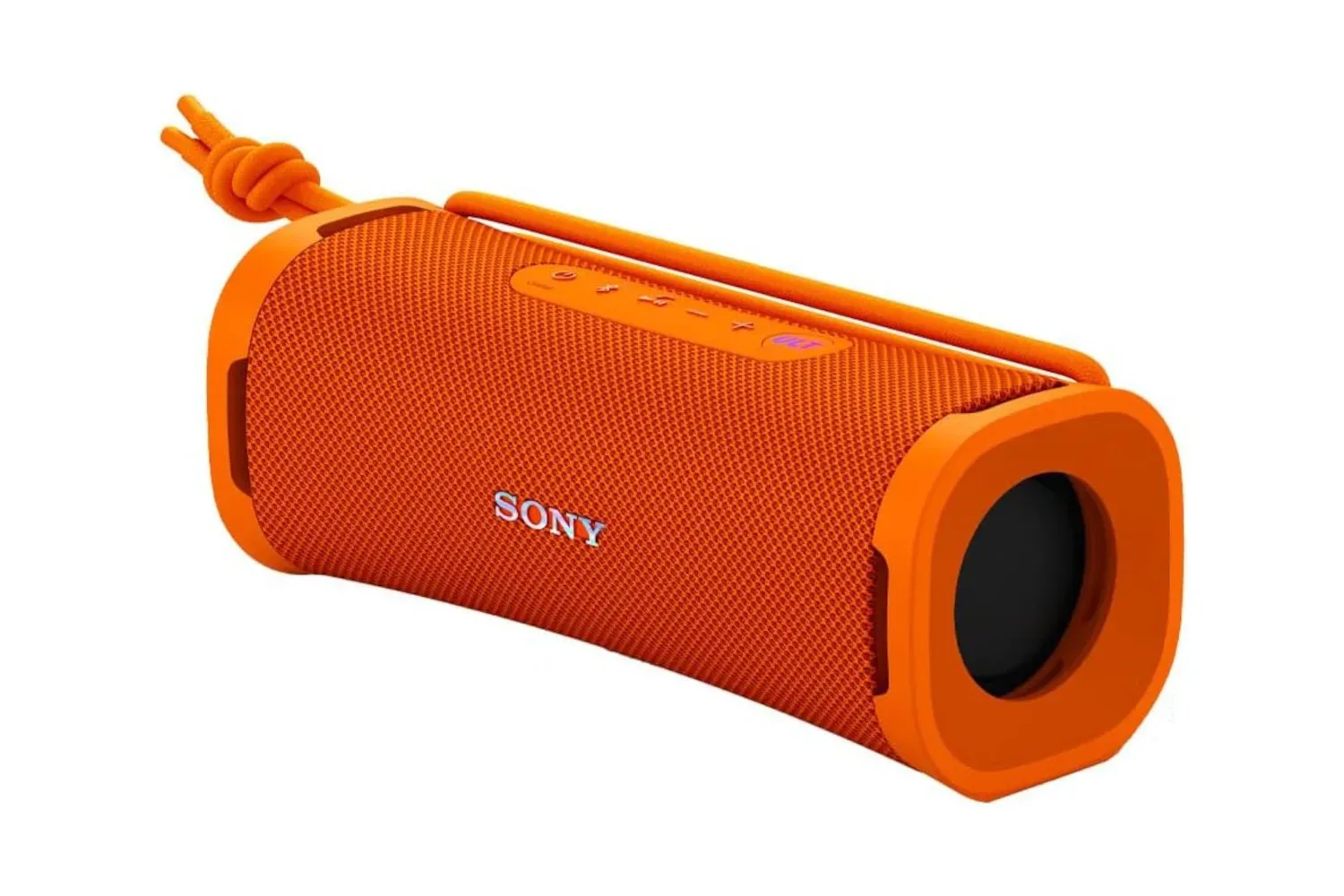
That broader value conversation is showing up across consumer technology. A recent portable-speaker price cut similarly illustrates how sale pricing can change the practical appeal of everyday hardware. The important lesson is not that every discount is automatically worthwhile, but that the final price should be weighed against the features a buyer will actually use.
Who should consider the Watch 3 Pro?
The Watch 3 Pro looks most relevant to someone who wants a smartwatch’s core convenience without starting at a high price. At $59, the device may make sense for a first smartwatch buyer, a casual activity tracker, or a person who values long claimed battery life and wants to take occasional phone calls without immediately reaching for a handset.
It may also appeal to users who do not need every wearable function imaginable. The supplied information supports fitness tracking, sleep feedback and call handling, but it does not provide details on app support, compatibility requirements, display specifications, durability ratings, charging time or the methodology behind its tracking estimates. Those omissions do not make the watch a poor option; they simply define what a careful buyer should verify before purchasing.
Questions worth checking before buying
- Confirm that the watch works with the phone you plan to use.
- Check the current retailer listing, since the $59 offer is described as temporary.
- Decide which features matter most: fitness logging, sleep feedback, wrist-based calls or reduced charging frequency.
- Read the battery claim as a best-case figure and consider how often you expect to use calling and tracking functions.
- Keep health expectations realistic: the watch can support wellness tracking, but it is not a replacement for medical assessment.
For the right buyer, the value case is easy to understand. The CMF by Nothing Watch 3 Pro’s usual $79 price already places it among more affordable smartwatch options, and the listed $59 sale price lowers that barrier further. Its package of heart-rate monitoring, 130 sport modes, sleep monitoring, phone-connected calls and up to 13 days of claimed battery life gives budget-minded shoppers several concrete functions to consider rather than a stripped-down novelty wearable.
Shop the products
Check current price, model and availability at the retailer.