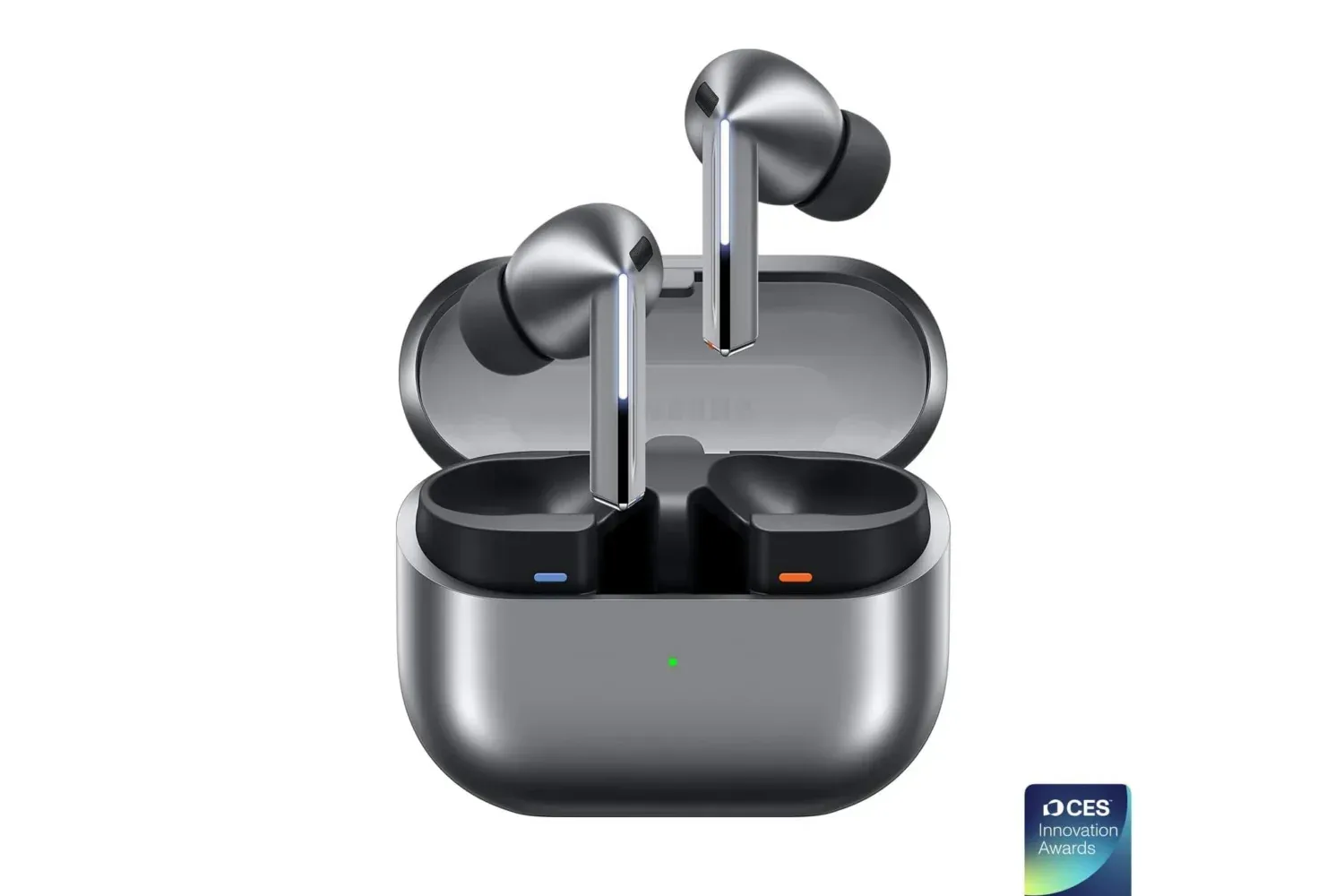
Samsung’s Galaxy Buds 3 Pro have been listed in a Black Friday promotion at Amazon for $100 for Prime members, a reduction of $90 from the stated $190 retail price. That is described as a 47% discount. Shoppers without Prime can reportedly buy the earbuds for $148, or 22% below the same retail price.
The difference between the two offers is substantial: Prime access lowers the price by another $48 compared with the non-member deal. For anyone already subscribed, that makes the promotion straightforward on its face. For everyone else, the calculation is less about the headline percentage and more about whether a Prime subscription is useful beyond this one purchase.
The listing also includes free shipping for both groups and an Amazon-exclusive two-year limited Samsung warranty. Availability and promotional pricing can change, so buyers should confirm the price, eligibility and warranty language on the product page before completing an order.
What the Galaxy Buds 3 Pro offer is meant to do
The Galaxy Buds 3 Pro are positioned as premium wireless earbuds with noise cancellation, adaptive sound tuning, touch controls and a translation feature that requires a compatible Galaxy phone. Those are familiar categories of earbud features, but the useful part is how they are intended to work together in ordinary use: listening in noisy places, taking calls, changing tracks without picking up a phone and moving between environments where background sound does not stay constant.
The central feature is Adaptive Active Noise Cancellation, often shortened to ANC. Active noise cancellation is a system designed to reduce unwanted ambient sound rather than merely physically blocking it. In this case, the adaptive element is described as automatically adjusting the amount of sound blockage to match noise in the wearer’s surroundings.
That distinction matters. A fixed noise-cancelling mode is one setting for every situation. An adaptive system is intended to react when the environment changes, such as moving from a quieter room into a louder space. It does not mean the outside world disappears, nor is it a guarantee that every kind of noise is reduced equally. It means the buds are designed to alter their noise-control behavior without requiring constant manual adjustment.
For gamers and commuters alike, the practical appeal is obvious: less attention spent repeatedly opening an app or changing a setting, and more attention left for the game, music, call or video. Whether that is valuable depends on where the earbuds will be used. Someone listening mostly at a desk may care more about sound and comfort, while a person regularly travelling through busy places may put adaptive noise management at the top of the list.
Adaptive equalizer: sound tuning without constant setting changes
The earbuds also include an adaptive equalizer. An equalizer, or EQ, adjusts the balance among frequency ranges in audio. In simple terms, bass covers lower-frequency weight and impact, mids carry much of the body of voices and many instruments, and treble contributes higher-frequency detail. An adaptive EQ is described here as adjusting bass, mids and treble according to how the earbuds are being worn and the surrounding environment.
That is a convenience feature more than a promise of one universal sound signature. Audio preference is personal: one listener may want more bass for a soundtrack, while another wants clearer speech in a podcast or voice chat. The stated benefit is that the Buds 3 Pro can make their own adjustments rather than asking the user to fine-tune those bands every time conditions change.
For gaming use, the sensible expectation is not that an equalizer can create details that are absent from a game’s audio mix. Rather, it may help preserve a balanced presentation as the buds’ fit and outside conditions vary. Buyers particularly invested in competitive audio should still consider their wider setup, including platform compatibility and whether they need a dedicated microphone solution. The reported promotion speaks to the buds’ feature set and price; it does not establish suitability for every game, chat service or device.
Translation depends on a compatible Galaxy phone
Another listed function is Real Time Interpreter, which can translate speech into a preferred language as it is spoken. There is an important limitation attached to that capability: it requires a compatible Galaxy phone.
That requirement should be treated as a buying checkpoint, not a footnote. A feature linked to a compatible phone is not necessarily available to every person who can connect Bluetooth earbuds. Prospective buyers should confirm that their specific Galaxy handset supports the function and should not assume the translation tool will behave identically across other phones.
Its intended use case is clear: helping a wearer follow a conversation when travelling or communicating across languages. But it should be understood as an assistance feature, not a substitute for verifying important information in situations where precision matters. Translation technology can be useful while still having limits tied to language, context, connection and device compatibility.
Touch controls are about fewer interruptions
The Galaxy Buds 3 Pro also offer touch controls for tasks such as pausing music and answering calls. This is one of the least flashy features and potentially one of the most useful. The advantage is reducing the need to reach for a phone when an interruption arrives or when a track needs to be paused.
For someone switching between a mobile game, a music playlist and a call, that can make a wireless setup feel less fussy. It is also worth separating the concept from a specific control scheme: the available information establishes that touch controls are present, but does not detail every gesture, customization option or device behavior. Buyers looking for particular controls should verify the product details before treating any one gesture as guaranteed.
How to read the two prices
The reported $100 Prime price is the noteworthy figure because it places these earbuds at a level often associated with less expensive models, while retaining the listed premium-oriented features. The $148 non-Prime price remains below the stated $190 retail price, but it changes the value conversation.
- Prime members: The comparison is simple: $100 versus the stated $190 retail price, a $90 reduction.
- Non-members who do not want Prime: The relevant listed price is $148, a $42 reduction from retail.
- Non-members considering a subscription: Compare the $48 gap between the two earbud prices with the cost and usefulness of the membership across all intended purchases, rather than treating one deal as the entire decision.
That last group should avoid a common sale-season trap: treating a bigger percentage as an automatic saving. A membership can make sense for people who already expect to use its included benefits or make additional eligible purchases. If it is being considered solely to reduce the price of one item, the membership cost and terms are part of the true total.
The broader Black Friday context also makes verification especially worthwhile. Product pages may show different pricing based on account status, stock, shipping destination or changing promotion rules. Check the displayed total at checkout, make sure the correct earbud model is selected and read the limited-warranty description. The two-year coverage is a meaningful part of the listing, but “limited” indicates that terms and exclusions matter.
A sensible checklist before buying
- Confirm whether the account qualifies for the reported $100 Prime price or the $148 non-member price.
- Verify the product is specifically the Galaxy Buds 3 Pro.
- Check compatibility if Real Time Interpreter is a reason for buying; the feature requires a compatible Galaxy phone.
- Read the two-year limited warranty terms instead of relying only on the headline length of coverage.
- Decide which listed benefit actually matters most: adaptive noise cancellation, automatic sound adjustment, touch controls or translation support.
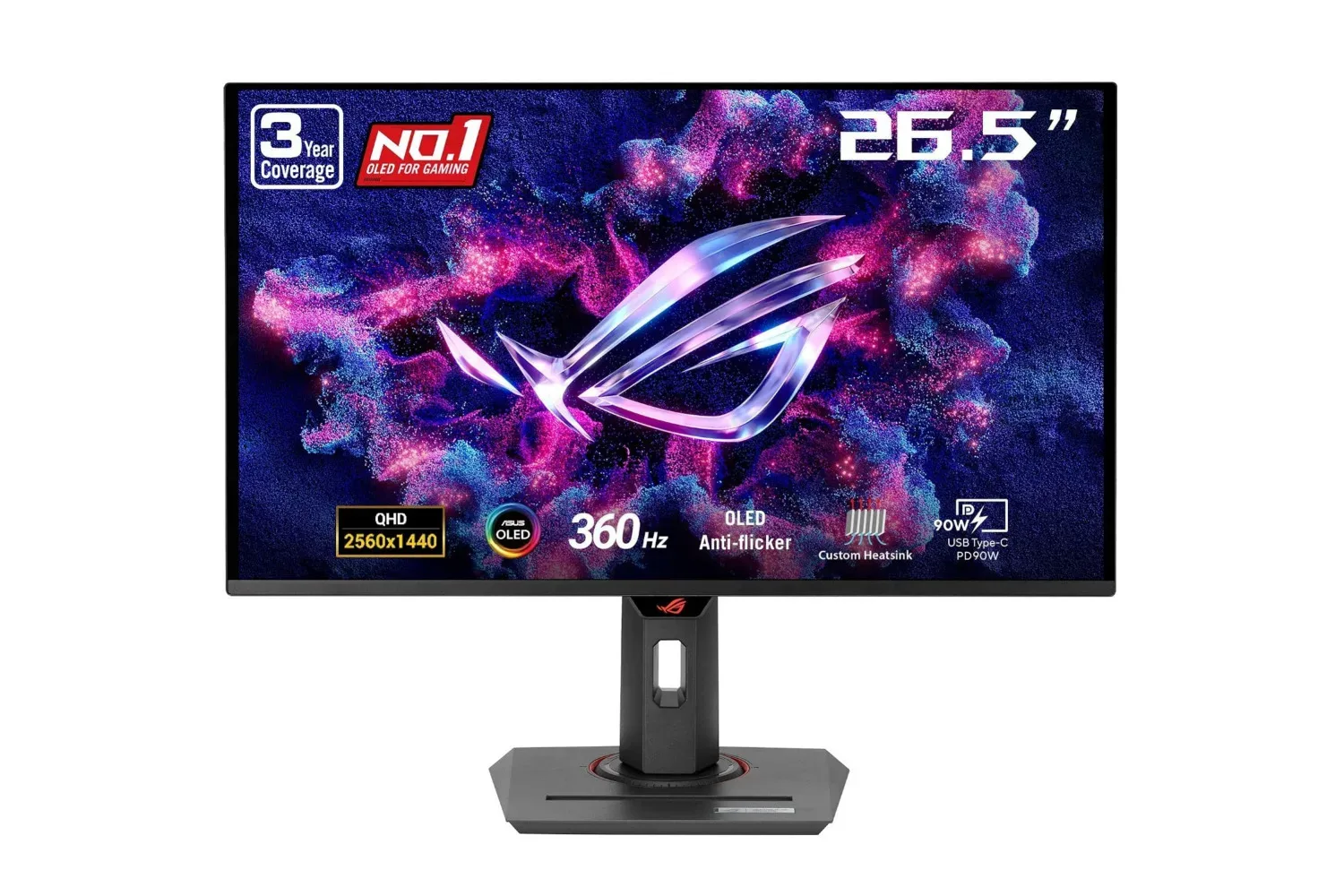
For shoppers building or refreshing a gaming desk, it is also worth comparing the earbud purchase with other sale-season upgrades rather than assuming audio is the best place to spend first. A display, for example, addresses a different part of the experience; this discounted QHD OLED gaming monitor listing illustrates how varied Black Friday hardware decisions can be. The right choice comes down to the weakest link in a person’s existing setup, not the loudest discount label.
The Galaxy Buds 3 Pro promotion is therefore most compelling for shoppers who can actually use the feature set and already have Prime access. At the reported $100 price, adaptive noise cancellation, adaptive EQ, touch controls, compatible-phone translation support and the listed limited warranty form a notably different proposition than at full retail. At $148, the discount is still present, but prospective buyers have more reason to compare their needs, compatibility and the value of waiting for another offer.
Shop the products
Check current price, model and availability at the retailer.