A handheld gaming system is a wonderfully efficient travel companion: one device, a library of games and a credible way to make a delay feel less like a delay. It is also electronic equipment with a rechargeable battery, cables and sometimes a separate power bank—all things that can draw extra attention at an airport security checkpoint if they are buried in a packed bag.
The important distinction is between screening procedure and airline carriage rules. A device may be permitted to fly yet still need to come out of a bag for a clearer X-ray image. Conversely, an item might look perfectly ordinary on the scanner but be restricted because its battery type, capacity or design does not meet the airline’s conditions. The practical goal is not to assume every checkpoint works identically; it is to have the relevant hardware accessible, charged and easy to identify if requested.
For a gaming-focused travel bag, that usually means putting a handheld, tablet, laptop, charging brick and power bank where they can be quickly reached. If an officer directs travellers to leave an item in a bag, follow that instruction. If asked to remove it, remove it. The procedure at the lane takes priority over a packing routine that worked at another airport.
The core issue: lithium batteries and where they belong
Modern handheld systems, phones, tablets, laptops, smartwatches and many accessories use lithium-ion batteries. A lithium-ion battery is rechargeable. Lithium metal batteries are generally non-rechargeable cells, such as certain AA batteries and coin cells. The distinction matters because the rules cited for each type use different measurements and limits.
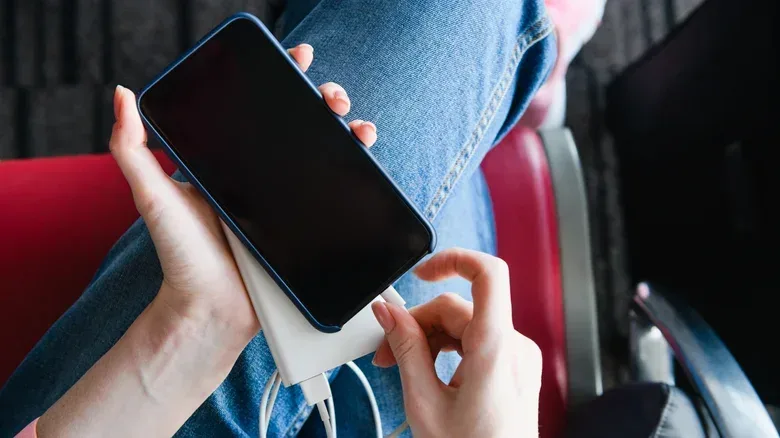
Portable power banks are a particular concern because they are effectively standalone lithium batteries. They need to travel in carry-on baggage rather than checked luggage. The safety rationale is straightforward: lithium batteries can overheat and potentially cause a fire, and a battery issue is more readily addressed in the cabin than in the aircraft’s cargo area.
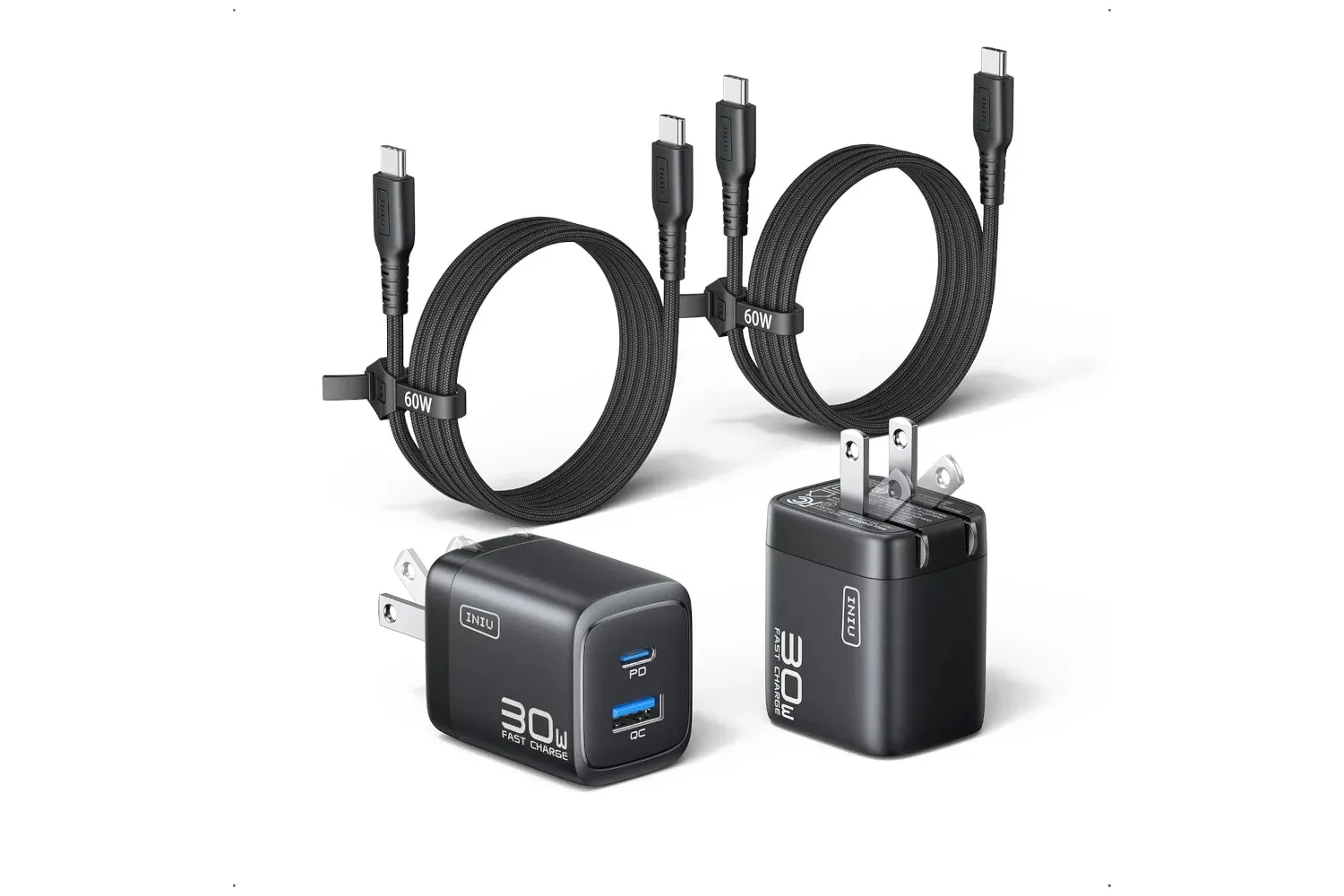
That is good news for a player carrying a handheld and a backup charger: the power bank belongs in the same cabin bag as the console. It also means that simply tossing every cable and battery accessory into checked baggage to lighten the backpack is not a safe workaround. Keep battery-powered gear and spare battery packs organized in the carry-on, and check the product specifications before departing.
What watt-hours mean
Battery capacity can be displayed in watt-hours, abbreviated Wh. This is the measurement used for the 100Wh threshold described for most portable power banks. Many consumer models fall below it. If a label does not state watt-hours, the supplied calculation is:
mAh × voltage ÷ 1,000 = Wh
Milliamp-hours, or mAh, measure electrical charge; they do not by themselves tell a traveller the energy capacity relevant to this threshold. Voltage completes the calculation. A 20,000mAh pack operating at 3.7 volts, for example, works out to 74Wh. That is below 100Wh. The 25K Anker Power Bank is another cited example: its 90Wh capacity is within that mark and it is marketed as flight approved.
“Flight approved” can be a useful packaging cue, but it is not a substitute for checking the actual Wh rating or an airline’s policy. A large laptop-oriented battery pack may exceed 100Wh. Lithium-ion batteries above that amount are not allowed in checked baggage and may only be carried in the cabin under special circumstances with airline approval. Even then, the cited limit is two per person.
For a standard handheld-gaming kit, the sensible pre-flight check is simple: find the Wh rating on the power bank itself, its documentation or the manufacturer specifications; keep it in the cabin bag; and do not rely on mAh alone. This is especially worthwhile for anyone who has accumulated several chargers over time and no longer remembers which high-capacity model went into which pouch.
Security screening: make the tech legible
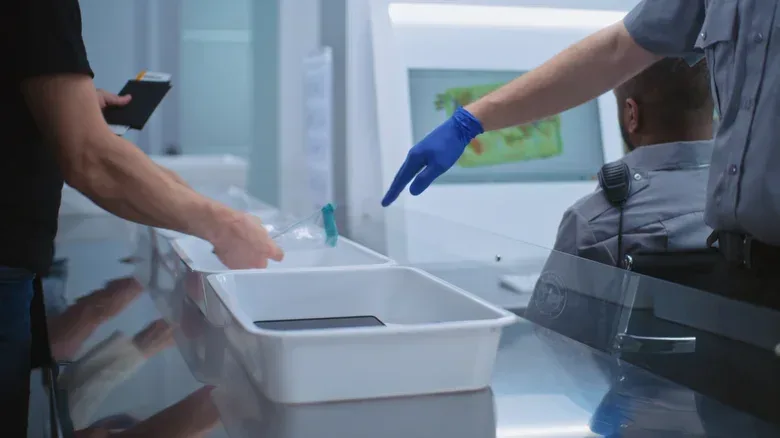
A dense cluster of electronics can create an image that requires a closer look. A bag may therefore be set aside even when every device is allowed. That is not necessarily a problem or an accusation; it may just mean a screener needs to inspect and identify what the scanner saw.
Laptops should at minimum be removed for the security scan. Phones, tablets and portable gaming systems may also need to be taken out, unless agents give different instructions. Keeping a handheld in a case that can be removed in one motion is therefore more useful than nesting it underneath clothes, cables, a power bank and a snack supply.
There is also a basic operational reason to charge devices before travel. A security agent may ask a traveller to power on electronics to establish that they function. A dead handheld, tablet or phone is not automatically evidence of anything improper, but it does eliminate the fastest way to demonstrate what the device is. Charge before leaving for the airport, or make sure the allowed power bank is ready to supply enough power.
For phones, placing the device visibly in a bin may be requested. Travellers concerned about putting it directly against the hard plastic can place it atop a jacket, scarf or another item. The same larger principle applies to gaming gear: do not conceal it in a way that makes both removal and identification needlessly awkward.
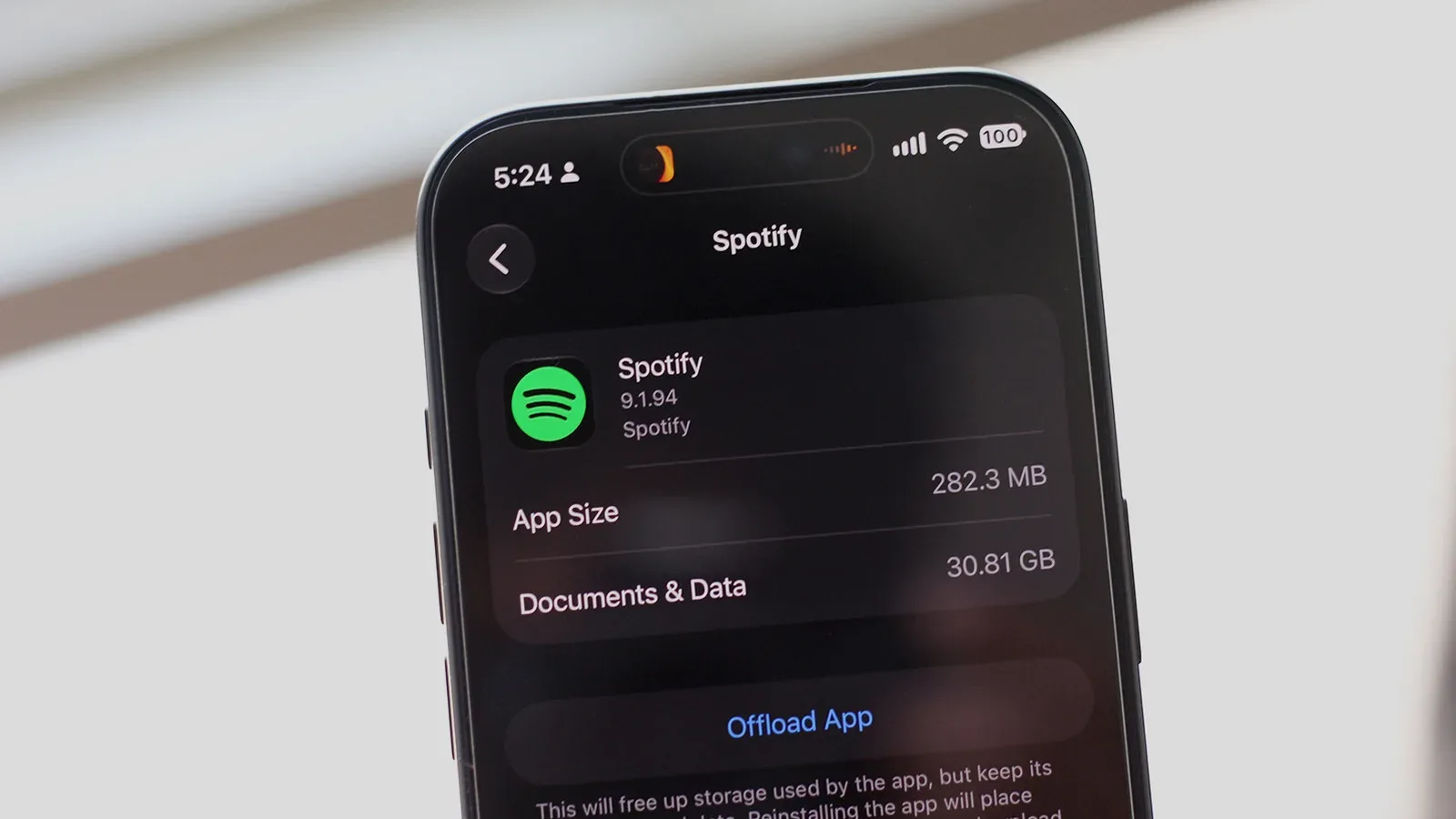
The travel setup can also benefit from a little storage discipline at home. A phone burdened by offline downloads or cache data is less useful on a trip, particularly if it is also serving as a boarding-pass device. Our guide to finding downloads and clearing Spotify cache covers one common way storage can disappear before a journey.
Small devices can still cause a secondary inspection
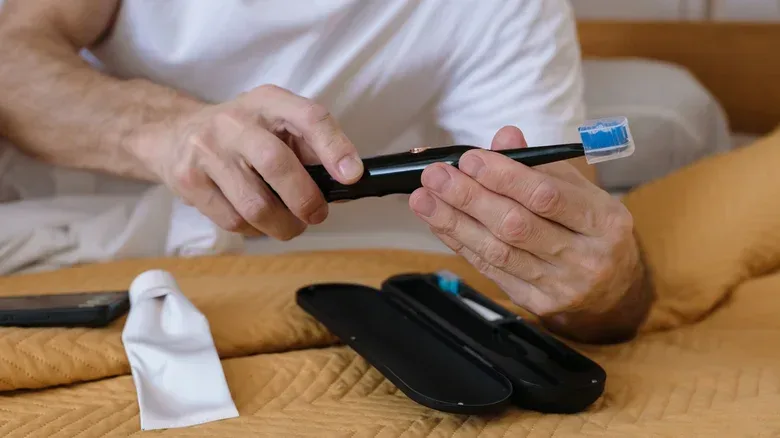
Not every issue is about capacity. Electronic toothbrushes are permitted in carry-on luggage under the battery-related guidance, but they can still create a very avoidable moment if they switch on in a bag. The same applies to compact massagers and other portable devices that can buzz unexpectedly. Fully power them down before packing.
That point translates neatly to gaming accessories. Switch off wireless controllers, handhelds and other battery-powered peripherals rather than assuming a sleep state, loose button or travel case cannot activate them. The cited concern is the unexpected buzzing of a portable device prompting further investigation; a deliberate power-down reduces the chance of that kind of confusion.
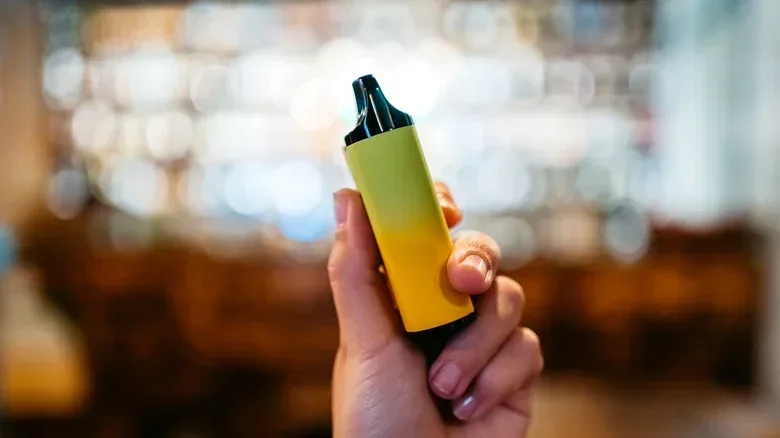
Electronic cigarettes and vapes must also be in carry-on baggage, not checked baggage. They are not gaming devices, but a traveller carrying one alongside a console should know that it is another battery-powered item subject to cabin rules. Southwest Airlines is noted as allowing only two per person and prohibiting both charging and use on the plane. Airline rules can be more specific than the general screening expectation, so confirm the carrier’s policy rather than assuming a rule transfers unchanged between airlines.
Laser pointers are another example of why “small electronic gadget” does not equal “universal cabin item.” They are generally allowed, but rules vary: Air Canada does not allow laser pointers on board and requires checked luggage. This is a useful reminder for gaming travellers who carry unusual accessories for events, streaming or displays. Check the actual item and the actual airline, not just its size.
Smart luggage, trackers and ride-on bags need separate checks
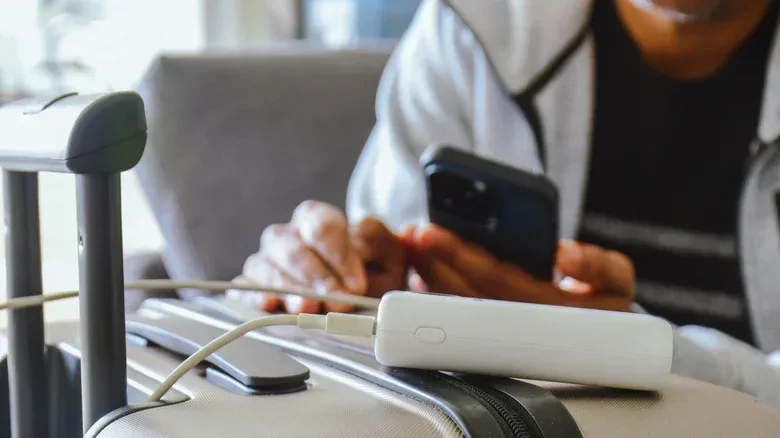
Smart luggage may include integrated chargers, charging ports, GPS-finding trackers or Bluetooth locks. These features can turn an ordinary suitcase into a battery-policy question. If checking the bag, remove its batteries first. Removable power banks are common in this category and are usually intended to be taken out for charging anyway.
A carry-on smart bag may be acceptable when its charger is within the relevant lithium-battery limit, but a non-removable battery can cause trouble. Permission may depend on whether the bag and battery meet applicable size requirements, and the final decision can rest with the security agent and flight crew.
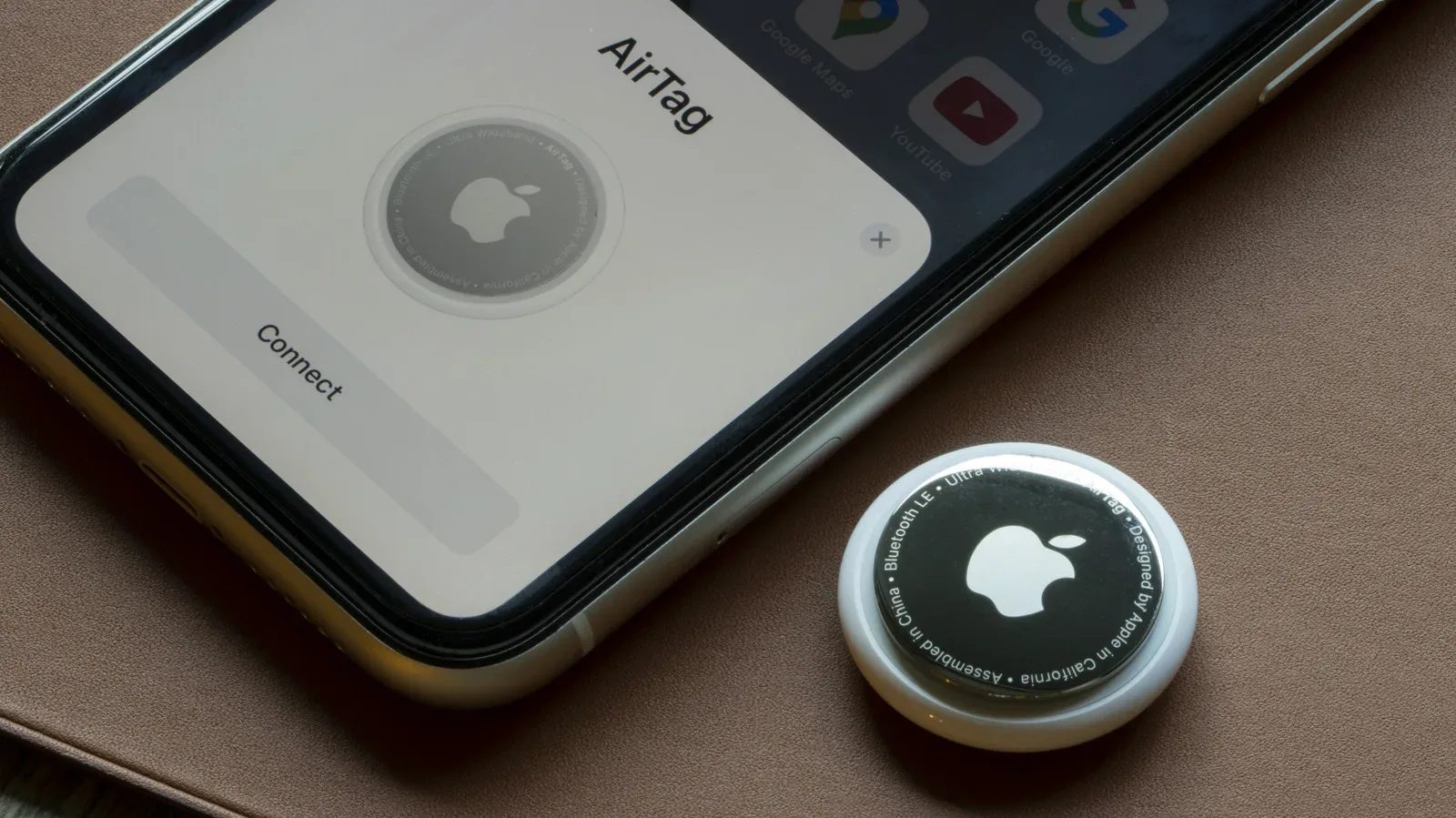
Trackers have their own battery specifications. The cited ceiling is 0.3 grams of lithium metal or 2.7Wh for lithium-ion. Apple AirTags are identified as acceptable in luggage: their non-rechargeable CR2032 cell contains less than 0.1 grams of lithium and is below 0.7Wh. Still, airlines can impose stricter rules, so a tracker being physically small does not eliminate the need to verify the carrier’s requirements.
Ride-on bags and hoverboard-style transport are a much less forgiving category. Rules vary widely, and multiple carriers have prohibitions. American Airlines does not permit smart ride-on bags. Delta Air Lines does not allow motorized rideable suitcases. Air Canada does not permit electric skateboards, airwheels, mini Segways, balance wheels, battery-assisted bikes or electric scooters. Hoverboards are not permitted on planes because of safety and fire concerns. A rechargeable handheld and a compliant power bank are one thing; a wheeled device designed to transport a person is another entirely.
A practical carry-on routine for players
- Check every power bank’s Wh rating. Put portable power banks in the cabin bag, not checked baggage. Calculate Wh from mAh and voltage if the rating is not printed.
- Keep the handheld accessible. Pack it so it can be removed quickly if the security lane requires it, along with laptops and tablets.
- Charge before travel. An agent may ask for a device to be powered on, so do not arrive with the console or phone fully depleted.
- Power down accessories. Avoid a toothbrush, massager, controller or other device unexpectedly activating in transit.
- Separate airline rules from checkpoint habits. A security instruction at the lane should be followed, while battery limits, trackers, smart luggage and ride-on products need airline-specific checking in advance.
- Do not bring a Samsung Galaxy Note 7. The recalled 2016 phone remains prohibited in both checked baggage and the cabin because of known fire hazards.
The best travel loadout is not necessarily the smallest one. It is the one whose batteries are compliant, whose devices can be identified without excavating the whole bag, and whose owner can adapt when the lane asks for a different procedure. That leaves more time for the actual purpose of bringing a handheld: playing it after the security checkpoint, rather than explaining it at one.