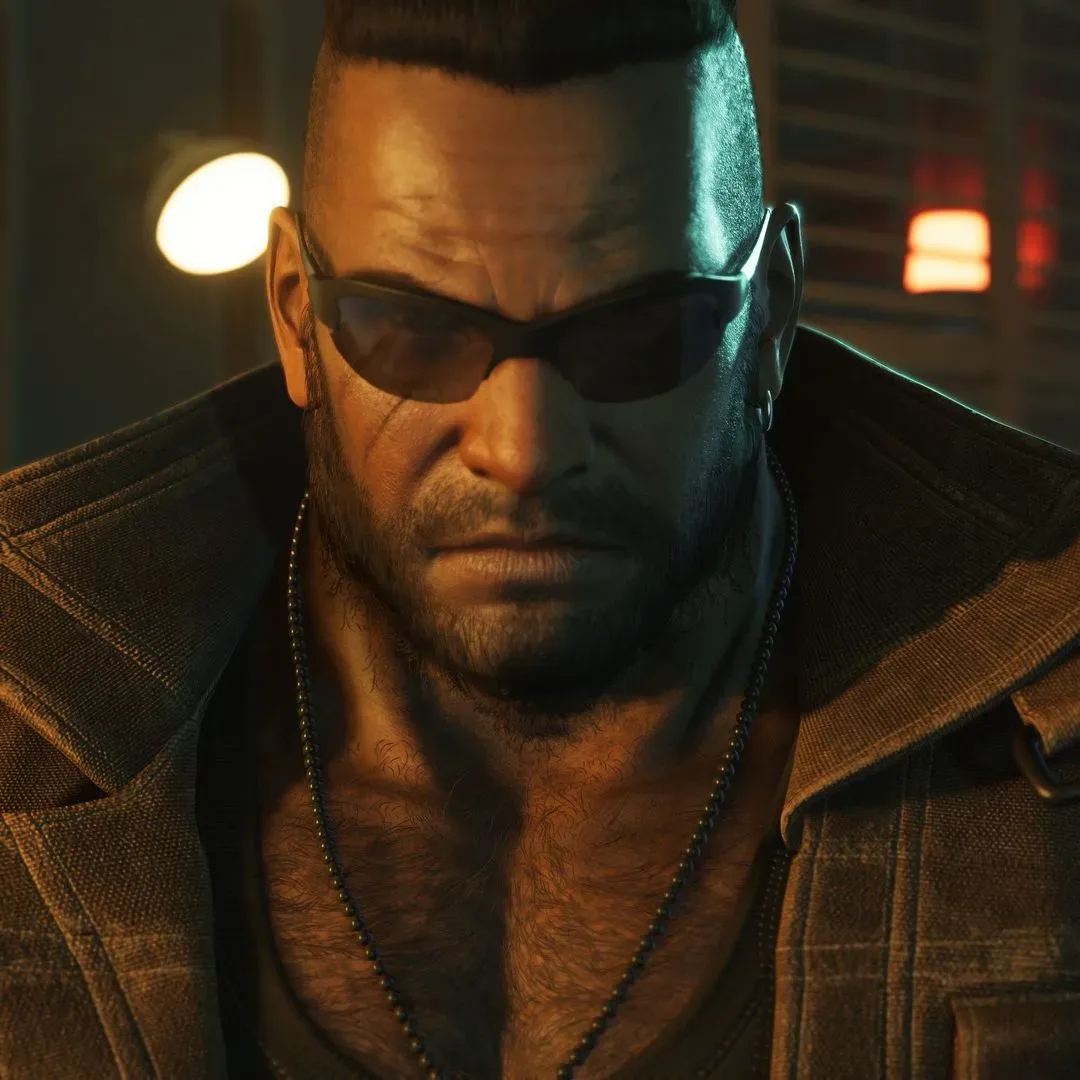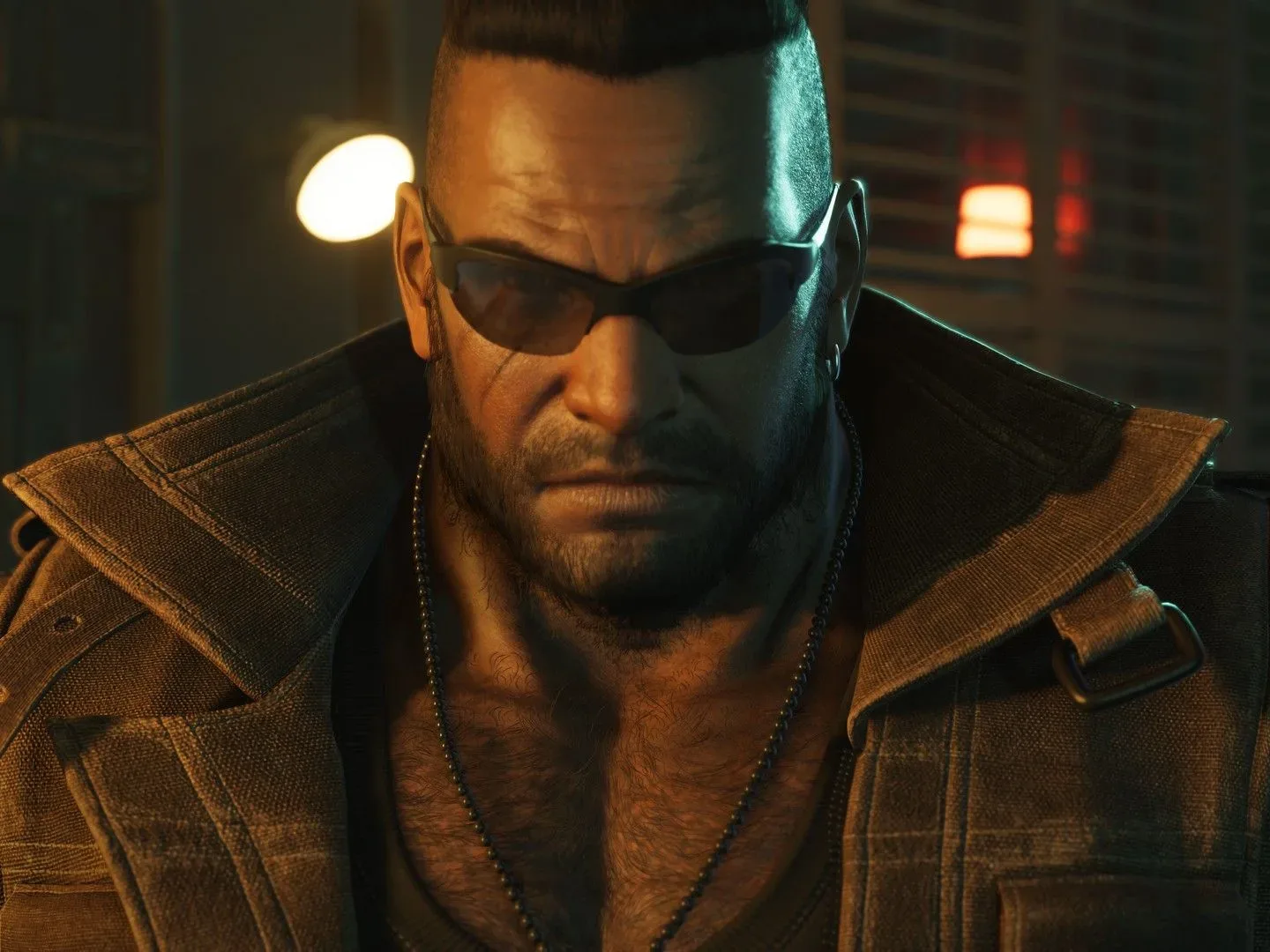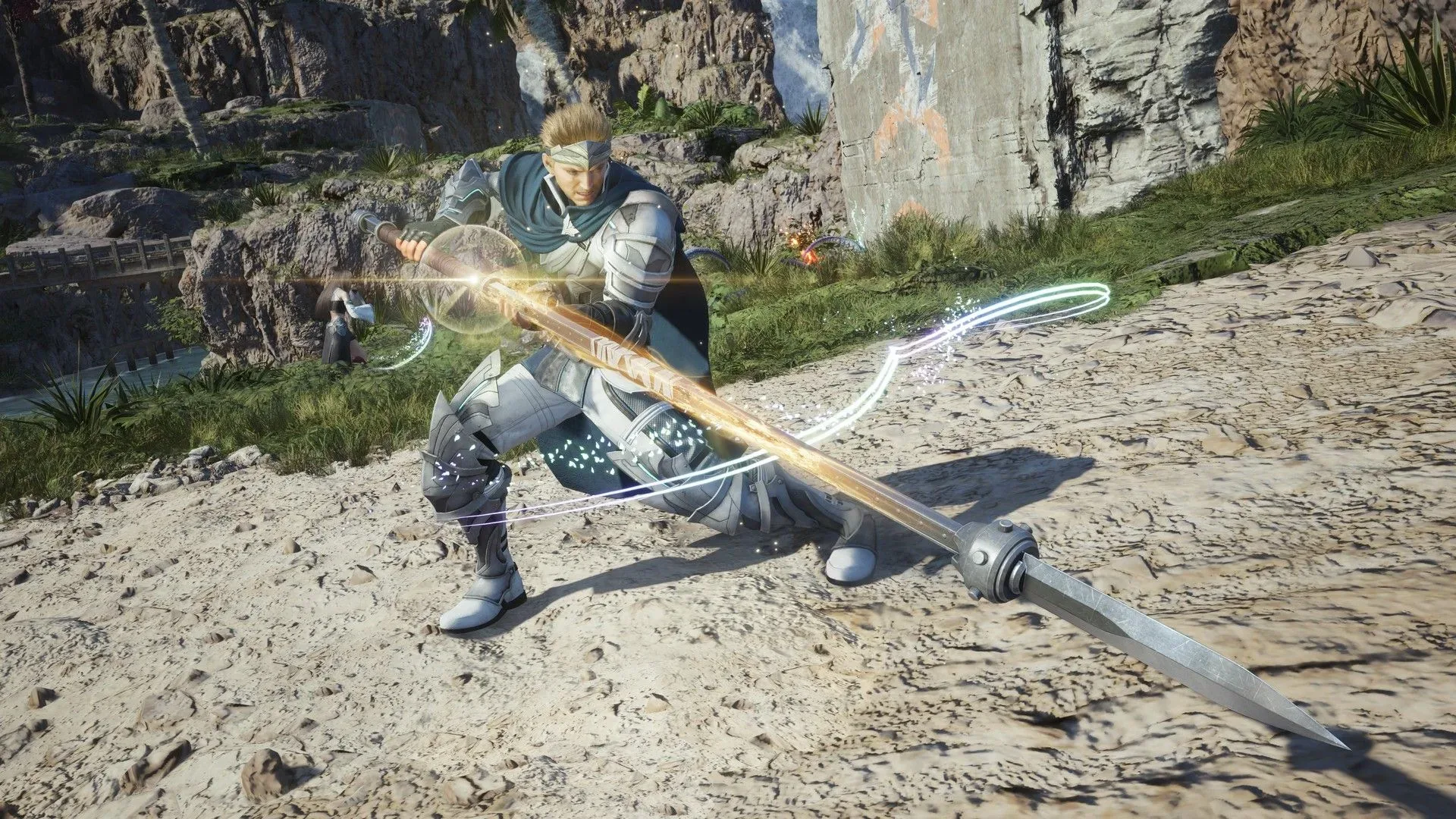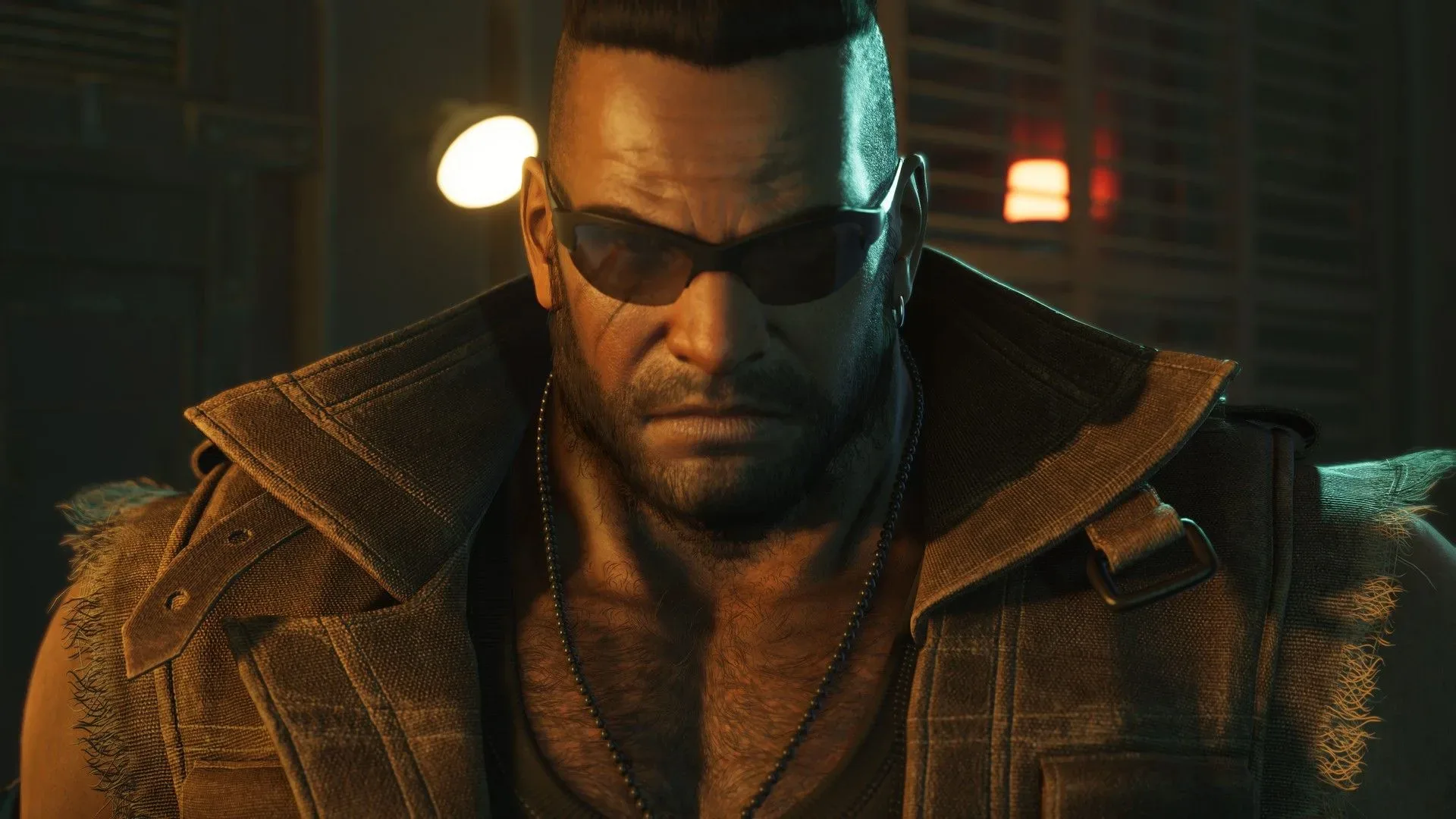
Final Fantasy 7 Revelation is bringing back Knights of the Round, the famously excessive Final Fantasy 7 summon whose reputation has survived decades of players, strategy guides, and deeply regrettable chocobo-related errands. This time, however, the Arthurian lineup will not simply arrive to vaporize an enemy and commandeer the screen for an epic animation. Players will have to defeat the summon entity first.
That premise apparently demanded more work than expected. Game director Naoki Hamaguchi has confirmed that the development team held what he called an emergency meeting after combat director Teruki Endo determined an early version of the encounter was not powerful enough. The result was a decision to revisit the battle from the ground up, with art and motion leadership involved in the discussion alongside the game’s directors.
It is a wonderfully specific kind of Final Fantasy production problem: a boss built around 13 gigantic Arthurian knights was deemed insufficiently intimidating, so the team took the extraordinary-sounding route of rebuilding it. For fans who remember what Knights of the Round represented in the 1997 original, the choice makes a certain amount of sense. This is not a summon with a modest legacy to protect.
A summon that was never supposed to feel ordinary
In the original Final Fantasy 7, Knights of the Round materia stood near the summit of player power. Getting it was itself an undertaking, tied to the game’s notoriously elaborate chocobo systems. The process has long been remembered as one of the adventure’s most convoluted optional pursuits, requiring players to invest serious time in capturing, breeding, racing, and otherwise managing chocobos on the way to an isolated reward.
The payoff was immense. Knights of the Round became synonymous with overwhelming force: an extended sequence of armored figures attacking in turn, capped by a scale of spectacle that was remarkable for the era. Its cinematic length was part of the legend, even if repeated use could turn that magnificence into a test of patience. Players eventually found a glitch that could bypass the animation, a very practical response to seeing the same parade of destruction again and again.
Revelation has a different task. The summon cannot only be a reward for persistence; it needs to work as a memorable modern battle before it becomes a player tool. Hamaguchi reiterated that Knights of the Round will appear in the trilogy’s finale and described the team’s goal as making it a very formidable enemy because of the materia’s standing in the original game.
That framing places Knights of the Round in line with a major approach used elsewhere in the Final Fantasy 7 Remake trilogy: summons are not merely menu selections or flashy attacks. They can be opponents whose defeat earns the player the right to call on them later. In this case, the challenge is considerably bigger in both mythology and head count. The stated plan is for players to fight all 13 massive knights before gaining access to the summon.
The emergency meeting was about matching a legacy
Endo’s concern was blunt: the first pass needed to be stronger. Rather than making a small balance adjustment and moving on, the issue escalated into a wider conversation between directors. Hamaguchi described having to explain that the combat side wanted a tougher boss entity, requiring the group to start again from scratch.
Related coverage includes Final Fantasy 7 Revelation Rebuilds Knights of the Round Boss Fight After Difficulty Concerns.
That does not reveal exactly how the redesigned encounter will work. There are no confirmed attack patterns, phases, party restrictions, arena details, or footage of the battle to examine yet. It would be premature to assume the 13 knights will function as 13 independent targets, one collective foe, or a succession of separate tests. Nor is there enough information to say how closely their visual identities or combat roles will resemble the original summon sequence.
Still, the production decision says something useful about the target. The team is not treating Knights of the Round as a checklist item that can be included simply because fans expect it. Its original role was to represent something rare, difficult to obtain, and absurdly powerful. A battle that felt routine would clash with that history, especially in a finale expected to carry some of the trilogy’s largest confrontations.
There is also a sensible mechanical concern behind the spectacle. A modern action-RPG boss has to do more than look impressive when it enters. It needs readable dangers, a satisfying rhythm, and enough pressure to make victory feel earned. With 13 knightly figures available, the design team has a huge pool of possible visual and tactical ideas, but more moving parts do not automatically create a better fight. A rebuild suggests the developers are aiming to make that scale serve the encounter rather than merely decorate it.
Why the number 13 matters
Knights of the Round’s identity is inseparable from abundance. Where many summons are a single creature, elemental force, or deity, this one evokes an entire legendary order. That makes it particularly suited to a boss battle format, but also raises the stakes. Players will expect a sense that they are confronting a collective force rather than a standard monster with an especially dramatic introduction.
The remake project has repeatedly reinterpreted familiar material through expanded scenes, altered structures, and more active combat. Knights of the Round offers another chance to translate an iconic 1997 idea rather than reproduce it exactly. In its first incarnation, much of its grandeur came from the sequence players watched. In Revelation, that grandeur has to be felt while players are responsible for surviving it.
That difference should matter even to people who never chased the original materia. A demanding optional summon fight can act as a self-contained peak of systems mastery, asking players to understand party composition, timing, defensive choices, and whatever progression options Revelation ultimately offers. Of course, it remains unconfirmed whether this encounter will be optional, when it appears, or what its unlock conditions will be. The only firm point is that fighting the knights is part of obtaining their power.
For a broader example of a major franchise thinking about how to give its threats physical scale, StarCraft’s planned open-world shooter is also focused on making iconic enemies feel enormous. Revelation’s challenge is different, but the underlying question is familiar: how can a new game make a celebrated old name feel as formidable as memory says it was?
Release plans and what remains unknown
Final Fantasy 7 Revelation is scheduled to launch next April on all consoles and PC. No further platform-by-platform breakdown is provided here, and the available information does not establish the precise release date or clarify whether every version arrives simultaneously beyond that broad launch description.
One additional detail around the release is already notable: physical-disc buyers will still need to download data. The stated reason is that the team did not want to make compromises. That aligns with the scale implied by a finale attempting to house enormous boss encounters and a broader conclusion to the trilogy, though the size of the download and its exact purpose have not been specified.
For now, Knights of the Round remains an anticipation engine more than a revealed fight. There is no gameplay demonstration, no official difficulty rating, and no promise that it will reclaim every quirk associated with its original version. But the emergency rebuild is a clear signal of intent. The developers know that this is the summon players remember for turning a hard-earned materia slot into a small apocalypse.
Revelation therefore has an unusually high bar to clear. It must make players believe that confronting 13 enormous knights is dangerous enough to justify the name, then make the eventual summon feel like a reward worthy of the trouble. If the revised battle achieves that balance, the old chocobo pilgrimage may finally have a modern counterpart: less breeding, presumably, and substantially more surviving a round table that has decided it does not care for visitors.