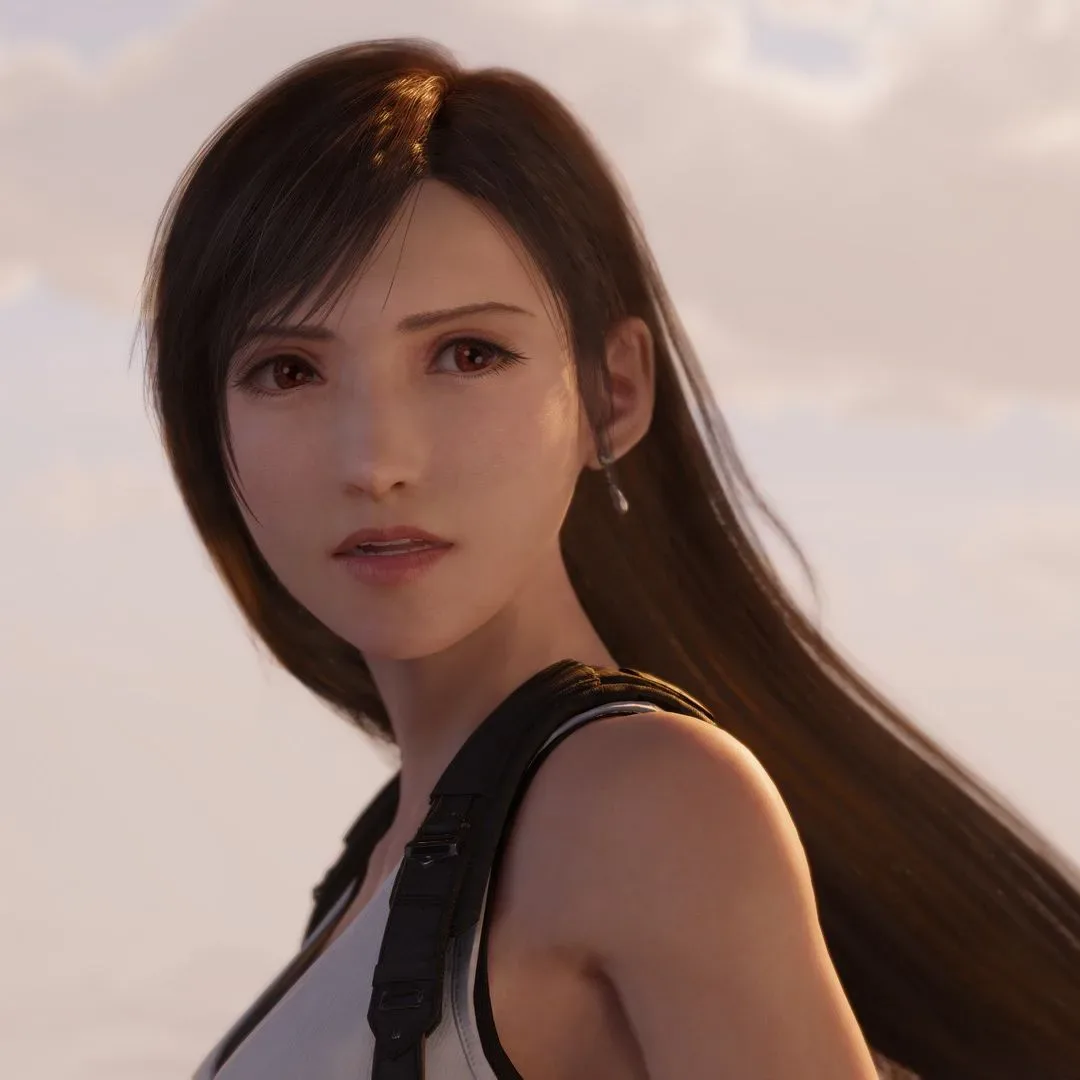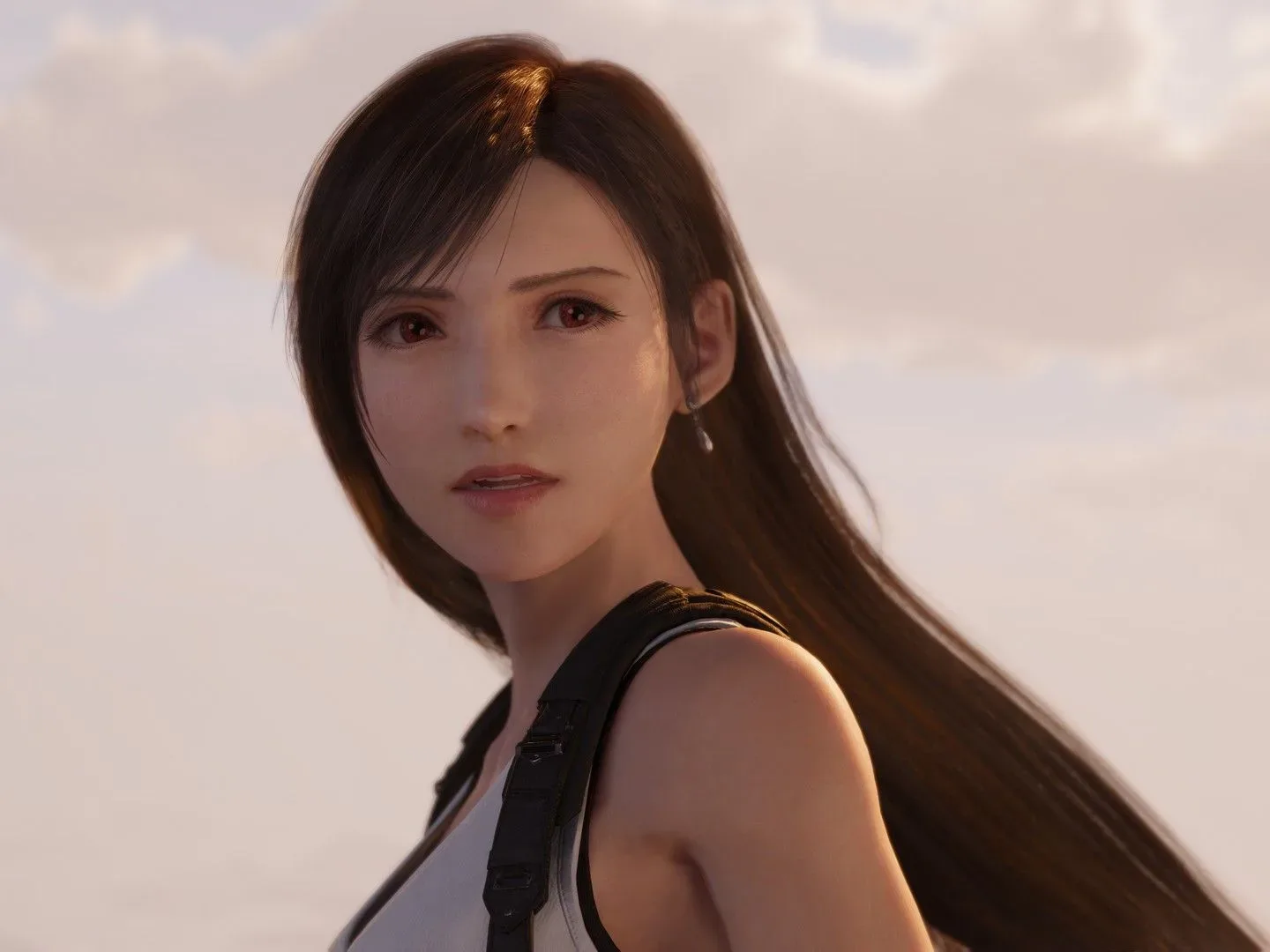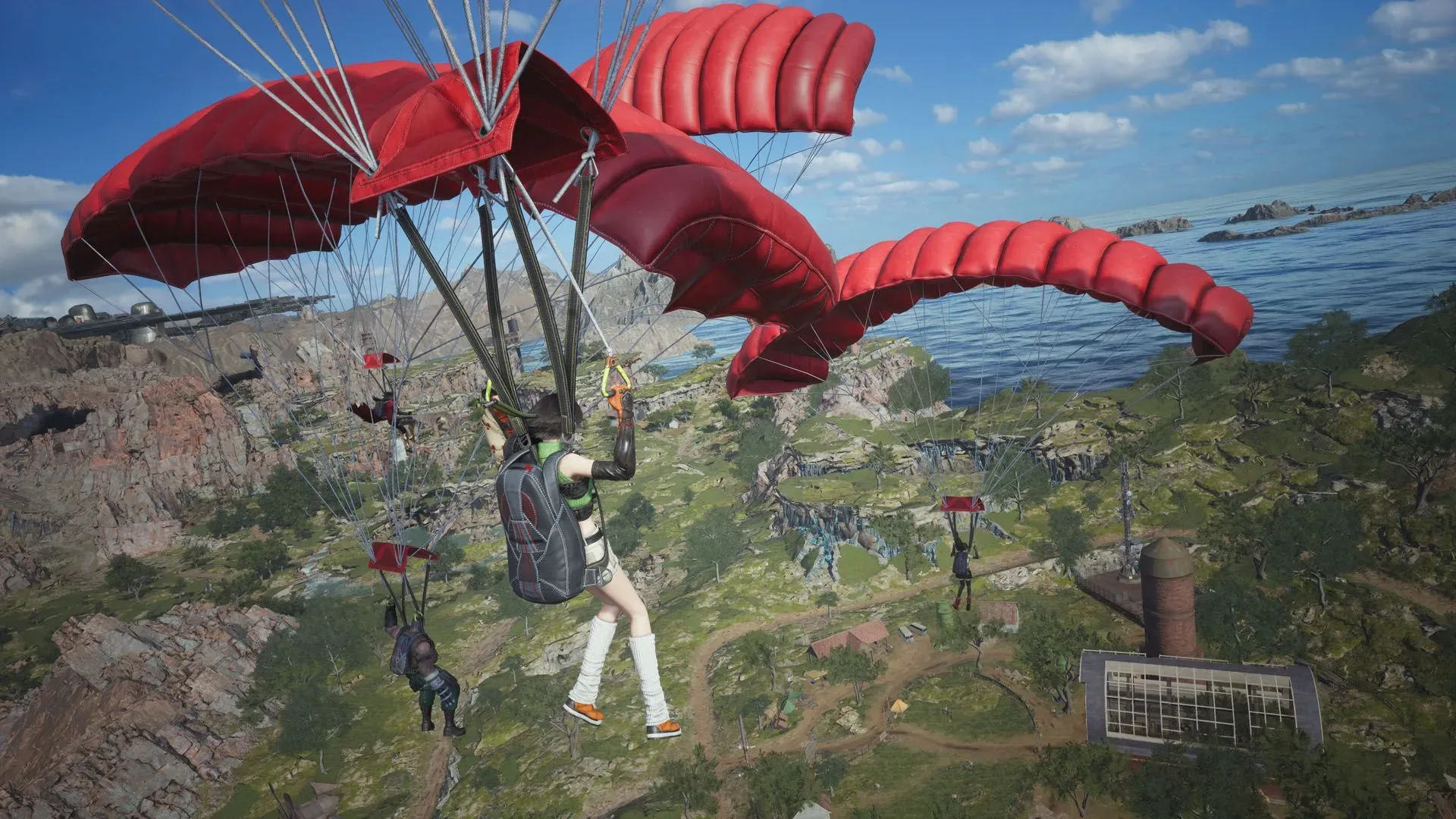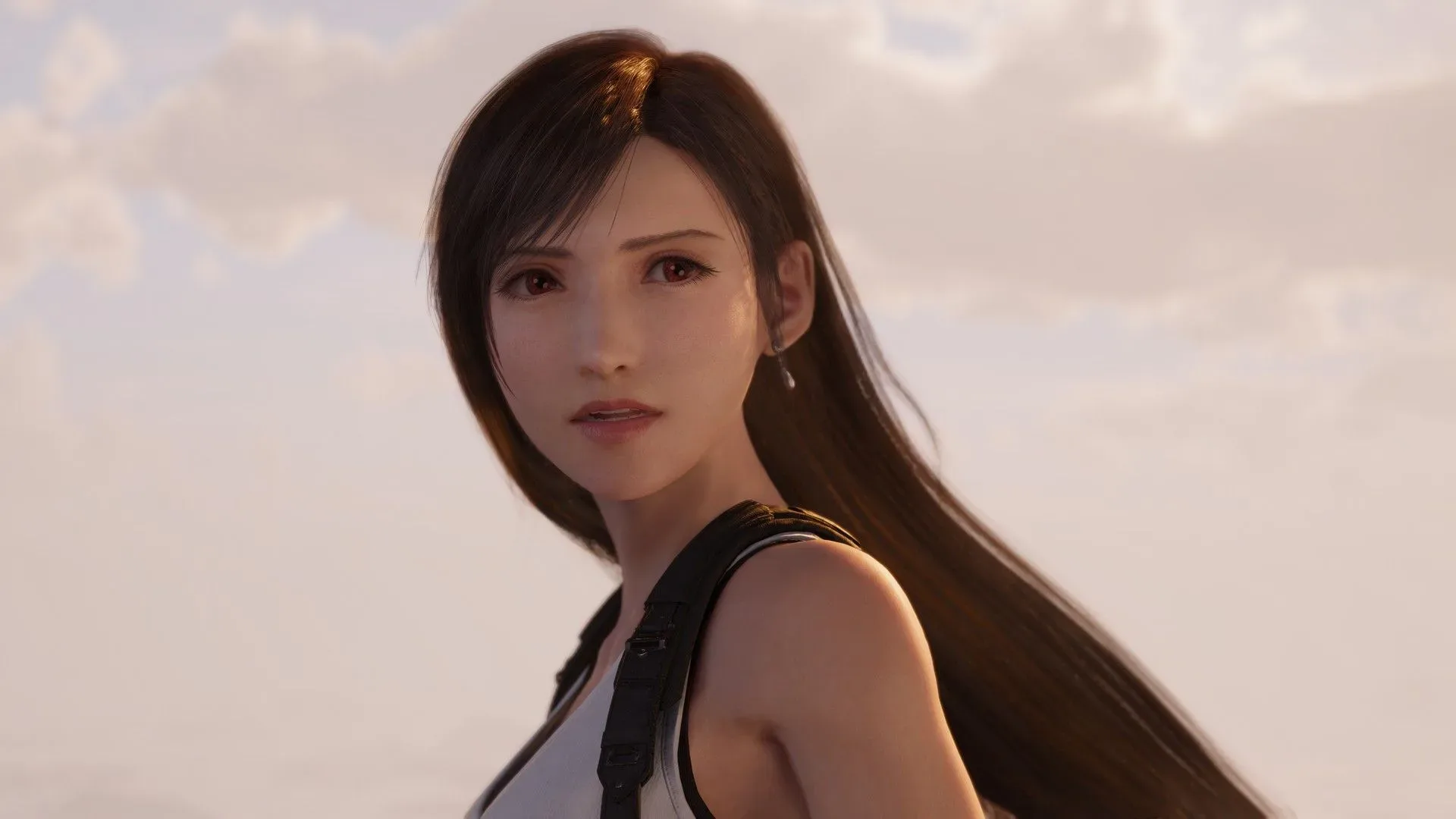
Final Fantasy 7 may be approaching the end of its current remake trilogy, but Square Enix is framing the project as something much larger than a three-game nostalgia exercise. During a PAX West panel titled From Reunion to Resolve, trilogy game director Naoki Hamaguchi discussed an ambition to carry the world of Cloud Strife and his allies forward for audiences who may not have been around for the original game’s 1997 debut.
The immediate milestone is Final Fantasy 7 Revelation, which is set to complete the remake trilogy next year. Yet the language used during the presentation suggests the publisher sees that finale as a major chapter in Final Fantasy 7’s future, rather than an endpoint for the setting. An on-screen slide identified a goal of expanding FF7’s future and turning it into an intellectual property with room to keep evolving, instead of leaving it solely as a revered classic from gaming’s past.
That is a meaningful distinction. A remake can exist principally to preserve or modernize an older work. An evolving franchise, meanwhile, is a platform for new games, stories, formats, and generations of fans. Square Enix has not announced any specific Final Fantasy 7 project beyond Revelation and its two DLC packs, so fans should not read the presentation as confirmation of a particular sequel, spin-off, film, or television project. Still, it is a clear indication that the company is thinking beyond the trilogy’s credits.
A remake project built for a new audience
Hamaguchi characterized the trilogy as an effort to hand Final Fantasy 7 down to the next generation. Through a translator, he said the team wants to create a work capable of winning new fans two or three decades from now. That is an exceptionally long view, but Final Fantasy 7 is one of the few games with history substantial enough to make the ambition feel natural.
The original PlayStation release arrived in 1997 and has remained a defining name in role-playing games for nearly 30 years. Its characters, environmental themes, industrial fantasy setting, and instantly recognizable visual iconography have endured through changing hardware cycles and changing tastes. For many players, Midgar, the Shinra Electric Power Company, the Lifestream, and the Buster Sword are not merely components of one old game. They are part of the shared vocabulary of video game culture.
Square Enix’s remake trilogy has approached that legacy by doing more than translating the original into higher-resolution visuals. It has expanded the scope, reworked combat, spent more time with its ensemble, and positioned familiar events inside a broader retelling. That approach can invite passionate debate, especially when the material is so well known, but it also gives newer players a route into Final Fantasy 7 without requiring them to encounter the 1997 release in exactly the form earlier fans did.
The same generational goal is increasingly familiar across the industry. Remakes are often asked to serve two audiences at once: people who remember every plot turn and people for whom the property is entirely new. Persona 4 Revival’s decision to incorporate Marie from the outset, for example, illustrates how a remake can define its own version of a game rather than simply reproduce one earlier edition. Final Fantasy 7’s situation is even more complex because its remake effort is itself a trilogy with an identity and continuity of its own.
Final Fantasy 7 has expanded before
The notion of a larger FF7 universe is not unprecedented. The original game has already produced an extensive collection of connected material across games and film. Some of those projects hold a treasured place among fans, others prompted a much more divided response, and some have faded from the mainstream conversation. The record is uneven, as it is for most long-running entertainment brands, but it demonstrates the unusual elasticity of the setting.
Related coverage includes Square Enix Sees an Ever-Evolving Future for Final Fantasy 7 Beyond the Remake Trilogy.
There have been spin-off games exploring different characters and corners of the timeline, alongside an animated sequel film. That history gives Square Enix plenty of examples to consider as it determines what an “ever-evolving” Final Fantasy 7 should mean after Revelation. The phrase does not establish a plan by itself. It does, however, point to a strategic desire to keep the world culturally active instead of treating the remake trilogy as a finite restoration project.
For a franchise as recognizable as Final Fantasy 7, the possibilities can be broad without any of them being guaranteed. More games could focus on established party members, supporting characters, or events outside Cloud’s central journey. Non-game storytelling could also be conceivable given the property’s past. But none of those routes have been confirmed, and the presentation did not identify a format, release window, platform, development team, or story premise for whatever comes next.
That uncertainty matters. Fans have plenty of reason to speculate, particularly because the series has a long history of branching outward, but the only concrete future material referenced after the trilogy is the pair of DLC packs for Final Fantasy 7 Revelation. Everything beyond that remains a statement of intent rather than a product roadmap.
Why the wording matters now
There is a practical reason for Square Enix to make this point before the final installment arrives. Endings create expectations of finality. Calling Revelation the conclusion to the remake trilogy accurately describes the current three-part project, but it can also make audiences wonder whether the company will put Final Fantasy 7 back on the shelf once the final installment and DLC are complete.
The PAX West presentation pushes against that interpretation. It positions the trilogy as a generational bridge: a way to preserve the impact of the original while making its universe legible and exciting to newer audiences. In that light, the remake series is not only revisiting Final Fantasy 7; it is renewing the audience relationship that lets the brand continue.
There is no way to know today whether the trilogy will retain the same influence in 20 or 30 years that the 1997 original has had. Time is the one boss battle no strategy guide can trivialize. But Hamaguchi’s comments establish the standard the team is aiming for: an interpretation that can create its own long-term fan base rather than relying exclusively on the affection of players who already know the classic.
What is confirmed, and what remains open
For now, the confirmed shape of the near future is straightforward. Final Fantasy 7 Revelation is expected next year as the concluding entry in the remake trilogy, and two DLC packs are planned for it. The PAX West panel and accompanying slide make clear that Square Enix wants the broader Final Fantasy 7 IP to have a life beyond that trilogy.
- Confirmed: Square Enix views the remake trilogy as a project intended to reach new generations of Final Fantasy 7 fans.
- Confirmed: Final Fantasy 7 Revelation is intended to wrap up the current remake trilogy next year.
- Confirmed: Two DLC packs are referenced for Revelation.
- Signaled: The company wants an expanding, continuing future for Final Fantasy 7 as an IP.
- Not announced: Any named post-Revelation game, screen project, platform, release date, or concrete format.
For the moment, that balance is the sensible way to read Square Enix’s message. The trilogy has a finish line. Final Fantasy 7, if the publisher’s long-range vision takes hold, does not necessarily have one. Whether that future brings another ambitious game, smaller character-led projects, animation, or an entirely different direction is still unknown. What is clear is that Square Enix wants Cloud’s world to remain a living one long after Revelation brings this particular remake journey to a close.