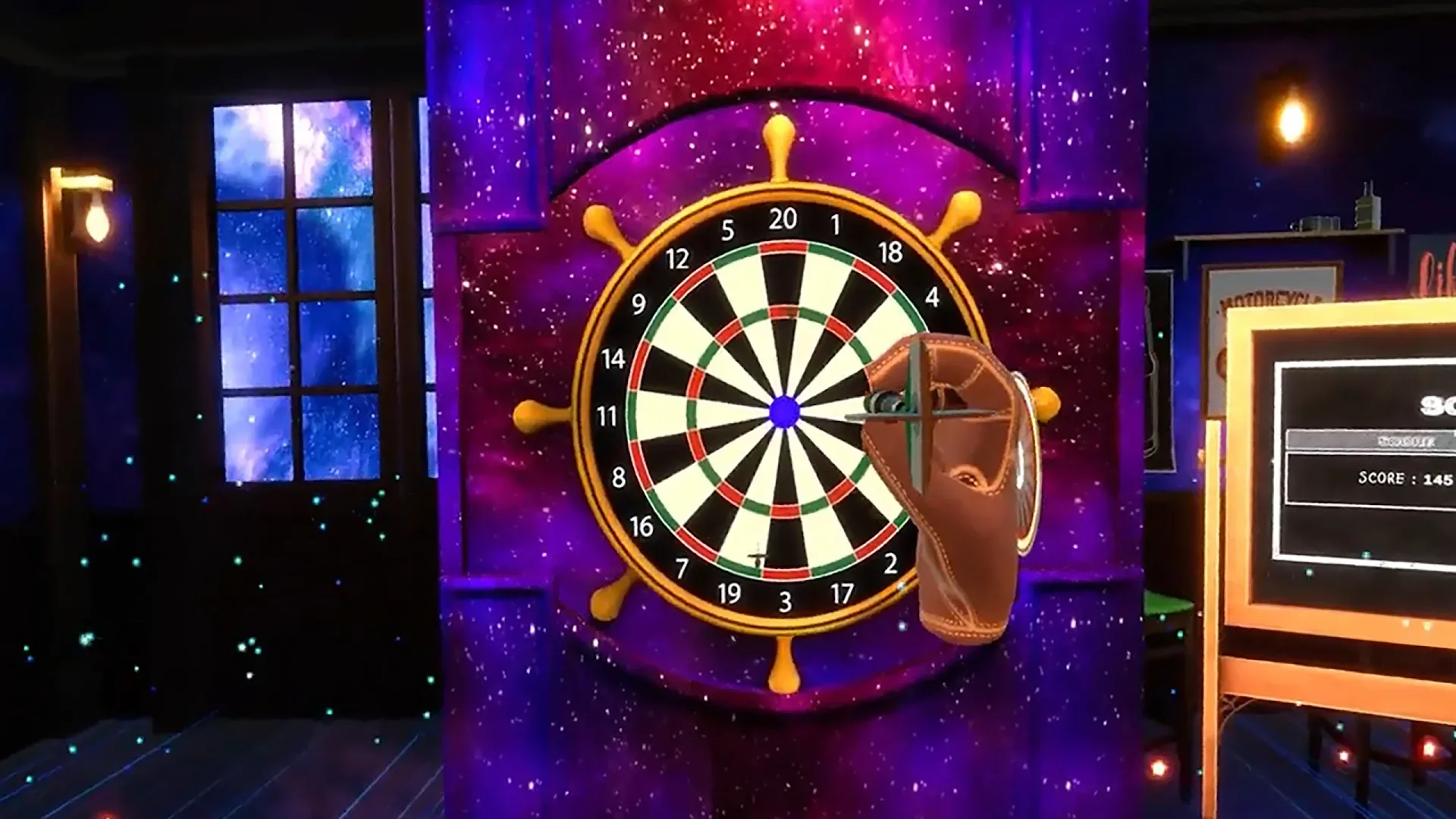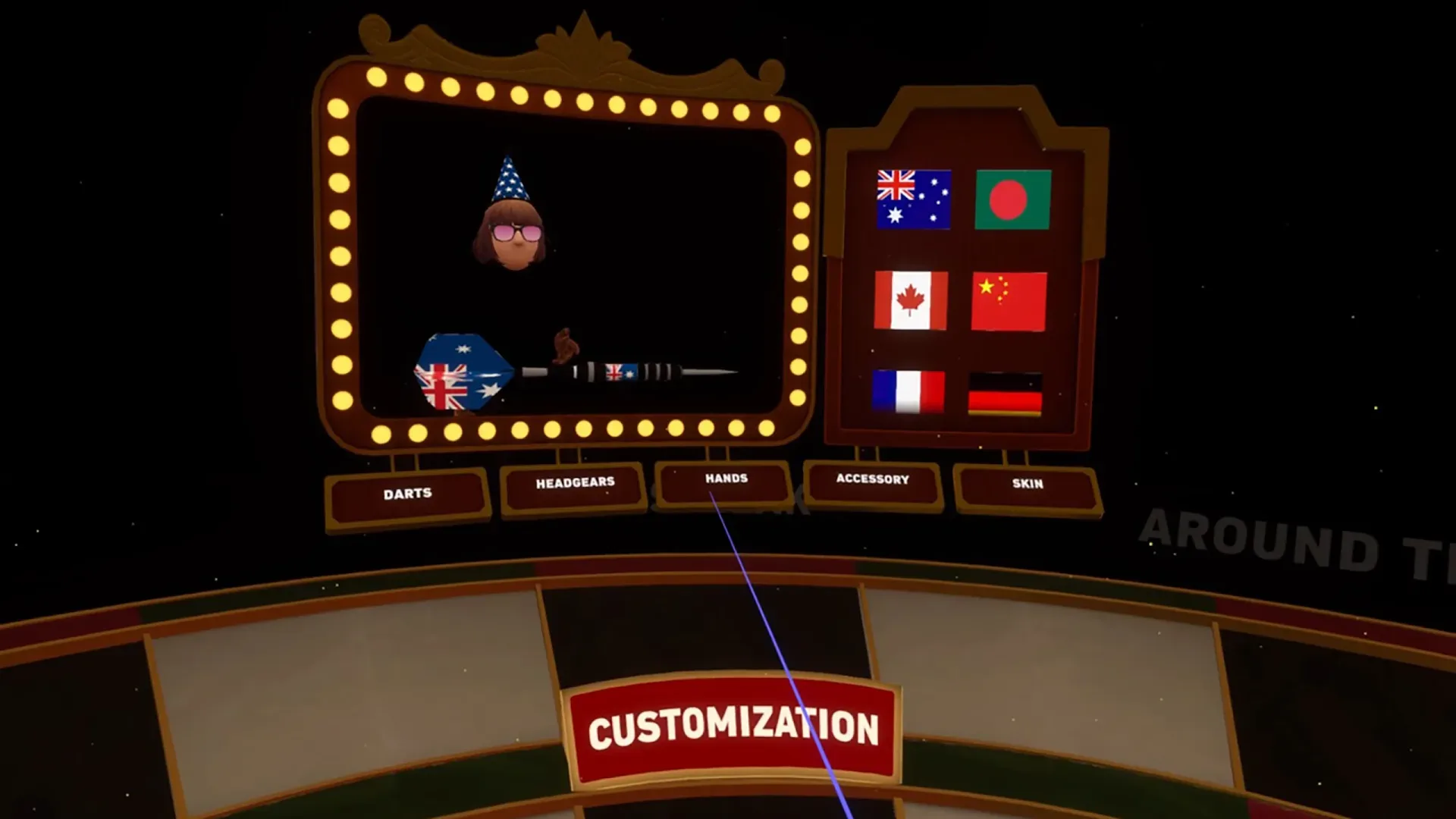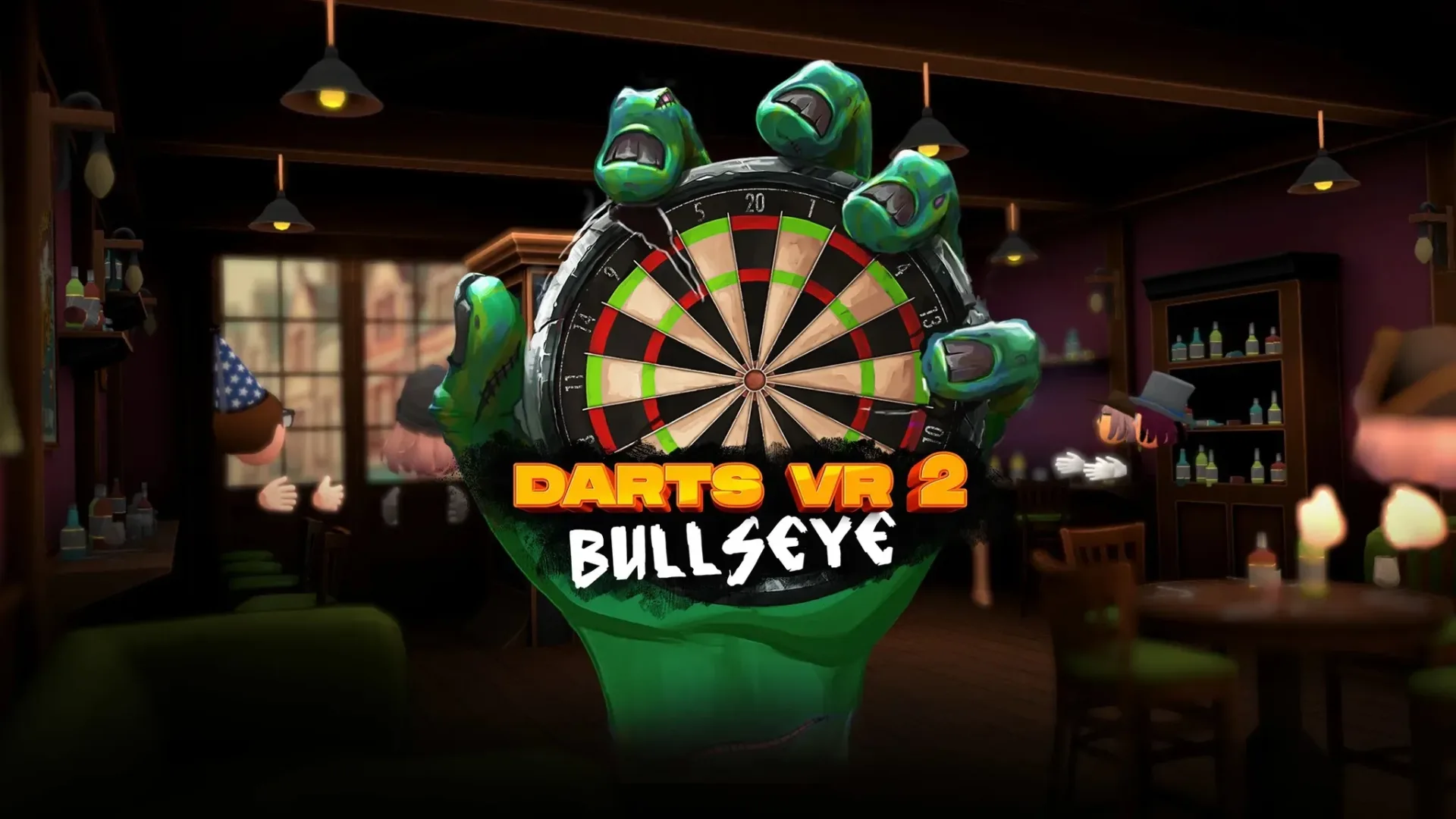
Darts VR2: Bullseye is set to introduce League Mode on November 5, giving virtual darts players a structured competitive route across Meta Quest, PlayStation VR2 and SteamVR. The mode will support cross-platform tournaments for as many as 16 players, backed by online leaderboards, in-game cosmetic rewards and prize pools that include gift cards.
The new mode is planned as more than a standard online match queue. Its first Winter season has a clear progression: three weekly qualifiers in November lead to a monthly final, while the winner of that monthly event is intended to move on to a larger championship final. For players who want a regular competitive appointment rather than one-off multiplayer games, that structure is the central change.
League Mode starts with three weekly qualifiers
The first official League Mode tournaments begin in November. Season One’s weekly qualifiers are scheduled for November 5, November 12 and November 19. Each of those events carries a $100 prize pool as well as cosmetics.
Players who advance through the qualifying phase will have a monthly final to target on November 26. That event has a listed $250 prize pool and further cosmetic rewards. Monthly winners are then expected to progress to the championship final, which is currently pencilled in for February. The February date remains to be confirmed, so competitors should treat the timing as provisional rather than fixed.
- Weekly qualifiers: November 5, 12 and 19 — $100 prize pool plus cosmetics
- Monthly final: November 26 — $250 prize pool plus cosmetics
- Championship final: February, date to be confirmed — $500 prize pool plus cosmetics
The championship’s listed $500 prize pool is in addition to exclusive in-game rewards. Exact prize allocations, eligibility information and the application process are not detailed here; the game’s Discord is the designated place for the full breakdown and League terms and conditions.
What cross-play means for the League
Cross-play means people on separate VR platforms can enter the same competitive player pool rather than being restricted to opponents using the same storefront or headset ecosystem. In this case, League Mode joins players using Meta Quest hardware, PlayStation VR2 and SteamVR-compatible PC VR setups.
That matters especially for a scheduled tournament. An event has a limited window in which it needs enough entrants to create meaningful brackets and matches. Combining the game’s supported platforms should give the League a broader shared pool during those windows than a platform-by-platform arrangement would. It also means a Quest player can potentially compete against someone on PS VR2 or PC VR without deciding where the most active community is first.
Cross-play should not be confused with a guarantee that every participant has identical hardware or controls. It simply describes the ability for supported platform groups to play together. The announced League features do not set out further technical rules, matchmaking criteria or any platform-specific restrictions, so prospective players will need to consult the League information before assuming how individual tournaments handle entry and competition.
Related coverage includes Darts VR2: Bullseye League Mode Begins November 5 With Cross-Platform Tournaments.
When the regional leagues run
Two regional time windows have been listed for League play:
- Europe League: 7pm–9pm GMT
- Americas League: 6pm–8pm PT
These are short, defined sessions, making advance planning important for anyone pursuing the qualifier-to-final path. They also give the mode a more event-based identity: rather than simply trying to find a match at any hour, competitors will be gathering during specific regional windows.
Players should also pay close attention to the stated time zone when converting the schedule locally. GMT and Pacific Time are not interchangeable, and daylight-saving changes can affect what a listed regional start time means elsewhere. The supplied schedule identifies the league windows but does not provide a conversion for every territory.
How the season format is expected to work
The announced format consists of weekly qualifiers followed by a monthly final, then a championship final for monthly winners. In practical terms, that creates several levels of stakes. The weekly events are the opening opportunity to earn progression; the monthly final concentrates that pathway into one higher-prize event; and the championship represents the season-ending destination for those monthly winners.
“Qualifier” generally refers to a competition whose result determines advancement into a later event. Here, the published outline confirms that weekly qualifiers precede a monthly final, but it does not specify the number of players who advance from each weekly event or the precise bracket format. Likewise, the announcement confirms tournaments of up to 16 players, but it does not say whether every scheduled event will always reach that maximum.
That distinction is useful for anyone weighing up the advertised prizes. A prize pool describes the total rewards allocated to an event; it does not necessarily mean a single winner receives the full amount. The game’s League documentation is expected to cover prize breakdowns, alongside application details and participation terms.
Leaderboards and cosmetics give results a longer tail
Online leaderboards are part of the League Mode feature set. A leaderboard is a ranked record of player performance, although the available information does not explain what results it tracks, whether it is seasonal or how it affects qualification. Its inclusion nevertheless gives competitors a visible results layer beyond the prizes attached to a single event.
Cosmetics are also attached to the weekly qualifiers, monthly final and championship. In-game cosmetics are visual rewards rather than a stated competitive advantage. The announcement does not identify the particular items, their rarity or whether they are exclusive to each individual event, aside from describing the championship rewards as exclusive in-game items. Players who value unlocks alongside competitive placement will likely want to check the complete reward listing before entering.
The combination of cash-equivalent gift-card prizes and virtual items gives the League two different incentives. Gift cards add a tangible competitive reward, while cosmetics can provide a visible marker of participation or success inside the game. Neither replaces the other: one is an external prize category, and the other belongs within Darts VR2: Bullseye itself.
Who can play Darts VR2: Bullseye
Darts VR2: Bullseye is already available on Meta Quest 3, Meta Quest 3S and Quest 2; on PlayStation VR2; and as a PCVR game through Steam. Its listed price is £12.99 in the UK, $14.99 in the US and €13.99 in Europe.
“PCVR” refers to virtual-reality play on a PC, while SteamVR is the VR platform named for the League’s cross-play support. Meta Quest and PlayStation VR2 are separate headset platforms. The League’s stated compatibility across all three is therefore significant for existing owners: the competitive mode is being added to a game that is already on each of those supported ecosystems, rather than arriving as a separate product.
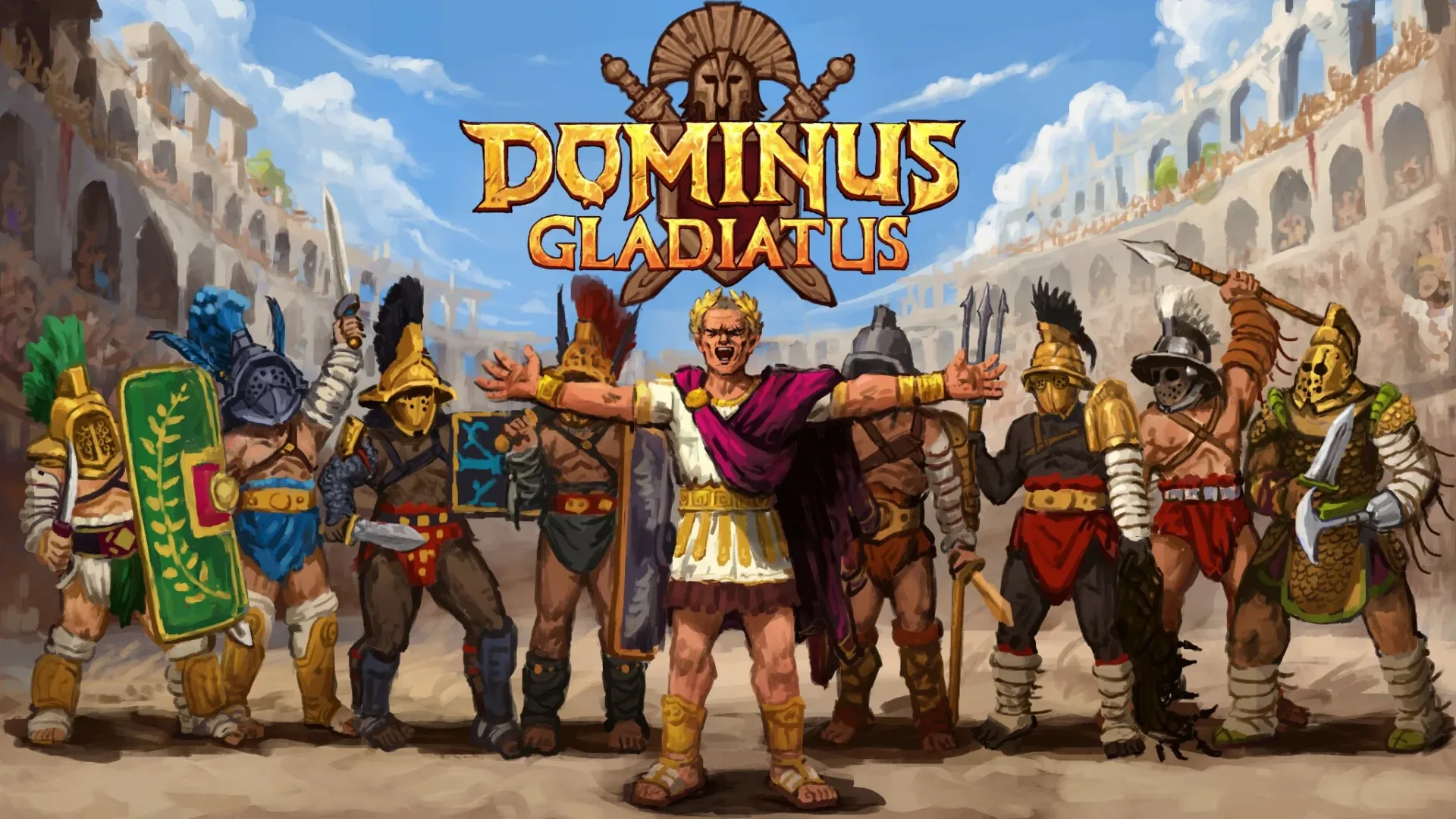
For VR players building out a November schedule, November 5 is also a busy date for other releases, including Dominus Gladiatus’ planned PC and console arrival. Darts VR2: Bullseye’s League launch, however, is specifically a competitive-mode rollout for an available game, not a newly announced platform release.
What players should verify before registering
The core information is firm: League Mode launches November 5; it will host cross-platform tournaments for up to 16 players; official competition begins with November weekly qualifiers; and the season leads toward a February championship that is still awaiting date confirmation.
Several participation details remain outside the announced overview. Players should verify how to apply, the eligibility rules, prize distribution, and full terms and conditions through the Darts VR2: Bullseye Discord before treating a calendar slot as a confirmed entry. This is particularly important for an organised competition with prizes, where regional rules and entry requirements may matter as much as a player’s place on the leaderboard.
For now, the useful takeaway is straightforward: owners on Quest, PS VR2 and SteamVR will have a shared tournament framework beginning November 5, with three weekly chances to enter the first month’s competitive path and a planned seasonal escalation through the November final to the February championship.