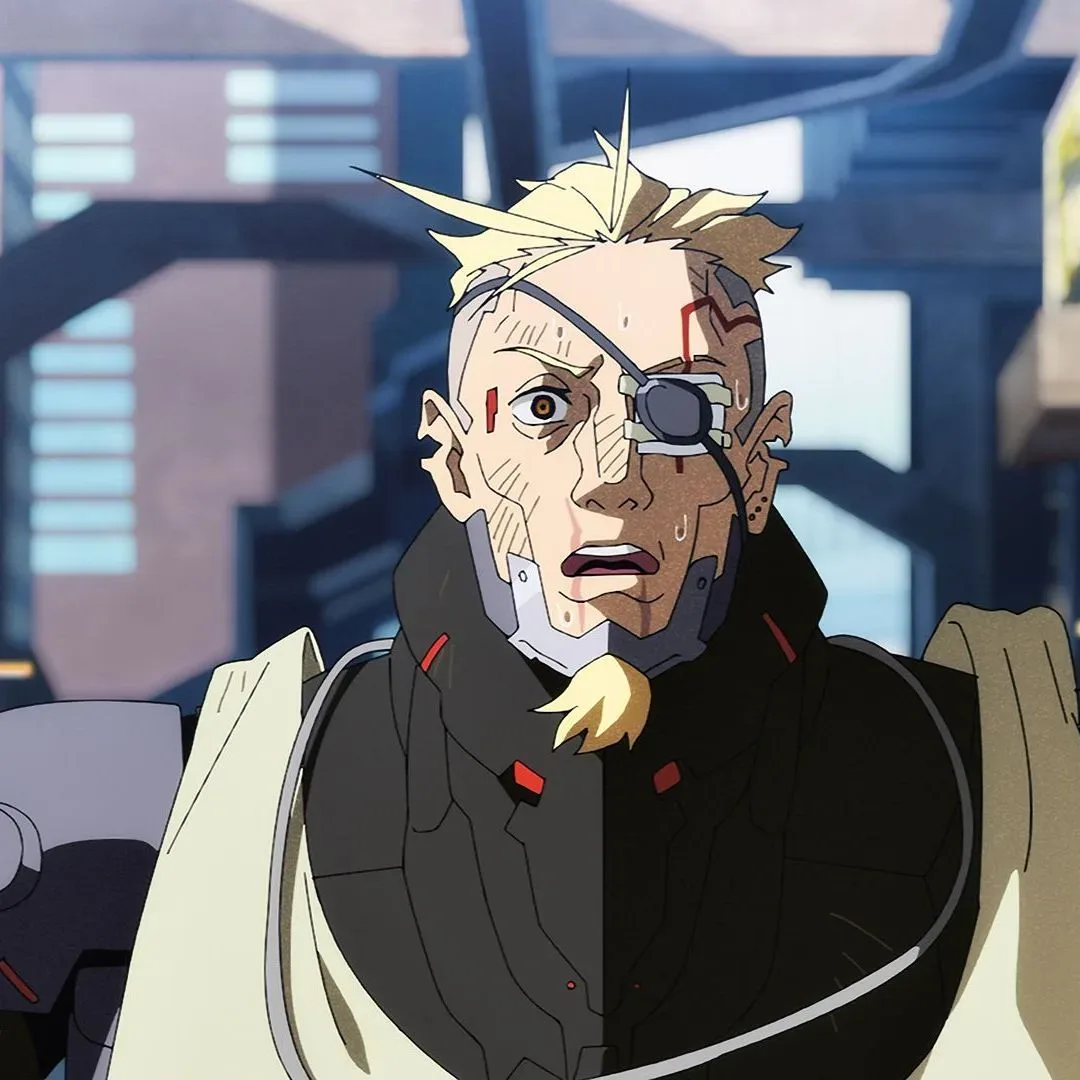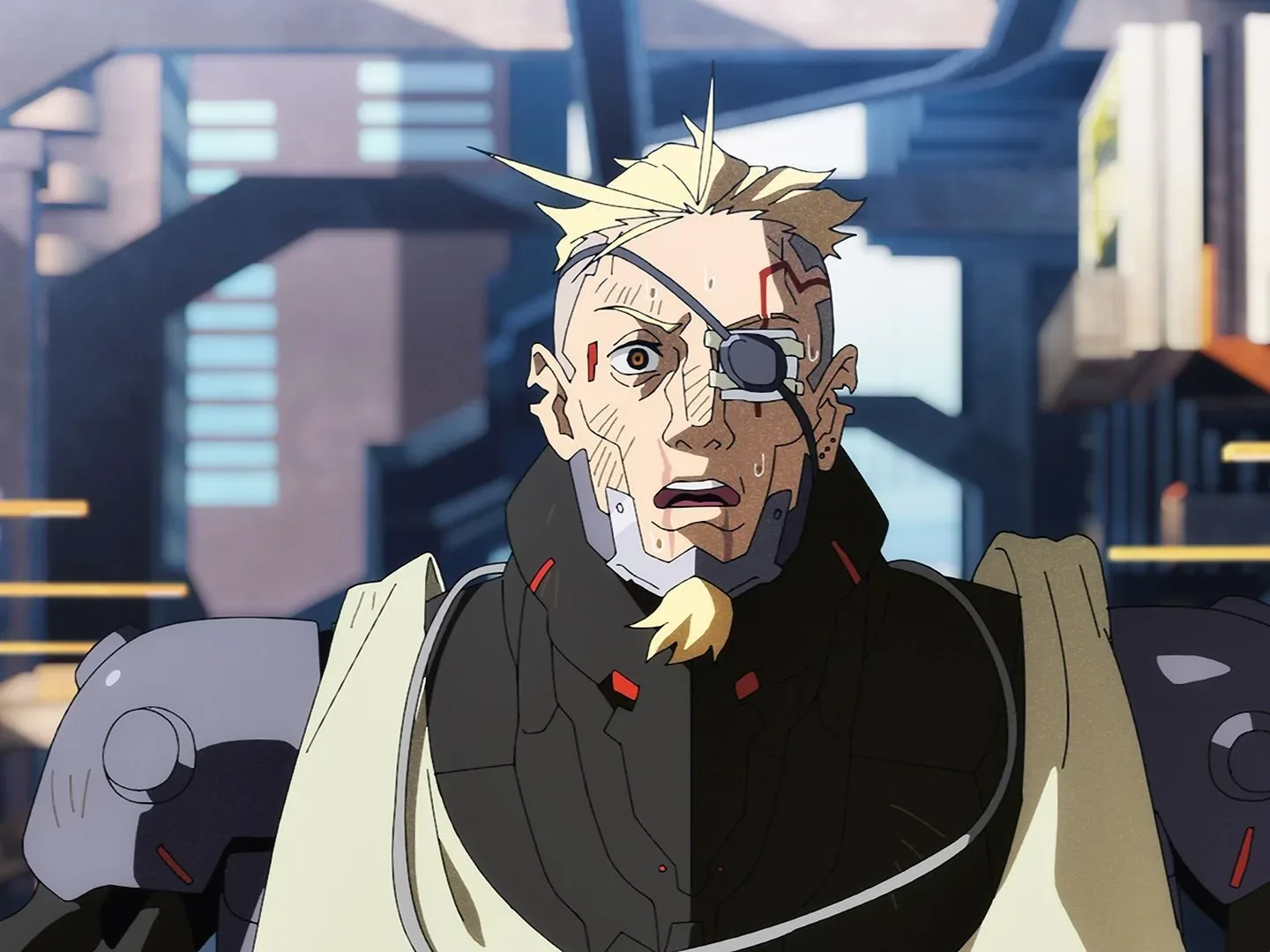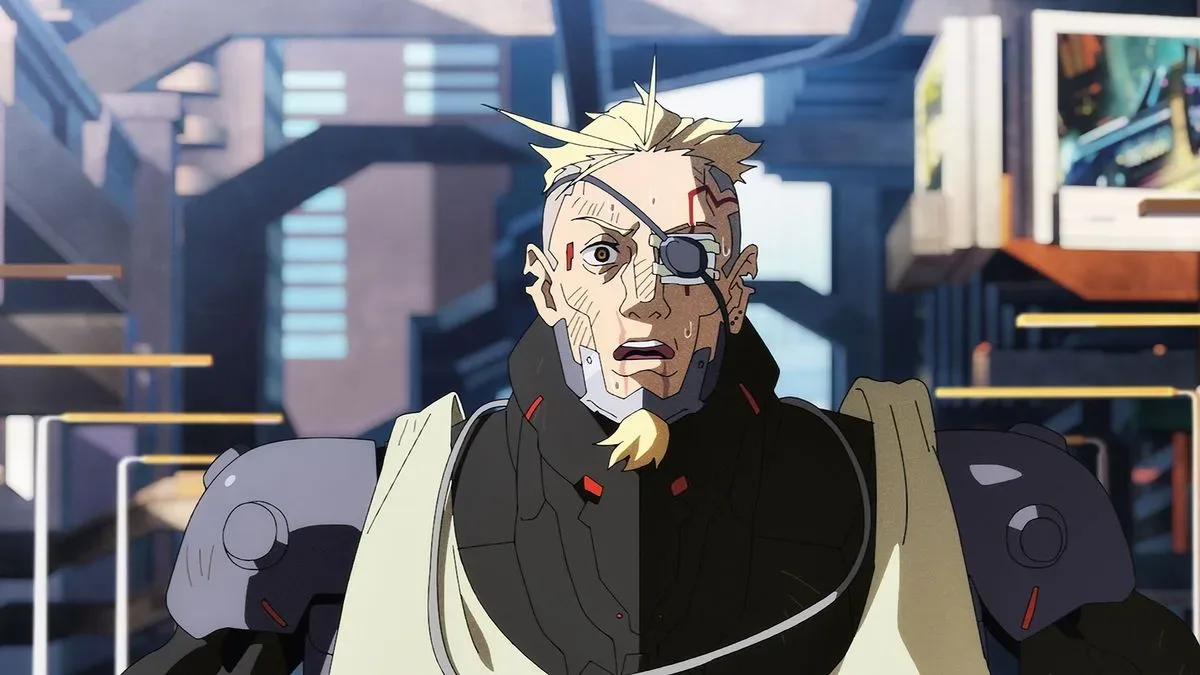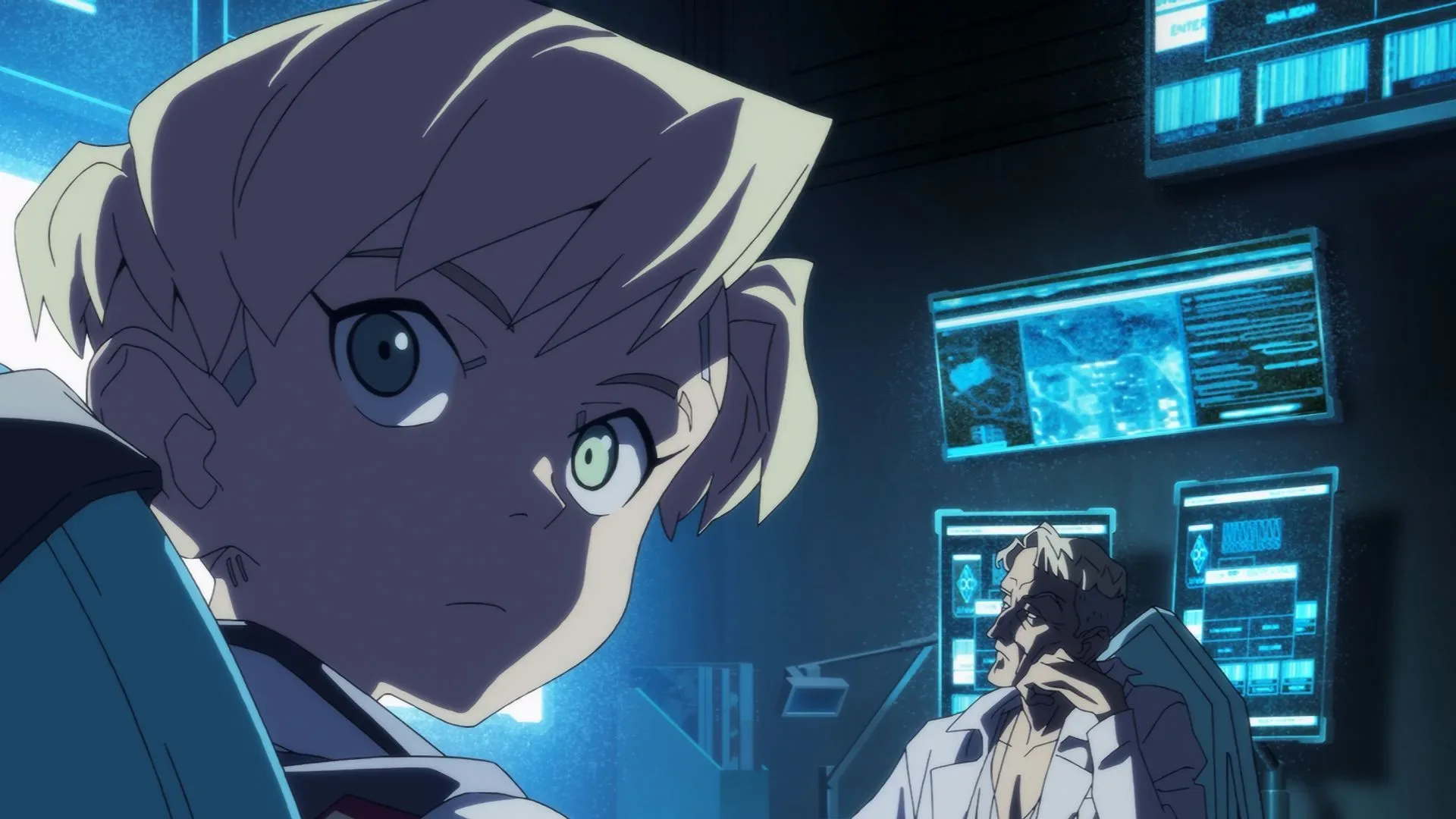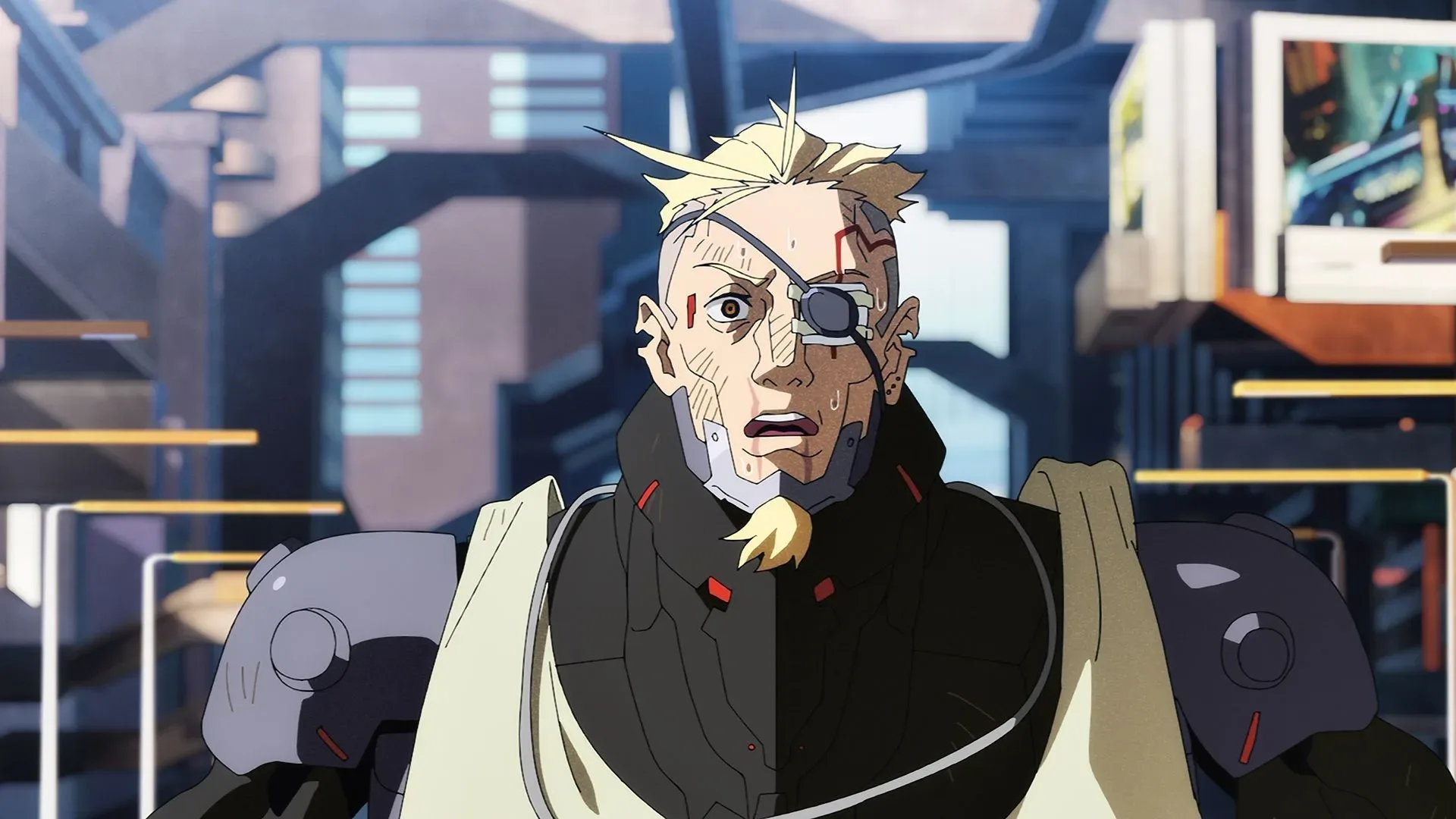
Cyberpunk: Edgerunners 2 has received a new animated companion piece rather than a conventional clip compilation. The video for Watson, performed by Petite Meller featuring Oslo Green, uses footage created specifically for the song and returns viewers to Night City for an earlier chapter in the relationship between Weak Kingsley and Avida Yang.
That distinction matters. Music videos connected to television animation often re-edit familiar highlights into a promotional format. This one is presented as new material: it follows King and Avida before the second season, including their meeting and the shape of a relationship that will eventually end. For viewers who have already seen the 10-episode season, it supplies character context without being described as another episode of the show.
What the ‘Watson’ video adds
Watson is the end-credits theme associated with Edgerunners 2, so the new video connects a recurring musical sign-off to an additional story fragment. The focus is deliberately narrow: Weak Kingsley—also called King—and Avida Yang. Their earlier interactions and the eventual breakup teased by the video help frame the tension in how they deal with each other during the anime’s main story.
In other words, the video is not simply asking fans to revisit a track from the credits. It is using that track as the structure for a pre-season character vignette. The result appears designed to answer an emotional question left around the edges of the season: what history makes these two people react to one another as they do?
That is a useful role for supplemental animation in a serial story. A standalone scene can clarify motivation while leaving the season itself intact as the principal narrative. It also gives viewers a reason to return to the series with a different reading of King and Avida’s choices, rather than requiring a lengthy detour in the middle of the 10-episode plot.
A different animation studio, with Edgerunners’ creator involved
Bartosz Sztybor, the creator of Cyberpunk: Edgerunners, is credited in the video for story and creative direction. Studio Trigger, the animation studio associated with the Edgerunners anime, did not animate this project. Animation for Watson was instead handled by WIZZ Studio.
WIZZ Studio has previously made animated shorts for music videos, including the League of Legends Worlds 2026 Anthem. Its involvement explains why this release should be understood as a purpose-built music short rather than a newly announced full episode or a production change for the anime series itself.
“Story and creative direction” is an important credit here. It indicates that the video’s narrative purpose comes from a key creative figure behind Edgerunners, even as another studio provides the animation. The available information does not establish what, if anything, this means for any future season’s animation team. It only identifies who worked on this particular short.
Where Edgerunners 2 sits in Night City’s timeline
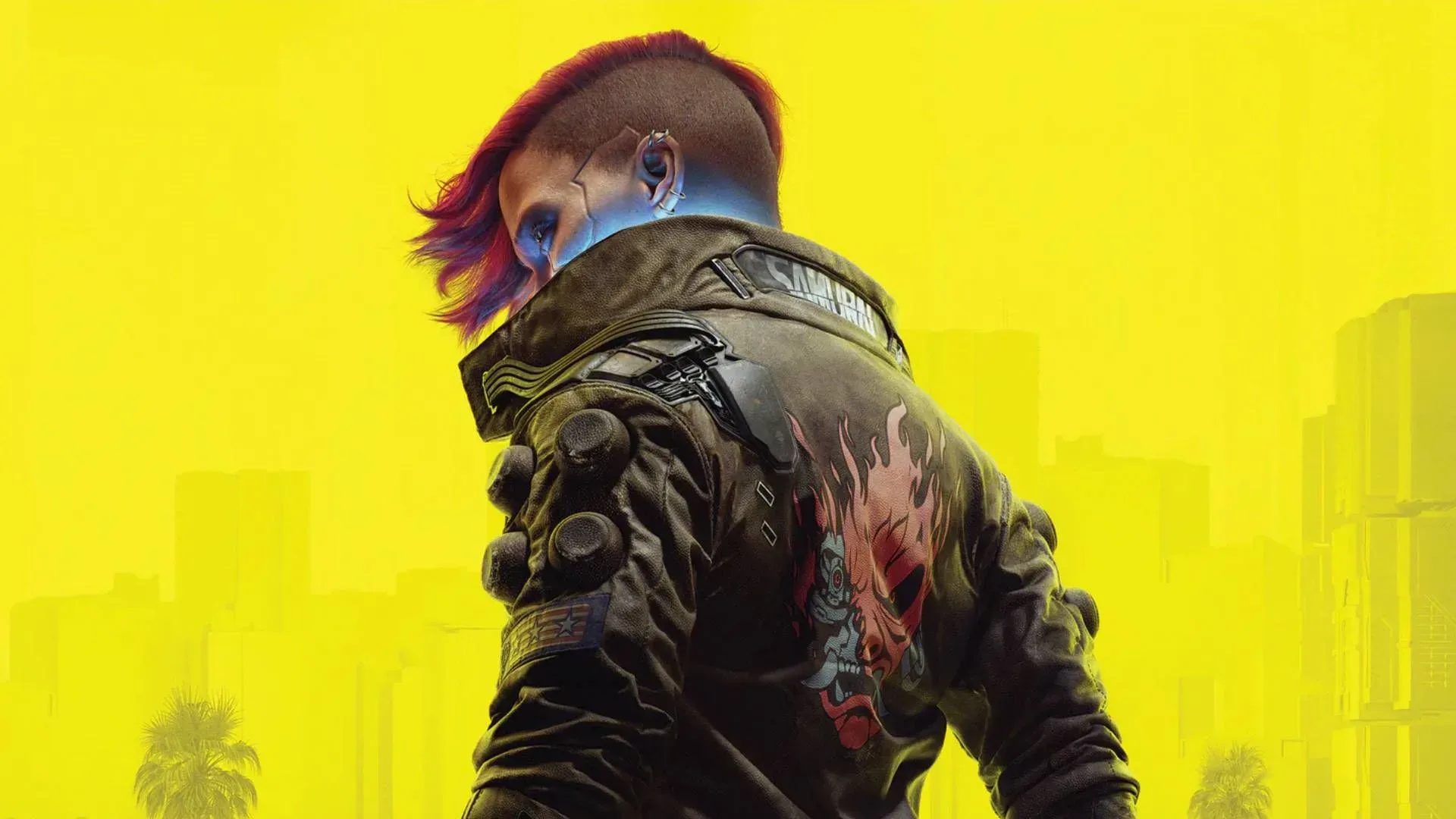
The second season is set in Night City, sharing the universe of the Cyberpunk video game franchise. Its events take place one year after Cyberpunk 2077 and two years after the first Cyberpunk: Edgerunners season. Despite that setting and chronology, the season is described as a standalone story.
That standalone approach centers on Weak Kingsley, a cyberpunk legend whose status has faded as he searches for purpose in a world that has moved on without him. The King-and-Avida short therefore deepens the background of this season’s lead without converting the second season into a direct continuation of the first season’s central cast and story.
For game audiences, this is another example of how Night City can support stories with separate protagonists and eras while retaining a common setting. The wider Cyberpunk framework provides the place, atmosphere and social pressures; Edgerunners 2 uses them for King’s particular situation. The Watson video goes even more intimate, concentrating on one past relationship instead of expanding the setting’s lore wholesale.
That kind of selective expansion can be more valuable than a broad lore dump. A city as dense as Night City can easily turn every extra release into a checklist of references. Here, the extra footage has a stated dramatic function: it gives Avida and King’s later behavior more context. The point is not merely that they knew each other before the season; it is that their shared past includes a relationship and a breakup.
Why original footage is more than a promotional extra
A recap-style music video can reinforce a series’ best-known imagery, but it generally cannot change how the viewer understands a character. Newly made scenes can. By placing the meeting of King and Avida before the season, the Watson video creates a bridge between an end-credits song and the interpersonal stakes of the narrative.
There is also a practical viewing implication. Anyone avoiding details about the second season may want to watch the season first. The video’s purpose is explicitly tied to the pair’s relationship prior to the events of the show and to the reason they act as they do toward each other in it. Even without laying out the season’s plot, that premise makes the short most useful as companion viewing for people who already know the relevant dynamic.
For those who have finished it, the short offers a concise opportunity to revisit the story’s emotional groundwork. Its limited focus is a strength: it does not claim to resolve every question around Night City or turn the credits song into an excuse for unrelated scenes. It identifies one relationship, shows its earlier phase and lets that history cast a little more light on the season that follows.
Season 3 remains unconfirmed
The video arrives only weeks after the second season reached Netflix, but there is no renewal for a third season at this point. Sztybor has expressed interest in telling more stories in Night City and beyond, while also describing a creative standard that requires the right story and the right director, artist or studio to execute it.
That is hope, not confirmation. The new Watson material should not be read as evidence that a third season has been ordered, nor does it establish a timetable for another installment. It does, however, show that the second season’s characters are being given space beyond the season’s episode count.
The distinction is worth keeping clear. A renewal determines whether a new season is in production; a music video is a discrete creative release. This one provides extra narrative context for King and Avida, with Sztybor involved in its creative direction and WIZZ Studio on animation. Anything further remains undecided publicly.
Fans looking at how game worlds are shaped by a particular creative vision may also find a useful parallel in the development thinking behind Skyrim’s Seven Thousand Steps. In Edgerunners 2, the new short takes the opposite scale: not a vast new route through Night City, but a compact piece of character history that changes the view from within.
What viewers should take from the release
- The song: Watson by Petite Meller featuring Oslo Green, the second season’s end-credits theme.
- The footage: newly created scenes, not a montage of clips from the show.
- The characters: Weak Kingsley and Avida Yang, with attention on their first meeting and relationship before season two.
- The creative credits: Bartosz Sztybor receives story and creative-direction credit; WIZZ Studio animated the video.
- The future: a third season has not been renewed, so the short is additional material for season two rather than a confirmed next step.
For now, Watson is a small but meaningful expansion of Edgerunners 2: a music-led Night City story that gives King and Avida a past the season can be read against, while keeping the larger question of the anime’s future open.